
The Stranger by Albert Camus
Why It's a Masterpiece (Week 45)

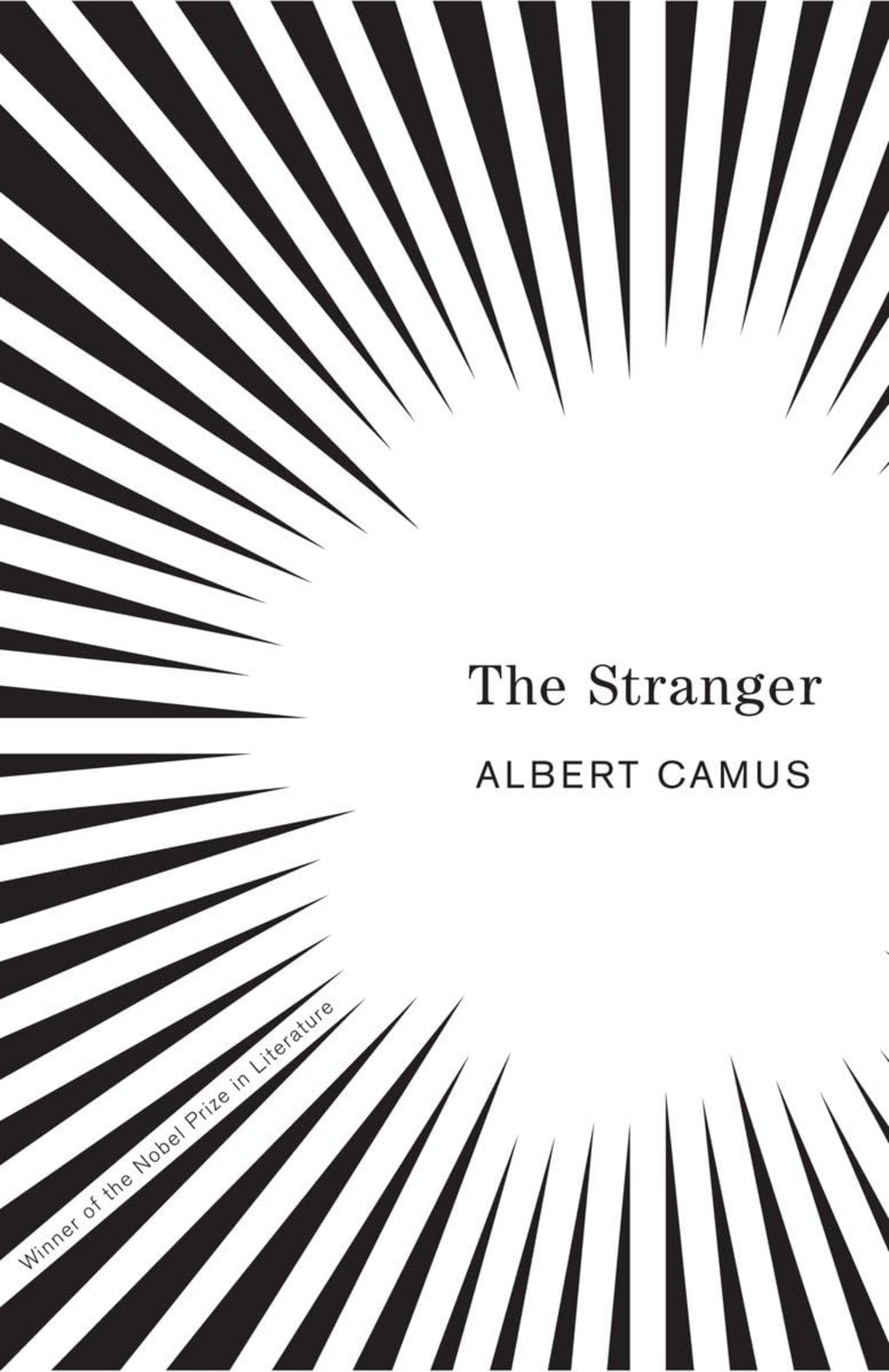
The Stranger (L'Étranger), published in 1942, is one of Albert Camus' most famous works and a cornerstone of existential literature. Camus wrote the novel during World War II, a time of great upheaval and uncertainty, which influenced the themes of absurdity and existentialism that pervade the text. Gallimard, a prominent French publishing house, released the book, quickly propelling Camus to literary prominence. Despite the initial constraints of wartime censorship and limited resources, The Stranger gained immediate acclaim for its stark and unembellished narrative style, as well as its profound philosophical underpinnings.
The novel's protagonist, Meursault, epitomizes Camus' concept of the "absurd hero"—a man who lives in the moment, indifferent to societal norms and the search for meaning. The publication of The Stranger marked a significant moment in literary history, highlighting Camus' unique voice and solidifying his role as a leading existentialist thinker. The novel's exploration of absurdism, morality, and the human condition resonated deeply with readers and critics, securing its place as a seminal work in modern literature. Over the decades, The Stranger has been translated into numerous languages and continues to be widely studied and discussed for its philosophical depth and narrative innovation.
Plot
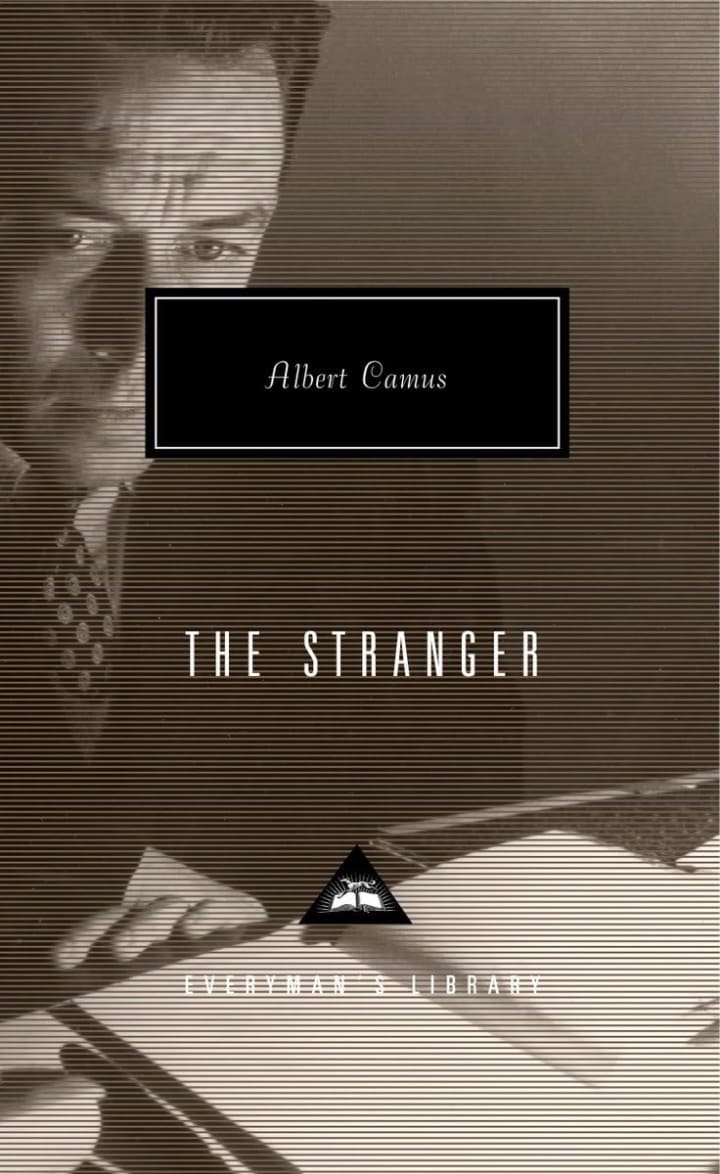
The Stranger is divided into two parts, each chronicling a different phase in the life of the protagonist, Meursault. The novel opens with Meursault receiving news of his mother’s death. His indifferent reaction sets the tone for his character and the novel’s exploration of existential themes. Meursault attends his mother's funeral but displays a lack of expected emotions, which is noted by those around him.
Following the funeral, Meursault returns to his life in Algiers, where he resumes his routine. He begins a romantic relationship with Marie Cardona, a former coworker, and strikes up a friendship with his neighbor, Raymond Sintes. Raymond involves Meursault in a personal conflict with his mistress, leading to a confrontation with her brother, an Arab.
The pivotal event occurs when Meursault, Raymond, and others visit a beach. Meursault encounters the Arab brother, and in a moment of intense heat and disorientation, he shoots the man dead. This seemingly senseless act sets off the second part of the novel.
In the second part, Meursault is arrested and put on trial for the murder. The legal proceedings focus less on the crime itself and more on Meursault's character and his lack of conventional emotions, particularly his behavior at his mother's funeral. The prosecutor argues that Meursault's indifference and atheism reflect a moral deficiency, ultimately leading to his crime. Despite the efforts of his lawyer, Meursault is found guilty and sentenced to death.
As he awaits execution, Meursault reflects on his life and the nature of existence. He comes to accept the absurdity of life and the inevitability of death, finding a sense of peace in the acknowledgment of his fate. He rejects the comfort of religion and embraces the indifference of the universe, concluding that life’s meaning is derived from the experiences of the present moment.
Into the Book
A central theme of The Stranger is absurdism, a philosophy that explores the conflict between humans’ desire to find inherent meaning in life and the silent, indifferent universe that offers none. Meursault embodies this theme through his indifferent attitude towards life and death. His lack of grief at his mother’s funeral and his seemingly motiveless murder of the Arab highlight his rejection of societal norms and search for meaning. As he faces execution, Meursault reflects, "I opened myself to the gentle indifference of the world. Finding it so much like myself—so like a brother, really—I felt that I had been happy and that I was happy again." This acceptance of life's inherent meaninglessness and his embrace of the present moment encapsulate Camus’ absurdist philosophy.
“I may not have been sure about what really did interest me, but I was absolutely sure about what didn't.”
- The Stranger by Albert Camus
The Stranger also critiques the arbitrary nature of justice and societal norms. Meursault's trial focuses more on his character and personal beliefs than on the actual crime. The prosecutor uses Meursault’s atheism and emotional detachment to paint him as a moral monster, suggesting that his behavior at his mother’s funeral is as damning as the murder itself. This shift highlights how societal expectations and norms can distort the pursuit of justice. Camus writes, "In our society any man who does not weep at his mother’s funeral runs the risk of being sentenced to death." This statement underscores the novel's critique of how societal norms and the legal system can be misapplied, leading to unjust outcomes.
“I looked up at the mass of signs and stars in the night sky and laid myself open for the first time to the benign indifference of the world.”
- The Stranger by Albert Camus
Another prominent theme is the isolation of the individual in an indifferent world. Meursault’s emotional detachment and refusal to conform to societal expectations isolate him from others. His interactions are marked by a sense of distance, even with those closest to him, such as Marie and Raymond. This isolation is exacerbated during his trial and imprisonment, where he is further alienated by the societal judgment of his actions and beliefs. Meursault’s existential reflections in prison deepen this sense of isolation, as he grapples with the realization that his life and death are ultimately insignificant. Camus writes, "I had only a little time left and I didn't want to waste it on God." This quote emphasises Meursault’s acceptance of his isolation and the rejection of false comfort in favor of confronting the stark reality of his existence.
“Mother died today. Or maybe yesterday; I can't be sure.”
- The Stranger by Albert Camus
Why It's a Masterpiece
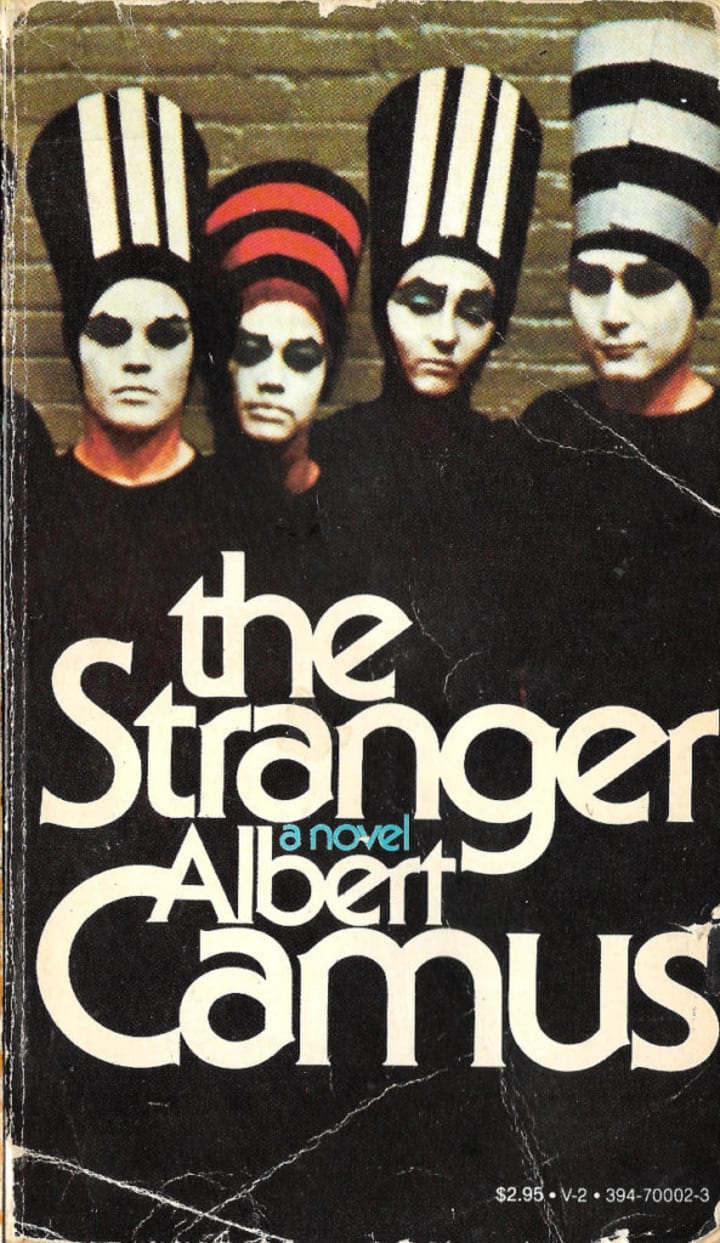
The Stranger is widely regarded as a masterpiece for its profound philosophical insights, innovative narrative style, and enduring relevance. Albert Camus’ exploration of absurdism and existentialism through the character of Meursault offers a compelling critique of the human condition. The novel’s ability to convey complex philosophical ideas through a simple, yet powerful narrative makes it a seminal work in modern literature.
Camus' prose is characterized by its clarity and precision, allowing readers to deeply engage with Meursault’s inner world and the novel’s existential themes. The straightforward, almost detached narrative style reflects the protagonist’s own emotional detachment, creating a resonance between form and content that enhances the reader's experience.
Moreover, the novel’s critique of societal norms and the justice system remains strikingly relevant. The focus on Meursault’s character and personal beliefs during his trial highlights the arbitrary and often unjust nature of societal judgments, prompting readers to question the values and structures of their own societies.
The themes of isolation and the search for meaning are universal and timeless, resonating with readers across different cultures and historical periods. Meursault’s journey towards accepting the absurdity of life and finding peace in the present moment provides a powerful commentary on human existence that continues to inspire and challenge readers.
Conclusion
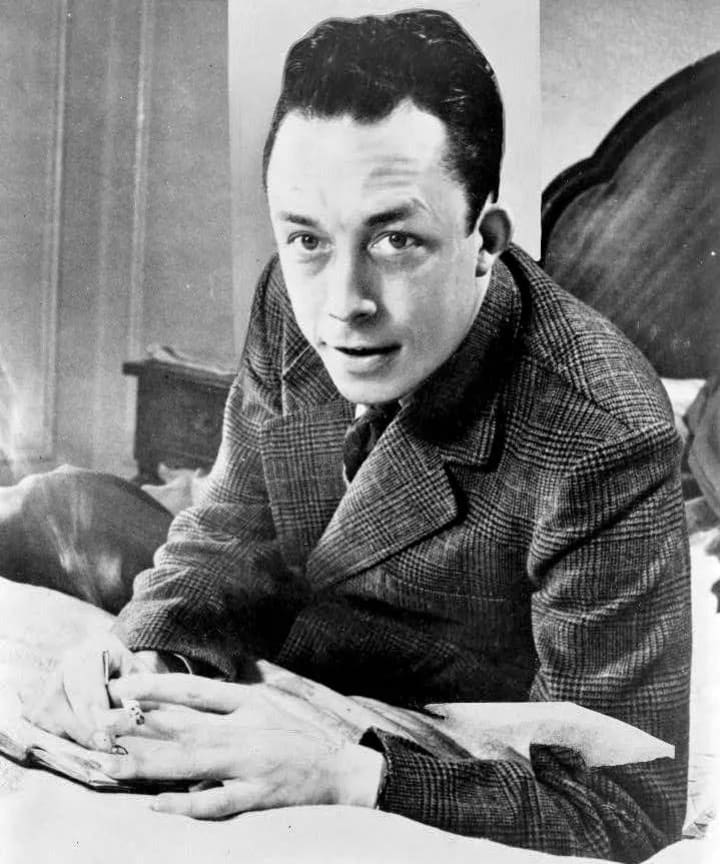
In conclusion, The Stranger by Albert Camus is a literary and philosophical triumph that offers a profound exploration of absurdism, justice, and individual isolation. Through the character of Meursault, Camus presents a compelling narrative that challenges societal norms and delves into the existential realities of human life. The novel’s innovative narrative style, clear prose, and enduring themes contribute to its status as a masterpiece of modern literature.
The Stranger invites readers to confront the uncomfortable truths about existence and to find their own paths to meaning and acceptance. Its continued relevance and impact underscore its significance in the literary canon, affirming Albert Camus' legacy as one of the most important writers and thinkers of the 20th century. As a work that transcends its time, The Stranger remains a powerful and thought-provoking novel that continues to resonate with and challenge readers around the world.
Next Week: London Belongs to Me by Norman Collins
About the Creator
Annie Kapur
I am:
🙋🏽♀️ Annie
📚 Avid Reader
📝 Reviewer and Commentator
🎓 Post-Grad Millennial (M.A)
***
I have:
📖 280K+ reads on Vocal
🫶🏼 Love for reading & research
🦋/X @AnnieWithBooks
***
🏡 UK
Keep reading
More stories from Annie Kapur and writers in Geeks and other communities.
Book Review: "A Green Equinox" by Elizabeth Mavor
I have been led to understand that this book has been reissued and was originally written in the 1970s. It sooner or later went out of print and fell into obscurity with copies going on eBay and other websites for over £100. Fortunately enough for myself, this book was eventually reissued by Virago Modern Classics and I ended up buying it on my Kindle for no more than a few pounds. I feel like the advertisement behind this book misleads people into believing that the book itself is a love affair and a romp rather than a torrid emotional twister. To be perfectly honest, I was quite happy that I was misled because initially, I was not sure whether I'd enjoy it.
By Annie Kapurabout a year ago in Geeks
Silver Screen Magic with Mae West
American actress and singer Mae West became a popular film actress during the Great Depression. She started entertaining in vaudeville, then performed on Broadway, and finally went to Hollywood. She signed up with Paramount Pictures and made her debut in the 1932 film “Night After Night.” She also starred in musicals, comedies, and crime dramas. The American Film Institute named her one of the best classic Hollywood actresses.
By Rasma Raisters10 days ago in Geeks
Intrusive Thoughts Movie Review
Intrusive Thoughts is the kind of psychological film that doesn’t announce its intentions loudly. Instead, it creeps in quietly, mirroring the very phenomenon it explores. Rather than relying on spectacle or overt horror tropes, the movie builds its impact through mood, interior conflict, and an unsettling sense of familiarity. For viewers who have ever experienced unwanted, repetitive thoughts that seem to appear out of nowhere, this film feels uncomfortably close to home.
By David Cook2 days ago in Geeks
Rachel Reviews: The Spiral Archive by Pieter Hendrik
It's difficult for me to know where to start with a review of this book as it was, for me, an entirely unique experience and one that I'll probably never have again. I don't want that to be interpreted as unenjoyable but it has left me scratching my head a little and ruminating on its content, its themes and its characters.
By Rachel Deeming6 days ago in BookClub




Comments (2)
I love this book. The protagonist is that matter of fact it itches!
This was the first Camus novel I ever read (we had read one of the stories in school, and I remembered the name when I was with my mom in a book shop downtown). Thank you for this. I think I may reread a little more of his work this year...