
The Mysterious Disappearance of the Transatlantic Accent
Once the Height of Sophistication, Now a Linguistic Relic
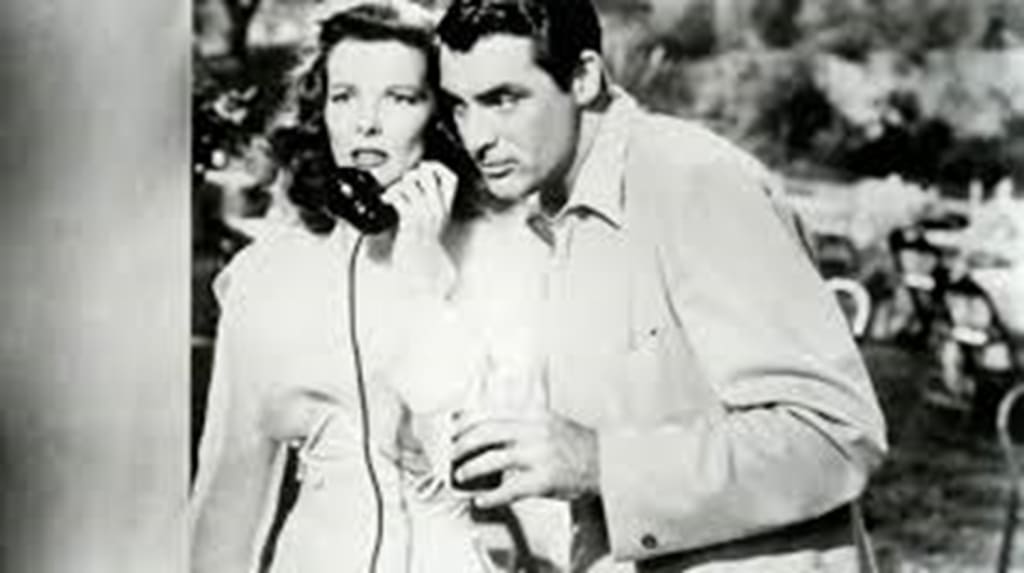
Once upon a time, in the golden age of Hollywood and the polished halls of the upper class, there existed an accent that sounded like a charming hybrid of British aristocracy and American refinement. It was clipped, precise, and entirely unnatural—like someone had put an English lord and a New York socialite in a blender and hit ‘fancy.’ This was the Transatlantic accent, and for a glorious moment, it was the defining sound of prestige and class. And then—poof!—it vanished. What happened?
What Is the Transatlantic Accent?
The Transatlantic (or Mid-Atlantic) accent wasn’t tied to any one region. No child ever naturally picked it up on the playground. Instead, it was an artificial construct, a deliberate choice taught in elite schools and drama classes to give the speaker an air of sophistication. Think Katharine Hepburn’s crisp delivery or Cary Grant’s elegant enunciation—an accent that floated somewhere between London and New York, never quite belonging to either.
This peculiar way of speaking was particularly popular among the wealthy and well-educated in the early 20th century. It was meant to signal refinement, education, and a certain international élan. The accent was all about softening the harsh edges of American English while dodging the excessive grandeur of the Queen’s English. The result? An unmistakable voice that practically oozed old money and afternoon tea.
The Golden Age: When Hollywood Talked Fancy
If you’ve ever watched classic films from the 1930s and ‘40s, you’ve likely encountered the Transatlantic accent in full force. The stars of early Hollywood didn’t just act—they declared their lines, enunciating each word with a deliberate precision that made everything sound a little more dramatic.
Why did Hollywood embrace this accent? Simple: it was seen as neutral. It wasn’t too American (read: unrefined), nor was it too British (read: pretentious). It was the linguistic equivalent of a tuxedo—formal, elegant, and universally impressive.
Even newsreel announcers and radio hosts adopted this grandiose way of speaking. There’s a reason why old-timey broadcasts sound like they’re being narrated by someone who just stepped out of a Broadway production—it was the voice of authority, and it demanded attention.
The Great Vanishing Act
So, if the Transatlantic accent was so prestigious, why did it disappear? The answer lies in a mix of cultural shifts, technological advancements, and, ironically, the desire for authenticity.
The Rise of Naturalism in Acting – By the 1950s, Hollywood was undergoing a transformation. The old-school, theatrical style of acting (complete with the dramatic Mid-Atlantic lilt) was giving way to more natural performances. Enter Marlon Brando, James Dean, and the method actors who made mumbling an art form. Suddenly, sounding like a refined aristocrat felt out of touch with the gritty realism audiences craved.
The Fall of Elitism – The Transatlantic accent was, at its core, a status symbol. As American society became more egalitarian, the obsession with sounding “upper class” started to fade. The post-war era celebrated everyday heroes, not untouchable elites. People wanted their movie stars, politicians, and public figures to sound like them, not like they had been hand-delivered from an English finishing school.
Television and the Regional Takeover – Unlike the carefully curated world of early Hollywood, television brought a much wider variety of accents into American homes. With regional dialects taking center stage, the rigid, formal way of speaking suddenly felt artificial. Viewers preferred the friendly familiarity of Walter Cronkite over the affected tones of the past.
Where Did It Go?
While the Transatlantic accent may have vanished from everyday life, traces of it still exist. You can hear echoes of it in certain public figures who aim for a refined, deliberate speech pattern (looking at you, former newscasters and some East Coast intellectuals). And, of course, it’s still the go-to accent when portraying old-money characters in film—because nothing screams wealth quite like sounding vaguely British for no apparent reason.
Interestingly, some modern-day actors still use elements of the Transatlantic accent for roles where an air of timeless sophistication is required. Think Cate Blanchett as Katharine Hepburn in The Aviator or anyone playing a regal figure in a period drama.
The Final Word: A Lost Art or a Dodged Bullet?
While the Transatlantic accent may have been stylish in its prime, let’s be honest—if someone started talking like that today, we’d assume they were either preparing for a Shakespeare audition or had just escaped from a time machine. But for a brief, glamorous period, it was the sound of success, sophistication, and old-school Hollywood charm. And even though it’s disappeared from common use, its legacy lingers on, immortalized in the black-and-white glow of classic cinema.
About the Creator
Keep reading
More stories from Albert Acromond and writers in Geeks and other communities.
Why Australians Sound Like They’re Always Asking a Question
Why Australians Sound Like They’re Always Asking a Question If you've ever spoken to an Australian and found yourself wondering if they were subtly quizzing you about everything, you're not alone. That melodic rise at the end of their sentences—as though every statement is a casual inquiry—has confused (and amused) English speakers around the world for decades.
By Albert Acromond9 months ago in Geeks
Silver Screen Magic with Mae West
American actress and singer Mae West became a popular film actress during the Great Depression. She started entertaining in vaudeville, then performed on Broadway, and finally went to Hollywood. She signed up with Paramount Pictures and made her debut in the 1932 film “Night After Night.” She also starred in musicals, comedies, and crime dramas. The American Film Institute named her one of the best classic Hollywood actresses.
By Rasma Raisters4 days ago in Geeks
Grant Gustin's Chances Of Returning As The DC Universe's Flash Have Just Increased After New Update
The Flash has yet to be cast for the new DC Universe, and after a new update, the rumors of Grant Gustin's return as Barry Allen in the new franchise have gained strength once again. Gustin made history by playing Barry for The Flash's nine seasons. The actor also starred in multiple Arrowverse crossovers, becoming one of the franchise's fan-favorites.
By Dena Falken Esq2 days ago in Geeks



Comments
There are no comments for this story
Be the first to respond and start the conversation.