
The Lion, the Witch and the Wardrobe by C.S Lewis
Why It's a Masterpiece (Week 18)

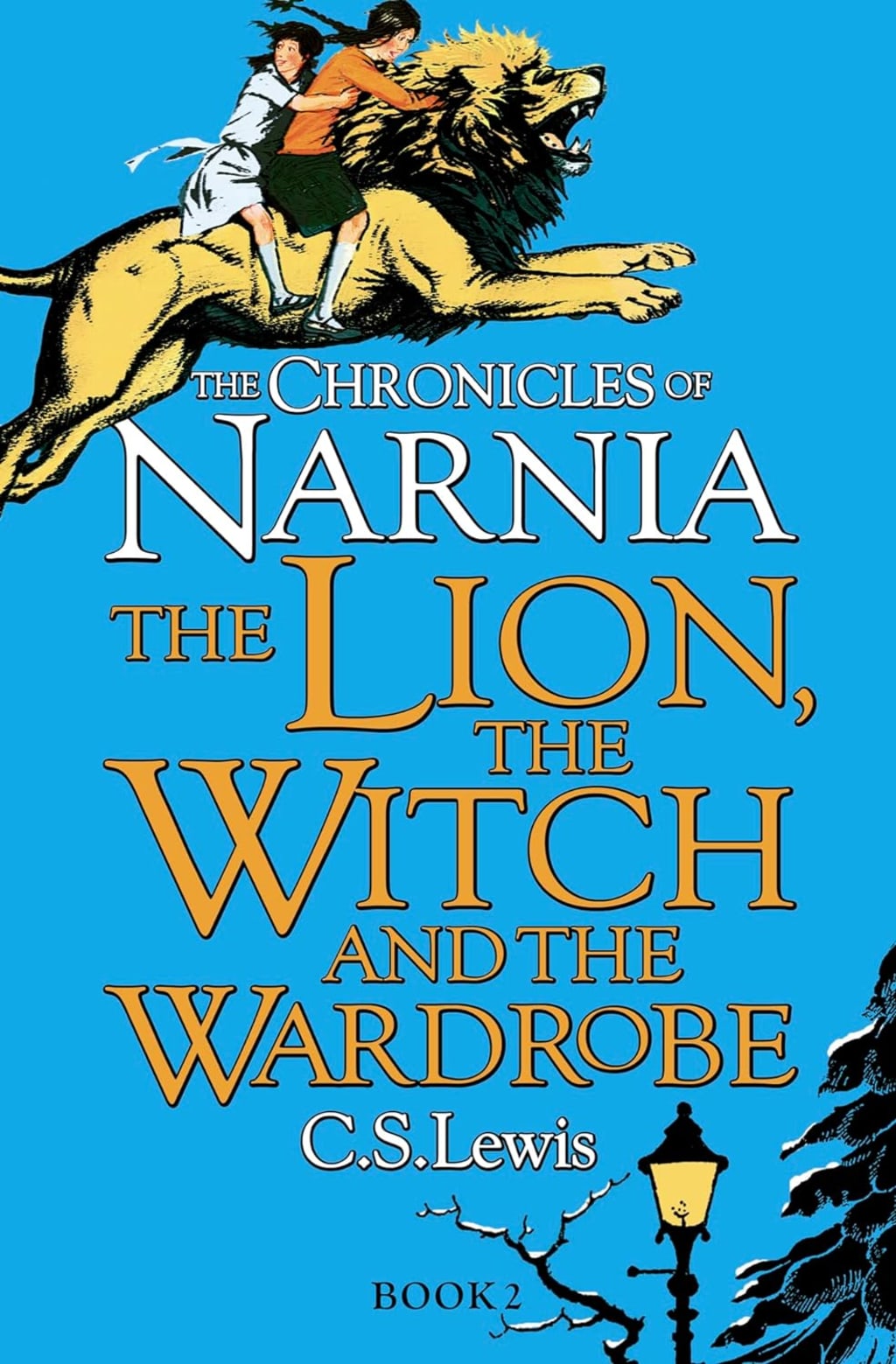
Published on the 16th of October, 1950, ‘The Lion, the Witch and the Wardrobe’ was written by CS Lewis and illustrated by Pauline Baynes who would also illustrate for JRR Tolkien. The first of the series to be written but noted as the second in the series, this book is the most library-held novel by the author and has since become a staple children’s classic, still studied in many schools today (I should know, I continue to teach it).
Set against the backdrop of World War 2, it deals with the evacuation of the children and separation from their parents, allowing them to explore the realm of Narnia on their own, building their own identities and personalities and growing in the state of the wardrobe, returning to the real world to still be children with no time passing. A story about resilience against evil, it was probably needed after the recently concluding war. A tale of hope for children everywhere.
Plot
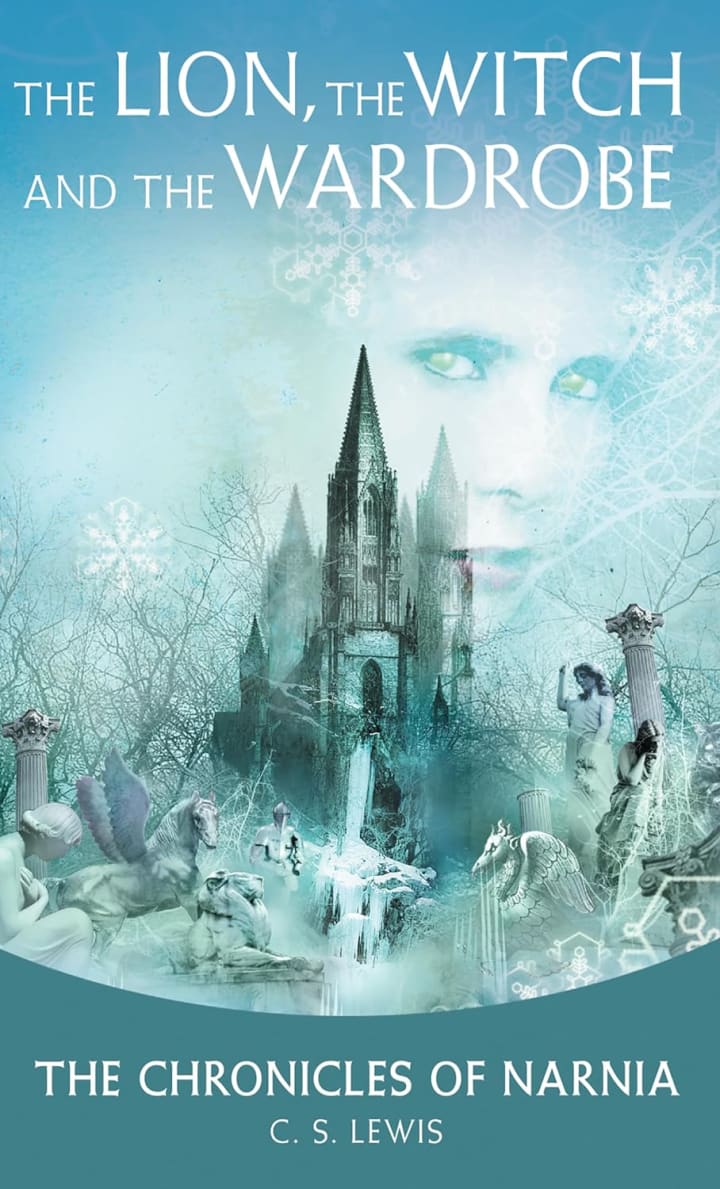
The novel begins with the Pevensie siblings and how they have been sent to lie in the country during the war. Lucy discovers a magical wardrobe in which she enters a strange snowy world called Narnia. Meeting Mr Tumnus, a faun who reveals that humans are not welcome in Narnia due to the Witch’s oppressive regime over the land. He regrets that he had the intent to capture her and take her to the witch and asks Lucy to leave straight away.
When she returns, her siblings don’t believe her and yet, Edmund follows her when she re-enters the forest. Unfortunately, he is driven to the witch and is convinced to betray his siblings to her, influenced by the Witch’s enchantingly delicious Turkish Delight.
After relentless teasing of Lucy and concern from her siblings, they all enter the wardrobe and find that Lucy was telling the truth - they also get taught about the prophecy surrounding their role in Narnia and the way they will help defeat the Witch’s tyranny. But first, they must find a lion named Aslan in order to get him to help them as he is the rightful ruler of Narnia. They hope he will guide them in their battle against the Witch.
During the battle, Aslan sacrifices himself to save Edmund, adhering to one of the old magical laws in the universe. He is killed in front of Susan and Lucy and yet, he rises from the dead as a symbol of redemption for Edmund as he finally and fully defects entirely to his siblings body and soul. The battle goes on, and on until there is no more to battle and the Witch is defeated.
The siblings are then knighted and told that they will have a home in Narnia for years to come, congratulated for winning the battle, the snows melt and the constant winter reveals a grand natural scene of sunlight and greenery. But eventually, the siblings have to return to the real world where they return to being children and no time has passed at all.
But the professor who owns the house where the wardrobe lies convinces the children that they will return to Narnia again.
Into the Book
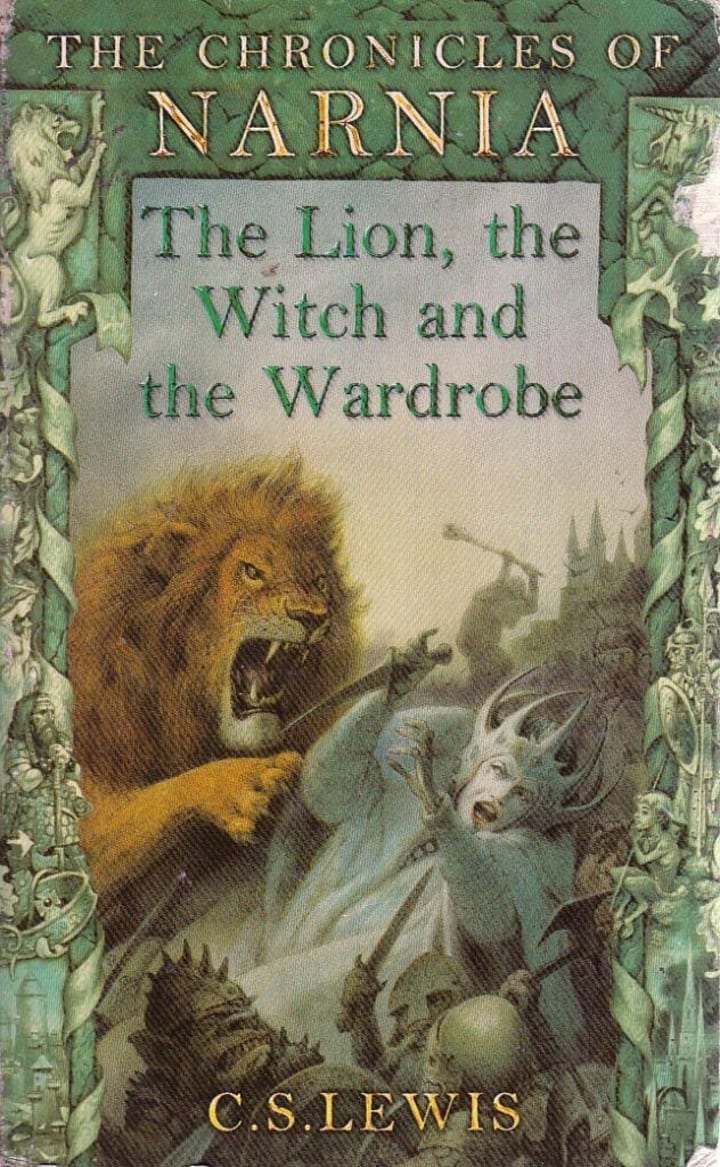
There are many great themes, motifs and symbols in this book and the first symbol and probably the most obvious one is the symbol of Aslan as a character who represents different things. CS Lewis creates Aslan to be like a Christ figure to make the allegory more accessible to children, allowing them to make the association of Aslan to a good character who sacrifices himself for others without the complexities of human nature to deal with as well. The resurrection of Aslan presents the same story as that of Jesus Christ and so, parallels can be drawn easily for children who may want to investigate the allegory.
Aslan also presents to be a warm and friendly creature whilst also presenting majesty and thus, is the symbol of a just ruler, much like the figure of King Duncan in ‘Macbeth’. The qualities of the ‘just’ ruler is presented as someone who rewards achievements and so, when the siblings defeat the Witch, they are rewarded for it, even the one who initially defected from his siblings and sold their safety away. His compassion and forgiveness make him an empathetic figure with qualities that children would understand are good in a king.
“Wrong will be right, when Aslan comes in sight,
At the sound of his roar, sorrows will be no more,
When he bares his teeth, winter meets its death,
And when he shakes his mane, we shall have spring again.”
- The Lion, the Witch and the Wardrobe by C.S Lewis
Another symbol I want to mention is perhaps a lesser known one and that is: the sea. In many novels the sea is both a comfort and a danger, it is a boundary and a prison and yet, in ‘The Lion, the Witch and the Wardrobe’ it represents this and so much more. C.S Lewis has done a great job of working in some essential characteristics of the ocean into the story whilst also maintaining a mystique and understanding that the human being, the lion, the magical creature, could never be as powerful as the rage of the sea.
First of all, it is a symbolic boundary in which Narnia, the Earth and Aslan’s country are separated physically as an understanding of how they are separated by tradition. The difference between the physical and spiritual realms are therefore well established even before we understand how they intervene with each other in the narrative.
We then have the idea of the Emperor-Over-the-Sea who is an unseen character and is also Aslan’s father. He of course, symbolises God - but the sea is the boundary between the real world and the heavens and though the heavens are unattainable, they are still there nonetheless and they are understood to be there. There is simply no question about it. But its influence over the real world is clear - it is highly influential. This could tell us something about the society the creatures live in together in Narnia if it is so influenced by the Emperor-Over-the-Sea.
“To the glistening eastern sea, I give you Queen Lucy the Valiant. To the great western woods, King Edmund the Just. To the radiant southern sun, Queen Susan the Gentle. And to the clear northern skies, I give you King Peter the Magnificent. Once a king or queen of Narnia, always a king or queen of Narnia. May your wisdom grace us until the stars rain down from the heavens.”
- The Lion, the Witch and the Wardrobe by C.S Lewis
Finally, there is the motif of the seasons changing, which is visible through the enchantment of the land and also through the transformation back to the ‘good’ and ‘rightful’ land which belongs to Aslan. The grim reality of living under the oppressive regimes of dictators cannot be understood by children and so, C.S Lewis writes this as a constant winter. Associating evil with a constant winter is something folklorish but is also a great way of having the young understand how bad it must be in Narnia if everything is always cold and covered with snow. The spring that follows at the end of the novel is a direct contrast to this. A representation of good and a transformation back to things that are meant to be.
“The castle of Cair Paravel on its little hill towered up above them; before them were the sands, with rocks and little pools of salt water, and seaweed, and the smell of the sea and long miles of bluish-green waves breaking for ever and ever on the beach. And oh, the cry of the seagulls! Have you ever heard it? Can you remember?”
- The Lion, the Witch and the Wardrobe by C.S Lewis
Why It’s a Masterpiece
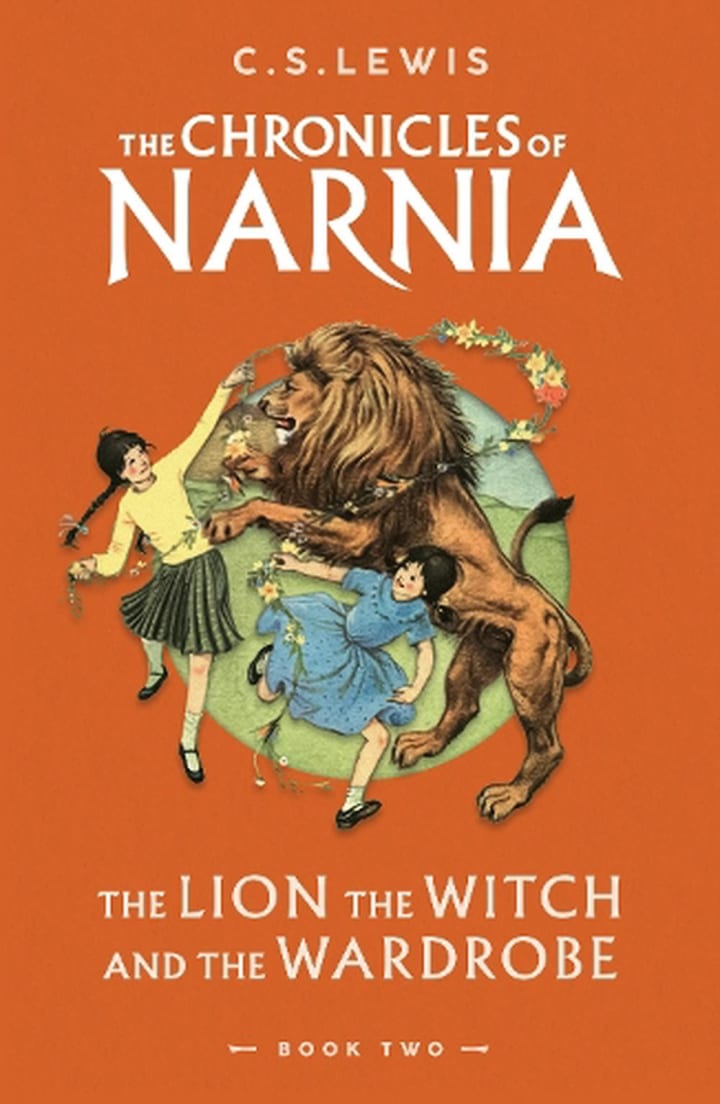
C.S Lewis dedicated this book to his goddaughter. Lucy Barfield and in the BBC’s The Big Read Poll, the novel ranked as number nine on the list in 2003 of the books you should be reading. In Time Magazine the novel was included in the 100 Best Young Adult Novels of All Time as well as its 100 Best English Language Novels published since 1923. Since its publication, it has been made into films and is currently being worked as a series directed by Greta Gerwig.
I first read this book when I was about eight or nine years old and it was quite possibly one of the best reading experience I had ever experienced up to that point. It was about the same time that me and my mother were reading ‘Northern Lights’ by Philip Pullman together and we would go on to read the rest of the series. Personally, my favourite book in the series of ‘The Chronicles of Narnia’ is ‘The Magician’s Nephew’ but objectively, we know ‘The Lion, the Witch and the Wardrobe’ is more famous for its output and influence as a children’s fantasy novel.
Conclusion
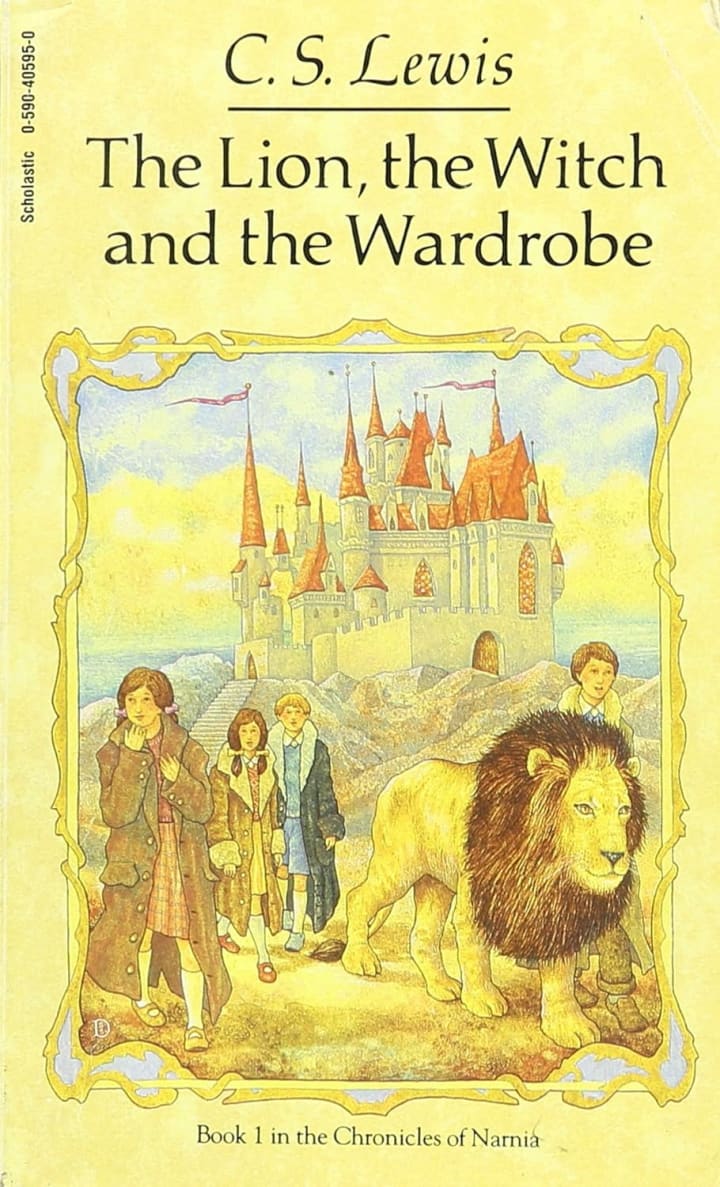
I am glad we had this discussion about C.S Lewis’s magnum opus ‘The Lion, the Witch and the Wardrobe’. It is a beautifully wonderful novel with tons of adventure and lots of intense moments which only proves that it is alright for children to read more widely into themes that seem grown up. Matters about good and evil, wrong and right and the way in which we understand how to do the right thing in a time of intensity are sometimes good for children to read about when they are written well for kids. However, it is a great novel for any age group - a wondrous achievement of modern literature.
Next Week: All Quiet on the Western Front by Erich Maria Remarque
About the Creator
Annie Kapur
I am:
🙋🏽♀️ Annie
📚 Avid Reader
📝 Reviewer and Commentator
🎓 Post-Grad Millennial (M.A)
***
I have:
📖 280K+ reads on Vocal
🫶🏼 Love for reading & research
🦋/X @AnnieWithBooks
***
🏡 UK
Keep reading
More stories from Annie Kapur and writers in Geeks and other communities.
Book Review: "Selected Letters" by John Keats
"Tis the most difficult thing in the world to me to write a letter. My stomach continues so bad, that I feel it worse on opening any book – yet I am much better than I was in Quarantine. Then I am afraid to encounter the proing and conning of any thing interesting to me in England. I have an habitual feeling of my real life having past, and that I am leading a posthumous existence"
By Annie Kapur2 years ago in Geeks
Silver Screen Magic with Mae West
American actress and singer Mae West became a popular film actress during the Great Depression. She started entertaining in vaudeville, then performed on Broadway, and finally went to Hollywood. She signed up with Paramount Pictures and made her debut in the 1932 film “Night After Night.” She also starred in musicals, comedies, and crime dramas. The American Film Institute named her one of the best classic Hollywood actresses.
By Rasma Raisters7 days ago in Geeks
Jeff Bezos’ ex‑wife MacKenzie Scott who sold half of her Amazon stake to donate may have sent millions to organisations under FBI investigation
Amazon founder Jeff Bezos’ ex‑wife MacKenzie Scott recently cut down her stake at the company by nearly 50% to donate to charities. A report claims that the billionaire philanthropist donated millions of dollars to a funding network that supports organisations now facing FBI and congressional investigations over alleged ties to Hamas. In 2025, Scott reportedly donated $5 million, and in 2021, $10 million, to the Solidaire Network through her charity, Yield Giving. The network describes itself as connecting social movements with donors to build systems based on love and justice.
By Dena Falken Esq2 days ago in Geeks
Rachel Reviews: The Spiral Archive by Pieter Hendrik
It's difficult for me to know where to start with a review of this book as it was, for me, an entirely unique experience and one that I'll probably never have again. I don't want that to be interpreted as unenjoyable but it has left me scratching my head a little and ruminating on its content, its themes and its characters.
By Rachel Deeming3 days ago in BookClub


Comments (2)
Love love LOVE this book. Such a classic.
I have to reread this! I read it at a very young age, and the only thing I took from it was that there was a snack called Turkish Delight and that it is cool to have a wardrobe to another world. Thank you for this. I am not going to have wi-fi until Tuesday, so I may not be on here over the next few days (moving is stressing me out). But I want to read your thoughts on Remarque's best work!