
The Impact of World War on Vintage Fashion Trends
How World War I and II Shaped Fashion and Set the Stage for Timeless Vintage Styles
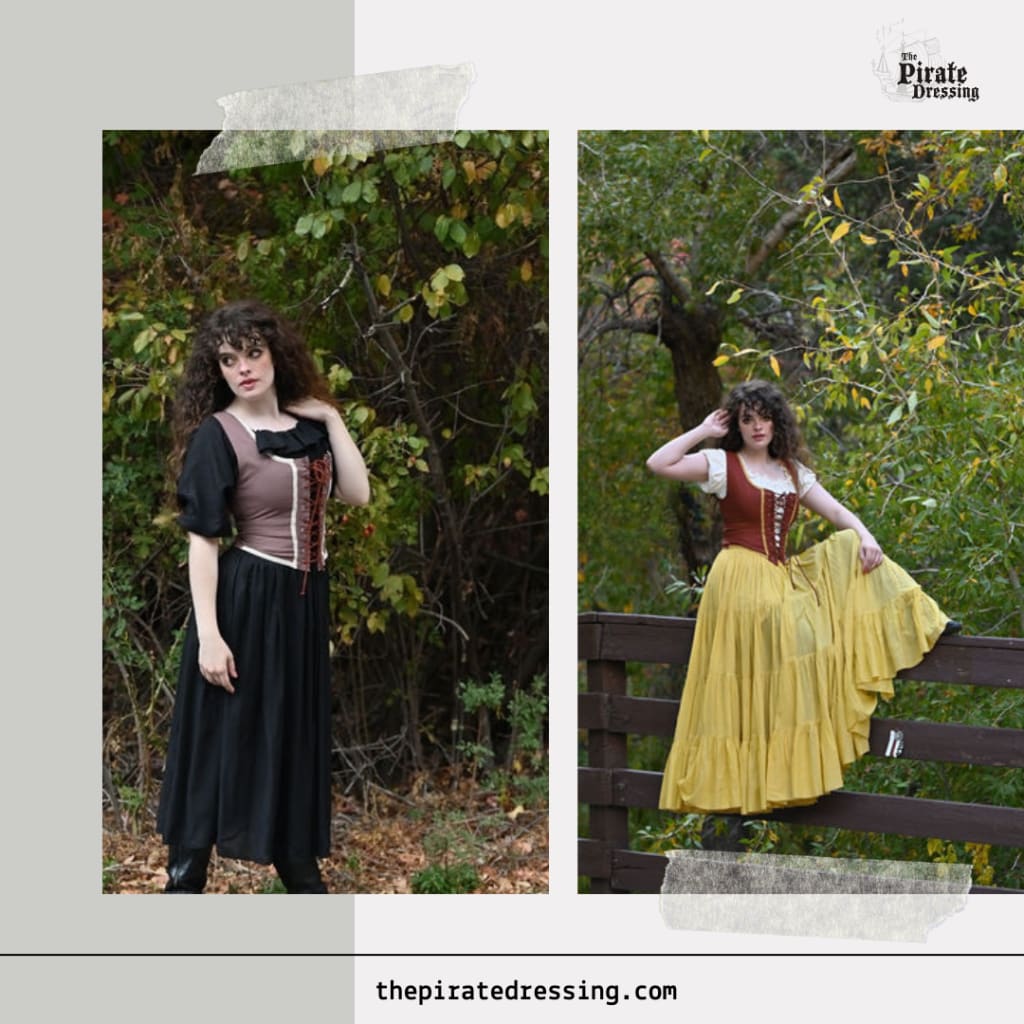
World War I and II were not just pivotal moments in history for political and social change—they also played a significant role in shaping fashion trends that still influence vintage fashion today. From utilitarian clothing to the rise of more feminine silhouettes, the wars forced both men and women to adapt their styles based on economic restrictions, fabric shortages, and the need for practical, comfortable attire. This blog will delve into the lasting impact that these world events had on vintage fashion trends, with a focus on how creativity and resilience in the face of hardship transformed style.
The War's Influence on Women's Fashion
Before the wars, fashion was largely about glamour. Women’s clothing was lavish, with intricate details, multiple layers, and plenty of accessories. However, World War I (1914-1918) brought about significant shifts in what was deemed acceptable or practical to wear. Many women had to step into roles traditionally held by men, working in factories, offices, and hospitals, which required attire that was comfortable and suitable for physical labor. The so-called "Make Do and Mend" mentality started to take over, resulting in simpler designs and the rise of more practical clothing.
During the interwar years, as women sought freedom and independence, fashion evolved. The 1920s saw the rise of the flapper style, with loose, straight-cut dresses, bobbed hair, and shorter skirts—reflecting a sense of liberation and rebellion against the rigid norms of the past. These styles were a direct response to the shifting role of women in society during and after the war, paving the way for more relaxed yet fashionable looks.
However, the biggest fashion shift came during World War II (1939-1945), when clothing production was severely restricted due to rationing. Dresses and suits were simplified further, and the use of extravagant fabrics, such as silk, was minimized. Military-inspired styles became ubiquitous, as the military uniform influenced everyday fashion. Women’s wardrobes saw the introduction of utilitarian designs—shorter skirts, trousers, and the classic "Rosie the Riveter" look. The practical nature of this fashion became ingrained into the psyche, influencing post-war styles for decades.
The Influence of Men’s Fashion During Wartime
Men's fashion during the world wars also underwent a transformation, particularly during World War I. Military uniforms became iconic, not only for their function but for their stylish design. The trench coat, which became a hallmark of military fashion, later became a staple in men's vintage wardrobes. Suits, which had previously been characterized by their formality, were also altered. During and after the wars, a more relaxed, looser silhouette emerged, symbolizing the sense of freedom that followed the conflict.
The influence of wartime uniforms extended into everyday menswear, with items like leather bomber jackets, wide-lapelled suits, and woolen knits becoming essential wardrobe pieces. These items reflected a new utilitarian approach to style, where function and practicality were just as important as aesthetics. Men's fashion in the post-war period also saw the rise of casual styles, which were slowly embraced in the 1950s as part of the larger cultural shift toward informality in society.
How Fabric Shortages Shaped Fashion Trends
One of the most significant effects the World Wars had on fashion was fabric shortages. During World War I and II, textiles such as silk, cotton, and wool were often diverted to the war effort, meaning that these fabrics were not available for civilian clothing. Designers had to get creative with available materials, leading to innovative textile uses and alternative fabrics. For example, rayon, a synthetic fiber, became popular as an affordable alternative to silk during World War II.
This scarcity led to more resourceful approaches in the design of vintage fashion. Dresses became shorter, with fewer pleats and ruffles, and the overall style became more minimalistic to conserve fabric. The use of draping and simple cuts became a hallmark of vintage fashion during and after the wars. Women began to wear more mix-and-match clothing, using smaller amounts of fabric in innovative ways.
In the years following the wars, while fabric availability returned to normal, many of these practical, more streamlined designs stuck around, influencing trends through the 1940s and 1950s. The emphasis on simplicity in design persisted, alongside the desire for clothing that was both stylish and functional.
The Enduring Legacy of Wartime Fashion
The effects of World War I and II on fashion are still evident in vintage clothing trends today. Many of the most iconic vintage styles—such as trench coats, bomber jackets, and feminine dresses—emerged during this turbulent time. These designs and their utility have remained relevant, frequently referenced in contemporary fashion collections and thrift finds.
Vintage fashion enthusiasts and collectors continue to be drawn to the aesthetics of the 1940s and 1950s, which blend practicality with timeless elegance. Whether it’s the sleek lines of a post-war dress or the rugged charm of a military-inspired jacket, these items carry a sense of history and resilience that continues to captivate modern audiences.
Shop Timeless Vintage Styles at The Pirate Dressing
If you're looking to explore the timeless beauty of vintage fashion, The Pirate Dressing offers a wide range of vintage-inspired clothing that pays homage to the elegance and creativity of the past. Our collection is designed to bring the spirit of historical fashion into modern wardrobes with a unique twist. Visit our website to discover our full range of vintage-inspired outfits, or shop directly on Amazon for easy and convenient shopping.
Visit The Pirate Dressing Website
Shop Now on Amazon
About the Creator
Keep reading
More stories from Aditya Agarwal and writers in Geeks and other communities.
The Evolution of Pirate Fashion
The allure of pirate fashion has captivated imaginations for centuries. These daring sea rogues are not only known for their adventurous spirits but also for their unique clothing styles that have evolved from mere functionality to legendary symbols of rebellion and freedom. In this exploration, we’ll unravel the fascinating journey of pirate attire, highlighting its roots, cultural influences, and lasting impact on modern fashion.
By Aditya Agarwalabout a year ago in Geeks
Silver Screen Magic with Mae West
American actress and singer Mae West became a popular film actress during the Great Depression. She started entertaining in vaudeville, then performed on Broadway, and finally went to Hollywood. She signed up with Paramount Pictures and made her debut in the 1932 film “Night After Night.” She also starred in musicals, comedies, and crime dramas. The American Film Institute named her one of the best classic Hollywood actresses.
By Rasma Raisters6 days ago in Geeks



Comments
There are no comments for this story
Be the first to respond and start the conversation.