
The fast funding of Code8—filmmakers, take note
They set the goal for $200,000, and, when the funding closed on April 22nd, the cousins had raised over 1.7 million dollars.

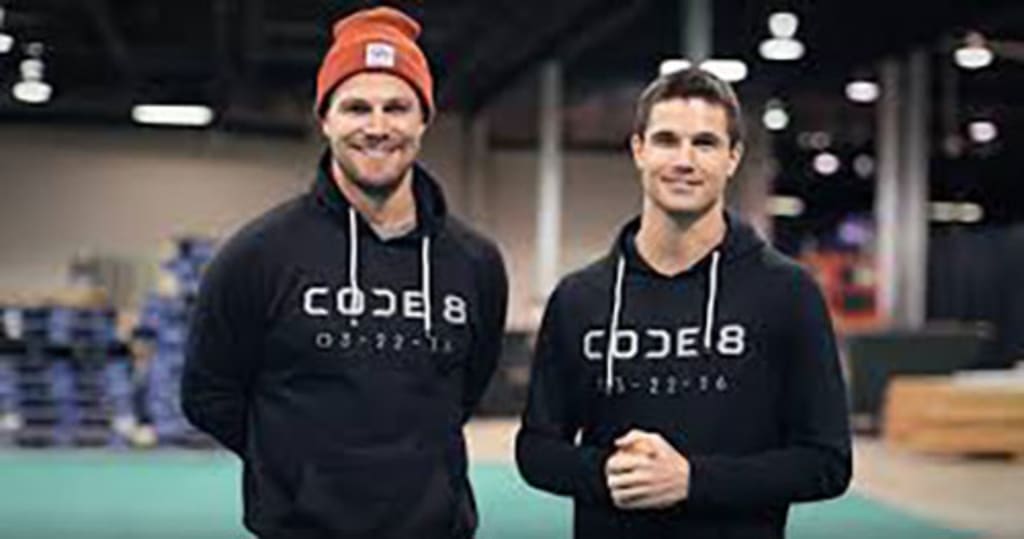
On March 22, 2016, Robbie Amell (The Tomorrow People and Flash) and Stephen Amell (Arrow) launched an Indiegogo campaign to raise funds for their upcoming movie, Code8. They set the goal for $200,000, and, when the funding closed on April 22nd, the cousins had raised over 1.7 million dollars. Not bad for a project fans knew little about until the day of launch. Variety reported that
Indiegogo asserted that “Code 8” is the highest-crowdfunded film of 2016 on any platform.
It funded fast for a number of reasons, one of which was the ten minute short film which starred Robbie Amell. If you haven't seen it, you won't regret the ten minutes it takes to watch it.
The perks Robbie and Stephen provided also encouraged dedicated fans to part with hard-earned dollars, myself included. If you're a fan, it's difficult to pass up signed items and/or chances to meet the stars who bring your favorite tv shows to life.
In addition, Robbie and Stephen kept the backers up to date with live videos, updates to the Indiegogo project page, and included specialty prizes as the campaign came to an end.
Overall, I believe the reason Code8 funded so quickly was because of Robbie and Stephen, their dedication to the project, and their interaction with the fans. Their excitement was intoxicating, and because of that, I cannot wait to see this movie when it releases in 2017! The short film says more than I ever could!
About the Creator
Rachel Carrington
I write a little bit of everything because I love to write. 53 novels. Over 2,500 articles. Essays. Short Stories. Book Reviews. Movie Reviews. And more. You can find a lot of that stuff here. rachelcarrington.com. X: @rcarrington2004
Keep reading
More stories from Rachel Carrington and writers in Geeks and other communities.
When Will 'Arrow' Finally Do Captain Lance's Character Justice?
We've all seen how much potential Paul Blackthorne (Captain Lance) has in Arrow. He nails every scene he has. Even during the time of the series when I didn't like his character, I liked that he made me not like him. Only a really good actor can make you feel that way.
By Rachel Carrington8 years ago in Geeks
The Politics of Playing Dress-Up
Well, to start off I'd like to say a happy world book day to all who celebrate. I know I haven't really posted anything on my socials about it but I'm not a jubilant kind of person. I lay low most of the time. Let's start off with a popular anecdote from the vaults...
By Annie Kapur5 days ago in Geeks
Silver Screen Magic with Marilyn Monroe
Norma Jeane Mortenson became Marilyn Monroe and an iconic actress in Hollywood. She is most known for her “blonde bombshell” roles onscreen during the Golden Age of Hollywood and showed everyone she could also act and sing and be versatile onscreen.
By Rasma Raisters5 days ago in Geeks



Comments
There are no comments for this story
Be the first to respond and start the conversation.