
The Evolution of Superhero Movies: Why They Keep Breaking Box Office Records

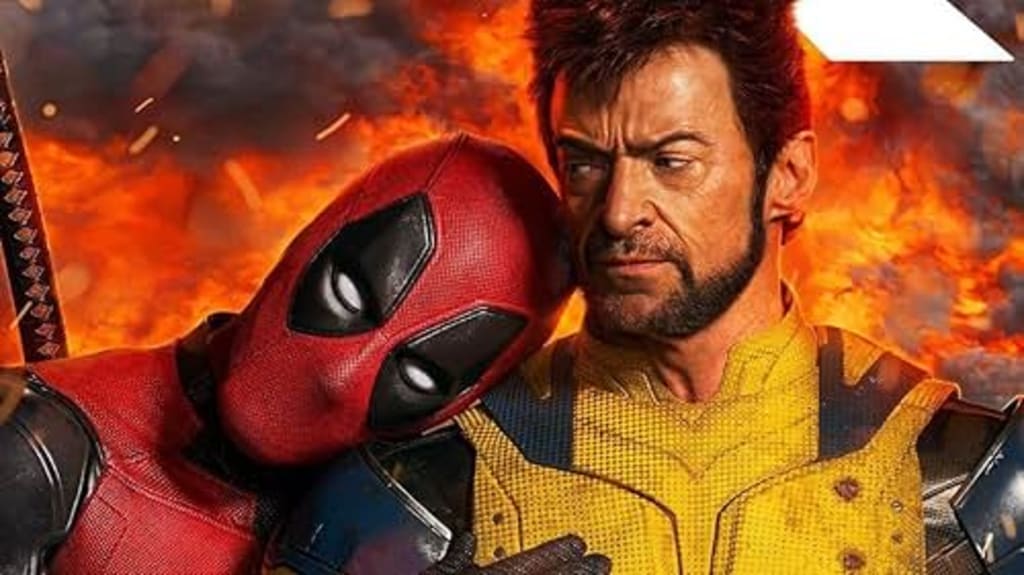
Superhero movies have become the crown jewels of Hollywood, dominating box offices year after year. From Marvel’s record-shattering cinematic universe to DC’s dark and gritty reboots, these films consistently pull in billions worldwide. But what makes superhero movies so unstoppable? How did they evolve from niche entertainment to a global phenomenon that audiences can't get enough of? Let’s dive into the fascinating evolution of superhero films and uncover the secrets behind their box office dominance.
The Rise of Superheroes: A Brief History
Superhero movies weren’t always the cultural juggernauts they are today. In the 1970s and 1980s, films like Superman: The Movie and Tim Burton’s Batman laid the groundwork for the genre, but they were exceptions in an industry that didn’t fully embrace comic book adaptations.
The 1990s brought a mix of hits (Blade, X-Men) and flops (Batman & Robin), reflecting Hollywood's struggle to balance comic book fantasy with mainstream appeal. However, the early 2000s marked a turning point. With Sam Raimi’s Spider-Man and Christopher Nolan’s The Dark Knight trilogy, superhero movies began blending relatable characters with spectacular action, attracting both comic fans and general audiences.
But the real game-changer arrived in 2008 when Marvel Studios launched the Marvel Cinematic Universe (MCU) with Iron Man. By connecting standalone movies into a shared universe, Marvel introduced a new storytelling formula that revolutionized the industry.
Why Superhero Movies Keep Smashing Box Office Records
1. The Power of Universes and Franchises
One of the biggest reasons superhero movies dominate the box office is their interconnected storytelling. The MCU, with its sprawling narrative arcs, has kept fans invested for over a decade. Each film isn’t just a standalone event but part of a larger puzzle, encouraging audiences to keep coming back to theaters.
Other studios have tried to replicate this success. DC’s Extended Universe and Sony’s Spider-Verse, while facing challenges, have also benefited from the “universe-building” approach. This strategy turns movies into must-see events, as fans don’t want to miss key moments in the overarching story.
2. Relatable Heroes, Extraordinary Worlds
Despite their superhuman abilities, today’s superheroes feel surprisingly human. Films like Black Panther, Wonder Woman, and Spider-Man: No Way Home showcase characters dealing with relatable struggles—identity, loss, and responsibility. This emotional depth resonates with audiences, making the characters more than just icons in costumes.
At the same time, superhero movies deliver on spectacle, immersing viewers in visually stunning worlds filled with larger-than-life action. The combination of emotional storytelling and breathtaking visuals creates a cinematic experience that feels both personal and epic.
3. Diversity and Representation
Modern superhero movies have embraced diversity, giving audiences heroes that reflect their own identities and experiences. Films like Black Panther and Shang-Chi and the Legend of the Ten Rings broke new ground by celebrating cultures often underrepresented in Hollywood, drawing massive support from global audiences.
This push for inclusion has made superhero films more relevant than ever, appealing to a broader range of viewers and fostering deep cultural impact.
4. The Power of Fandoms and Hype
Superhero movies thrive on the enthusiasm of their fanbases. Studios harness this energy through viral marketing campaigns, Comic-Con reveals, and teaser trailers that spark endless speculation online. Platforms like Twitter and TikTok amplify the hype, turning each release into a cultural event.
Moreover, nostalgia plays a significant role. Films like Spider-Man: No Way Home and The Flash tap into fans’ love for older franchises, reintroducing beloved characters and actors in fresh ways. This nostalgia-driven strategy often guarantees massive opening weekends.
5. Global Appeal
Superhero movies transcend language and cultural barriers, making them perfect for international markets. With universal themes like good versus evil, hope, and sacrifice, these films resonate with audiences worldwide. Franchises like the MCU are carefully tailored to appeal to diverse markets, ensuring success across continents.
The Future of Superhero Movies: Can They Keep Winning?
As the genre continues to evolve, questions arise about its sustainability. Will audiences tire of superhero fatigue? Will new genres rise to challenge their dominance?
The answer likely lies in innovation. Filmmakers are experimenting with tone, style, and storytelling. Projects like Joker, which took a darker, character-driven approach, and The Boys on streaming platforms, which deconstruct superhero tropes, suggest that there’s plenty of room for growth.
Moreover, the integration of advanced technology like AI and virtual reality could redefine the superhero movie experience, keeping audiences engaged for years to come.
Why We Keep Watching
At its core, the enduring appeal of superhero movies lies in their ability to inspire. They remind us of the extraordinary potential within us, offering hope and escapism in an increasingly complex world. Whether through a young Peter Parker learning responsibility or Wakanda’s vision of a better future, these stories connect us to something bigger than ourselves.
Superhero movies aren’t just box office hits—they’re cultural touchstones that continue to shape and reflect our collective imagination. As long as audiences seek inspiration, wonder, and the triumph of good over evil, superheroes will continue to soar.
About the Creator
Amanda Goodwin
Curiosity fuels my writing,I bring you stories that spark thought,and inspiration..whether it's unraveling mysteries,scandalous true stories,my content is designed to keep you engaged....https://buy.stripe.com/3cs7vC9z151Q97GaEE
Keep reading
More stories from Amanda Goodwin and writers in Geeks and other communities.
The Secret to a Happy Relationship No One Talks About: Unlocking True Connection
In the digital age, where relationship advice is as common as morning coffee, it’s easy to overlook the true essence of a happy partnership. Social media feeds us picture-perfect moments, viral trends promise quick fixes, and self-help books offer step-by-step guides to everlasting love. Yet, there’s one secret to a thriving relationship that rarely gets the spotlight — and it’s not what you think.
By Amanda Goodwinabout a year ago in Longevity
Silver Screen Magic with Mae West
American actress and singer Mae West became a popular film actress during the Great Depression. She started entertaining in vaudeville, then performed on Broadway, and finally went to Hollywood. She signed up with Paramount Pictures and made her debut in the 1932 film “Night After Night.” She also starred in musicals, comedies, and crime dramas. The American Film Institute named her one of the best classic Hollywood actresses.
By Rasma Raisters7 days ago in Geeks
Reed Richards And Doctor Doom's Longtime Feud, Explained
American superhero comics are filled with unending rivalries between do-gooders and evil-doers. Few are more enduring and epic than the feud shared by Mister Fantastic/Reed Richards, leader of the Fantastic Four, and his nemesis, the tin-plated tyrant Doctor Victor von Doom.
By Dena Falken Esq7 days ago in Geeks




Comments
There are no comments for this story
Be the first to respond and start the conversation.