
Ten Years Later: Making My Truce with the Star Wars Sequels
Truce or truth? Sometimes, they can be the same thing.

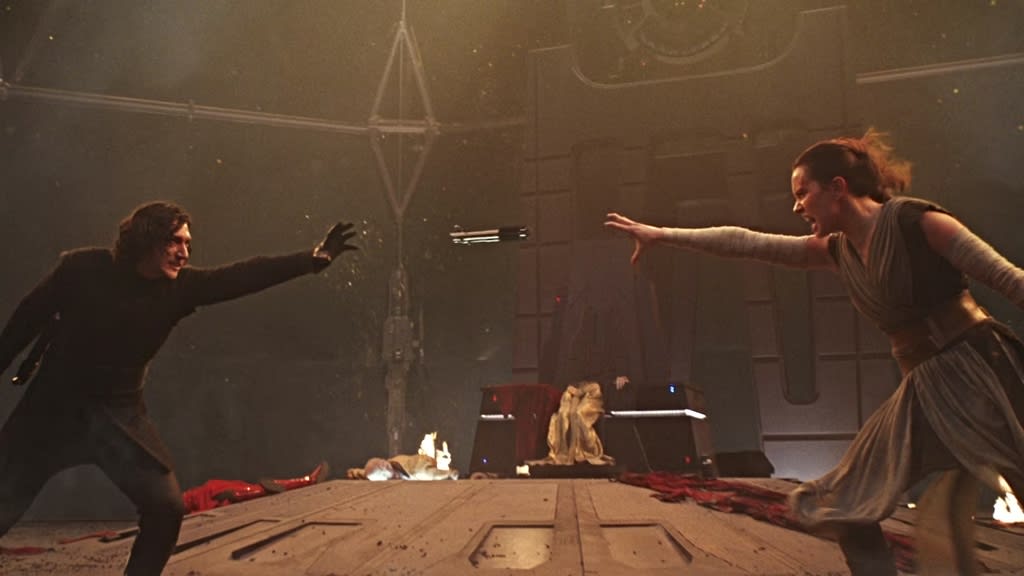
Despite having written endlessly on this page about all things Star Wars, I’ve never really felt compelled to dive into the sequel trilogy. Not because I consider them an abomination that should be scrubbed from the annals of history, nor because I harbor some burning hatred for them. It’s simpler than that. I watched them when they came out, felt they didn’t come together into the kind of experience I expect from the Star Wars universe, and quietly moved on. There was never this urge to vent or dissect them.
Now, I suppose there are two reasons for that. Firstly, from the original six-film saga to The Clone Wars, The Mandalorian, Andor, and many more — there’s just so much Star Wars I genuinely enjoy. So, why waste emotional energy on the parts I don’t feel strongly about?
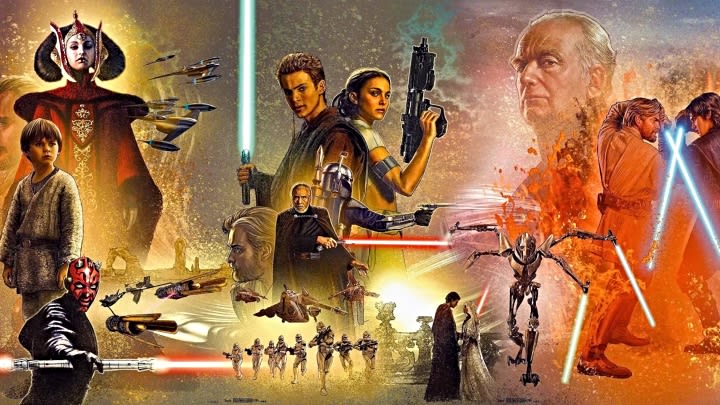
Secondly, I remember being a prequel fan during the early YouTube era, when the discourse was disproportionately hostile towards those films and anyone, who liked them. So, I think I subconsciously didn’t want to make someone, who loves the sequels, feel the way many prequel fans once did. And, since most of what I would have said about the sequels was negative, I simply chose not to say anything at all. I made my peace with them the moment I accepted they just weren’t my Star Wars.
However—maybe it’s the holiday season, or maybe it’s the surreal realization that The Force Awakens is now a decade old — but I’ve found warm memories resurfacing. The buildup. The excitement. The discussions with friends and family. Going to the cinema together, even as each subsequent film left me more lukewarm. Remembering all this, I realized something: I do want to talk about them. I want to be honest about why this trilogy didn’t work for me, acknowledge what I genuinely liked, reflect on why it never formed something cohesive, and ultimately decide where these films sit in the Jedi archives of my mind.
So… let’s go for it.
Why They Didn’t Come Together for Me
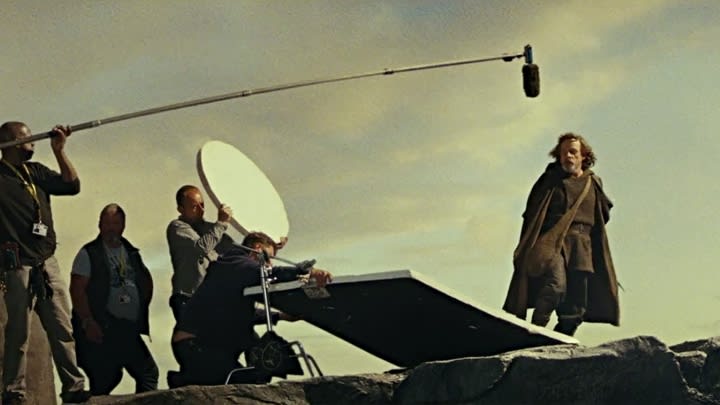
Getting straight to the point: while the sequels certainly had their fair share of filmmaking, storytelling, and technical flaws, that’s not the core of why they failed to come together as a whole for me. The real problem is the vision.
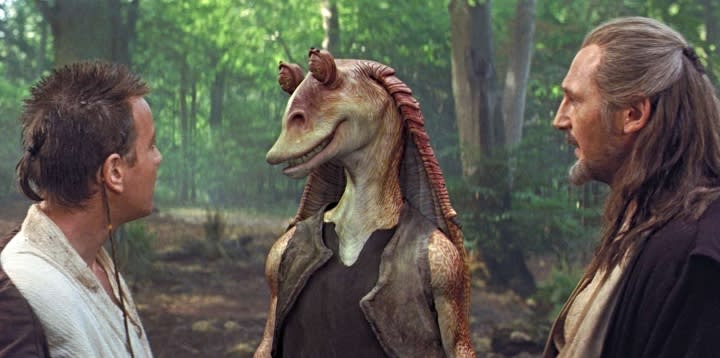
Simply put, I don’t need my Star Wars to be technically flawless. Hell, I’m part of the generation that happily looks past lines like “I don’t like sand,” chuckles at them fondly, and instead focuses on the rich Greek-tragedy space opera vibe, the world-building, cast of characters, and the themes and the ambition of the prequels. The generation that looked at Jar Jar and went: “Sure, he’s slightly annoying, but Ahmed Best played him with heart, and there’s some depth if you actually look underneath.”
So no — I don’t need Star Wars to be technically perfect. I just need it to have a vision that is consistent and true to the core of this ever-expanding universe. And, whether you like them or not, the sequels simply didn’t have what the preceding six films had.
They felt like a project shaped by committee meetings and market research, where the genuinely brilliant moments could only shine through the constraints those committees drew. There wasn’t a unified direction. It was a classic case of too many cooks in the kitchen and too many supervisors hovering over the pot with nothing but dollar signs in their eyes. These were films trying to deliver what they thought fans wanted. Memberberries and all. Reactive, not creative. A checklist, not a myth.
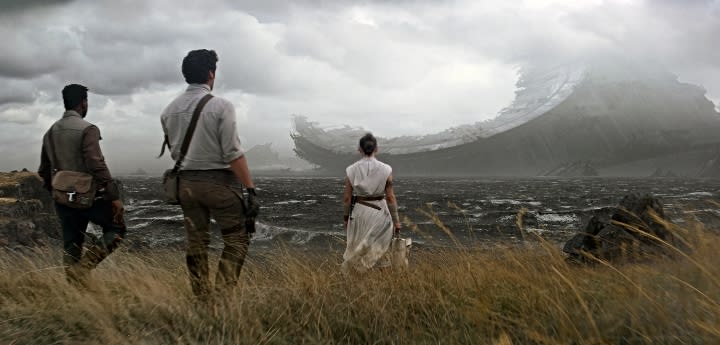
The original 6-movie saga — despite its own flaws — allowed itself to be inspired by history (the Vietnam War, World War II), diverse philosophies (from religious to non religous), myth (Greek tragedies, Norse mythology, Arthurain Legend) and the world of film and television (Kurosawa, Saturday-morning serials, etc). It was a modern myth built from timeless sources. The sequels, instead of drinking from that same well of inspiration or truly understanding the core of the universe, tried to copy the results of that myth without understanding the process.
In other words, the issue wasn’t any single decision. It’s that there was no compass guiding those decisions in the first place. It wasn’t inherently wrong for The Force Awakens to mirror A New Hope — if it had a larger plan. It wasn’t inherently wrong for The Last Jedi to challenge the past — if it truly understood the themes it challenged. It wasn’t inherently wrong for The Rise of Skywalker to attempt a fan-service finale — if the foundation from the two preceeding films had been solid.
But the lack of compass created something that felt, to many, almost hostile toward the saga’s legacy. Two examples illustrate this best:
- The Sequels and the Prequels
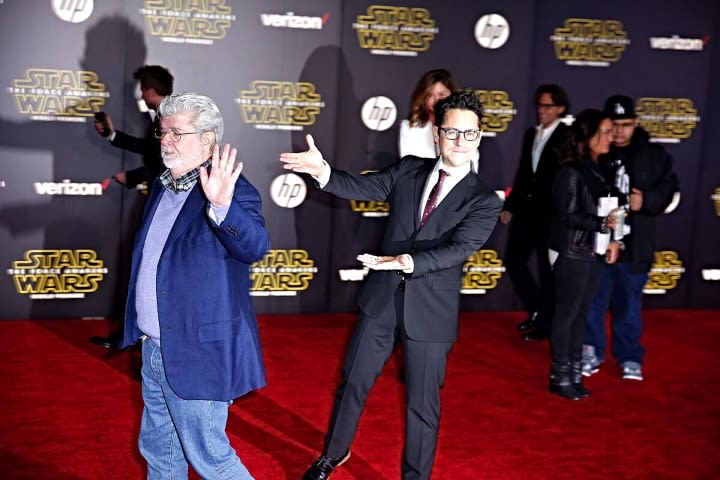
I can’t believe I’m using Fast & Furious as a positive example again (a franchise with its own chaos), but it understood one simple truth: you can only build a saga by embracing the whole saga, including the weaker entries. The sequels, made before the prequel renaissance fully took hold, seemed almost aggressively determined to avoid the prequels unless absolutely forced to acknowledge them — with only a faint Ewan McGregor’s Obi Wan voice cameo (his portrayal widely considered at the time “the only good thing about the prequels”) making it into The Force Awakens. The end result was a trilogy that often felt like it quietly despised or dismissed half of the story that came before.
And it didn’t stop there—the internal tone shifted wildly even within the trilogy itself. TFA, TLJ, and TROS feel like filmmakers retconning and correcting one another in real time. Tonal whiplash. Philosophical contradictions. Abrupt course corrections. Bit of a mess.
- The Sequels and the Legacy Characters
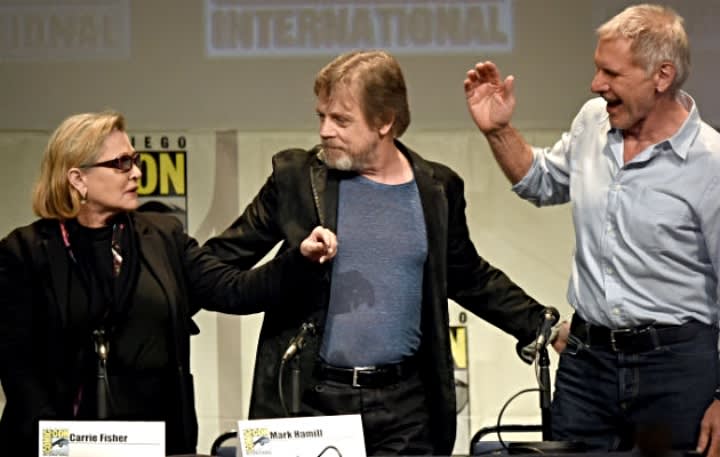
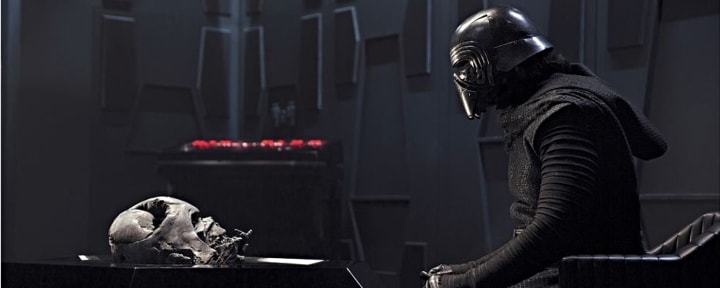
Again, the issue isn’t that Luke could be broken and disillusioned, or that Han and Leia could drift apart, or even that Anakin’s sacrifice becomes muddier in a world where evil never truly stays dead. All of that could work. It’s how it was handled. Arcs were rushed, borderline whiplash-inducing, and often just, well, off a bit. Anakin’s role in the saga wasn’t just sidelined—his legacy was ignored. Vader’s helmet was present, sure, but not the man who redeemed it. Yes, all the past Jedi voices speaking to Rey in The Rise of Skylwalker was noble in concept but ultimately unearned. Almost like a last-minute apology.
So yes—the core issue wasn’t just individual choices, but a missing compass that left the trilogy without direction or cohesion. And yet, even in the midst of that chaos, there were moments—sometimes entire sequences or even arcs—that genuinely worked. Which brings me to something I’ve never actually done before with the sequels on the whole: looking at the good.
What I Like About The Sequels
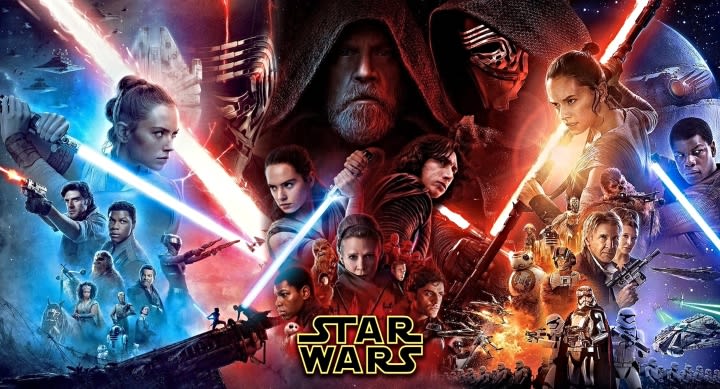
Okay, in this section, I’m going to only say good things about the sequels. And to be fair, there’s a lot of good to say—most of it is just usually followed by a “however.” I’ll try to keep the “however” to a minimum. Let’s go.
- The Force Awakens
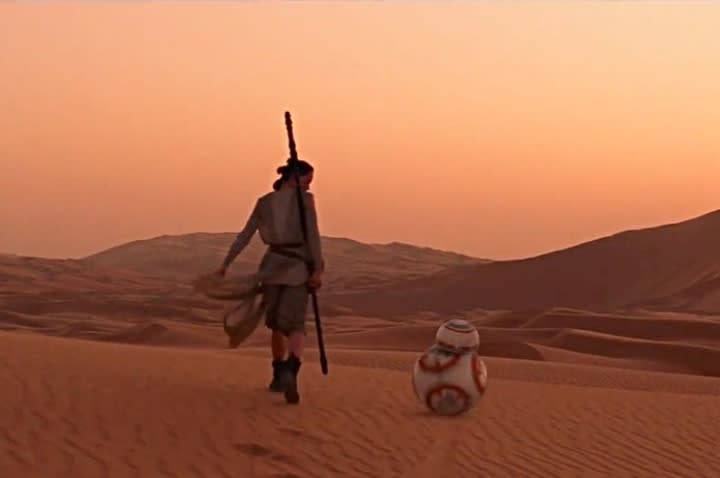
The Force Awakens is perhaps the only movie in this trilogy that I’ve rewatched once or twice simply because I felt like it. Yes, it’s a copy-and-paste of A New Hope. Yes, it suffers retrospectively because the following movies never deliver on the promises it sets up. But on its own terms, it’s honestly quite an enjoyable Star Wars movie.
The important moments almost always land. It’s visually beautiful. The fight choreography strikes a great balance between the prequels and the original trilogy. And most importantly: the characters and actors are brilliant. Daisy Ridley, Oscar Isaac, and John Boyega bring genuine energy and likability to their roles. I still remember how hyped I was the first time I saw them. There was spark. Full stop: they are great. As for the legacy characters, Carrie Fisher brings the gravitas and strength (along with that little quirk in the eye) that Leia needs. And Harrsion Ford…
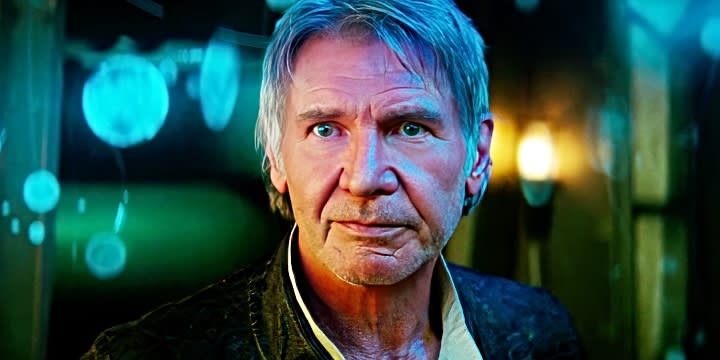
Well, years pass, life changes, but he remains one of the most charismatic people to ever step onto a screen. He is the beating heart of this movie. And, considering Ford’s playful spite toward Star Wars, he really delivered here. Indeed, the scene with Adam Driver’s Kylo Ren on the catwalk remains one of the most heart-in-the-mouth theatre memories I have. Speaking of Driver—he’s fully committing, bringing out the inner turmoil, and actually managing to craft a genuinely original villain.
- The Last Jedi
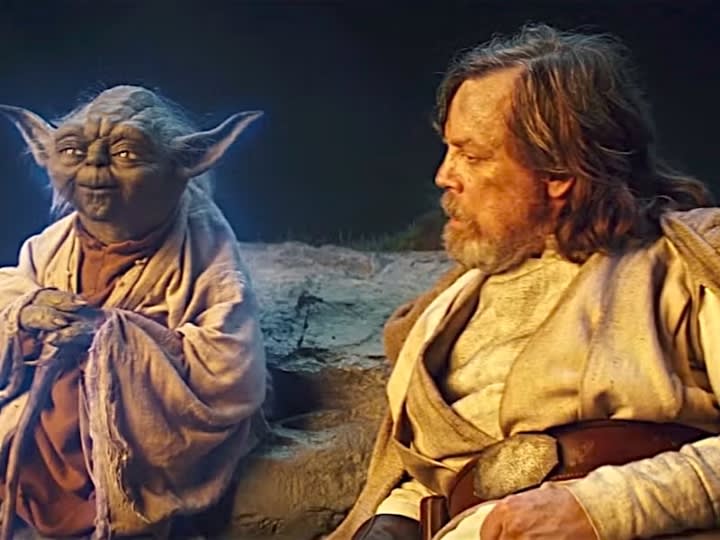
The Last Jedi is a movie I’ve never felt the urge to revisit, but it’s commendable in what it attempts. It genuinely tries to explore the mythos and challenge it. It presents several philosophical ideas that, while not perfectly assembled, work wonderfully as Rian Johnson’s personal exploration of Star Wars.
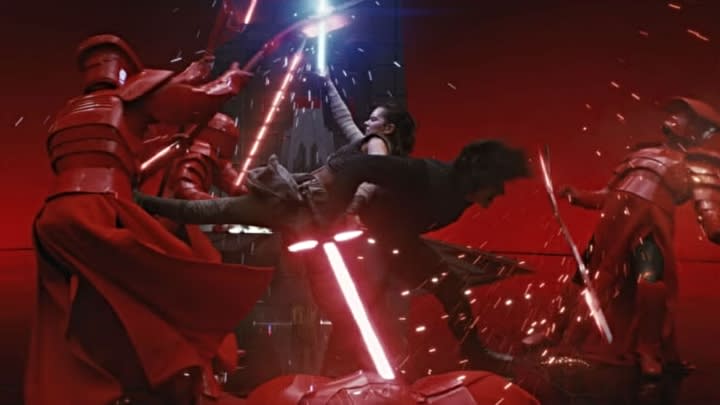
Mark Hamill—despite his behind the scenes misgivings to the direction Luke was taken—brings his absolute A-game and becomes the emotional centre of the film. Kylo Ren, at the same time, continues developing in compelling ways. And Luke’s final sacrifice is one of the closest any post-Lucas entry has come to capturing his themes and intentions. It’s bold. It’s weird. It’s spiritual. It has a point of view.
- The Rise of Skywalker
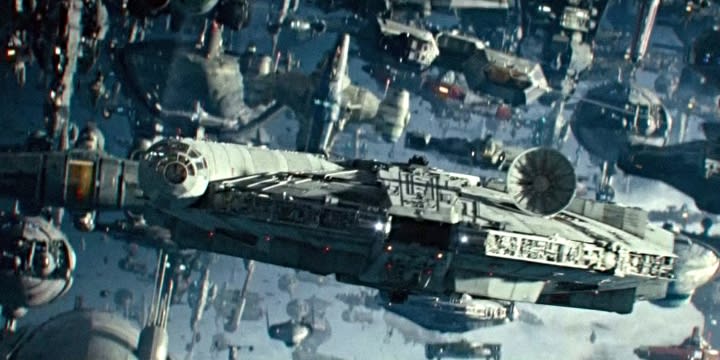
The Rise of Skywalker is the one I have the least to say about, but even here, there’s praise to be found. It is, admittedly, one of the most beautifully shot Star Wars films ever made. Ian McDiarmid’s Palpatine—who somehow returned—is at least having fun chewing the scenery, Billy Dee Williams brings effortless charm back into the mix and Driver brings Kylo Ren’s arc home pretty neatly (probably the only truly satisfying arc of the trilogy). Also, the final vision of the entire galaxy coming together is a lovely callback—intentional or not—to little Anakin saying the biggest problem in the galaxy is that nobody helps each other.
So yes, there’s a lot of good here. The only problem is how much potential was left on the table.
The Unused Potential
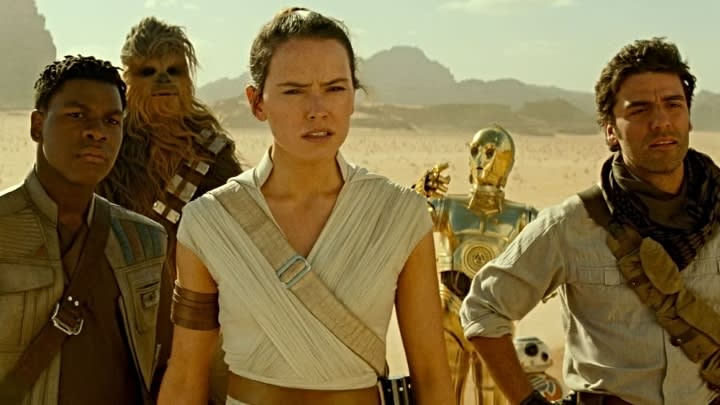
Trying to catalogue all the unused potential in the sequels would be an impossible task. So, I’m going to keep it to a few examples through the main characters: things the films actually established but never properly delivered on.
Let’s start with the character, who should have been the heart of the story: Rey. Firstly, the Rey–Palpatine concept was, in my opinion, absolutely brilliant—if it had been planned from the start, properly built upon, and given a strong crescendo. Palpatine himself wouldn’t even have needed to physically return. McDiarmid could’ve just been a sinister Force specter, a voice haunting Rey, a presence that twisted her doubts and fears.
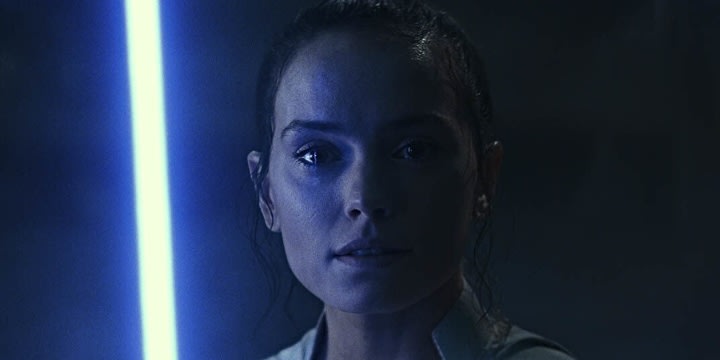
Daisy Ridley brought such sincerity to Rey; she’s clearly a capable actress. It would’ve been fascinating if the creators hadn’t felt the need to make Rey such a perfect, overpowered protagonist. Had they allowed Ridley to dig deeper, to take Rey into darker territory, then her struggle could have mirrored Kylo Ren’s in a powerful, almost mythic way: two sides of the same tortured coin. But we never quite got that. The character wasn’t let down by Ridley—she was let down by the committee.
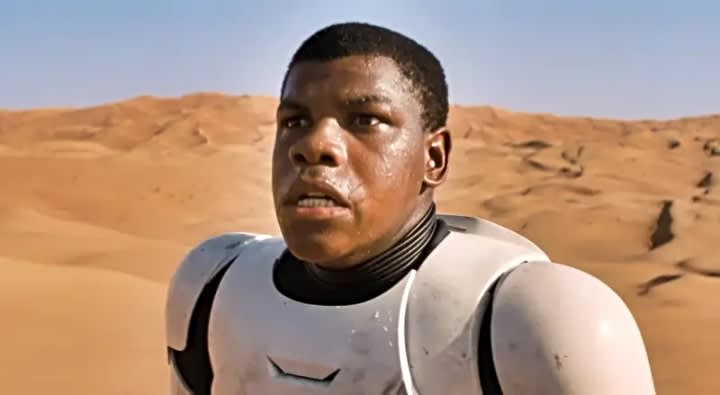
Speaking of characters, who were let down: Finn. Damn, did this character get the short end of the stick. They built such a great concept in The Force Awakens: a faceless soldier who chooses individuality, humanity, purpose. A stormtrooper who rebels, not for destiny but for survival and morals. There was so much potential there—he could’ve had an arc of not being part of the Resistance, nor the First Order, but his own person. Become a smuggler perhaps under Han’s initial guidance (their chemistry was fantastic), or a leader for defected stormtroopers, or anything that expanded on that emotional foundation. Instead, he was gradually reduced to shouting “REY!” in the end.
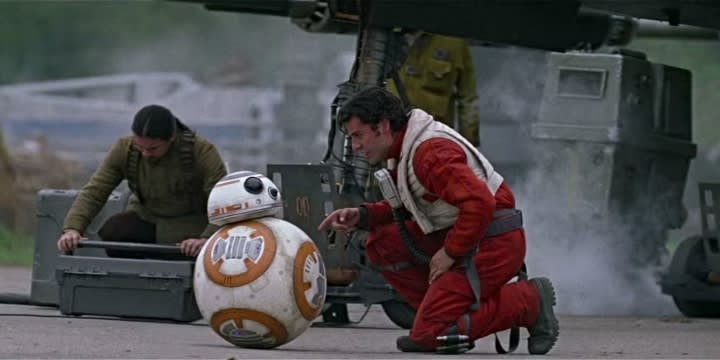
Poe Dameron is another case. Every time I think about him, my mind goes straight to Andor. Poe could’ve been the bridge between the spiritual journey of Rey and the personal journey of Finn—the political heartbeat of the trilogy. He could’ve had scenes reflecting the darker, morally complex side of the Resistance, working alongside Leia or navigating the power vacuum left by the Empire. The foundation was there with more than a few snippets of what could have been. The follow-through wasn’t.
And yes—they absolutely should have brought the original Scooby Gang (Han, Leia, Luke, R2-D2, C-3PO and Chewie) together on screen at least once. One scene. One mission. One moment. That alone would’ve strengthened the emotional continuity of all nine films.
Then of course there’s the rest—the short list of unused potential that could fill an entire holocron: Snoke’s backstory, the Knights of Ren, the political landscape of the galaxy, the Jedi Order’s legacy and yes, even the legendary meme potential of Darth Jar Jar but I digress.
The Culture Around the Sequels
I wasn’t sure whether to include this chapter, since it’s less about what’s in the films and more about everything surrounding them. But the conversation around the sequels — from Screen Junkies Movie Fights and far beyond — was such a defining part of that era of Star Wars fandom that it deserves to be acknowledged.
Let’s start with the whole “Rey is a Mary Sue” discourse. As said above, Rey was a character with enormous potential, brought to life by a strong and genuinely likeable actress. She undoubtedly inspired many girls to get into Star Wars and feel more welcome in the galaxy — that is a net positive and absolutely part of her legacy. Unfortunately, she’s also an example of how a good but imperfectly developed character, who is placed on a pedestal she never structurally needed carry, ends up stuck in a bit of a cultural crossfire.
On one side, the corporate machine pushed her as a revolutionary, history-making figure — seemingly forgetting Padmé, Leia, Ahsoka, Mon Mothma, and many others who had already paved that path earlier. On the other side, some did seem to dismiss her largely because of her gender. The truth is, I believe, that most people simply wanted an honest conversation about the character’s strengths and weaknesses. But two loud extremes — one calling valid criticism misogyny, the other calling genuine appreciation “woke” — ended up suffocating much of the discussion around Rey and many others.
Another major aspect was how deeply the fandom split. I experienced it firsthand with my brother. We walked into The Force Awakens with electric excitement — the only time we avoided all trailers for a movie and went in completely fresh. We walked out hyped and cautiously thrilled for what would come next. And then, slowly, it all broke apart.
While both of us have since made our own peace with the hit-and-miss nature of Disney-era Star Wars, my brother was completely done with the franchise for a while. And I get it now — when the magic disappears, it’s hard to keep going. Especially, if you have so fresh memories of it being there.
Back then, however, we debated endlessly: I was optimistic about the overall franchise’s future, while he (still to this day my nr. 1 spam target for a good Star Wars meme) insisted I was deluding myself. In hindsight, the two of us represented the two major reactions among fans:
- those who felt the magic shatter and walked away, and
- those who began mapping the expanding galaxy, choosing what they loved, and accepting disappointment as part of the journey.
It was, in a strange way, a moment of growing up for many Star Wars fans.
And lastly, I remember the excitement of seeing these films in theatres — the discussions afterward, the sense of collective anticipation. It was the last time Star Wars felt truly communal, the final hurrah of monoculture within the franchise.
Whether good or bad, these movies were talked about together and a lot. I remember fondly going to see them with family — not necessarily because I loved what came after The Force Awakens, but because it became a small holiday tradition. Even now, my aunt still sometimes asks, “I wonder if there’s a new Star Wars movie coming this Christmas?”
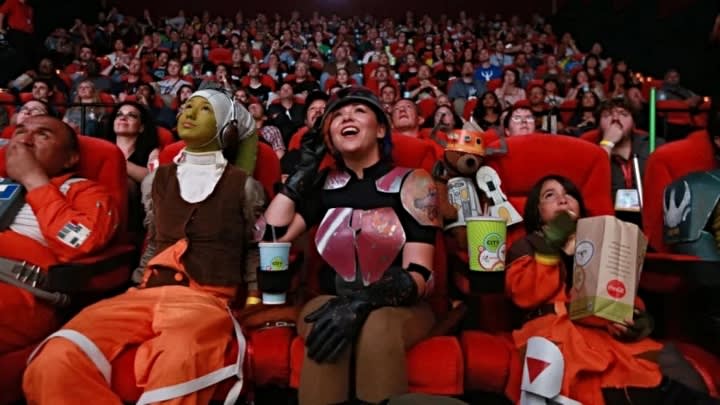
Yes, the disappointment surrounding the sequels contributed to the fracturing of the fandom — to the point, where groups now exist called “Star Wars fans, who actually like Star Wars”. Yet, they also kept the franchise alive long enough for many great new stories to emerge. Even if you have to dig through weaker ones to find them. They added new layers to the conversation that weren’t there before. They inadvertently helped fans view the originals and prequels as one unified saga. And everything else in the franchise became what it perhaps always should have been: a playground, where you explore and find what resonates with you.
In other words: the sequels may have broken the fandom — but the pieces eventually formed something new.
The Truce
So, I think I’ve said just about everything I needed to say about the sequels — at least for now. Summarising it all is tricky however, because this piece wasn’t so much a structured argument, as it was an exercise in finally letting out thoughts I had kept to myself for years. But I’ll bring it home with this:
My main problem with the sequels is, and probably always will be, that despite their flashes of brilliance, the creative process behind them felt so cynical, visionless, and cold that it is hard — if not impossible — to see them as a natural part of the saga. They’re movies that should have soared, but instead hit the ceiling of a boardroom, and you can feel it.
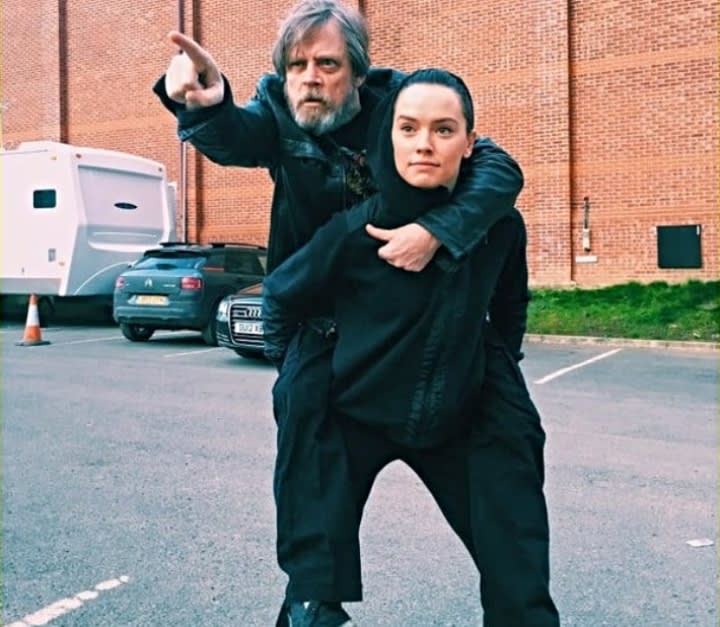
However, what isn’t cynical, is the genuine love and enjoyment so many people have found within them. And, if you’re one of those people reading this right now, then I salute you, fellow Star Wars fan, and may the Force be with you. A galaxy far away is indeed big enough for all of us. Besides, at the very least, we will always have that holiday special to unite us in perfect, unquestioned agreement. ;) Happy holiday season to all the Star Wars fans out there!
About the Creator
Art-Peeter Roosve
So, to put it simply (and slightly cheesily) I'm fascinated with life. And, well, writing about films, TV shows, video games, music, travelling, philosophy and Formula 1 among other is a fun way to explore it.
Keep reading
More stories from Art-Peeter Roosve and writers in Geeks and other communities.
The Naked Truth: A Very Serious Exploration of Spoof Movies
With the new Naked Gun movie being billed as the glorious return of the classic spoof comedies of the late ’80s and ’90s, I was naturally excited to see it the moment it hit cinemas. And, indeed, I went, laughed my way through the whole thing, and thought to myself: “Yes, it really is back!” Then, somewhere between the credits and the parking lot, another thought crept in: What exactly is back? And why did it leave in the first place?
By Art-Peeter Roosve4 months ago in Geeks
The Rachels - 2025
Much to my surprise, I have kept a list of the films I‘ve seen this year. I daresay it isn’t complete. There will be films that snuck in on a late night in front of the TV that I would’ve forgotten to note. Or others, that I went to watch at the cinema, but then had a red wine and promptly forgotten about. But it’s not a bad approximation of the films I’ve seen this year. In total, there are 53 films listed, so an average of one a week and one for good luck.
By Rachel Robbins20 days ago in Geeks
"Hear Me Out"
"Hear me out, what if we ran away together?" "Where do you want to go?" "Anywhere but here. We could move to a new city or to Canada, or we could disappear from society to live in the middle of the woods. Maybe a combination of two of those things would be good. What do you say?"
By Kay Husnick7 days ago in Fiction


Comments
There are no comments for this story
Be the first to respond and start the conversation.