
Tangled Web: Unraveling the Complex Legacy of Spider-Man 3
Spider-Man 3, released in 2007, occupies a unique and often debated position in the annals of superhero cinema. Coming on the heels of two critically acclaimed and commercially successful films, anticipation for director Sam Raimi's trilogy-capper was astronomical.

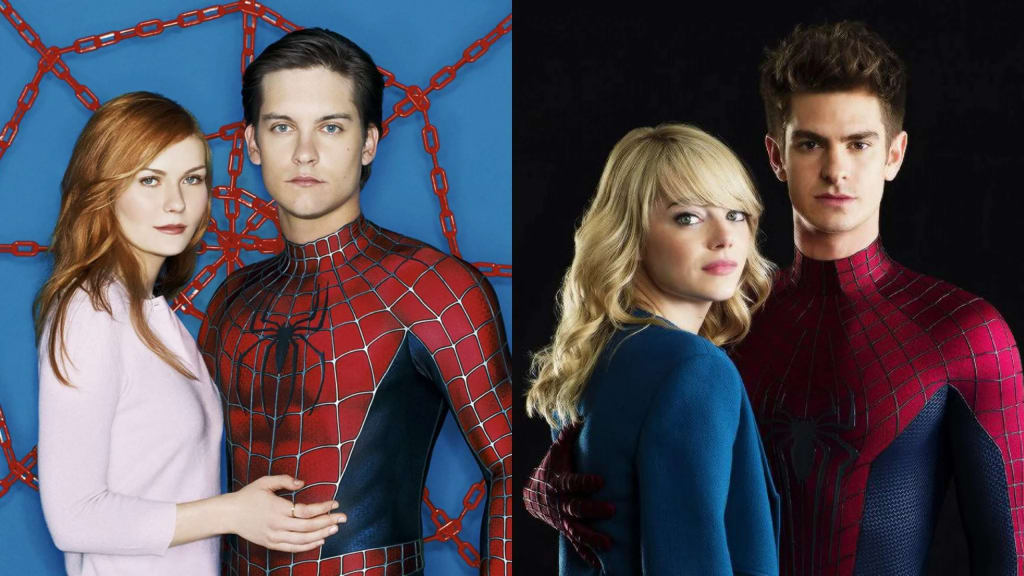
Promising an epic showdown involving multiple villains and a darker, more conflicted Peter Parker, the film arrived as a cinematic behemoth, carrying the weight of immense expectations. However, its reception was far from universally positive, with many critics and fans lamenting its convoluted plot, tonal inconsistencies, and perceived character missteps. Despite its criticisms, Spider-Man 3 remains a fascinating case study in blockbuster filmmaking, a testament to the ambition and risks involved in concluding a beloved superhero narrative. This article delves deep into the entangled web of Spider-Man 3, exploring its plot, cast, production, reception, and enduring legacy.
Plot:
Spider-Man 3 throws a multitude of storylines into the mix, creating a dense and often unwieldy narrative. The film opens with Peter Parker, basking in the glow of public adoration, finally achieving a semblance of normalcy in his relationship with Mary Jane Watson. However, this fragile equilibrium is shattered by the arrival of two formidable adversaries. Flint Marko, a petty criminal driven by desperate circumstances, accidentally stumbles into a particle accelerator and is transformed into the Sandman, a villain with the power to manipulate sand. Simultaneously, Harry Osborn, still harboring resentment over his father's death, embraces the Green Goblin mantle once again, seeking revenge against Spider-Man.
The narrative takes a darker turn when a symbiotic alien organism, the Venom symbiote, crash-lands on Earth. It attaches itself to Peter, amplifying his powers but also bringing out his repressed anger and aggression. Under the symbiote's influence, Peter adopts a cockier, more ruthless persona, complete with a slicked-back hairstyle and a newfound penchant for dance moves that have since become internet infamy. This "Emo Peter" phase, intended to showcase the corrupting influence of power, is widely considered one of the film's weakest aspects.
As Peter grapples with the symbiote's control, he alienates Mary Jane and confronts both Harry and the Sandman. He discovers that Flint Marko was indeed responsible for Uncle Ben's death, intensifying his desire for revenge. Eventually, Peter realizes the symbiote's corrupting influence and sheds it, but it then bonds with Eddie Brock, a rival photographer fueled by jealousy and resentment, transforming him into Venom. The climax sees Spider-Man, aided by a reluctant Harry Osborn (who ultimately sacrifices himself), facing off against Sandman and Venom in a destructive showdown. The battle is ultimately won through a combination of ingenuity and sacrifice, with Peter forgiving Marko and understanding the complexities of his motives. However, the victory comes at a steep price, as Harry's death leaves Peter heartbroken and forces him to re-evaluate his choices. The narrative style is very drama-focused, aiming for emotional impact.
Cast:
The cast of Spider-Man 3 is headlined by Tobey Maguire as Peter Parker/Spider-Man. Maguire embodies the character's inherent goodness and inner turmoil, even if the script occasionally forces him into awkward situations. Kirsten Dunst returns as Mary Jane Watson, portraying her vulnerability and inner strength as she navigates the complexities of her relationship with Peter and her own career aspirations. James Franco delivers a complex performance as Harry Osborn, showcasing his internal struggle between revenge and loyalty. Thomas Haden Church brings a quiet dignity and tragic humanity to the role of Flint Marko/Sandman, making him a surprisingly sympathetic villain. Topher Grace plays Eddie Brock/Venom, but his portrayal is often criticized for lacking the menace and physical presence associated with the character. Rosemarie DeWitt has a small role as Uncle Ben's doctor.
Performance highlights include Franco's nuanced portrayal of Harry's internal conflict and Church's subtle and emotionally resonant performance as Sandman. Maguire's earnestness shines through, even amidst the "Emo Peter" antics. However, the unevenness of the script often hinders the actors' ability to fully realize their characters' potential.
Reviews:
Spider-Man 3 garnered mixed to negative reviews upon its release. Critics praised the visual effects, action sequences, and Hans Zimmer's score (which complemented Danny Elfman's themes). However, they criticized the film's overstuffed plot, underdeveloped villains, tonal inconsistencies, and the perceived mischaracterization of Peter Parker. Many felt that the film tried to cram too many storylines and villains into a single narrative, resulting in a chaotic and unfocused experience. The "Emo Peter" scenes were particularly derided, seen as jarring and out of character. Audience reviews reflected this sentiment, with many expressing disappointment with the film's direction and overall quality compared to its predecessors.
Production:
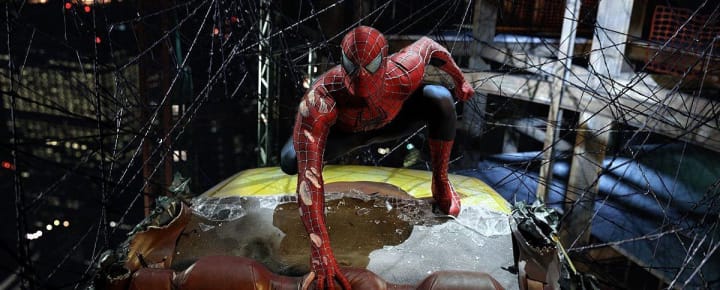
The production of Spider-Man 3 was a massive undertaking, reflecting the scale of the film's ambition. Development began shortly after the success of Spider-Man 2. Sony Pictures Entertainment heavily pressured Raimi to include Venom, a character he wasn't initially enthusiastic about. Financing came primarily from Sony, with a reported budget of around $258 million, making it one of the most expensive films ever made at the time.
Writing and Casting:
The screenplay for Spider-Man 3 was a collaborative effort, with Sam Raimi, Ivan Raimi, and Alvin Sargent sharing writing credits. The initial script focused more on the Sandman, but the studio's insistence on including Venom led to significant rewrites and the introduction of Eddie Brock as another major antagonist. The casting process was largely straightforward, with the main cast returning from the previous films. However, the casting of Topher Grace as Eddie Brock/Venom was a subject of debate, with some feeling that he lacked the physicality and intimidating presence associated with the character.
Principal Photography:
Principal photography took place in Los Angeles and New York City. The filming process was reportedly challenging, due to the film's complex visual effects, demanding action sequences, and the sheer scope of the production. There was reportedly tension between Raimi and the studio regarding the creative direction of the film, particularly concerning the handling of Venom. One funny behind-the-scenes incident involved Tobey Maguire struggling to maintain a straight face during the "Emo Peter" dance scenes, often breaking into laughter at the absurdity of the situation. He apparently needed multiple takes to get through some of those scenes, much to the amusement (and occasional frustration) of the crew.
Production Design:
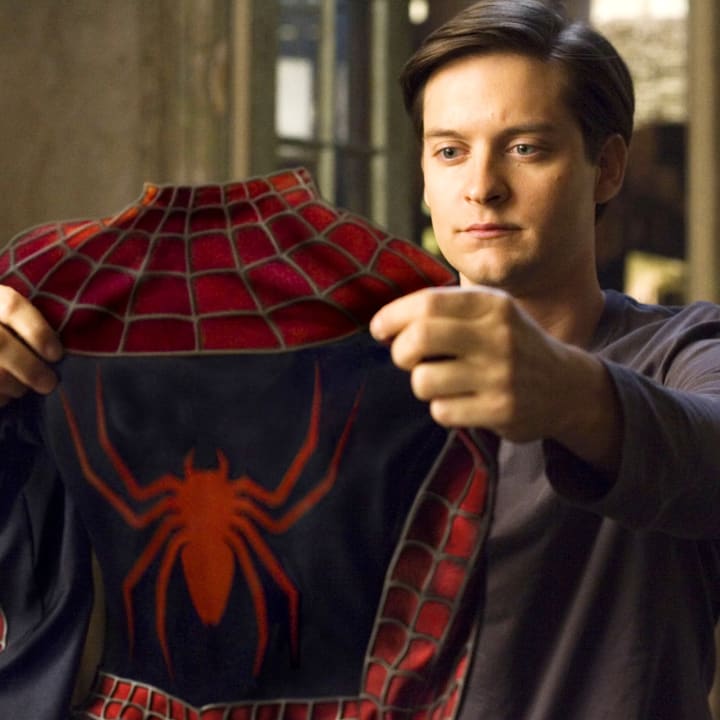
The production design of Spider-Man 3 was ambitious, aiming to create a visually dynamic and engaging world. The set design was impressive, with detailed recreations of New York City streets and iconic locations. The costumes were also noteworthy, particularly the black symbiote suit, which represented a significant departure from Spider-Man's classic red and blue attire. The visual aesthetics aimed for a darker and more gritty tone, reflecting the film's exploration of Peter Parker's inner demons.
Sound Design & Music:
The sound design of Spider-Man 3 was immersive, featuring a mix of realistic sound effects and stylized audio enhancements. The soundtrack was a blend of rock and electronic music, reflecting the film's contemporary setting and energetic action sequences. Hans Zimmer contributed to the musical score, complementing Danny Elfman's established themes and adding a layer of emotional depth to the film. Zimmer's work, in particular, helped elevate some of the more emotionally charged scenes, giving them a greater sense of weight and gravitas.
Visual Effects:
The visual effects in Spider-Man 3 were groundbreaking for their time, showcasing the capabilities of CGI technology. The Sandman's transformations and sand-based powers were particularly impressive, pushing the boundaries of what was visually possible in a superhero film. The symbiote's fluid and organic movements were also visually stunning, contributing to the character's menacing presence. However, some critics felt that the over-reliance on CGI detracted from the film's overall realism.
Influences:
Spider-Man 3 draws influences from various sources, including the Spider-Man comic book mythos, particularly the "Venom Saga" and stories exploring Peter Parker's darker side. The film also nods to classic superhero tropes, exploring themes of power, responsibility, and the corrupting influence of revenge. Cinematic influences include films like "The Godfather Part II," which similarly grappled with the complexities of family and betrayal.
Scientific Knowledge :
The film incorporates pseudoscientific elements, particularly in the origin stories of Sandman and Venom. Flint Marko's transformation into Sandman relies on a highly improbable particle accelerator accident. The Venom symbiote is presented as an alien organism with vaguely defined properties, capable of enhancing its host's abilities and influencing their behavior. The scientific elements are largely fantastical and serve primarily to drive the plot.
Marketing, Release & Box Office:
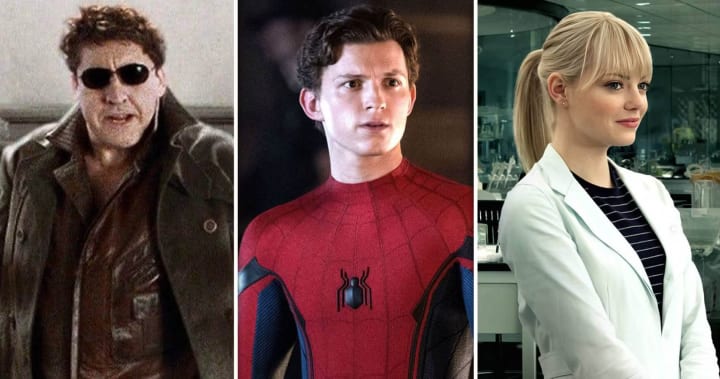
The marketing campaign for Spider-Man 3 was massive, encompassing television commercials, print ads, online promotions, and product tie-ins. Sony Pictures Entertainment invested heavily in building anticipation for the film, emphasizing its epic scale and multiple villains. The film was released worldwide in May 2007 and broke box office records, grossing over $890 million globally, making it the highest-grossing film in the original Spider-Man trilogy. Marketing efforts focused on the "darker" side of Peter Parker. The promotional campaign promised a more intense and action-packed experience.
Critical Responses:
Despite its box office success, Spider-Man 3 received a mixed reception from critics and audiences. While praised for its visual effects and action sequences, the film was widely criticized for its overstuffed plot, underdeveloped villains, tonal inconsistencies, and perceived mischaracterization of Peter Parker. The film's legacy remains complex and debated, often cited as an example of a superhero film burdened by excessive studio interference and a lack of focus. While it achieved commercial success, Spider-Man 3 ultimately failed to live up to the high expectations set by its predecessors, leaving a tangled web of what could have been. It stands as a cautionary tale of ambition, expectation, and the creative challenges of concluding a beloved cinematic saga.
About the Creator
Xavier
Global news reporter covering science, tech, environment, Entertainment & sports. Delivering balanced insights to inform and inspire readers worldwide. Sometimes a poet.
Russia Delivers 13 Tons of Medical Aid to Iran
Introduction As tensions continue to rise in the Middle East, humanitarian efforts have become increasingly important for civilians affected by the conflict. In a significant gesture of support, Russia has delivered more than 13 tons of humanitarian and medical aid to Iran. The aid shipment aims to assist hospitals and emergency services dealing with the consequences of the ongoing crisis in the region.
By shaoor afridiabout 5 hours ago in Geeks
Thief In The Night
To the thief in the night that took and replicated what once was mine: Honestly, I feel kind of bad for you. It’s funny, because we hardly know each other. I only know of you through the magazines you’ve written and the broadcasts you have televised in the past — as well as through the public mentions of you from your show business connections there.
By Snarky Lisa6 days ago in Humans



Comments
There are no comments for this story
Be the first to respond and start the conversation.