
SHAKEN, NOT STIRRED: DECODING THE COMPLEX LEGACY OF 'SPECTRE'
'Spectre', the 24th James Bond film, released in 2015, marks a significant chapter in the iconic spy franchise.

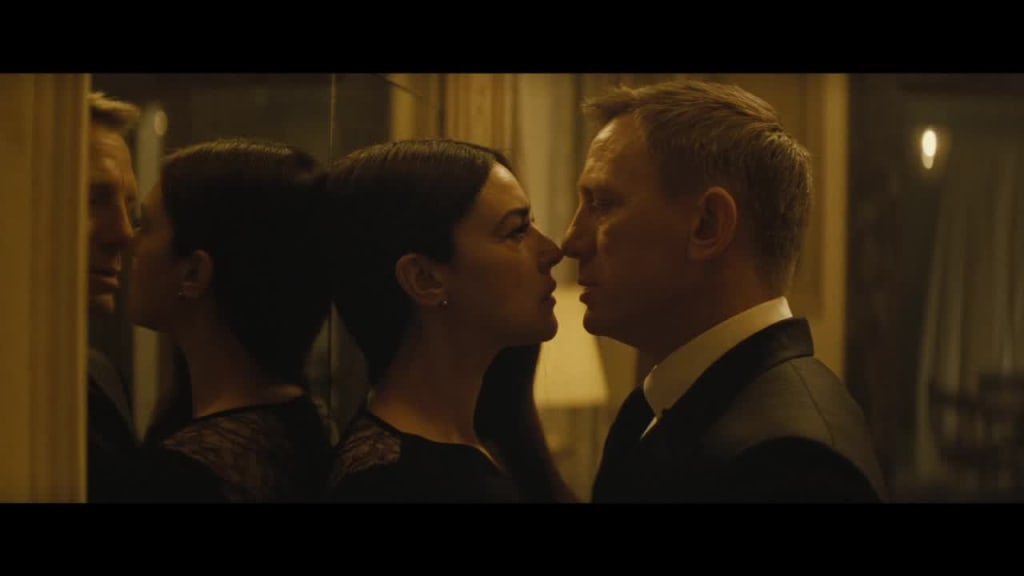
Following the critically acclaimed 'Skyfall', which redefined Bond for a modern audience, 'Spectre' faced immense pressure to deliver an equally compelling and visually stunning experience. Directed by Sam Mendes, returning from 'Skyfall', and starring Daniel Craig in his fourth outing as 007, the film aimed to tie together the threads of the previous three movies, revealing a shadowy organization pulling the strings behind Bond's personal tragedies. While 'Spectre' delivered on spectacle and action, it ultimately proved to be a more divisive entry in the Bond canon, sparking debate about its narrative choices and overall impact. This article delves deep into the film, examining its plot, cast, production, and reception, ultimately exploring its complex legacy within the Bond universe.
Plot:
'Spectre' opens with a breathtaking pre-credits sequence set during the Day of the Dead celebrations in Mexico City. Bond, acting on a posthumous message from the previous M, is on a mission to assassinate Marco Sciarra, a terrorist involved in a plot to bomb a stadium. After eliminating Sciarra, Bond discovers a ring emblazoned with an octopus symbol, leading him to a clandestine meeting of powerful individuals.
This gathering reveals the existence of SPECTRE (Special Executive for Counter-intelligence, Terrorism, Revenge and Extortion), a global criminal syndicate headed by the enigmatic Ernst Stavro Blofeld, played by Christoph Waltz. Bond discovers a personal connection between himself and Blofeld, adding a layer of psychological complexity to their rivalry. Blofeld reveals himself as the mastermind behind the events of 'Casino Royale', 'Quantum of Solace', and 'Skyfall', framing himself as the architect of Bond's pain and suffering.
Simultaneously, MI6 is under threat from a new initiative, Nine Eyes, proposed by Max Denbigh (C), played by Andrew Scott, which aims to replace human agents with a global surveillance network. Bond teams up with Dr. Madeleine Swann, played by Léa Seydoux, the daughter of his old nemesis Mr. White, to uncover the truth about SPECTRE and stop their plans. Their quest takes them across the globe, from Austria to Rome to Tangier, encountering dangerous assassins and uncovering shocking revelations.
One of the major plot twists involves the revelation that Blofeld, as a child, was jealous of James Bond, who was effectively taken in by Blofeld's father after Bond's parents died. This jealousy fuels Blofeld's desire to destroy Bond's life. The film culminates in a showdown at SPECTRE's Moroccan base, where Bond confronts Blofeld and dismantles the organization's infrastructure. He ultimately chooses to spare Blofeld's life, leaving him in the custody of MI6. The film concludes with Bond choosing to leave the spy life, driving off with Madeleine Swann into an uncertain future, leaving behind the shadows of his past.
Cast:
Daniel Craig delivers a typically stoic and physically imposing performance as James Bond, showcasing a vulnerability that has become a hallmark of his portrayal. However, some critics felt that his performance lacked the spark of previous outings, perhaps due to fatigue with the role or the script's uneven pacing.
Christoph Waltz, as Ernst Stavro Blofeld, brings his signature blend of charm and menace to the role. While many felt that Waltz was underutilized, especially compared to his iconic performances in films like 'Inglourious Basterds', his presence adds a chilling dimension to SPECTRE.
Léa Seydoux as Dr. Madeleine Swann provides a strong female lead, adding depth and complexity to Bond's romantic life. She is more than just a damsel in distress, possessing her own agency and intelligence.
Ralph Fiennes, Naomie Harris, and Ben Whishaw reprise their roles as M, Moneypenny, and Q, respectively, providing crucial support and adding to the sense of continuity established in 'Skyfall'. They are integral to the narrative, offering moments of levity and expertise.
Andrew Scott's portrayal of C, the ambitious and ruthless head of the Joint Intelligence Service, offers a compelling villainous counterpoint to Blofeld, representing the threat of modern surveillance technology.
Reviews:

'Spectre' received mixed reviews from critics and audiences alike. While praised for its spectacular action sequences, stunning visuals, and strong performances, it was criticized for its convoluted plot, uneven pacing, and perceived lack of originality. Many felt it failed to live up to the high standards set by 'Skyfall'.
Some critics lauded the film's attempt to tie together the storylines of the previous Craig era Bond films, appreciating the exploration of Bond's personal history and the revelation of Blofeld as the ultimate puppet master. Others, however, found the plot to be overly complicated and reliant on coincidences. The film's length was also a point of contention, with some feeling that it dragged in certain sections.
Audience reviews were similarly divided. Many enjoyed the action, the exotic locations, and the performances of the cast. However, some felt that the film lacked the emotional depth and thematic resonance of 'Skyfall', ultimately deeming it a decent but not exceptional Bond movie.
Production:
The production of 'Spectre' was a massive undertaking, involving extensive location shooting, elaborate stunts, and state-of-the-art visual effects. Development began shortly after the release of 'Skyfall', with Sam Mendes agreeing to return as director. The script underwent numerous revisions, with John Logan, Neal Purvis, Robert Wade, and Jez Butterworth contributing to the final product.
Financing for the film was a complex process, involving contributions from MGM, Sony Pictures Entertainment, and various international distributors. The budget was estimated to be around $245 million, making it one of the most expensive Bond films ever made.
Writing and Casting:
The screenplay for 'Spectre' was a collaborative effort, with the writers tasked with balancing the need for a standalone adventure with the desire to tie together the storylines of the previous three films. The casting process was equally extensive, with the filmmakers searching for actors who could bring depth and complexity to their roles. Christoph Waltz was a key target for the role of Blofeld, and his casting was considered a major coup. Léa Seydoux was chosen for the role of Madeleine Swann after a lengthy search for a leading lady who could hold her own against Daniel Craig's Bond.
Principal Photography:
Principal photography for 'Spectre' began in December 2014 and lasted for several months, with filming taking place in Austria, Italy, Morocco, Mexico, and the United Kingdom. The production faced numerous challenges, including logistical difficulties, weather delays, and safety concerns.
One humorous anecdote from the shoot involves a scene filmed in Rome, where Bond drives an Aston Martin DB10. During filming, Daniel Craig accidentally clipped a curb, causing minor damage to the car. Craig reportedly joked about it, saying, "Well, it wouldn't be a Bond movie without a few scrapes and bumps!"
Production Design:
The production design of 'Spectre' is lavish and visually stunning, with meticulous attention to detail evident in every aspect of the film. From the vibrant Day of the Dead costumes in Mexico City to the sleek and modern interiors of SPECTRE's headquarters, the film's visual aesthetic is consistently impressive. The costumes, designed by Jany Temime, are equally stylish and sophisticated, reflecting the characters' personalities and social status.
Sound Design & Music:
The sound design of 'Spectre' is immersive and dynamic, creating a thrilling and engaging auditory experience. The roar of the Aston Martin, the crackle of gunfire, and the subtle nuances of dialogue are all expertly crafted to enhance the film's impact. The soundtrack, composed by Thomas Newman, is atmospheric and suspenseful, building tension and amplifying the emotional impact of key scenes. Sam Smith's theme song, "Writing's on the Wall," won an Academy Award for Best Original Song, although its reception among Bond fans was initially divided.
Visual Effects:
The visual effects in 'Spectre' are seamless and realistic, seamlessly blending practical stunts with CGI enhancements. The opening sequence in Mexico City features a stunning helicopter stunt that was achieved through a combination of practical effects and CGI. The destruction of SPECTRE's Moroccan base is another impressive visual effects sequence, showcasing the film's technical prowess.
Influences:
'Spectre' draws inspiration from various cinematic, literary, and historical sources. The film's plot and characters are heavily influenced by Ian Fleming's Bond novels, particularly 'Thunderball' and 'On Her Majesty's Secret Service'. The film also pays homage to classic Bond films, such as 'Goldfinger' and 'From Russia with Love', through its use of iconic gadgets, exotic locations, and memorable villains.
Scientific Knowledge :
The film incorporates some scientific and technological elements, particularly in the context of the Nine Eyes surveillance program. While some of the technology depicted is speculative, it reflects contemporary concerns about government surveillance and the erosion of privacy.
Marketing, Release & Box Office:
The marketing campaign for 'Spectre' was extensive and multifaceted, involving trailers, TV spots, social media promotions, and partnerships with various brands. The film was released worldwide in November 2015, achieving significant box office success. It grossed over $880 million worldwide, making it the second-highest-grossing Bond film at the time, behind 'Skyfall'. The release was strategically timed to capitalize on the Thanksgiving holiday weekend in the United States.

Critical Responses:
'Spectre' remains a divisive entry in the James Bond franchise. While it delivered on action and visual spectacle, its convoluted plot, uneven pacing, and perceived lack of originality left many critics and audiences feeling underwhelmed. However, the film's box office success demonstrated the enduring appeal of the James Bond franchise and Daniel Craig's portrayal of the iconic spy. Despite its shortcomings, 'Spectre' remains a significant chapter in the Bond saga, raising questions about the future direction of the franchise and the evolving role of 007 in a modern world. Its attempt to weave a grand narrative arc across Craig's tenure is commendable, even if the execution was less than perfect. Ultimately, 'Spectre' is a complex and flawed film that continues to be debated and reevaluated by Bond fans and film critics alike.
About the Creator
Xavier
Global news reporter covering science, tech, environment, Entertainment & sports. Delivering balanced insights to inform and inspire readers worldwide. Sometimes a poet.
A Knight of the Seven Kingdoms Series Review (Season 1)
As one of the biggest properties in fantasy, A Song of Ice and Fire remains immensely popular with audiences. After reaching far into the past with House of the Dragon, a second spin-off was on the cards. A Knight of the Seven Kingdoms serves up a bite-sized slice of action and drama, but it still claims a spot among the best small-screen titles.
By Robert Cain7 days ago in Geeks
Monsterverse Power Rankings
The world of the MonsterVerse isn’t about humanity being in control — it’s about ancient Titans reminding the planet who truly rules it. Cities fall, governments scramble, and entire ecosystems shift whenever these colossal beings collide. Some monsters dominate through sheer size, others through speed, intelligence, or raw elemental power — but only a few stand at the absolute top of the food chain.
By Top Ranked3 days ago in Geeks
Tatt~Master
— Assembly Line Tatt Machine ~ Impressions to Impress — As I begin to understand more about the Tattoo Phenomenon. I've written silly, yet verbatim, dating site anecdotes in 'Frazzled.' So let me ask you: Would you be More attracted to someone slathered with tattoos, or Less?
By Jay Kantor5 days ago in Humor


Comments
There are no comments for this story
Be the first to respond and start the conversation.