pop culture
Modern popular culture topics in the geek sphere.
Fantastic Beasts: Are We Ready for a Gay Dumbledore?
J.K. Rowling taught millions of people about tolerance and acceptance. With more than 450,000,000 copies sold worldwide, Harry Potter is the best selling series of all time. And research led by professor Loris Vezzali of the University of Modena and Reggio Emilia in Italy proved that children who read Harry Potter passages dealing with prejudice (Draco saying that Hermione was a "filthy little Mud-Blood") had become more tolerant towards immigrants compared to people who read neutral passages of the book. Now that a whole generation is more open to people of different culture, fans want J.K. Rowling to do the same thing with queer characters.
By Charlotte Poitras8 years ago in Geeks
The Best of Frenemies
There are countless partnerships in comic books, anime and films of characters who are on again/off again friends and enemies. They start off as hero & villain and become comrades or even start off as comrades and slowly drift apart and it becomes an antagonistic relationship. Whatever the situation may be, it's these relationships that draw us into their story.
By Matthew Bailey8 years ago in Geeks
Battle of The Archers: A History of Arrow Wielding Heroes & Vigilantes, From Katniss to Robin Hood
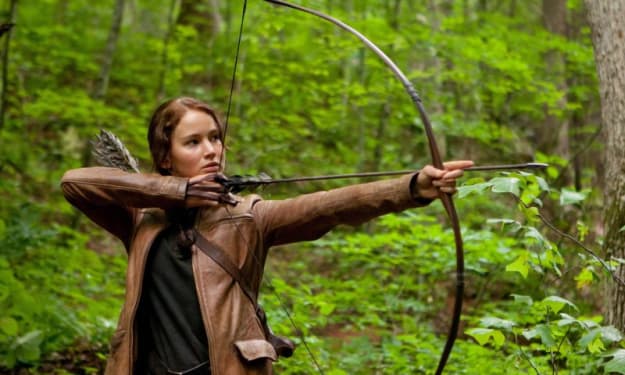
Archery is usually seen as a 'weak' skill to have in the seemingly overwhelming physical realm of heroic powers. Whatever your stance on the archers importance to the heroic conquest, there have been several inspiring and determined archers in the history of fiction. Whether it is through literature, film, television, video games, anime or comic books - the archers we have seen and read about have been truly gifted.
By Matthew Bailey8 years ago in Geeks
The Top 5 Movie Characters Who Have Mastered The Art Of The Sword!
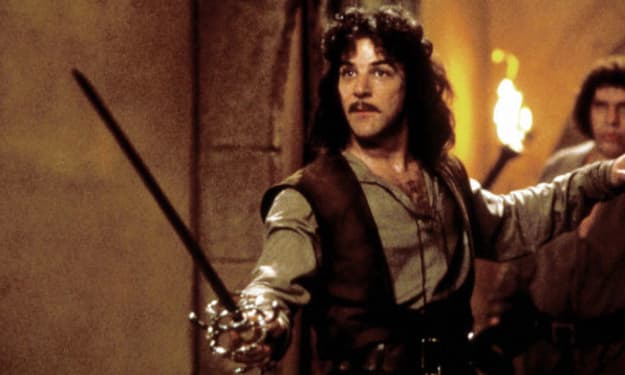
Swordmanship is an art form in many circles. The term itself refers to the skills of an individual whether it be in the form of fencing, martial arts or even gladiatorial combat - it's all about that person's unique skills with the sword.
By Matthew Bailey8 years ago in Geeks
Murder Mystery Dinner. Who Would Solve This First?
Dinner parties are sometimes seen as an overzealous attempt to impress your friends and colleagues with either your collection of acquaintances or possibly even your knowledge of proper etiquette and culinary prowess. A good dinner party can be something that you either dread attending because of the pomp and circumstance surrounding it, or maybe you're genuinely looking forward to attending because of the theme or motif.
By Matthew Bailey8 years ago in Geeks
Oh Captain, My Captain! Who's The Greatest Captain of Them All?
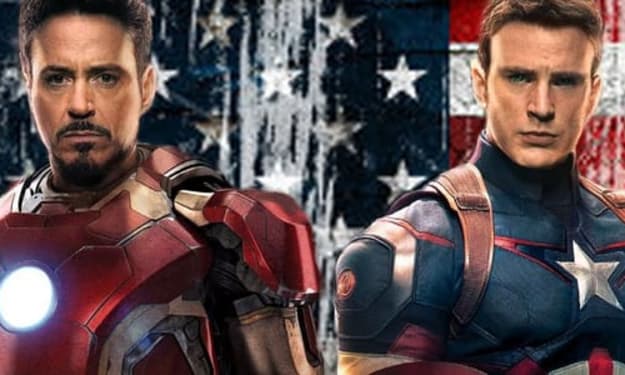
There have been countless leaders and commanders that have graced the screen, both big and small, over the years. More often than not, they are one of the defining elements in the shows and films we love. Whether we think they are honorable and we would follow them into the lion's den, or maybe we just love to hate them. All the same, they are clearly ingrained in our memory as being something special.
By Matthew Bailey8 years ago in Geeks
Cinema Personality Traits: Life as an INFJ
I read an article by another creator friend, Ian, and in the article he wrote about the 16 Personality Theory and how it applies to certain characters in film and game. The theory itself as well as a quick test (10 minutes or so) that you can apply to your own personality can be found here. The gist of the theory is that there are 4 traits that can be joined together to create your specific personality:
By Matthew Bailey8 years ago in Geeks
Chu Chu: All Aboard The Pika-Train! Which Is A Real, Actual Thing
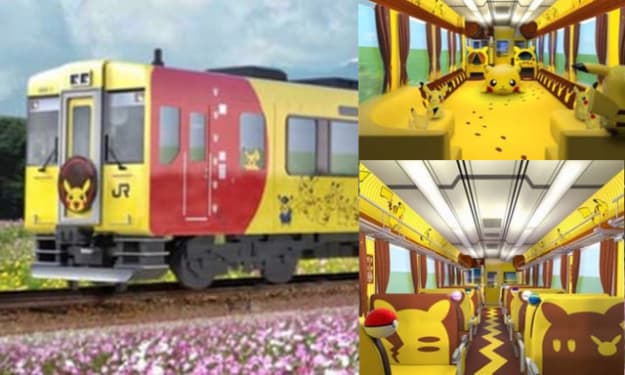
We all know that Japan is and always will be one of the leading countries to introduce, let's call it, interesting things. Although they've been steps ahead in terms of electronics and technology, they've also had some of the most inventive and oddball items in the world. Sometimes those creations have been taken to extremes like cactus flavored ice cream and female lap pillows (literally a pillow in the shape of a women's legs).
By Matthew Bailey8 years ago in Geeks
Ring Out The Bells: Is Disney Considering A Live-Action Remake Of 'The Hunchback Of Notre Dame'?
That noise you can hear? It’s the sound of many Disney execs riffling through the studio’s back catalog for more animated classics to be given the live-action treatment. Whilst some may sigh at the thought of even more reboots, Disney's commitment to rebooting dozens of their classic properties makes a lot of sense. After all, 2017 has already seen Beauty and the Beast snag the studio some staggering box-office sums, and The Lion King is winning audiences over even before it’s finished being made. And if a new report is to be believed, another (somewhat unexpected) Disney remake might be in the works.
By Max Farrow8 years ago in Geeks