industry
Revolutionary industry developments in the geek sphere.
Why the Channel 'NowThis Nerd' is Doomed to Fail
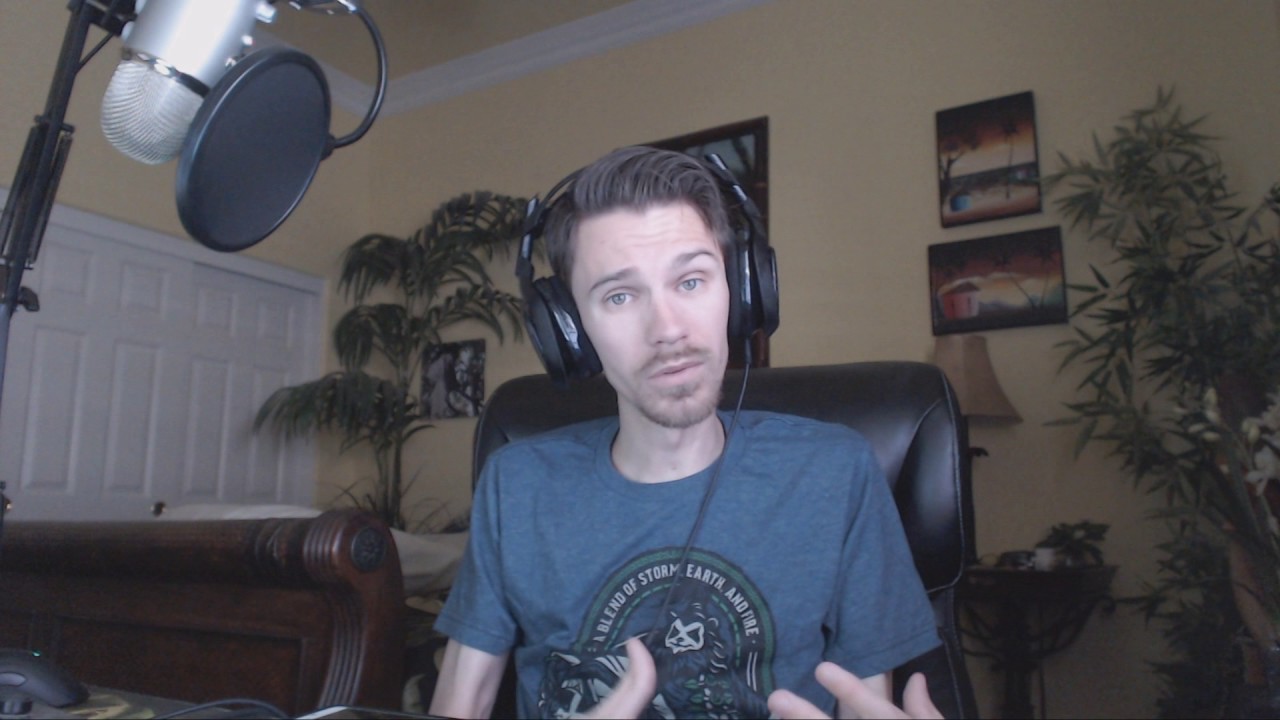
I know a lot of people are angry about the launch of the "new" YouTube channel, NowThis Nerd, and I want to explain to those who don't understand why that is the case. In 2013, Philip DeFranco launched a channel called SourcefedNERD, where hosts Steve, Meg and Trisha spoke about everything nerd related. The topics ranged from TV shows to movies to comic books to board games, and over the years the lists of hosts and personalities grew. This past year SourcefedNERD celebrated their 1 millionth subscriber. Then on March 20th, it was announced that Group Nine Media decided that SourcefedNERD would be cancelled. The final video on the channel was released on March 24th and that was the end of it.
By Jason Schwartz9 years ago in Geeks
Canadian Mental Health Association Discusses '13 Reasons Why'
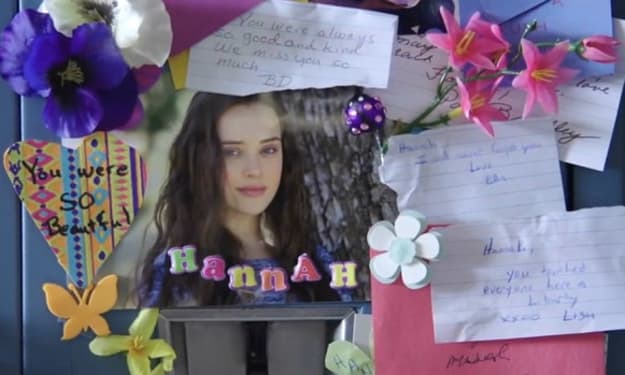
13 Reasons Why continues to generate a lot of discussion for all who might be involved in watching it, and with good reason. It's believed that on the plus side, 13 Reasons Why has generated a lot of discussion about teen mental health challenges and suicide, but that perhaps there are other issues that we should be more wary of when watching the show.
By Christina St-Jean9 years ago in Geeks
Nightmare on Elm Street Documentary Screams for Recognition of Gay Rights Struggle
To Roman Chimienti, A Nightmare on Elm Street 2: Freddy's Revenge thoroughly awoke his nascent horror movies undertone. So while the second installment slashed the shallow plot lines of the genre (and siblings such as Jason Voorhees and Michael Meyers), this Freddy Krueger's depth had a lot to do with the film's real shock value. But there were still far more laying beneath - and only one thoroughly invested demographic picked up on the subversive gay rights subtext.
By Rich Monetti9 years ago in Geeks
[Announcement] 100 Days of Stream
Follow me on Twitch: http://www.twitch.tv/MatricesGaming Follow me on Twitter: twitter.com/MatrixOverwatch Good afternoon fellow geeks! As I move towards the beginning of the biggest streaming challenge I've done yet, I wanted to address what my plans are going forward and into the future of my channel.
By Christian Witzel9 years ago in Geeks
Best NES Video Games
The Nintendo Entertainment System (NES), named by IGN the greatest video game console in history, is absolute video gaming royalty, along with all the NES games. Spawning blockbuster franchises like Super Mario, Ninja Gaiden, Metroid and Zelda, they still have huge fan bases today. The classic 8-bit graphics make you really how the console must have felt so state of the art in 1983. Luckily for NES fans, the NES Classic Mini was released at the end of 2016 with all of the classic NES games to relive those memories, or see where these huge titles first began.
By Patricia Sarkar9 years ago in Geeks
Best Graphic Novels Ever Written
The graphic novel as we know it started as the comic boom medium elevated to a new level near the start of the 1980s. Starting as just longer comics, the graphic novels emerging around this time set the trend for the future of the medium: elevated characterization, deeper stories, original voices unshackled by the constraints of the comic book industry, and art work that could be at once breathtaking, beautiful, enigmatic, and grotesque. The graphic novels from genesis to the modern day all shared these qualities, but, naturally, there were some comics that took a stand above all others, rising to the highest echelon of the comic book medium--the greats among greats.
By Patricia Sarkar9 years ago in Geeks
John Lithgow Slays In 'Trial & Error' - Or Does He?
There's no questioning John Lithgow's extensive experience playing both sides of the criminal line. In addition to the Trinity Killer in the much-beloved series Dexter, Lithgow has also played the bad guy in movies like Ricochet, Cliffhanger and Silent Fall. Not to be forever known as a criminal, Lithgow has also played goofy in such series like 3rd Rock From The Sun and played somewhere in between the two as the reverend insistent on forbidding dancing in a small community in the original Footloose. He's also set to appear in the upcoming a cappella sequel, Pitch Perfect 3.
By Christina St-Jean9 years ago in Geeks
'Beauty and the Beast' Detractors Are Focusing On the Wrong Message
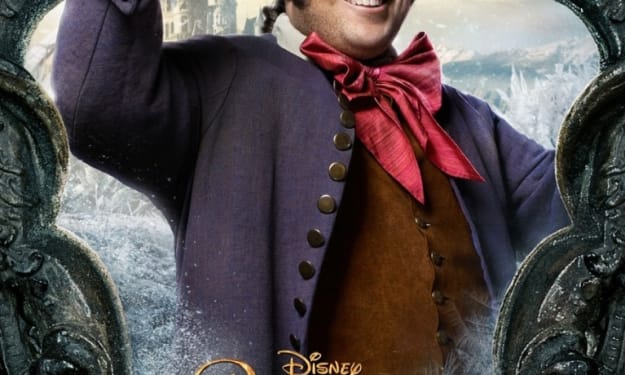
The controversy about "that gay moment" in Beauty and the Beast during the press junket week in Los Angeles; it was revealed during that long weekend of interviews that LeFou had the first acknowledged gay moment in a Disney film.
By Kristyn Burtt9 years ago in Geeks