
Robert Redford: The Hollywood Legend Who Redefined Storytelling
The Journey of an Actor, Director, and Visionary

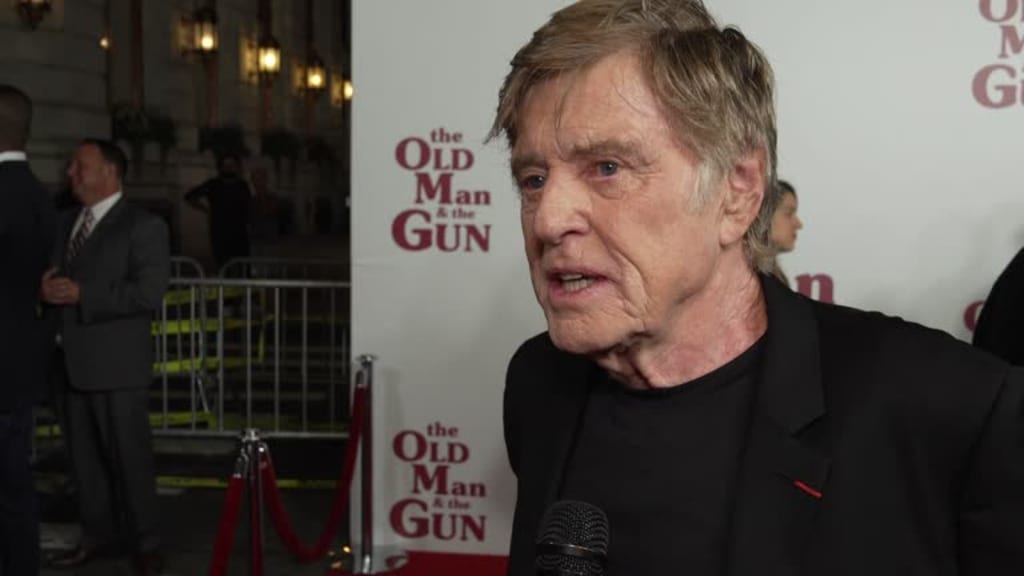
When we think of timeless Hollywood icons, Robert Redford immediately comes to mind. His name evokes images of charm, intelligence, and authenticity. From his early acting days in the 1960s to his role as a pioneering filmmaker and environmental advocate, Redford’s career is a blueprint of how one individual can leave an indelible mark on cinema and culture.
This story explores Robert Redford’s life, achievements, and lasting influence—making it not just a tribute but also a reminder of why his legacy remains evergreen.
Early Life: From Humble Beginnings to Stardom
Robert Redford was born on August 18, 1936, in Santa Monica, California. Growing up in modest circumstances, he developed an interest in drawing and painting before discovering his passion for performance. His early years weren’t easy; he lost his mother when he was just a teenager, a tragedy that shaped his perspective on life.
After briefly attending the University of Colorado, Redford studied painting in Paris and later enrolled in drama school in New York City. It was here that he found his true calling: acting. His determination and natural talent soon opened doors to Broadway productions, and by the early 1960s, Hollywood took notice.
The Rise to Fame: A Star is Born
Redford’s breakthrough came with the 1969 film “Butch Cassidy and the Sundance Kid”, where he starred alongside Paul Newman. The film not only became a box-office hit but also cemented Redford’s status as a leading man. The charm and chemistry between the two actors remain unmatched even today.
Following that, his roles in “The Sting” (1973), “All the President’s Men” (1976), and “The Great Gatsby” (1974) showcased his versatility. Redford had the rare ability to balance commercial success with critical acclaim, making him a favorite among both audiences and critics.
Beyond Acting: A Visionary Director
Not content with just being in front of the camera, Redford turned to directing. His directorial debut, “Ordinary People” (1980), was a massive success, winning four Academy Awards, including Best Picture and Best Director. This achievement proved that Redford was more than just a handsome face—he was a storyteller who understood the depth of human emotions.
Other notable films he directed include “A River Runs Through It” (1992) and “Quiz Show” (1994). Each of these films demonstrated his ability to handle complex themes with elegance and authenticity.
Sundance: More Than Just a Film Festival
Perhaps Redford’s greatest contribution to cinema is the creation of the Sundance Institute in 1981 and the Sundance Film Festival, which quickly became the premier showcase for independent films.
Redford believed that Hollywood often overlooked fresh voices and unique perspectives. By providing a platform for independent filmmakers, he transformed the landscape of cinema. Directors like Quentin Tarantino, Steven Soderbergh, and Kevin Smith owe much of their early success to Sundance.
Today, Sundance is synonymous with creativity, diversity, and bold storytelling—all thanks to Redford’s vision.
An Advocate for Nature and Society
Robert Redford isn’t just about movies. He has been a passionate environmental activist for decades. From speaking out against climate change to protecting America’s wilderness, Redford has consistently used his influence for good.
He has worked with organizations like the Natural Resources Defense Council (NRDC) and has produced documentaries highlighting environmental issues. His activism reinforces the idea that celebrities can play a powerful role in shaping public awareness.
Awards and Recognition
Over the decades, Redford has been honored with countless awards. Some of his most notable achievements include:
Academy Award for Best Director (1981, Ordinary People)
Golden Globe Awards for acting and directing
Presidential Medal of Freedom (awarded by President Barack Obama in 2016)
Kennedy Center Honors for his contribution to American culture
These accolades highlight his influence not only as an actor and director but also as a humanitarian.
Later Years: Still Relevant, Still Inspiring
Even in his later years, Robert Redford never stopped contributing to cinema. His performances in films like “All Is Lost” (2013) and “The Old Man & the Gun” (2018) showed his continued dedication to the craft.
In 2018, he announced his retirement from acting, but his influence continues to shine through Sundance, his environmental work, and the countless filmmakers he inspired.
Why Robert Redford’s Legacy Matters
Robert Redford represents more than just Hollywood glamour. He is a symbol of authenticity, resilience, and creativity. His journey from humble beginnings to global stardom teaches us that true success lies not only in personal achievement but also in lifting others up.
Through Sundance, he democratized filmmaking. Through his environmental advocacy, he reminded us of our responsibility to the planet. And through his films, he taught us about love, loss, ambition, and hope.
Conclusion
Robert Redford’s story is a masterclass in how to live a purposeful life. He was an actor who became a director, a director who became a cultural leader, and a cultural leader who became a global voice for change.
His career proves that legends are not born; they are made through hard work, passion, and a relentless belief in storytelling. Whether you’re a movie enthusiast, an aspiring filmmaker, or someone searching for inspiration, Robert Redford’s life is proof that one person can indeed change the world.
About the Creator
Vital East
Sharing clear, insightful stories on health and the Middle East—where knowledge meets perspective.
Keep reading
More stories from Vital East and writers in Geeks and other communities.
How to Stop Hair Fall Naturally: Simple & Effective Ways for Healthy Hair
It started with the shower drain. Every morning, I would notice a little more hair tangled around my fingers, a little more stuck to the tiles. At first, I told myself it was normal—“Everyone loses hair.” But soon, my ponytail felt thinner, my parting line a little wider. I stopped running my fingers through my hair in public, afraid of what I’d find.
By Vital East5 months ago in Longevity
Silver Screen Magic with Mae West
American actress and singer Mae West became a popular film actress during the Great Depression. She started entertaining in vaudeville, then performed on Broadway, and finally went to Hollywood. She signed up with Paramount Pictures and made her debut in the 1932 film “Night After Night.” She also starred in musicals, comedies, and crime dramas. The American Film Institute named her one of the best classic Hollywood actresses.
By Rasma Raisters6 days ago in Geeks
How to Succeed at the Benson Directory®
Congratulations and welcome to the Benson Directory® employee #22391! As our newest call handler, you will have the privilege of speaking with dozens of unique and interesting people on a daily basis as well as the opportunity to earn bonuses for high performance. Contained within this handbook you will find a set of ease to follow instructions designed to help you settle in to your new role and begin paving the way to success.
By S. A. Crawford2 days ago in Fiction




Comments
There are no comments for this story
Be the first to respond and start the conversation.