
Review Article: A Deep Dive into Baby Driver and Boyz n the Hood
The Power of Sound and Culture: A Comparative Review of Baby Driver and Boyz n the Hood

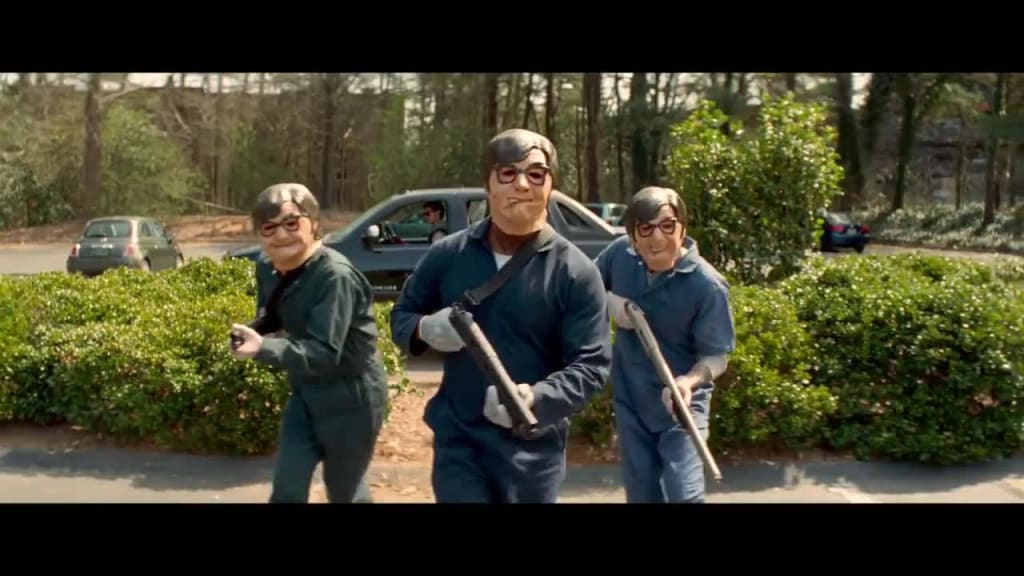
When it comes to impactful cinematic experiences, both Baby Driver (2017) and Boyz n the Hood (1991) stand out for their unique ways of blending sound, culture, and powerful narratives. Despite differing in time, style, and theme, these two films intersect on a common ground—using music and sound to enhance storytelling. Whether it's the rhythmic pulse of a getaway driver or the harsh realities of life in South Central Los Angeles, both films speak to the deep connection between music and identity. For vocal media geeks and film buffs, let's take a closer look at these two cinematic gems through the lens of sound design, narrative structure, and their cultural significance.
Baby Driver (2017) – A High-Speed Symphony
Edgar Wright’s Baby Driver is a masterful example of how music can drive both narrative and emotion in a film. In Baby Driver, the soundtrack isn’t just a background element—it's a character in itself. The story follows Baby, a young getaway driver with a constant soundtrack of music in his ears to drown out the ringing in his head from a childhood accident. From the moment the film opens with the pulsating rhythm of The Jon Spencer Blues Explosion's "Bellbottoms," it’s clear that Baby Driver is built on a foundation of music, with every scene meticulously choreographed to match the beats of its soundtrack.
For vocal media geeks, Baby Driver is a film that presents an intricate relationship between sound design, editing, and storytelling. The music is not only a tool to set the tone but is integral to the pacing of action scenes. Wright uses the songs to build tension, punctuate moments of suspense, and deepen character development. The editing in Baby Driver is so tightly synced to the rhythm of the music that it often feels like the film is an extended music video, with every gunshot, footstep, and car drift perfectly aligned to the beat. It's a technique that’s not just about showcasing the music but about creating a seamless narrative flow that keeps the audience on the edge of their seats.
What makes Baby Driver even more remarkable is its use of diegetic sound. The sound design of the film feels immersive, as we are placed directly inside Baby’s world. His constant interactions with his music player and the way the music echoes his emotions at any given moment makes it a study in how sound can shape character psychology. It's a stunning display of how a filmmaker can use an aural element, in this case, a curated soundtrack, to define a character’s personality.
Boyz n the Hood (1991) – A Poignant Soundtrack of Reality
John Singleton’s Boyz n the Hood doesn’t operate in the same high-octane, rhythm-based world as Baby Driver, but it shares the same reverence for the power of music in setting the tone and reflecting the social environment. This landmark film about growing up in South Central Los Angeles in the late 1980s and early 1990s is both a coming-of-age story and a meditation on race, class, and violence in America. Music plays a central role in this narrative, not only as a reflection of the time and place but also as a conduit for conveying the emotions and struggles of the characters.
The soundtrack of Boyz n the Hood is an impeccable mix of 90s hip-hop, R&B, and soul that instantly connects the audience to the era. Tracks like "Do You Feel Me" by 2Pac and "Just a Thought" by Ice Cube ground the film in the realities of the streets, while the subtle incorporation of songs like "Walk On By" by Isaac Hayes adds layers of emotional depth. Hip-hop, in particular, serves as an anthem for the characters in Boyz n the Hood, and the music feels intrinsically tied to the narrative's message about youth, survival, and identity.
For vocal media geeks, the soundtrack is a quintessential reflection of the genre's power. Hip-hop serves as the voice of the disenfranchised, expressing not just the external pressures of gang violence and police brutality but also the internal struggles of characters like Tre, Doughboy, and Ricky. The music is almost as much a part of the characters as their actions, reflecting their desires, frustrations, and dreams. Singleton uses the soundtrack not just as a cultural touchstone but as a method of emotional storytelling—highlighting the contrast between hope and despair in the lives of young men who must navigate a world that doesn't always offer them a future.
Sound as Identity – A Common Thread
Though Baby Driver and Boyz n the Hood occupy vastly different cinematic worlds, both films use music and sound to define their respective characters and settings. Where Baby Driver is a hyper-stylized, almost dreamlike experience built on a fast-paced narrative, Boyz n the Hood uses its soundtrack to root the characters in a harsh, unflinching reality. Both films utilize sound to craft identities for their characters, giving the audience access to their inner worlds.
In Baby Driver, Baby’s relationship with music highlights his desire for escape and control in a world that forces him into dangerous situations. The soundtrack is his lifeline, a way of asserting his identity and maintaining his sanity. In contrast, Boyz n the Hood uses music as an expression of community and struggle, as the soundtrack becomes a voice for an entire generation. It underscores the systemic pressures of living in a violent neighborhood while offering moments of hope and solidarity.
Cultural Significance and Legacy
Both Baby Driver and Boyz n the Hood hold significant places in their respective genres, with Boyz n the Hood widely recognized as a pioneering film that opened doors for more realistic depictions of African-American life in cinema. Its cultural impact resonates through its raw portrayal of life in the inner city, and the film’s soundtrack continues to serve as a timeless touchstone for hip-hop culture.
Meanwhile, Baby Driver stands as a perfect example of how sound can be used to elevate a genre film. While the car chases and heists offer the adrenaline of action cinema, it’s the soundtrack that truly elevates the film, making it a visceral experience for viewers. Edgar Wright’s ability to fuse sound with action has redefined how films can incorporate music as more than just a background element.
Conclusion: A Shared Love for Music
At their core, both Baby Driver and Boyz n the Hood share an intrinsic connection to music that transcends mere accompaniment. These films show how sound can do more than simply enhance a narrative; it can become a character, a reflection of time and place, and a tool to communicate deep, resonant emotions. For vocal media geeks, these films provide a fascinating study in the power of music to shape not just the audience's perception but also the very fabric of the story itself.
About the Creator
Alexander W Carlos
Hi, I am 12 year old kid just start writing to do something big in my life. I need support from you
Keep reading
More stories from Alexander W Carlos and writers in Geeks and other communities.
How to Watch Hulu in Israel [2025 Guide]
If you're in Israel and craving to watch Hulu in Israel diverse library of movies, TV shows, and exclusive content, you're not alone. Hulu, one of the most popular streaming platforms, is only officially available in the USA and a few USA territories. But don't worry—there are simple ways to bypass these geo-restrictions and access Hulu in Israel. In this guide, we’ll walk you through how to watch Hulu in Israel, with a special focus on using a VPN (Virtual Private Network), and we’ll also share some tips to ensure a smooth streaming experience.
By Alexander W Carlos10 months ago in Geeks
Silver Screen Magic with Mae West
American actress and singer Mae West became a popular film actress during the Great Depression. She started entertaining in vaudeville, then performed on Broadway, and finally went to Hollywood. She signed up with Paramount Pictures and made her debut in the 1932 film “Night After Night.” She also starred in musicals, comedies, and crime dramas. The American Film Institute named her one of the best classic Hollywood actresses.
By Rasma Raisters6 days ago in Geeks
Allu Arjun and Lokesh Kanagaraj to collaborate on a high-budget film? Director reportedly offered Rs 75 crore
Allu Arjun has been making headlines after speculation suggested that he would be joining hands with director Lokesh Kanagaraj for a film. Now, it appears that the project might go on floors soon, with reports claiming that the filmmaker will be paid a massive remuneration.
By Dena Falken Esq7 days ago in Geeks



Comments (1)
I love those movies! Good dive