
Regicide? The Death of William II
Why It's Shifty (Week 14)

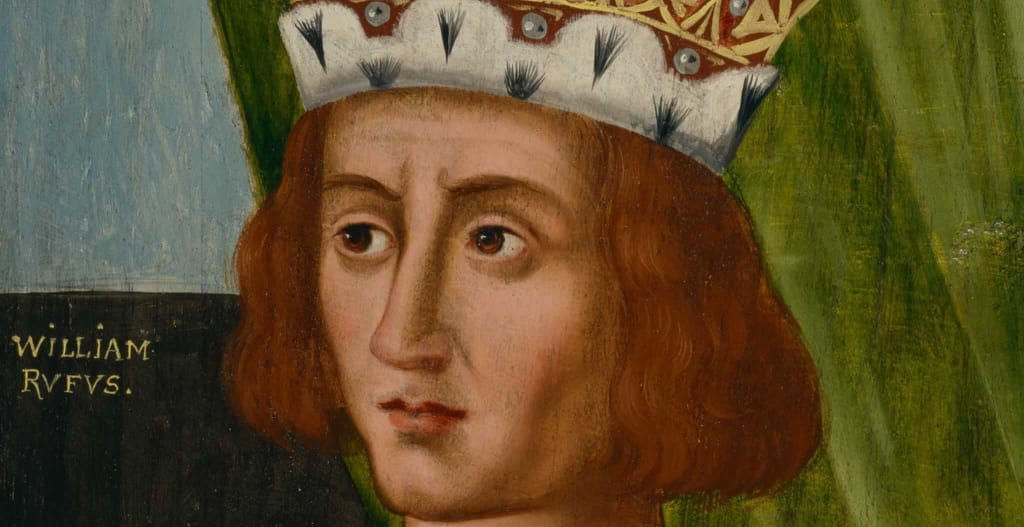
On 2 August 1100, William II of England, often known as William Rufus, met a sudden and mysterious end while hunting in the New Forest. He was struck in the chest by an arrow, supposedly fired by one of his own hunting companions, Sir Walter Tirel. While the official account states that Tirel’s shot was a tragic accident, his immediate flight from the scene raised suspicions. Adding to the intrigue, William’s younger brother, Henry, wasted no time in seizing the English throne, leading many to question whether the king’s death was a simple misfortune or a carefully orchestrated assassination. Let's have a look and then, you can make up your own mind...
Plot
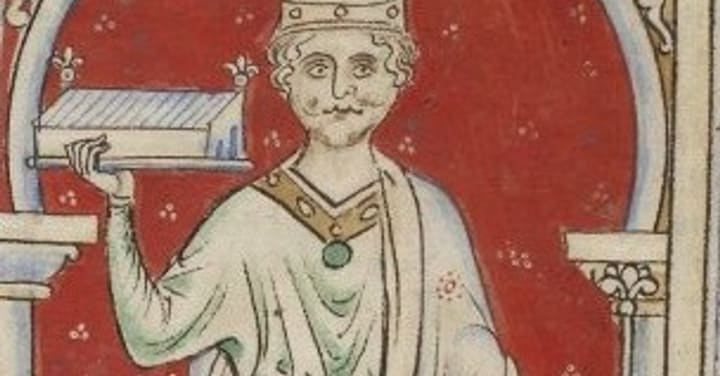
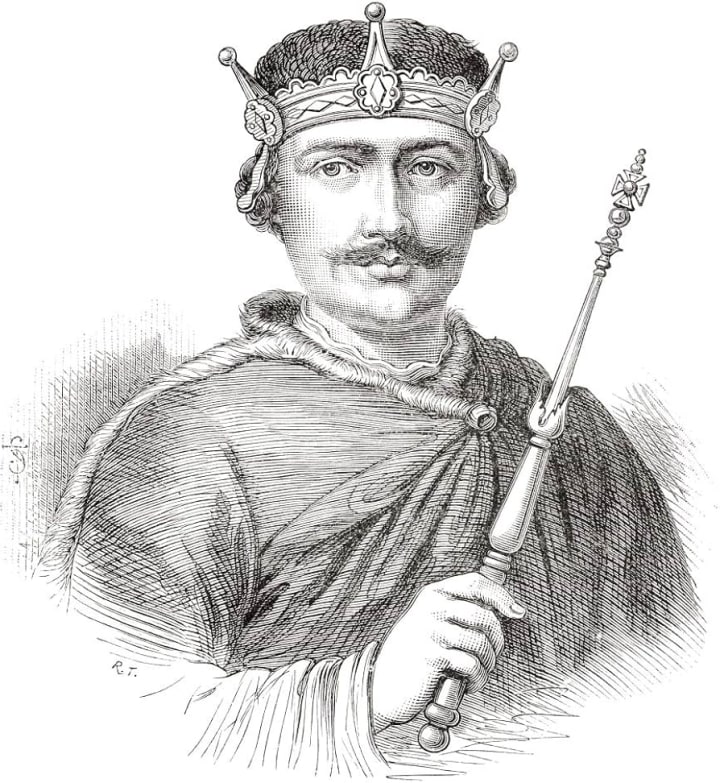
William II was the third son of William the Conqueror and succeeded his father as King of England in 1087. Unlike his father, William Rufus never married and had no children, which left the line of succession uncertain. His reign was marked by conflict, both with his own nobles and the Church. He clashed frequently with Anselm, the Archbishop of Canterbury, over the power of the monarchy versus the Church. His relationship with the Anglo-Norman barons was equally strained, as he demanded high taxes and displayed an authoritarian rule.
Despite his unpopularity among the clergy and nobility, William was a capable military leader. He successfully defended Normandy against his older brother Robert Curthose and expanded royal control over northern England. However, his reign was also marked by accusations of decadence, cruelty, and impiety, earning him a reputation as a harsh and unpopular ruler.
On the day of his death, William rode out into the New Forest with a small hunting party, including his brother Henry and Sir Walter Tirel. The circumstances of what happened next remain murky, but it is said that an arrow fired from Tirel’s bow struck the king in the chest, piercing his lung. According to accounts, Tirel panicked and fled to France, while the rest of the hunting party dispersed. Henry quickly rode to Winchester and claimed the throne before any formal investigation into William’s death could take place.
Is it not weird that on the very day of his death, Henry already had the keys to the treasury? Well, the course of the British Crown never did run smooth. Some even say that when the peasants around the area where William died put his body on a wagon to carry him home - he wasn't actually dead yet. With limited knowledge and supplies to do anything, these poverty-ridden local people possibly wanted to make the passage for their king as comfortable as they could.
Into the Theories
A Hunting Accident
The official version of events states that William’s death was a tragic accident. Hunting in dense woodland was dangerous, and arrows often ricocheted unpredictably. Tirel, whether responsible or not, may have fled in fear of being accused of regicide, a crime punishable by death.
An Assassination by Henry I
Another popular theory is that Henry, eager to claim the English throne, orchestrated his brother’s death. The speed with which he secured the crown, combined with the lack of any serious investigation, suggests prior knowledge or involvement in the incident.
A Conspiracy Involving the Church
William Rufus had a notoriously strained relationship with the Church, particularly with Archbishop Anselm. Some believe that religious figures, possibly in collusion with noblemen, arranged his death as divine punishment, ensuring that a more pious ruler would take the throne. William’s personal life and behaviour had long been a source of controversy, particularly his refusal to marry or produce an heir. Chroniclers at the time described his court as decadent and filled with men considered effeminate by medieval standards.
His reputation for surrounding himself with favourites of a similar nature led to suspicions regarding his sexuality, something the Church vehemently condemned. The clergy, already at odds with William over his control of church appointments and finances, may have seen his death as both a political and moral necessity. His successor, Henry I, was far more willing to work with the Church, suggesting that the religious establishment may have had both motive and influence in ensuring William's downfall.
A chronicler wrote of him:
"...all that was loathsome to God and righteous men, all that was customary in this land in his time. And for this he was loathed by nearly all his people, and odious to God..."
Why It's Shifty
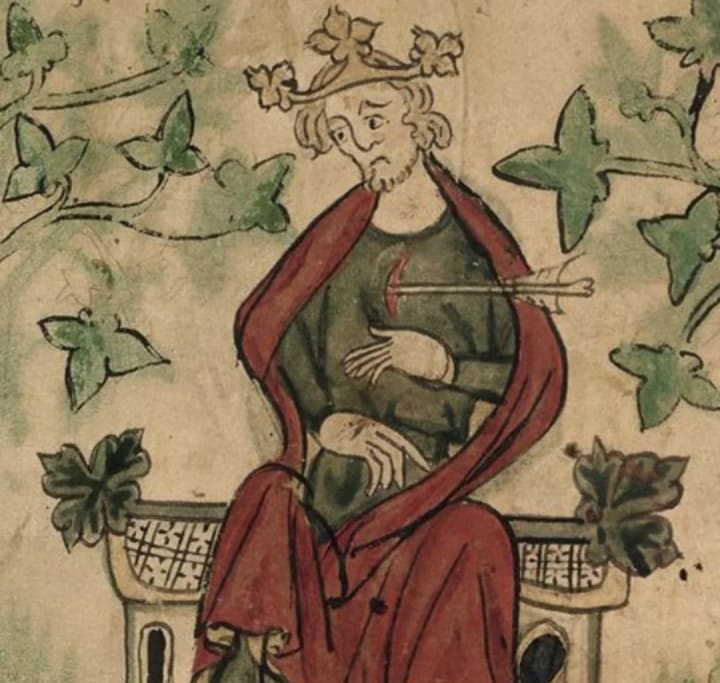
Despite centuries of speculation, no definitive evidence exists to confirm whether William’s death was an accident or murder. The lack of a thorough contemporary investigation, the suspicious behaviour of those involved, and the immediate coronation of Henry I all contribute to the mystery. Additionally, while Tirel was blamed, he was never caught or put on trial, leaving open the question of whether he truly fired the fatal shot. This is perhaps one of the earliest questions of who shot first, but there has always been a question of whether familial conflict was the main motive for it. A staged accident that was in fact a murder, or just something we are looking too deep into?
Conclusion
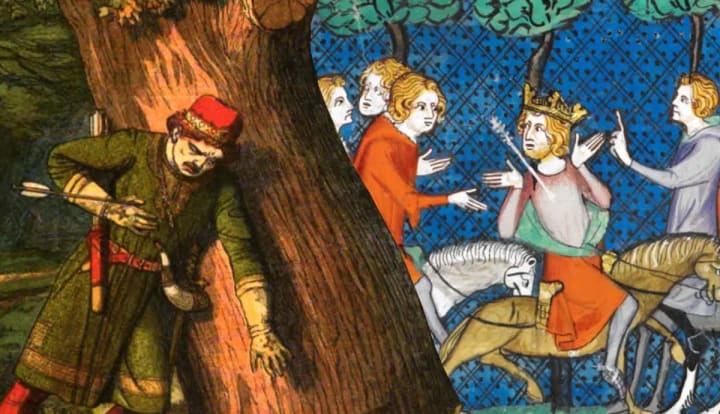
While conspiracy theories are present, the most plausible explanation is that William’s death was indeed an accident. Hunting was a dangerous pastime, and deaths were not uncommon. Tirel’s flight could have been driven by panic rather than guilt, fearing execution for regicide regardless of intent. However, Henry’s rapid claim to the throne suggests he may have taken advantage of the situation rather than orchestrating it. The truth remains lost to history, leaving William II’s death one of medieval England’s enduring mysteries.
Next Week: The Man in the Iron Mask
About the Creator
Annie Kapur
I am:
🙋🏽♀️ Annie
📚 Avid Reader
📝 Reviewer and Commentator
🎓 Post-Grad Millennial (M.A)
***
I have:
📖 280K+ reads on Vocal
🫶🏼 Love for reading & research
🦋/X @AnnieWithBooks
***
🏡 UK
Keep reading
More stories from Annie Kapur and writers in Geeks and other communities.
Book Review: "The House of Mirrors" by Erin Kelly
I have been trying to read more widely into my favourite genre to get a feel for all the different sub-genres in the air at the moment. I recently wrote an article entitled Everything is Cannibalism on the fact that there might be an issue with so many sub-genres within horror. But, it also ends on the note of perhaps splitting it off into sub-genres won't be that bad seeing as this means there'll be more experimenting going on within horror. It's a weird situation seeing as experimenting is good, but if everyone then starts writing one sub-genre because it's doing well, it becomes stale. In The House of Mirrors by Erin Kelly, I find we have two weird situations again: first of all, the book is pretty good in terms of plot and structure. However, unfortunately enough - I found the character of Alice to be not quite to my liking all the time.
By Annie Kapur8 months ago in Geeks
Marvel Zombie
The last entry into our 2025 superhero projects catalogue is Marvel Zombies. This was a show that was anticipated by absolutely no one and it disappeared from the public consciousness as quickly as it was released. There was nothing special about the project that made it a must see, or a must remember. In fact if anything it's a must forget.
By Alexandrea Callaghan20 days ago in Geeks
Marvel Just Confirmed Their New Black Panther? Avengers Doomsday Leak Breakdown
Marvel fans… things just went nuclear. The Black Panther x Fantastic Four x Avengers: Doomsday teaser trailer just leaked, and it arrived with a mountain of brand-new reports about Marvel’s plan for a brand-new T’Challa in the next Avengers movies.
By Bella Anderson6 days ago in Geeks



Comments (1)
I really enjoy reading your reviews Annie, they often lead to new books for me to read, and I love your analytical mind.