
Quote of the Day by Princess Diana: “I Think the Biggest Disease Is People Feeling Unloved… But I Can Give…”
Princess Diana’s timeless wisdom reminds us that the cure for loneliness lies in compassion, empathy, and the simple act of giving love.

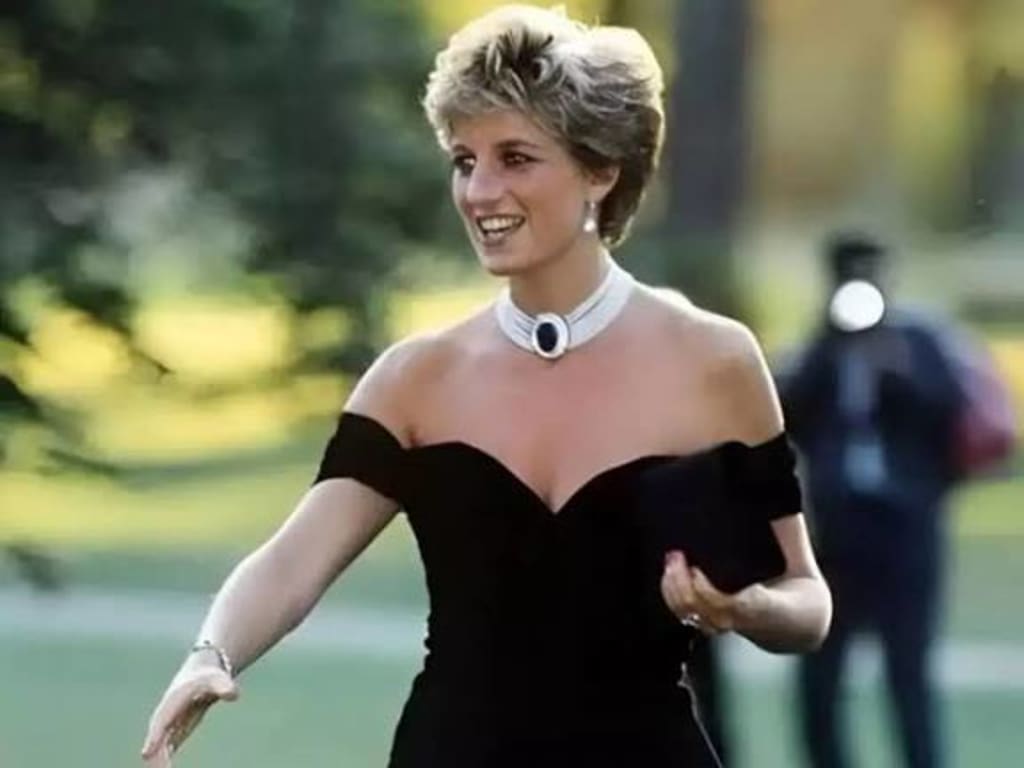
Princess Diana, the late Princess of Wales, remains one of the most iconic figures in modern history, not only for her royal lineage but also for her compassion, humility, and advocacy for human rights. Her words continue to resonate decades after her untimely death, offering wisdom, comfort, and a reminder of the power of empathy. One of her most profound statements is: “I think the biggest disease is people feeling unloved… but I can give…” This quote encapsulates her lifelong commitment to spreading love and kindness, even in the face of immense personal challenges.
Understanding the Depth of the Quote
At first glance, the quote appears simple—a reflection on love and care. However, when unpacked, it conveys multiple layers of meaning. Diana refers to the pervasive sense of emotional isolation that affects countless individuals worldwide. Loneliness, neglect, and the feeling of being unloved are, metaphorically, a disease because they erode human spirit, mental health, and social cohesion.
The latter part of the quote, “but I can give…”, underscores Diana’s personal approach to combating this “disease.” Rather than lamenting the lack of love in the world, she emphasizes actionable empathy—offering oneself as a source of compassion and connection. Her message is not just philosophical but deeply practical: even small acts of love and attention can profoundly impact someone’s life.
Princess Diana’s Legacy of Compassion
Princess Diana’s life serves as a living example of this quote. She was celebrated not only for her charity work but also for her ability to connect with people on a personal, human level. From visiting AIDS patients in hospitals to comforting victims of landmines, she consistently demonstrated that her care extended beyond formal obligations.
Her interactions were never performative—they were personal. She broke royal protocol to shake hands with HIV patients when many feared physical contact, and she held the hands of grieving families in war-torn regions. These acts reflected the essence of her statement: combating the emotional “disease” of feeling unloved with tangible gestures of empathy.
Relevance in Today’s World
In an era dominated by digital communication and social media, the disease Princess Diana spoke about is more relevant than ever. Despite technological advancements that connect billions globally, many people report feelings of isolation, anxiety, and depression. Social media, while fostering virtual interactions, often intensifies feelings of inadequacy and emotional disconnect. Diana’s words remind us that the antidote to these modern challenges lies in human connection—genuine care, listening, and presence.
Her quote also resonates with mental health advocates. Feeling unloved can trigger depression, stress, and anxiety. Initiatives promoting empathy, volunteering, and support systems are essentially modern applications of Princess Diana’s timeless advice. By “giving”—whether through attention, compassion, or assistance—we can alleviate the silent epidemic of emotional neglect that affects so many.
Applying the Quote in Daily Life
Princess Diana’s wisdom can guide daily actions and societal attitudes. Simple, intentional gestures—checking on a friend, volunteering for a cause, offering kind words to strangers—can counter the emotional void many experience. The principle is universal: while systemic change in society is necessary, individual efforts remain powerful and transformative.
For organizations, educators, and community leaders, Diana’s quote provides a guiding philosophy: fostering inclusive environments where people feel valued and loved is crucial. Schools, workplaces, and social programs that prioritize emotional well-being echo Diana’s ethos, creating communities that nurture rather than isolate.
Why Her Words Endure
The enduring relevance of Princess Diana’s quote lies in its simplicity, universality, and authenticity. It transcends time, culture, and social hierarchy. Unlike complex philosophical texts, her words are immediately understandable, yet profoundly impactful. They capture the human need for love and the responsibility of individuals to contribute positively to the emotional landscape of those around them.
Moreover, her life and words continue to inspire new generations. Celebrities, philanthropists, and ordinary individuals often cite Diana’s compassion as motivation for their own humanitarian work. Her legacy is a testament to how empathy and action can create ripples of change, reminding the world that feeling loved and giving love are central to human fulfillment.
Conclusion
Princess Diana’s insight that “the biggest disease is people feeling unloved… but I can give” remains as relevant today as it was during her lifetime. It challenges us to recognize the profound effects of emotional neglect while encouraging proactive compassion. In a world often marked by division, stress, and digital isolation, her words remind us that love—both given and received—is one of the most powerful cures.
By embracing her message, individuals can foster stronger communities, support mental health, and contribute to a more empathetic world. Diana’s quote is not merely a reflection of her life—it is a call to action, inspiring each of us to be a source of love, understanding, and hope.
About the Creator
Fiaz Ahmed
I am Fiaz Ahmed. I am a passionate writer. I love covering trending topics and breaking news. With a sharp eye for what’s happening around the world, and crafts timely and engaging stories that keep readers informed and updated.
Keep reading
More stories from Fiaz Ahmed and writers in Geeks and other communities.
Dhurandhar’: Saumya Tandon Says Ranveer Singh’s Silence Amid Film’s Success Shows His Maturity as an Actor
As Dhurandhar continues its impressive run at the box office, one aspect of the film’s success has sparked as much discussion as its performances and numbers: Ranveer Singh’s silence. In an industry where celebration, interviews, and social media statements often follow every hit, Ranveer’s decision to step back has surprised many. Actress and television personality Saumya Tandon, however, believes this silence speaks volumes about his growth—not as a star, but as an artist.
By Fiaz Ahmed about a month ago in Geeks
Silver Screen Magic with Mae West
American actress and singer Mae West became a popular film actress during the Great Depression. She started entertaining in vaudeville, then performed on Broadway, and finally went to Hollywood. She signed up with Paramount Pictures and made her debut in the 1932 film “Night After Night.” She also starred in musicals, comedies, and crime dramas. The American Film Institute named her one of the best classic Hollywood actresses.
By Rasma Raisters6 days ago in Geeks
Book Review: "The Queen" by Andrew Morton
You're probably wondering why on earth I would read this book. It was free and it was a fair length. That was basically it at first. But another reason is because I enjoyed the show The Crown and so, it only makes sense to read a book that goes through separating facts from fictions - and to be fair, there aren't a lot of fictions about the show it seems. From the birth of the little princess and the way in which her father was reluctantly to become the king, all the way to meeting and marrying the veteran prince, Duke of Edinburgh and even down to the death of her father, queendom and beyond, this book actually gives us a lot about a woman who basically embodied the greatness and modernisation of the British 20th Century.
By Annie Kapurabout 21 hours ago in Geeks


Comments
There are no comments for this story
Be the first to respond and start the conversation.