
Popular Culture: The Mirror of Modern Society
How movies, music, fashion, and social media shape the way we think, act, and connect.

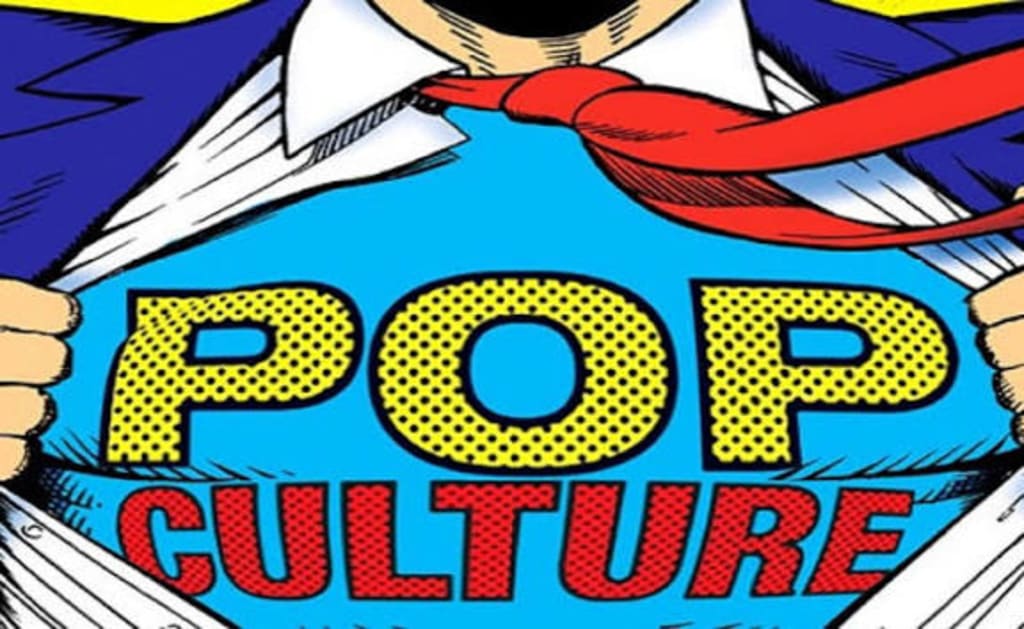
Every generation has its own version of popular culture — a mix of the music we listen to, the clothes we wear, the shows we binge, and even the memes we share. Popular culture, often called “pop culture,” is more than just entertainment. It’s a reflection of who we are, what we value, and how society evolves over time.
From Elvis Presley’s rock ‘n’ roll rebellion in the 1950s to today’s viral TikTok trends, pop culture has always been a powerful force shaping our identities and communities. It tells the story of each era — not through history books, but through creativity and expression.
---
What Is Popular Culture?
At its core, popular culture includes the ideas, styles, and media that appeal to the majority of people at a given time. It’s what’s “popular” — widely accepted and shared. This can include:
Music and dance trends
Movies and television
Fashion styles
Sports heroes
Social media content
Internet memes and viral moments
Pop culture is always changing. What’s trending today might feel outdated tomorrow. That’s because it reflects our fast-moving world — one that’s driven by technology, media, and human curiosity.
---
A Brief History of Pop Culture
The term “popular culture” became common in the early 20th century, when mass media like radio, film, and newspapers began to reach millions of people. Suddenly, entertainment wasn’t limited to live performances or local gatherings — it became a shared experience.
The 1950s brought rock ‘n’ roll, the 1960s introduced youth rebellion and social change, and the 1980s gave rise to MTV, fashion icons, and global celebrity culture.
Today, digital platforms like YouTube, Instagram, and TikTok have taken that role. Instead of waiting for the next big movie or song to release, trends can go viral overnight — often started by ordinary people, not traditional celebrities.
---
Pop Culture as a Reflection of Society
One of the most fascinating things about popular culture is how it mirrors society’s values and struggles. When we look back at old TV shows, music, or advertisements, we get a snapshot of what people cared about, feared, or dreamed of during that time.
For instance:
The 1960s’ music reflected peace movements and civil rights activism.
The 1990s saw the rise of grunge and hip-hop, expressing youth frustration and identity.
Today’s culture focuses on diversity, inclusion, and digital expression, showing how global and connected our world has become.
Pop culture doesn’t just entertain us — it helps us understand ourselves and each other.
---
The Power of Media and Technology
In the past, movies, radio, and television were the main sources of pop culture. But now, social media has completely changed the landscape. Platforms like X (formerly Twitter), Instagram, TikTok, and YouTube have given everyone a voice — and a stage.
This shift has made pop culture more democratic. Anyone can create content, become an influencer, or start a trend. A viral dance, a meme, or even a funny video can reach millions of people within hours.
However, this rapid exposure also comes with challenges. Trends fade faster, attention spans are shorter, and misinformation can spread just as quickly as entertainment. Still, the digital age has made pop culture more inclusive and accessible than ever before.
---
Fashion, Music, and Identity
Fashion and music have always been two of the strongest expressions of popular culture. They allow people to show who they are — or who they want to be.
From bell-bottom jeans and punk hairstyles to sneaker culture and K-pop, each trend represents more than just style. It’s a statement about belonging, freedom, and creativity.
Music, in particular, has always been a bridge between cultures. Artists like Beyoncé, BTS, Taylor Swift, and Bad Bunny connect millions of people across different countries and languages. Their songs often touch on themes like empowerment, love, and identity — universal emotions that define pop culture’s power.
---
Pop Culture and Social Change
Pop culture doesn’t just follow society — it can also lead it. Movies, songs, and social movements often use culture to challenge stereotypes and inspire change.
For example:
The movie Black Panther celebrated African culture and representation in Hollywood.
The #MeToo movement used social media to bring attention to women’s rights and workplace abuse.
TV shows like Euphoria and Heartstopper explore mental health and LGBTQ+ stories, helping normalize important conversations.
When art and entertainment highlight real issues, they help society grow more aware and compassionate.
---
The Double-Edged Sword of Fame
Another major part of modern popular culture is celebrity culture — our fascination with the lives of famous people. From Hollywood stars to online influencers, society often looks up to these figures as role models or trendsetters.
While fame can inspire creativity and ambition, it can also create unrealistic standards. Social media often shows only the glamorous side of life, leading to comparisons and pressure to “keep up.”
That’s why more influencers are now promoting authenticity, mental health awareness, and body positivity — shifting pop culture toward a healthier direction.
---
The Global Language of Pop Culture
One of the most exciting parts of modern pop culture is its global reach. Thanks to streaming services and social platforms, cultural exchange happens every day.
K-pop has captured Western audiences, American superhero films are beloved worldwide, and Latin music dominates global charts. This cultural blend shows that creativity knows no borders.
Pop culture, in this sense, has become a universal language — connecting people across continents through shared entertainment and emotion.
---
Final Thoughts
Popular culture is more than just fun or fashion. It’s a living record of human creativity — a mix of art, emotion, and technology that tells the story of our time.
Whether it’s a viral meme, a hit song, or a groundbreaking film, pop culture continues to influence how we see the world and each other. It reminds us that while trends change, our desire to connect, express, and belong will always remain the same.
---
About the Creator
Fiaz Ahmed
I am Fiaz Ahmed. I am a passionate writer. I love covering trending topics and breaking news. With a sharp eye for what’s happening around the world, and crafts timely and engaging stories that keep readers informed and updated.
Keep reading
More stories from Fiaz Ahmed and writers in Geeks and other communities.
Camila Mendes: More Than Just a Riverdale Star
When Camila Mendes first appeared on our screens as Veronica Lodge in the hit CW series Riverdale, few could have predicted how quickly she’d become one of Hollywood’s most promising young stars. Known for her sharp wit, intelligence, and emotional depth, Mendes has since evolved from a TV teen idol into a powerful voice for authenticity, diversity, and self-love.
By Fiaz Ahmed 3 months ago in Geeks
Silver Screen Magic with Mae West
American actress and singer Mae West became a popular film actress during the Great Depression. She started entertaining in vaudeville, then performed on Broadway, and finally went to Hollywood. She signed up with Paramount Pictures and made her debut in the 1932 film “Night After Night.” She also starred in musicals, comedies, and crime dramas. The American Film Institute named her one of the best classic Hollywood actresses.
By Rasma Raisters5 days ago in Geeks
Dhurandhar box office collection Day 37: Ranveer Singh, Akshaye Khanna’s film mints Rs 5.75 crore on Saturday amid ‘The Raja Saab’ buzz
Dhurandhar box office collection Day 37: Ranveer Singh, Akshaye Khanna’s film mints Rs 5.75 crore on Saturday amid ‘The Raja Saab’ buzz
By Dena Falken Esq7 days ago in Geeks



Comments
There are no comments for this story
Be the first to respond and start the conversation.