
Pale Fire by Vladimir Nabokov
Why It's a Masterpiece (Week 73)

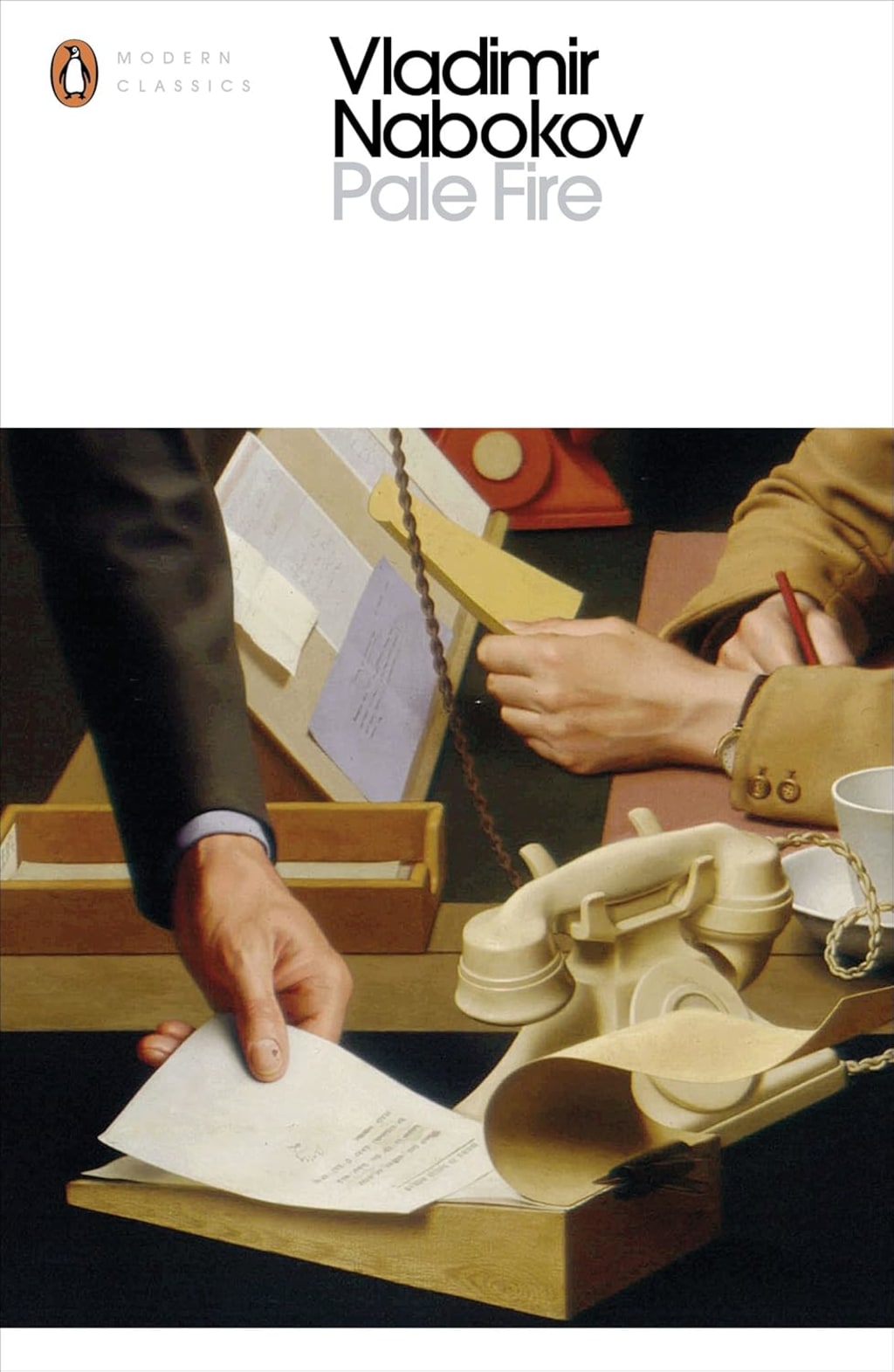
Vladimir Nabokov’s Pale Fire was published in 1962, following the success of his controversial novel Lolita. This postmodern masterpiece is a literary tour de force that defies conventional categorisation, blending elements of a novel, poem, and scholarly commentary. Nabokov wrote the book while living in Switzerland, during a period when his reputation as a literary innovator was firmly established.
Upon its release, Pale Fire received widespread acclaim, though some readers were initially puzzled by its unconventional format. Critics lauded Nabokov for his wit, linguistic brilliance, and ability to craft a narrative that is as intellectually stimulating as it is emotionally resonant. Over the decades, the novel has gained recognition as a landmark in postmodern literature, celebrated for its inventive structure and its exploration of themes such as obsession, identity, and the nature of art.
Plot
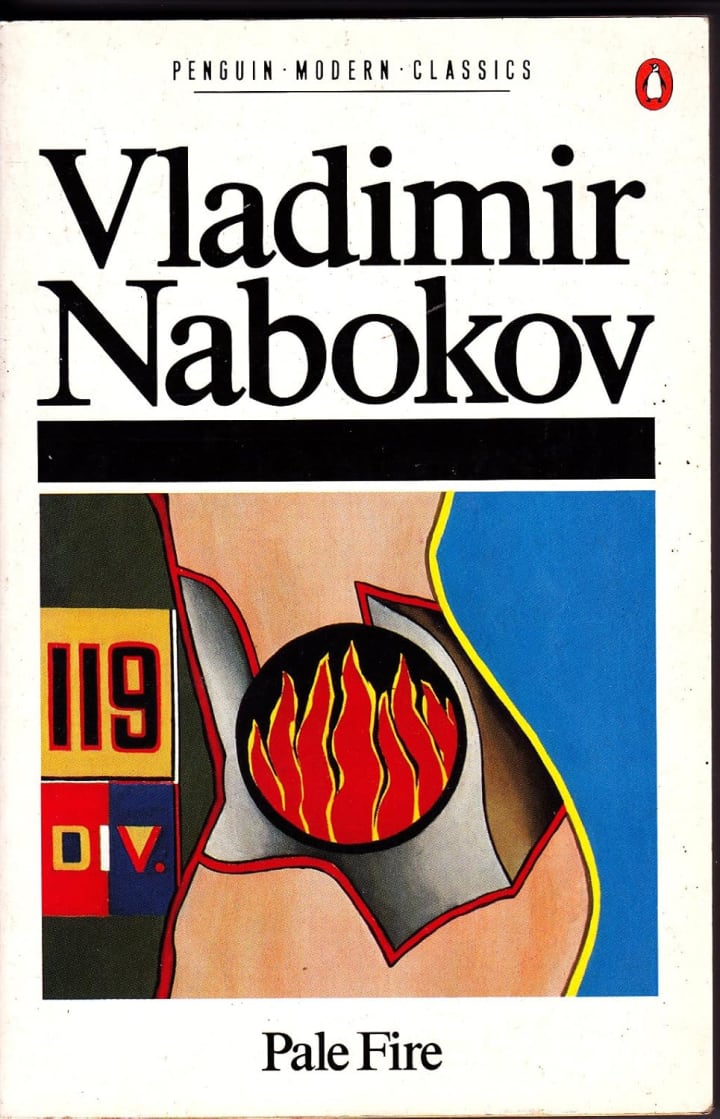
Pale Fire is a metafictional work that combines a 999-line poem by fictional poet John Shade with an elaborate commentary by Charles Kinbote, an eccentric academic who claims to be Shade’s confidant and literary executor. The interplay between Shade’s poem and Kinbote’s commentary forms the novel’s central narrative, revealing layers of complexity, humour, and tragedy.
The novel opens with a foreword by Kinbote, who presents himself as the editor of Shade’s final poem, “Pale Fire.” He promises to provide critical insights but quickly reveals his egotistical and unbalanced nature. Kinbote’s commentary dominates the book, often diverging wildly from the poem itself to focus on his own life story and obsessions.
The poem, a reflection on Shade’s life and the tragic death of his daughter, Hazel, explores themes of loss, mortality, and artistic creation. Shade meditates on the possibility of an afterlife, finding solace in the idea of artistic immortality. His deeply personal and lyrical verses contrast starkly with Kinbote’s rambling annotations, which reveal his delusions and questionable reliability as a narrator.
Kinbote claims to be the exiled King Charles of Zembla, a fictional northern kingdom. He insists that the poem contains hidden references to his life and the political upheaval in his homeland. However, his obsession with this fantastical narrative undermines his credibility, leaving readers to question the extent to which his story is a fabrication.
The plot’s tension culminates in the circumstances surrounding Shade’s death. Kinbote insists that Shade was mistakenly killed by an assassin aiming for him, a claim that further highlights his narcissism and detachment from reality. The novel concludes ambiguously, leaving readers to grapple with the dichotomy of Shade’s poetic vision and Kinbote’s distorted interpretation.
Into the Book
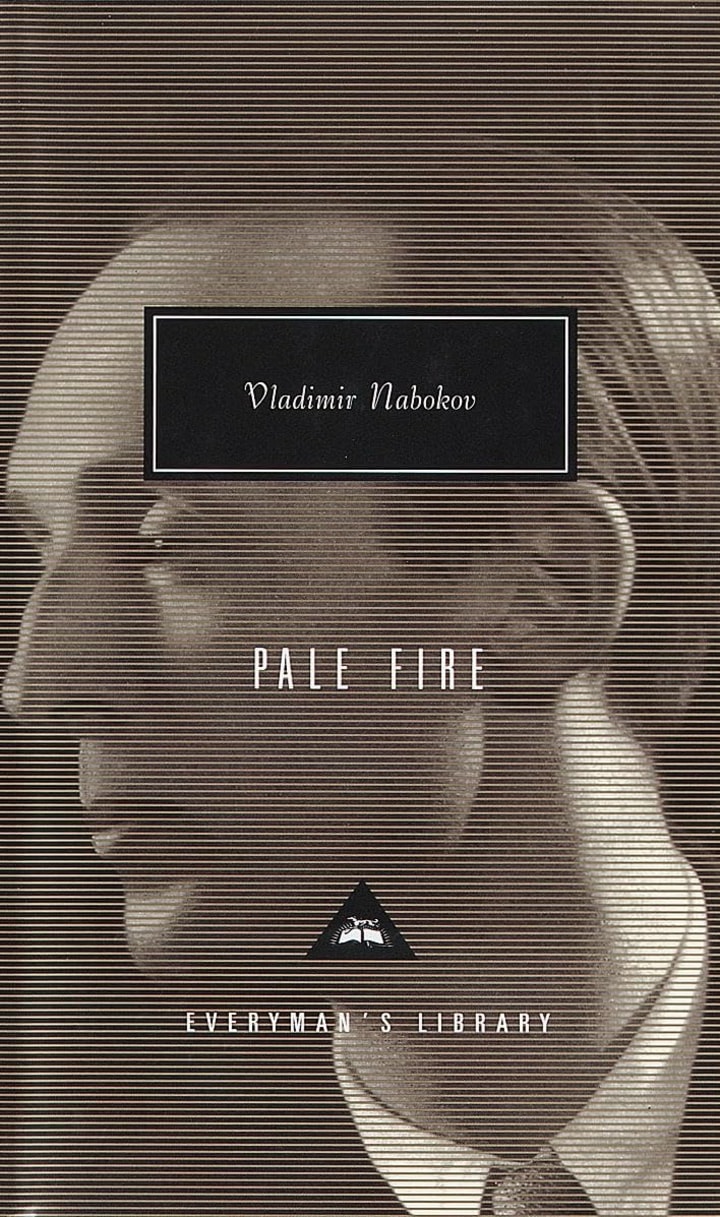
Art and Interpretation:
At its heart, Pale Fire is an exploration of the relationship between art and its interpretation. Nabokov uses the interplay between Shade’s poem and Kinbote’s commentary to illustrate how art can be distorted or reimagined by its audience. Shade’s poem is a deeply personal meditation on life and death, but Kinbote’s annotations twist its meaning to serve his delusional narrative.
For example, Shade’s lines, “I was the shadow of the waxwing slain / By the false azure in the windowpane,” reflect his introspection on mortality and the fragility of existence. However, Kinbote interprets these lines as coded references to Zembla and his own life, ignoring their emotional and philosophical resonance. This disconnect highlights the tension between artistic intent and subjective interpretation, emphasising how meaning can be shaped or misappropriated by readers.
Nabokov critiques the tendency of readers and scholars to impose their own narratives onto art, often at the expense of the artist’s original vision. By presenting Kinbote as an unreliable commentator, he underscores the dangers of misreading and over-interpretation.
“All colors made me happy: even gray.
My eyes were such that literally they
Took photographs. ”
- Pale Fire by Vladimir Nabokov
Obsession and Delusion:
Kinbote’s obsession with Shade and his delusional belief in his identity as King Charles of Zembla form the psychological backbone of the novel. His fixation on inserting himself into Shade’s narrative drives much of the plot, revealing his unstable mental state and inability to distinguish reality from fantasy.
Kinbote’s commentary is filled with grandiose claims about his royal lineage and the political intrigue of Zembla, but these accounts are riddled with inconsistencies and absurdities. For instance, he describes his escape from Zembla with melodramatic flair, portraying himself as a heroic figure pursued by relentless enemies. His narrative becomes increasingly unhinged, blurring the line between his delusions and his manipulation of Shade’s poem.
Through Kinbote, Nabokov examines the destructive nature of obsession and its impact on perception. Kinbote’s inability to see beyond his own desires and fantasies isolates him from others and undermines his role as a commentator. His madness serves as a counterpoint to Shade’s poetic wisdom, highlighting the fragility of the human mind when consumed by self-centred delusions.
“The sun is a thief: she lures the sea
and robs it. The moon is a thief:
he steals his silvery light from the sun.
The sea is a thief: it dissolves the moon.”
- Pale Fire by Vladimir Nabokov
Mortality and the Afterlife:
Shade’s poem, “Pale Fire,” is a meditation on mortality, grief, and the possibility of an afterlife. Through his lyrical verses, Shade grapples with the loss of his daughter, Hazel, and the existential questions that arise from her death. He seeks solace in the idea of artistic immortality, suggesting that art can transcend the limitations of human existence.
In one striking passage, Shade writes, “Life everlasting - based on a misprint! / I am not quite sure whether I am right, / But I suspect the dead are happy night.” These lines encapsulate his ambivalence about the afterlife, blending hope and scepticism in a way that resonates with universal human concerns.
Kinbote’s commentary, however, trivialises these reflections by focusing on his own fantastical interpretations. This contrast underscores the novel’s broader exploration of mortality: while Shade seeks meaning in art and philosophy, Kinbote clings to delusions that shield him from confronting his own fears of death.
“A thousand years ago five minutes were
Equal to forty ounces of fine sand.
Outstare the stars. Infinite foretime and
Infinite aftertime: above your head
They close like giant wings, and you are dead.”
- Pale Fire by Vladimir Nabokov
Why It's a Masterpiece
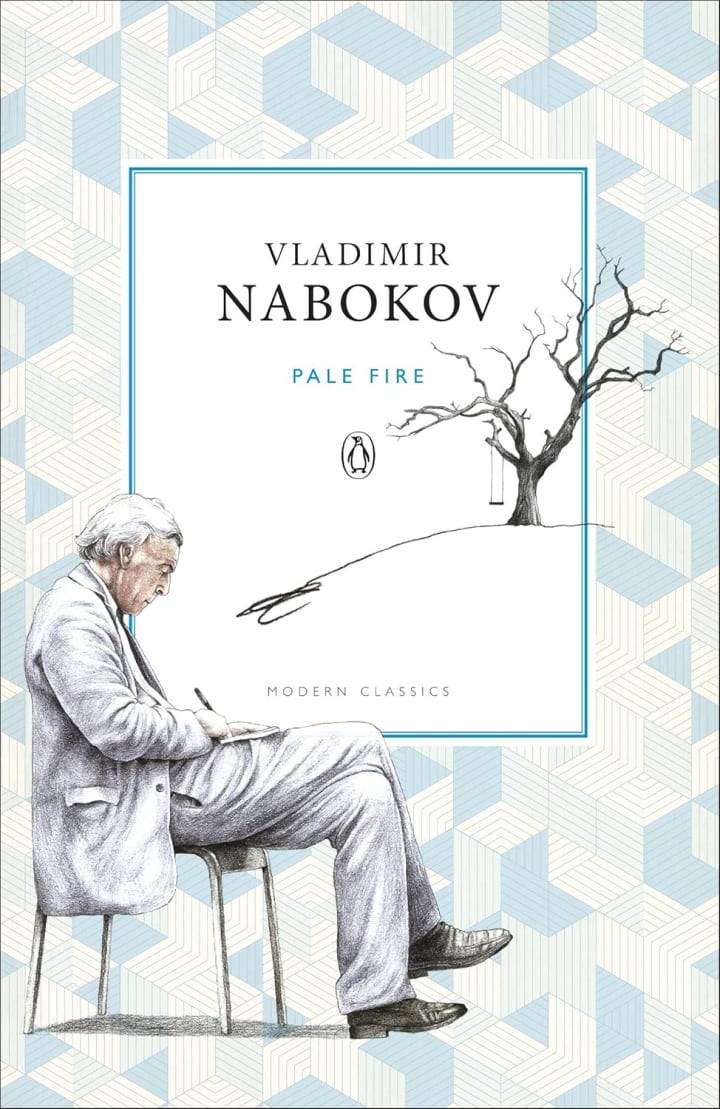
The novel’s intellectual depth and humour set it apart as a work of extraordinary creativity. Nabokov’s playful use of language and intricate wordplay demonstrate his mastery of the written word, while his biting satire critiques academic pretension and the human tendency to distort truth.
At the same time, Pale Fire delves into universal themes such as mortality, obsession, and the nature of art. The contrast between Shade’s poetic introspection and Kinbote’s egotistical ramblings highlights the tension between artistic creation and interpretation, inviting readers to question the reliability of narrators and the malleability of meaning.
Critics have praised the novel for its emotional resonance, as Shade’s reflections on loss and the afterlife imbue the narrative with philosophy. Nabokov’s ability to balance intellectual sophistication with emotional depth ensures that Pale Fire appeals to both the heart and the being of the reader, and is definitely considered one of Nabokov's own greatest works.
Conclusion
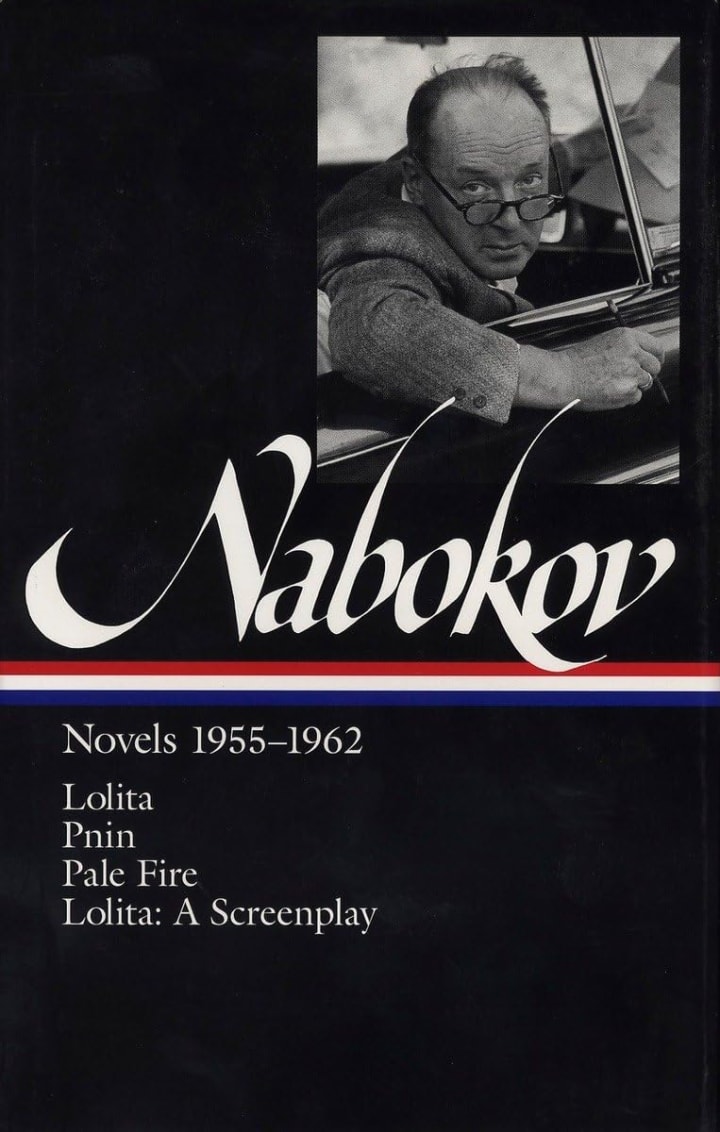
So as we can see, Nabokov’s exploration of art, mortality, and the complexities of human perception continues to captivate readers and scholars alike. The novel’s sharp wit and emotional depth ensure its philosophical quest, while its layered narrative invites endless reinterpretation. Pale Fire is not only an example to Nabokov’s genius but also a celebration of the literary puzzle: to challenge, provoke, and inspire. When I first read this book some years ago, it went right to becoming one of my favourite novels by the author. Of course, that would be after Invitation to a Beheading.
Next Week: Winesburg, Ohio by Sherwood Anderson
About the Creator
Annie Kapur
I am:
🙋🏽♀️ Annie
📚 Avid Reader
📝 Reviewer and Commentator
🎓 Post-Grad Millennial (M.A)
***
I have:
📖 280K+ reads on Vocal
🫶🏼 Love for reading & research
🦋/X @AnnieWithBooks
***
🏡 UK
Keep reading
More stories from Annie Kapur and writers in Geeks and other communities.
Book Review: "Woes of the True Policeman" by Roberto Bolaño
Roberto Bolaño is a great author. I read 2666 some time ago and annotated my copy with all of the profound quotations I could find upon major themes. Read the first impressions I had of it about five years' ago here. Apart from 2666 though, I don't think I have had more interest in his novels until now. Woes of the True Policeman might be so much shorter than 2666 but that doesn't mean it loses any of Bolaño's wit, depth of fragmentation. (It also has some pretty cool connections to the earlier book). By the time he died at the age of 50 years' old, this author had done so much and written some fantastic books - this one included.
By Annie Kapur6 months ago in Geeks
Silver Screen Magic with Mae West
American actress and singer Mae West became a popular film actress during the Great Depression. She started entertaining in vaudeville, then performed on Broadway, and finally went to Hollywood. She signed up with Paramount Pictures and made her debut in the 1932 film “Night After Night.” She also starred in musicals, comedies, and crime dramas. The American Film Institute named her one of the best classic Hollywood actresses.
By Rasma Raisters5 days ago in Geeks
Julian Barnes Says Goodbye to the Novel: A Literary Icon Reflects on a Storied Career
In the world of contemporary literature, few authors have commanded as much respect and admiration as Julian Barnes. Known for his incisive wit, keen psychological insights, and elegant prose, Barnes has spent decades shaping modern fiction, producing works that blend philosophical inquiry with human storytelling. Now, the celebrated novelist has announced that he is saying goodbye to the novel, signaling the end of an era for readers who have long followed his literary journey. A Career Defined by Curiosity and Elegance Julian Barnes, born in Leicester in 1946, has been one of Britain’s most distinguished literary figures since the 1980s. Over his career, he has authored a remarkable array of novels, essays, and short stories, earning accolades including the prestigious Man Booker Prize for his 2011 novel The Sense of an Ending. His works frequently explore themes of memory, love, mortality, and the elusive nature of truth, often inviting readers to examine the complex moral and emotional layers of human experience. Barnes’ decision to step away from the novel comes as both a surprise and an inevitability for many of his devoted readers. In interviews discussing his forthcoming farewell, he emphasized that the decision was not born from fatigue, but from a desire to conclude his career on his own terms, rather than letting external pressures dictate his creative output. “I feel I have said what I wanted to say in fiction,” Barnes explained. “The novel has been my lifelong companion, but it is time to part ways with it gracefully, rather than cling to it.” The End of an Era Barnes’ departure from the novel is significant not only for its timing but also for what it represents in the literary landscape. Over the past four decades, Barnes has been part of a cohort of writers who elevated modern British literature, combining literary sophistication with widespread accessibility. His ability to blend narrative innovation with philosophical depth has influenced a generation of authors, from novelists exploring the intricacies of memory to those experimenting with metafiction and historical inquiry. Works like Flaubert’s Parrot and Arthur & George exemplify Barnes’ talent for merging intellectual curiosity with human emotion. In Flaubert’s Parrot, he dissected the life of the French novelist Gustave Flaubert, blending biography, literary criticism, and narrative playfulness in a way that challenged conventional storytelling. Arthur & George, meanwhile, retold the story of a real-life legal case in Edwardian England, illuminating themes of justice, identity, and the human desire for truth. Such novels have left an indelible mark on literary studies and popular reading alike. A Reflection on Literary Form Barnes’ farewell also prompts reflection on the state of the novel itself. In recent years, traditional literary forms have faced pressure from emerging technologies, the rise of digital media, and shifting reading habits. Barnes’ choice to retire from the novel underscores a sense that the literary form is evolving, and that authors must navigate these changes while remaining true to their artistic vision. Critics suggest that Barnes’ departure may inspire readers and writers alike to reassess what the novel can achieve in a rapidly changing cultural landscape. His works have demonstrated that fiction can simultaneously entertain, educate, and provoke deep contemplation—a standard that future authors may strive to uphold. Legacy Beyond the Page Although Barnes is stepping away from the novel, his influence will persist across literary circles and classrooms worldwide. His essays, critical writings, and memoirs offer further insight into his philosophical and aesthetic approach, while his novels will continue to be studied, enjoyed, and debated for generations. Students of literature often cite his deft handling of narrative perspective, temporal shifts, and moral ambiguity as exemplary, showcasing the enduring power of the written word to capture the complexities of life. Barnes’ announcement also raises questions about what comes next for an author who has spent his entire adult life shaping fictional worlds. While he may no longer write novels, he has hinted at the possibility of exploring essays and non-fiction, channels through which he can continue to engage with ideas, culture, and history. A Farewell to Fiction, Not to Thought Julian Barnes’ goodbye to the novel is bittersweet for readers, critics, and literary enthusiasts alike. It marks the close of a chapter not just in his career but in contemporary literature, reminding the world of the profound impact one writer can have over decades of dedicated craft. Yet even as he steps away from the novel, Barnes’ commitment to inquiry, reflection, and storytelling will continue to resonate. “Books have given me a lifetime of joy,” Barnes said. “I hope they have done the same for my readers. Now it is time to let the novel rest, while the conversation it has inspired continues.” In bidding farewell to the novel, Julian Barnes leaves a legacy defined by intellectual rigor, emotional depth, and narrative brilliance. His works will remain essential reading for anyone who seeks to understand the human condition through the lens of literature. And while the novel may no longer see new works from him, the world of fiction will forever bear the imprint of his extraordinary voice.
By Fiaz Ahmed Brohi5 days ago in Geeks
A Dart at Dusk
Seconds ago, the sullen sun set on the two of us… my exuberant furry companion and me. A fresh breeze embraces us, delivering welcome relief from the day’s oppressive heat. His typical stumbling and staggering along — apace with a sloth — has turned into trip-trapping, high-stepping, almost skipping along.
By Angie the Archivist 📚🪶5 days ago in Petlife




Comments (1)
Gosh this sounds so interesting from your review… and then I wonder if I will begin reading it and think “what a bunch of hooey!” Maybe he was high when he was writing it? I don’t use drugs but many do and think it gives them insight. I reply that I get great ideas (the conversation was not around writing), and my head is clear🤣🤣 Thanks for your reviews! I will have to read faster.