
'Minari' - A Film for the Asian Diasporas
The Academy-Award-nominated film does what most movies don't - allows Asian Americans to be seen.

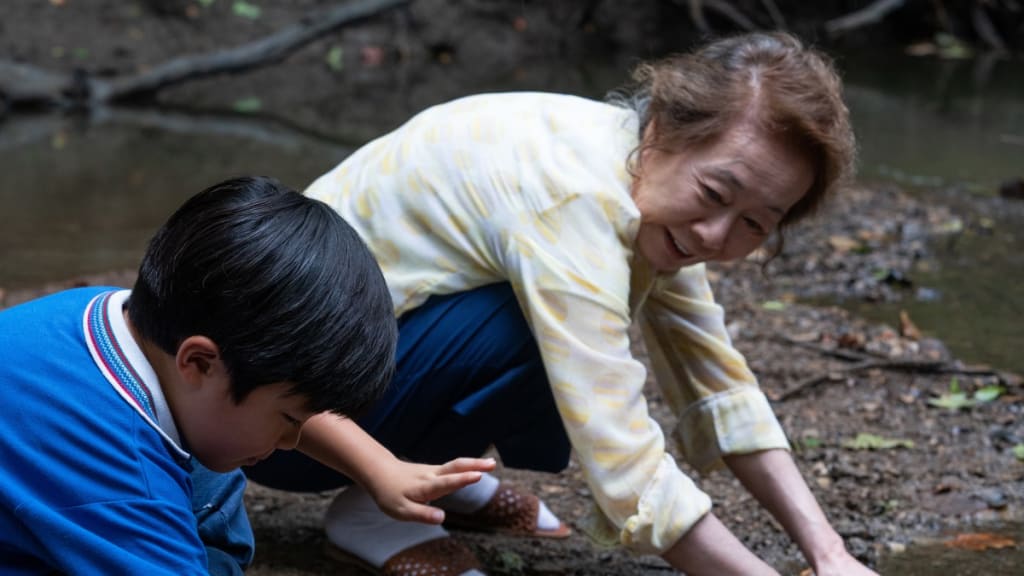
“Grandma smells like Korea”, complains seven-year-old David Yi (Alan Kim) in A24’s latest release, Minari. Set in 1970s Alabama, the film’s narrative jumps into action when David’s Grandmother, Soonja (Yoon Yuh-Jung), is invited by his parents, Jacob (Steven Yeun) and Monica (Han Ye-ri), to live with them in their new trailer home. After moving from South-Korea to the rural and desolate Arkansas, Soonja brings with her hopes of mending Jacob and Monica’s deteriorating marriage. But for David, Soonja has brought only culinary staples from Korea, including seeds of the minari plant which the film is named after. Besides this, her presence is unwarranted. For him, she smells foreign, she smells other – he is Korean-American, and she “smells like Korea”.
Minari beautifully captures a narrative not often seen in American cinema. The growing relationship between David and his grandma highlights the important difference between being Asian diaspora and from Asia, during a difficult period in history for Asians worldwide. Over the past year, the pandemic has acted as an accelerant for Anti-Asian hate crimes, with an article from CNN reporting that they “are up to 164%”. This massive spike in Anti-Asian violence has targeted elderly Asians in particular, with brutal attacks causing hospitalisation, and even death. Yet simultaneously, the popularity of Asian produce and entertainment has vastly increased. Asian drama shows from Korea and Taiwan reach a global viewership on streaming platforms like Netflix, and K-Pop artists are dominating music charts worldwide. Even staple Asian foods like sushi, ramen and pho are being stripped and modified into acceptable fusion dishes. However, despite this expanding demand for all things Asian, crimes against Asian people are continuing to grow. This sends a clear message to Asian diaspora; some aspects of “foreignness” are acceptable, others are not.
This is a lesson that the characters in Minari learn early on in their move to Arkansas. The Yi family’s appearance as the only non-white group of people in a local church creates tension, where their presence is met with smiles of discomfort. David is even asked by another child why his “face is flat”. Throughout the movie the only white character, Paul, who is kinder towards the Yi family, is seen as odd by surrounding families. His excitement towards them is often from a place of weird fascination, as he expresses over-exaggerated joy tasting kimchi, or relaying his stories about being based in Korea during the war. Seeing this, the reasoning for David’s initial distain towards Soonja becomes clear. He has been taught by others that in order for him to be accepted, he needs to disregard the elements that make him Korean.
Arguably, one of the most beautiful things to come out of the film is the relationship that develops between David and Soonja. David goes from telling his grandmother that she “shouldn’t have come to America” to deeply caring for her after she experiences a stroke. He teaches his white friend the card game she taught him, and uses the same Korean phrases he heard from her. This relationship allows viewers to understand director and writer Lee Isaac Chung’s motive – creating a film which truly inhabits the Asian-American experience, whilst breaking the limited narrative perception towards Asian diasporas. Minari is a film which not just targets a broad audience, but creates a dynamic where diaspora Asians like myself feel not just seen, but acknowledged and appreciated.
Minari and its portrayal of relationships in immigrant families is an important cinematic masterpiece, as it allows diaspora Asians to have an element of familiarity on screen. In the film, David goes from pushing away his Korean grandmother due to the fear of being ‘other’, to accepting both her and the culture she brings with her. For diaspora Asians, this is a journey that the majority of us have experienced. Minari allows us to see not just ourselves as acceptable, but our immigrant roots too. It allows us to understand that we can be both – Asian and diaspora.
About the Creator
Keep reading
More stories from Geri Chan-Blackburn and writers in Geeks and other communities.
2020 Oscar Nominations: The Biggest Snubs
January 13th marked the announcement of this year’s Oscar nominees, with Joker, 1917, The Irishman and Once Upon a Time… In Hollywood front-running with the most nominations. Despite yearly protests to diversify the Academy Awards, this year had people calling #OscarsSoWhite yet again, with Cynthia Erivo being the only person of colour nominated in an acting category.
By Geri Chan-Blackburn6 years ago in Geeks
Silver Screen Magic with Mae West
American actress and singer Mae West became a popular film actress during the Great Depression. She started entertaining in vaudeville, then performed on Broadway, and finally went to Hollywood. She signed up with Paramount Pictures and made her debut in the 1932 film “Night After Night.” She also starred in musicals, comedies, and crime dramas. The American Film Institute named her one of the best classic Hollywood actresses.
By Rasma Raisters5 days ago in Geeks
How to Succeed at the Benson Directory®
Congratulations and welcome to the Benson Directory® employee #22391! As our newest call handler, you will have the privilege of speaking with dozens of unique and interesting people on a daily basis as well as the opportunity to earn bonuses for high performance. Contained within this handbook you will find a set of ease to follow instructions designed to help you settle in to your new role and begin paving the way to success.
By S. A. Crawforda day ago in Fiction




Comments
There are no comments for this story
Be the first to respond and start the conversation.