
Malcolm in the Middle and the Quiet Chaos of Growing Up Poor
Some shows entertain you for a while and then fade. Others sit with you for years, showing up in your thoughts when life feels messy or unfair.

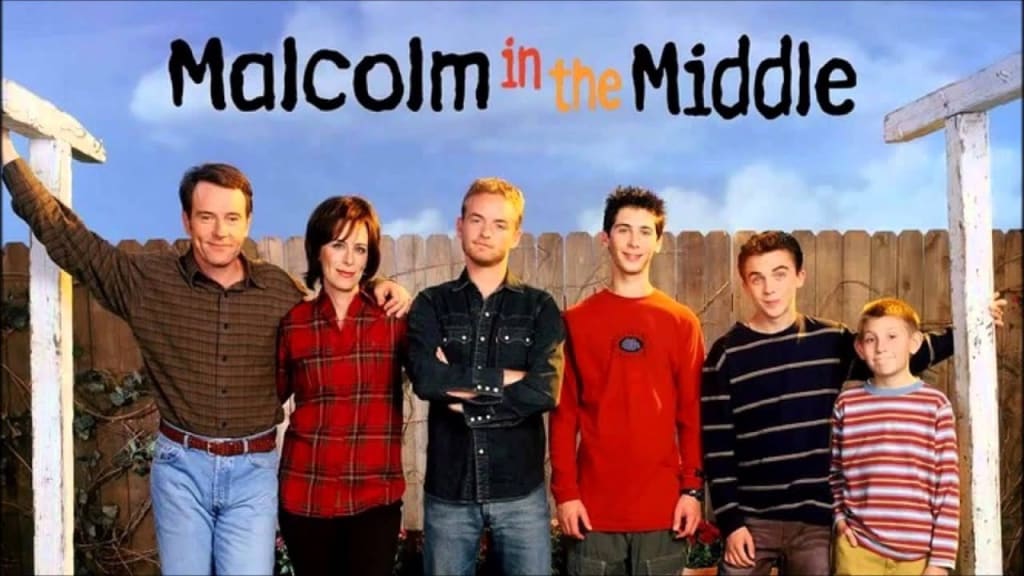
Some shows entertain you for a while and then fade. Others sit with you for years, showing up in your thoughts when life feels messy or unfair. Malcolm in the Middle belongs to the second kind. On the surface, it looks loud and silly. Kids yelling, parents arguing, problems piling up. But underneath that noise is something honest and deeply human. The show understands what it feels like to grow up in a house where money is tight, emotions are louder than words, and no one has time to slow down. Watching Malcolm in the Middle feels like remembering parts of childhood you did not know how to name back then. That is why it still matters.
Why Malcolm in the Middle Still Feels Real
Many family sitcoms present comfort. Clean houses, easy problems, warm endings. Malcolm in the Middle does the opposite. It shows cluttered rooms, unpaid bills, and parents who are exhausted rather than wise.
That honesty is rare. The family does not pretend things will magically work out. They struggle, argue, and fail. Yet they stay together.
This realism is one reason Malcolm in the Middle still connects with viewers today. It mirrors how life actually feels for many families.
The Power of a Messy Household
The house in Malcolm in the Middle always feels too small. Clothes pile up. Things break and stay broken. Privacy barely exists.
This setting matters. It reflects emotional pressure. When space is limited, tempers rise. Silence becomes rare.
Many viewers recognize this environment instantly. It feels familiar, not staged. The mess becomes part of the story rather than background decoration.
Malcolm as a Child Who Thinks Too Much
Malcolm is gifted, but his intelligence feels like a burden. He sees problems before others do. He understands unfairness early.
Being smart does not save him. It isolates him.
Malcolm in the Middle shows how intelligence without support can feel lonely. Malcolm wants a normal life, but his mind keeps pulling him into questions no one else wants to answer.
This tension shapes much of the show’s emotional core.
Growing Up Poor Without Romanticizing It
The show never turns poverty into a lesson wrapped in warmth. Being poor is stressful. It limits choices. It causes arguments.
Malcolm in the Middle shows parents choosing between necessities. It shows kids embarrassed by what they do not have.
These moments are not played for pity. They are treated as normal, which makes them more painful and more honest.
Lois as a Mother Who Is Always Tired
Lois is often labeled as harsh. She yells. She controls. She rarely relaxes.
But Malcolm in the Middle slowly reveals why. She carries the weight of survival. She manages chaos so the family does not collapse.
Her anger comes from fear and exhaustion, not cruelty. Many viewers understand her better as adults than they did as kids.
Hal and the Fragile Side of Fatherhood
Hal is emotional, impulsive, and deeply loving. He panics easily. He avoids responsibility at times.
But he cares without reservation.
Malcolm in the Middle presents fatherhood not as authority, but vulnerability. Hal feels overwhelmed, confused, and deeply attached to his family.
This portrayal feels honest in a way that few sitcom fathers ever did.
Siblings as Rivals and Allies
The brothers fight constantly. They hurt each other. They embarrass one another.
Yet when something serious happens, they close ranks instantly.
Malcolm in the Middle captures sibling relationships accurately. Love does not look gentle all the time. Sometimes it looks like teasing, shouting, or silence.
This balance between cruelty and loyalty feels real.
Reese and the Fear Behind Anger
Reese appears violent and reckless. But the show hints at his confusion and insecurity.
He struggles academically. He feels unseen unless he acts out.
Malcolm in the Middle uses Reese to show how anger can grow from feeling lost. His behavior is not excused, but it is explained.
That explanation creates empathy without softening reality.
Dewey and the Cost of Being Ignored
Dewey is quiet, observant, and emotionally aware. He often goes unnoticed.
Malcolm in the Middle shows how neglect does not always come from malice. Sometimes it comes from exhaustion.
Dewey adapts by becoming self-reliant early. This strength feels bittersweet.
Many viewers connect deeply with Dewey because they remember being the child who learned to cope alone.
The Show’s Use of Humor to Soften Pain
The humor in Malcolm in the Middle is sharp, but it rarely feels cruel. It comes from situations rather than mocking.
Laughter becomes a release valve. Without it, the show would feel heavy.
The jokes allow difficult truths to land gently. They invite viewers to laugh, then think.
This balance keeps the show emotionally accessible.
Breaking the Fourth Wall Without Breaking Trust
Malcolm often speaks directly to the audience. He shares thoughts he cannot say aloud.
This technique creates intimacy. Viewers feel like confidants.
Malcolm in the Middle uses this device to reveal inner conflict without long speeches. It feels natural, not gimmicky.
It also reinforces Malcolm’s isolation. He speaks to us because he feels unheard at home.
School as Another Place of Pressure
School does not offer escape for Malcolm. It creates new problems.
Being labeled gifted separates him from peers. Teachers expect too much. Other kids resent him.
Malcolm in the Middle shows how academic labels can trap children rather than help them.
Success becomes another burden to manage.
The Krelboyne Class and Social Isolation
The gifted class is portrayed as awkward, insecure, and desperate for connection.
These characters are not stereotypes. They feel painfully real.
Malcolm in the Middle treats intelligence as socially complicated rather than heroic.
Belonging matters more than brilliance, and the show understands that deeply.
Childhood Shame and Small Humiliations
The show often focuses on tiny moments of embarrassment. Worn clothes. Broken bikes. Public arguments.
These moments hurt because they feel familiar.
Malcolm in the Middle understands that childhood pain often comes from small, repeated experiences rather than big tragedies.
That attention to detail makes the emotional impact stronger.
Money as a Constant Background Stress
Money problems never disappear. They hover in every decision.
The family argues about bills. Repairs get delayed. Vacations are rare and stressful.
Malcolm in the Middle does not resolve these issues neatly. That honesty keeps the story grounded.
The lack of financial relief mirrors real life for many families.
Why the Show Does Not Offer Easy Lessons
Many sitcoms end episodes with clear morals. Malcolm in the Middle rarely does.
Problems sometimes stay unresolved. Characters do not always learn.
This approach respects the audience. Life does not always teach lessons clearly.
The show trusts viewers to sit with discomfort.
Growing Up Too Fast
The children often handle adult problems. They understand money stress, work pressure, and disappointment early.
Malcolm in the Middle shows how growing up poor often means losing innocence sooner.
This loss is not dramatic. It happens quietly, over time.
That subtlety makes it more painful and more true.
The Absence of Sentimentality
The show avoids emotional speeches. Love is shown through actions, not words.
Parents show care by working overtime. Siblings protect each other in small ways.
Malcolm in the Middle understands that affection often looks rough in stressed households.
This lack of softness makes the love feel stronger.
Rewatching the Show as an Adult
Many viewers return to Malcolm in the Middle later in life and see it differently.
As children, they related to the boys. As adults, they understand the parents.
This shift adds depth. The show grows with its audience.
It becomes less about chaos and more about endurance.
Why Malcolm in the Middle Avoids Nostalgia
The show does not romanticize childhood. It shows joy, but also fear and confusion.
This honesty prevents nostalgia from distorting memory.
Malcolm in the Middle respects childhood as complicated rather than magical.
That respect makes it timeless.
Emotional Honesty Without Preaching
The show never tells viewers how to feel. It presents situations and lets emotions surface naturally.
There is no guiding voice explaining right or wrong.
Malcolm in the Middle trusts emotional intelligence rather than instruction.
This trust deepens its impact.
Masculinity Without Stereotypes
The male characters express fear, sadness, and vulnerability.
Crying is not mocked. Anxiety is not hidden.
Malcolm in the Middle quietly challenges narrow ideas of masculinity without announcing it.
That subtlety makes it effective.
Family Loyalty Despite Constant Conflict
Arguments are constant. But abandonment is not.
No matter how bad things get, the family stays together.
Malcolm in the Middle shows loyalty not as perfection, but persistence.
That message resonates deeply.
Why the Ending Feels Honest
The show does not tie everything up neatly. Futures remain uncertain.
This uncertainty fits the story.
Malcolm in the Middle ends the way it lived, without false comfort.
It respects reality over fantasy.
The Lasting Cultural Impact
The show influenced how family stories are told on television.
It proved that comedy could carry emotional truth without softening edges.
Malcolm in the Middle opened space for stories about struggle that still allowed laughter.
That influence remains visible today.
Why the Show Still Finds New Audiences
New viewers discover the show and feel seen.
Economic stress, family tension, and emotional overload remain relevant.
Malcolm in the Middle speaks to anyone who grew up feeling overwhelmed.
Its honesty does not age.
The Quiet Comfort of Being Understood
Watching the show feels like someone acknowledging your experience without judgment.
It says, this was hard, and you survived.
That recognition matters.
Malcolm in the Middle offers comfort not by fixing pain, but by naming it.
Conclusion: Why Malcolm in the Middle Still Matters
Malcolm in the Middle is not about genius, chaos, or comedy alone. It is about endurance.
It captures the quiet resilience of families who keep going without praise.
The show reminds us that love can be messy, loud, and imperfect.
That reminder stays with viewers long after the screen goes dark.
In a world that often hides struggle, Malcolm in the Middle tells the truth, and that truth still matters.
About the Creator
Muqadas khan
Hi! Welcome to my Vocal page. I’ll be sharing fresh articles every day covering stories, ideas, and a bit of inspiration to brighten your feed. Thanks for reading and supporting daily writing! 📖💫
Keep reading
More stories from Muqadas khan and writers in Geeks and other communities.
Kai Cenat and the Pressure of Growing Up Online Fame Today
Fame used to arrive slowly. It took years of work, distance, and mystery. For Kai Cenat, fame arrived fast and loud, in front of millions of eyes that never look away. His rise did not happen behind closed doors. It happened live, in real time, with every mistake, laugh, and emotional shift captured on screen. This makes his story more than one of success. It is a story about growing up while being watched. About learning who you are while the internet decides who you should be. This article looks closely at Kai Cenat as a person, not just a creator, and explores what it really means to carry sudden visibility at a young age.
By Muqadas khan21 days ago in Geeks
Silver Screen Magic with Mae West
American actress and singer Mae West became a popular film actress during the Great Depression. She started entertaining in vaudeville, then performed on Broadway, and finally went to Hollywood. She signed up with Paramount Pictures and made her debut in the 1932 film “Night After Night.” She also starred in musicals, comedies, and crime dramas. The American Film Institute named her one of the best classic Hollywood actresses.
By Rasma Raisters5 days ago in Geeks
Ludacris and Nelly draw backlash over bookings at MAGA-coded music festival
Ludacris and Nelly headlining a mostly right-wing event is good for them. It’s also great for the genre of hip hop. The two rap veterans have showcased their talents on other stages. Why can’t they perform for mostly MAGA folks and grab that bag?
By Skyler Saunders3 days ago in Beat


Comments
There are no comments for this story
Be the first to respond and start the conversation.