
Luo Bin’s New Dawn (当大事) Wins Best Short Film at the Septimius Awards 2025 and Paralympic Japanese actress Mei Ichinose is nominated for Best Asian Actress for her role in “The Edge”
A New Dawn for Chinese Film: Luo Bin's Triumph at the Septimius Awards 2025 and Mei Ichinose's nomination


In a significant moment for Chinese filmmaking, director Luo Bin’s poignant and evocative short film, "New Dawn," was awarded Best Short Film at the prestigious Septimius Awards 2025. The ceremony, held on September 4th at the iconic Tuschinski Theater in Amsterdam, celebrated a diverse range of cinematic talent from across the globe, and Luo’s win stood out as a beacon of hope and recognition for Chinese artists who have long been on the periphery of Western award circuits.
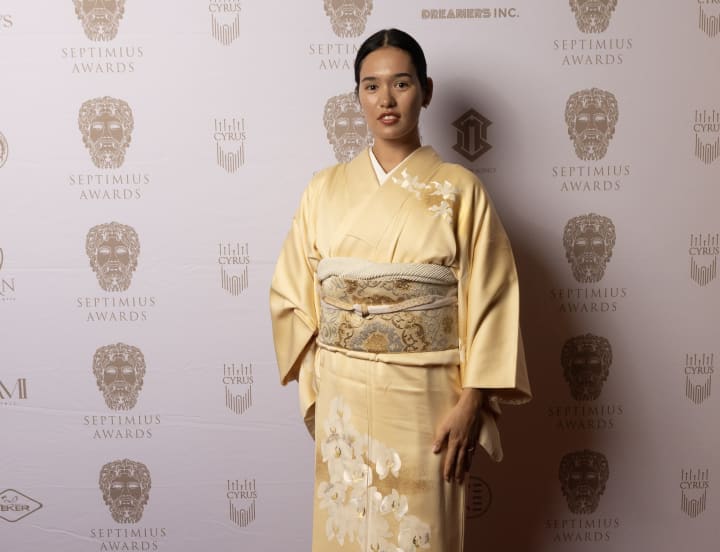
The Septimius Awards, with its mission to discover and champion new talent, has carved a unique niche for itself in the international film landscape. Unlike many established festivals and awards, it actively seeks out visionary films and projects from all over the world, with a particular focus on works from Asia, Africa, and Oceania. This commitment to a global perspective is what makes Luo Bin's victory so meaningful.

Luo Bin's "New Dawn" is a testament to the creativity and skill that flourishes within the Chinese film industry. Details about the film itself are scarce, but its victory suggests a powerful and resonant narrative that transcends cultural boundaries. The title, "New Dawn," carries a symbolism that feels particularly apt for this moment. It signifies not only a new beginning within the film’s story but also, perhaps, a new era of recognition for Chinese cinema on the international stage.
The Septimius Awards' dedication to a more inclusive and representative awards model was further highlighted by the nomination of Japanese actress Mei Ichinose for Best Asian Actress for her role in the film "The Edge." While she did not take home the award, her nomination is a powerful statement. "The Edge" is a dramatic feature that explores the lives of three female athletes, including a Japanese Paralympic swimmer. The inclusion of such a specific and authentic narrative, and the recognition of Ichinose's performance, demonstrates a move towards a more nuanced and respectful appreciation of Asian stories and the talent that brings them to life.
Mei Ichinose's performance in "The Edge" is particularly notable. The film, which has been praised for its authentic portrayal of the challenges faced by elite female athletes, features Ichinose in a leading role. Her character, Yui, a Japanese Paralympic swimmer, confronts issues of stigma and isolation, adding a layer of depth and reality to the film's narrative. The fact that a Western-produced film, directed by Jane Larkin, so effectively incorporates and elevates an Asian story and performance speaks to a growing desire for genuine cross-cultural collaboration and storytelling.
The triumph of "New Dawn" and the nomination of Mei Ichinose collectively signal a shift. While Western cinema's historical bias towards its own productions is deeply ingrained, there is a growing appetite for stories that challenge and expand the existing canon. Awards ceremonies like the Septimius Awards are at the forefront of this change, providing a crucial platform for underrepresented voices. They recognize that cinematic excellence is not confined to one continent or culture.
The impact of this recognition extends far beyond the awards ceremony itself. It provides much-needed validation for a generation of Chinese filmmakers who are pushing the boundaries of their craft. It encourages investors and producers to take a chance on emerging Chinese talent, knowing that their work has the potential to resonate with a global audience. Furthermore, it challenges Western audiences to look beyond their familiar viewing habits and explore the rich tapestry of films being produced in Asia.
The victory of "New Dawn" serves as a powerful reminder that compelling storytelling is a universal language. It speaks to the human experience in a way that transcends cultural and geographical divides. Luo Bin’s film, in its own unique way, has contributed to a broader dialogue about what constitutes cinematic excellence. It has helped to dismantle the outdated notion that films must adhere to a Western-centric formula to be considered great.
Luo Bin’s success and Mei Ichinose’s nomination are not isolated events but rather part of a larger, ongoing shift in the global film industry. As technology makes it easier than ever for filmmakers to produce and distribute their work, and as audiences become more open to diverse content, the traditional power structures of Hollywood and European cinema are beginning to crumble. This "new dawn" is not just for Chinese cinema but for all of global cinema, as it moves toward a more inclusive, equitable, and vibrant future.
As the credits roll on the Septimius Awards 2025, the message is clear: the future of cinema is not just Western—it is truly, and beautifully, global. The road ahead may be long, but with victories like Luo Bin's, a new and exciting chapter in film history has already begun.
About the Creator
MarqueeNarrative
Marquee Narrative
Keep reading
More stories from MarqueeNarrative and writers in Geeks and other communities.
Shohreh Aghdashloo wins Lifetime Achievement Award and Mahnaz Afshar wins Best Asian Actress and “The Seed of the Sacred Fig” Honored at Septimius Awards 2025 — Iranian Winners Shine in Amsterdam
The Tuschinski Theater in Amsterdam was the epicenter of cinematic celebration on September 4, 2025, as the Septimius Awards paid tribute to a trio of extraordinary Iranian talents. The prestigious ceremony, revered for its global perspective, bestowed a Lifetime Achievement Award upon the incomparable Shohreh Aghdashloo, honored "The Seed of the Sacred Fig" with the Best Asian Film award, and recognized Mahnaz Afshar as Best Asian Actress for her role in "A Date In November." These accolades not only mark personal milestones but also stand as powerful testaments to the enduring strength and influence of Iranian cinema on the world stage.
By MarqueeNarrative4 months ago in Geeks
Marty Supreme Review: Timothée Chalamet Is Excellent, The Movie… Not So Much
⭐ Rating: 2 out of 5 stars Marty Supreme Directed by Josh Safdie Written by Josh Safdie, Ronald Bronstein Starring Timothee Chalamet, Gwyneth Paltrow, Tyler The Creator, Odessa A'zion
By Sean Patrickabout a month ago in Geeks
Why Prostokvashino Still Feels Like Home: A Timeless Soviet Animated Classic
Few animated films manage to feel both deeply local and universally relatable. Prostokvashino—more precisely, Three from Prostokvashino (1978) and its sequels—belongs to that rare category. Created by director Vladimir Popov and based on Eduard Uspensky’s beloved stories, the film has become a cornerstone of Soviet and post-Soviet childhoods. Decades later, it remains endlessly rewatchable, quoted, memed, and cherished across generations.
By David Cook7 days ago in Geeks
Standing While Falling
Quotation from Friedrich Nietzsche "He who wrestles long with monsters should beware lest he himself become a monster. And if you gaze long into an abyss, the abyss also gazes into you. Man is not destroyed by suffering, but by the meaning he makes of it."
By LUCCIAN LAYTH5 days ago in Critique


Comments