
Les Enfants Terrible by Jean Cocteau
Why It's a Masterpiece (Week 62)

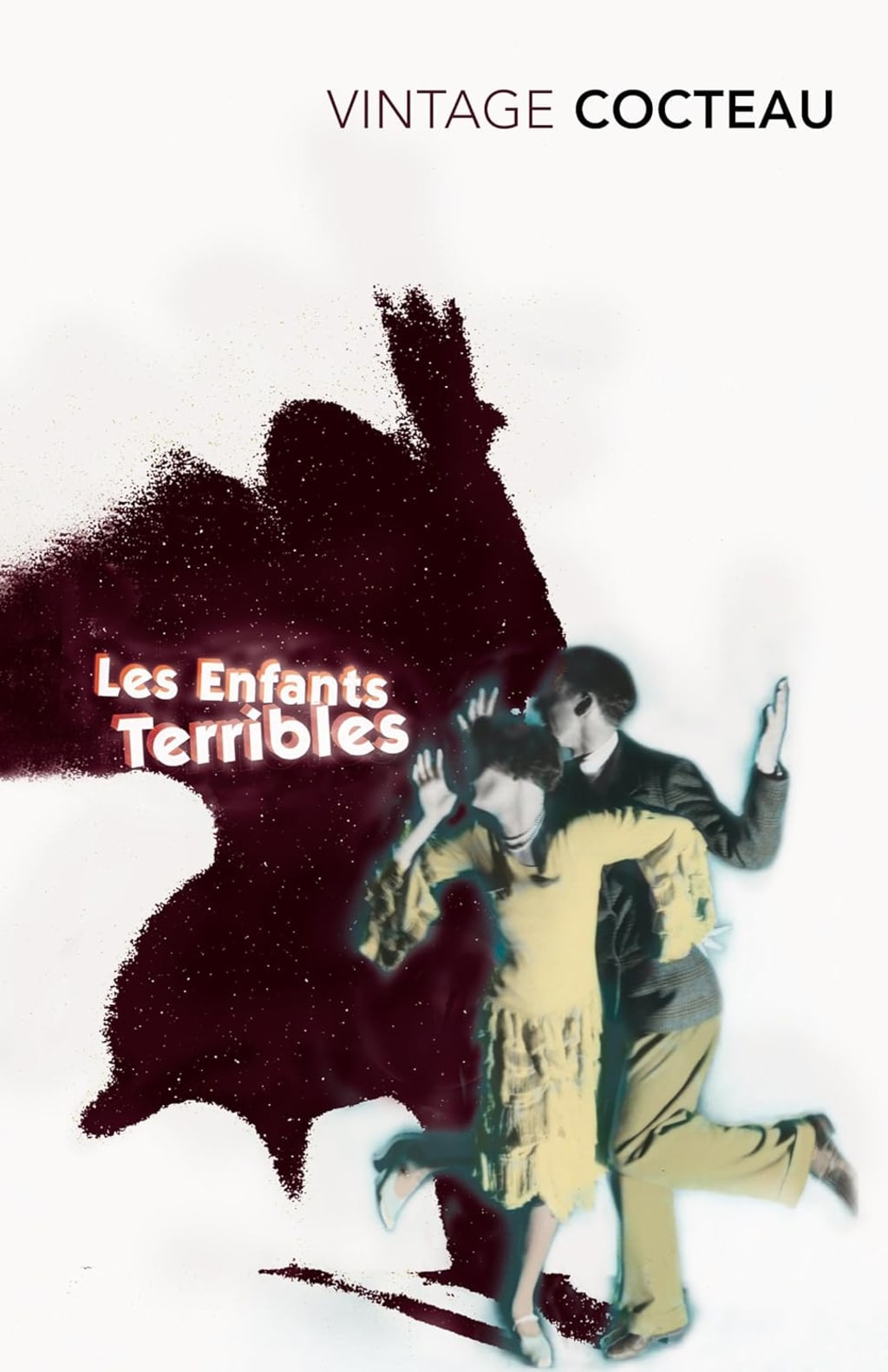
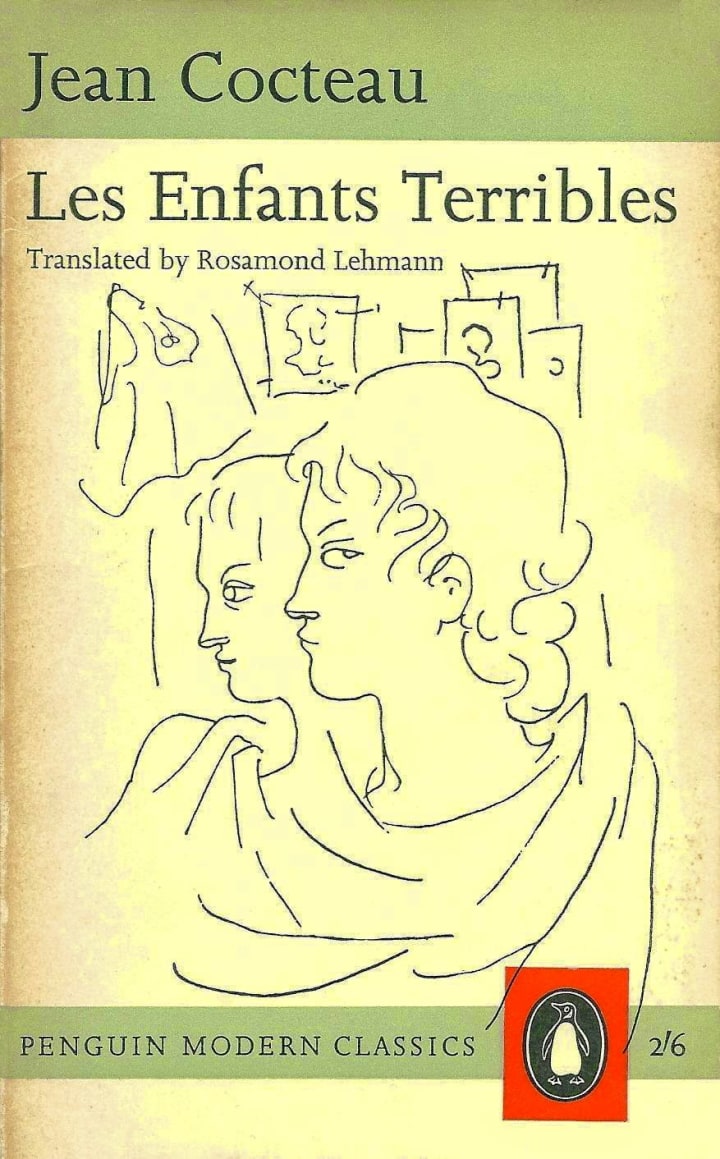
Jean Cocteau’s Les Enfants Terribles, a novel that captures the intense, surreal lives of two siblings trapped in their own private world, was first published in 1929. Cocteau, a versatile artist, poet, and filmmaker, was inspired to write the novel after witnessing the dynamic relationships among young friends and family members in France. Initially released in French, the novel was subsequently translated into English by Rosamond Lehmann in 1955. Cocteau’s close friend, photographer Jacques-Émile Blanche, provided illustrations for the original edition, lending a dreamlike quality to the work that complemented Cocteau’s language.
The novel quickly gained a following, recognised for its exploration of adolescent desire, identity, and rebellion. Cocteau was intrigued by the psychological territory of adolescence, and his writing captured the surreal, almost incestuous intimacy between siblings Paul and Elisabeth, whose interactions form the emotional core of the novel. The story reflects the era’s fascination with Freudian psychology and complex familial relationships, themes that resonated with both literary critics and readers.
Plot

Les Enfants Terribles tells the haunting story of Paul and Elisabeth, two siblings whose lives are entwined in a deeply intense and isolating relationship. After Paul is injured in a snowball fight orchestrated by his schoolmate Dargelos, he is confined to his home to recuperate. This injury deepens his attachment to his sister Elisabeth, and together they withdraw into a fantastical, self-contained world within their family home. Their relationship becomes one of almost mythical closeness, marked by shared games, secrets, and a persistent emotional tug-of-war.
The siblings develop a private realm they call “The Room,” where they create and act out elaborate fantasies, largely detached from the reality around them. This room becomes a symbol of their isolation, a sanctuary from the outside world but also a prison of their own making. Elisabeth, often dominating and manipulative, takes control of the games, dictating the rules and guiding Paul’s actions. Their emotional dependency on each other grows, blurring boundaries and creating an atmosphere charged with both tenderness and rivalry.
As they grow older, outside influences begin to seep into their secluded lives. Gérard, a friend who is both fascinated by and repelled by the siblings’ strange world, frequently visits, while Agathe, a young woman who bears a striking resemblance to Dargelos, enters Paul’s life, awakening feelings of longing and confusion. Despite these new relationships, Elisabeth fiercely guards their bond, even as her possessiveness becomes toxic and destructive.
Over time, the tension between freedom and captivity intensifies. Elisabeth’s jealousy and desire for control culminate in a series of tragic events, where she manipulates circumstances to keep Paul emotionally bound to her. When Paul’s affection for Agathe threatens to sever his dependence on Elisabeth, Elisabeth’s machinations drive the siblings toward a devastating conclusion. In the end, Paul is forced into an impossible choice between love and loyalty, leading to a tragic outcome that shatters the illusions of their once-enchanted world.
Into the Book
The theme of isolation and entrapment is central to the narrative, reflected in the siblings’ creation of “The Room” as their personal sanctuary. This room symbolises their voluntary retreat from the outside world, allowing them to construct a reality where they are both rulers and prisoners. Cocteau’s language paints “The Room” as both a magical and claustrophobic space, describing it in terms that suggest both security and stifling confinement. Phrases such as “hermetic” and “sealed from reality” highlight the siblings’ deliberate severance from society, suggesting that their self-imposed isolation shields them from outside interference but also intensifies their mutual dependency. The room becomes a psychological prison, as the siblings’ lives narrow to the confines of their shared existence, where no external reality intrudes.
“At all costs the true world of childhood must prevail, must be restored; that world whose momentous, heroic, mysterious quality is fed on airy nothings, whose substance is so ill-fitted to withstand the brutal touch of adult inquisition.”
- Les Enfants Terrible by Jean Cocteau
Identity and self-discovery form another major theme. Paul’s injury and subsequent confinement initiate his exploration of identity, separate from external roles and societal expectations. However, his reliance on Elisabeth creates a fractured sense of self, one that is constantly shaped by her perceptions and expectations. Cocteau uses a lyrical, introspective language to capture Paul’s internal conflict, with passages that evoke a dreamlike struggle for autonomy within the constraints of Elisabeth’s influence. Elisabeth’s own identity, meanwhile, seems anchored to her role as Paul’s protector, even as she becomes the architect of his emotional captivity. The novel’s shifting narrative voice, moving between objective descriptions and intimate confessions, reveals the fragile construction of identity within the confines of dependency and isolation.
“The world owes its enchantment to these curious creatures and their fancies; but its multiple complicity rejects them. Thistledown spirits, tragic, heartrending in their evanescence, they must go blowing headlong to perdition.”
- Les Enfants Terrible by Jean Cocteau
The theme of obsession and toxic love permeates Les Enfants Terribles, creating a dark exploration of the limits of familial devotion. Cocteau’s portrayal of Elisabeth as a figure both maternal and destructive complicates traditional understandings of sibling relationships. Her possessive love manifests as control and manipulation, entwining Paul’s identity with her own desires. The language of desire is particularly striking; Cocteau often uses phrases that blend romantic and familial affection, crafting a sense of intimacy that borders on the transgressive. Elisabeth’s jealousy over Agathe, whom Paul is drawn to due to her resemblance to Dargelos, his original object of fascination, highlights her refusal to allow any rival into their world. The prose here shifts to a more forceful, almost violent rhythm, with sentences reflecting Elisabeth’s escalating desperation to maintain her influence. This pattern underscores the novel’s suggestion that love, untempered by boundaries, becomes a form of obsession that destroys rather than nurtures.
“On went the cab, jogging through the open firmament. Stars came towards it, splintering the dim shower-whipped windows with fiery particles of light.”
- Les Enfants Terrible by Jean Cocteau
Why It's a Masterpiece
Cocteau’s ability to merge realistic and surreal elements enhances the novel’s universal themes. The language is both lyrical and haunting, drawing readers into the surreal, almost mythical quality of the siblings’ bond. Through symbolic motifs and shifting narrative perspectives, Les Enfants Terribles examines the dark side of familial attachment, suggesting that love, when unmoderated by boundaries, can consume individual identities.
Additionally, Cocteau’s incorporation of mythological allusions and psychoanalytic ideas lends the novel a timeless quality, making it not only a product of 1920s France but also a reflection on universal human emotions. His influence extends into modern literature and cinema, inspiring works that delve into themes of obsession and psychological captivity. Les Enfants Terribles endures because it captures the delicate, often dangerous, nature of youthful passion, making it a haunting exploration of the human psyche and one of the great achievements of 20th-century literature.
Conclusion
I hope you've seen the film directed by Jean-Pierre Melville in 1950 because it is fantastic. But obviously, I would like you to read the book first. It is complete with drawings and sketches by the writer and the writer was also heavily involved in the filmmaking process. I love this book because it is a dark comedical farce that feels almost like a tragicomedy written by Shakespeare. It is amazing. Here's to next week!
Next Week: Mr Norris Changes Trains by Christopher Isherwood
About the Creator
Annie Kapur
I am:
🙋🏽♀️ Annie
📚 Avid Reader
📝 Reviewer and Commentator
🎓 Post-Grad Millennial (M.A)
***
I have:
📖 280K+ reads on Vocal
🫶🏼 Love for reading & research
🦋/X @AnnieWithBooks
***
🏡 UK
Keep reading
More stories from Annie Kapur and writers in Geeks and other communities.
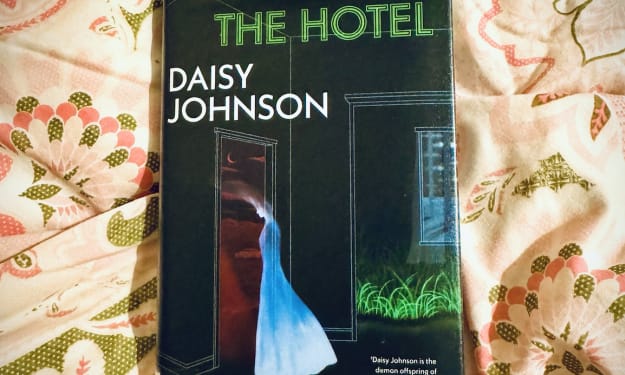
Book Review: "The Hotel" by Daisy Johnson
It is March 2025 and my health is a bit here and there to be honest. It's cold and I'm back in my hometown of Birmingham for some rest. However, that didn't stop me from borrowing some books from the library to take back with me. This book, entitled The Hotel by Daisy Johnson might be a short one, but that doesn't mean it is any lesser than others. With a beginning that will remind you of The Haunting of Hill House by Shirley Jackson, this short set of stories encompasses a hotel which is known for its horrid happenings. Beginning with a prologue, it gives us an overview before plunging us into the depths of fourteen terrifying stories surrounding that patch of cursed land. I will now go through some stories I thought were notable within this anthology...
By Annie Kapur9 months ago in Geeks
Silver Screen Magic with Mae West
American actress and singer Mae West became a popular film actress during the Great Depression. She started entertaining in vaudeville, then performed on Broadway, and finally went to Hollywood. She signed up with Paramount Pictures and made her debut in the 1932 film “Night After Night.” She also starred in musicals, comedies, and crime dramas. The American Film Institute named her one of the best classic Hollywood actresses.
By Rasma Raisters5 days ago in Geeks
Kartik Aaryan suffers first major setback after minor dating controversy
Kartik Aaryan recently suffered first major setback after getting caught in a controversy of dating a minor. It all started when the 35-year-old actor’s newly released film, Tu Meri Main Tera Main Tera Tu Meri, became a box office bomb.
By Dena Falken Esqa day ago in Geeks



Comments (1)
Only know the film; will have to read this one day.