
Karachi Gul Plaza Fire Incident: A Grim Reminder of Urban Safety Failures
How a Sudden Blaze Exposed Dangerous Gaps in Fire Safety, Emergency Response, and Urban Planning in Pakistan’s Largest City

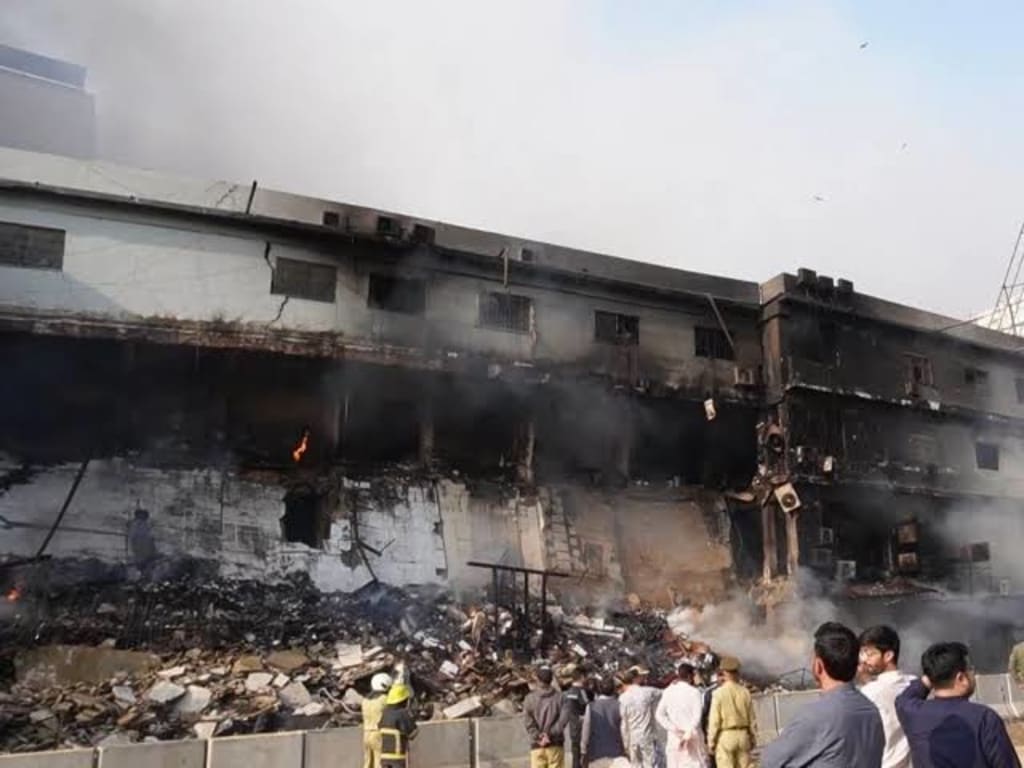
Karachi, Pakistan’s largest and most densely populated city, has once again been shaken by a tragic fire incident—this time at Gul Plaza, a commercial and residential building located in one of the city’s busy areas. The blaze, which broke out suddenly, spread rapidly through the structure, causing panic, injuries, and widespread concern about fire safety standards in Karachi’s aging buildings.
While fires are not uncommon in the city, the Gul Plaza incident stands out as another painful reminder of how vulnerable Karachi’s infrastructure remains in the face of emergencies. From narrow stairwells to outdated electrical systems, the incident exposed systemic weaknesses that continue to put lives at risk.
What Happened at Gul Plaza?
According to initial reports, the fire erupted during regular business hours, catching shopkeepers, office workers, and residents off guard. Thick smoke filled the building within minutes, making evacuation difficult. Many occupants were forced to rush down staircases without proper emergency guidance, while others waited desperately for rescue from windows and balconies.
Fire brigade teams arrived at the scene and worked for hours to bring the blaze under control. Rescue operations were complicated by congested surrounding roads, illegally parked vehicles, and the building’s limited access points. Several people were reportedly injured due to smoke inhalation, while property damage ran into millions of rupees.
Although investigations are still ongoing, early indications suggest that an electrical short circuit may have triggered the fire—a common cause in many Karachi blazes.
A Familiar Pattern of Negligence
Sadly, the Gul Plaza fire follows a long list of similar incidents across Karachi. From garment factories to shopping malls and residential towers, fires have repeatedly highlighted a troubling pattern: poor enforcement of safety regulations.
Many commercial buildings in the city lack:
Functional fire alarms
Emergency exits
Fire extinguishers
Regular safety inspections
In some cases, stairwells are blocked by storage items, while generators and wiring are installed without proper approval. Gul Plaza was no exception, according to eyewitness accounts that described narrow exits and limited safety measures.
The Human Cost Beyond the Flames
Beyond physical injuries and property loss, such incidents leave deep psychological scars. Survivors often speak of the terror of being trapped, the confusion during evacuation, and the long-term anxiety that follows. Small business owners, in particular, suffer devastating financial losses, as many lack insurance coverage.
For families dependent on daily earnings, even a temporary closure of shops can mean weeks or months of hardship. Fires like the one at Gul Plaza don’t just destroy buildings—they disrupt livelihoods and shatter a sense of security.
Emergency Response Under Scrutiny
Karachi’s fire department works under immense pressure, often with limited resources. While firefighters displayed bravery during the Gul Plaza incident, the challenges they faced raise serious questions about urban planning and emergency preparedness.
Traffic congestion, lack of clear access routes, and outdated equipment continue to slow response times. Experts argue that unless these structural problems are addressed, even the most dedicated rescue teams will struggle during major emergencies.
Who Is Responsible?
The Gul Plaza fire has once again sparked debate over accountability. Responsibility lies not only with building owners but also with regulatory authorities tasked with enforcing safety codes. In many cases, buildings receive completion certificates despite failing to meet basic fire safety standards.
Urban planners and safety experts stress the need for:
Regular fire safety audits
Strict penalties for violations
Public awareness campaigns
Updated building laws for old structures
Without systemic reform, warnings issued after each tragedy risk becoming empty promises.
A Wake-Up Call for Karachi
The Gul Plaza fire should serve as a turning point. Karachi’s rapid urban expansion has far outpaced its safety infrastructure, leaving millions exposed to preventable risks. Fires are not inevitable disasters—they are often the result of neglect, poor planning, and weak enforcement.
Citizens, building owners, and authorities must collectively demand change. Simple steps such as emergency drills, accessible exits, and modern wiring systems can save countless lives.
Conclusion
The Karachi Gul Plaza fire incident is more than just another headline—it is a stark reminder of what happens when safety takes a back seat to convenience and profit. As investigations continue, the real test will be whether lessons are learned and actions taken.
If meaningful reforms follow, the tragedy may at least lead to safer buildings and a more prepared city. If not, Karachi risks reliving the same nightmare again and again—until the next fire breaks out.
About the Creator
Fiaz Ahmed Brohi
I am a passionate writer with a love for exploring and creating content on trending topics. Always curious, always sharing stories that engage and inspire.
Keep reading
More stories from Fiaz Ahmed Brohi and writers in Geeks and other communities.
Amitabh Bachchan, Dharmendra, Shah Rukh Khan: Rare Unseen Career Pictures of Bollywood Legends That Tell Stories Beyond the Screen
Bollywood has always been more than just films; it is a universe of stories, emotions, and legacies that span generations. While the silver screen has immortalized icons like Amitabh Bachchan, Dharmendra, and Shah Rukh Khan, there exists a lesser-known archive of rare, unseen pictures that provide a glimpse into the lives behind the legendary faces. These images tell stories of ambition, struggle, and moments of joy that the cameras of the world often missed. Amitabh Bachchan: The Making of a Legend Amitabh Bachchan, widely known as the ‘Shahenshah’ of Bollywood, has been a towering figure in Indian cinema for over five decades. Fans worldwide remember him as the intense, brooding protagonist of the 1970s and 80s, but rarely do we see the young man behind the fame. A black-and-white photograph from 1969 captures Amitabh sitting pensively outside Filmistan Studios, script in hand, deep in thought. It’s a portrait of a man at the crossroads of uncertainty and determination, long before films like Zanjeer and Sholay made him a household name. Another unseen image, taken during rehearsals for Anand (1971), shows Amitabh laughing with co-stars backstage. This rare photograph strips away the towering persona audiences associate with him and offers a candid look at his early life—filled with humility, focus, and raw talent. Dharmendra: The Evergreen Action Hero Dharmendra, affectionately called the ‘He-Man’ of Bollywood, continues to be an embodiment of charm, strength, and versatility. Beyond the action-packed roles that defined his career, rare snapshots reveal his off-screen persona. One picture from the sets of Phool Aur Patthar (1966) captures him in mid-laughter, surrounded by co-stars, showing the warmth and camaraderie that often goes unnoticed amidst his on-screen heroics. Family albums and old studio photographs depict Dharmendra visiting his native village in Punjab before fame, reflecting the grounded beginnings of a man who would go on to become a cinematic icon. These unseen images emphasize the personal side of the legend—a father, son, and friend whose values shaped his journey in Bollywood. Shah Rukh Khan: From Stage to Stardom Shah Rukh Khan, known as the ‘King of Bollywood,’ is synonymous with romance and charisma. But before the glittering awards and global recognition, there were formative years that few have seen. A rare photograph from the sets of his first TV show Fauji (1988) shows a young SRK rehearsing with intense focus, casual attire hinting at the early struggles and relentless work ethic that defined his journey. Another unseen snapshot captures Shah Rukh during a train journey back to Delhi after auditions in Mumbai, looking thoughtful yet hopeful. These images reveal the grit and determination behind the iconic smile and show that even one of the most celebrated actors began with humble beginnings and endless perseverance. Why Unseen Pictures Matter These rare photographs are more than just historical records; they are windows into the human side of legends. They allow fans to connect with the icons on a personal level, understanding the struggles, laughter, and ordinary moments that preceded extraordinary fame. For aspiring actors and cinema enthusiasts, these images serve as reminders that even the most celebrated careers are built on small, unseen efforts and unwavering determination. Social media and archives have made it easier than ever for fans to access these hidden gems. Sharing and discussing these images creates a collective nostalgia, bridging the gap between reel personas and real-life journeys. It reminds audiences that while fame may be glittering, every icon’s journey starts with ambition, resilience, and countless untold moments. Conclusion Amitabh Bachchan, Dharmendra, and Shah Rukh Khan are not just stars; they are cultural institutions whose lives and careers continue to inspire millions. Rare, unseen photographs offer a unique lens into these legends’ personal journeys—moments of vulnerability, perseverance, and humanity that go beyond the glitz of the silver screen. These images tell us that behind every iconic scene, award, and applause, there was a human story. For fans, they are not merely pictures; they are glimpses into history, inspiration, and the relentless pursuit of dreams that define Bollywood’s golden legacy. As we celebrate the cinematic achievements of these legends, these rare moments remind us of the extraordinary lives that unfolded behind the cameras.
By Fiaz Ahmed Brohiabout 21 hours ago in Geeks
Silver Screen Magic with Mae West
American actress and singer Mae West became a popular film actress during the Great Depression. She started entertaining in vaudeville, then performed on Broadway, and finally went to Hollywood. She signed up with Paramount Pictures and made her debut in the 1932 film “Night After Night.” She also starred in musicals, comedies, and crime dramas. The American Film Institute named her one of the best classic Hollywood actresses.
By Rasma Raisters7 days ago in Geeks
Shakira looks refreshed while sharing exciting news: Is she working on the 2026 World Cup anthem?
Shakira knows how to make a comeback feel exciting. After a quiet holiday season spent with her sons Milan and Sasha, the global superstar has returned to Instagram with a post that feels both intimate and loaded with meaning. The Colombian singer shared a relaxed carousel of photos and a short video alongside her longtime collaborator Alex Castillo, better known as AC, the producer behind her hit song Soltera. One simple caption said it all: “Back to it!”
By Dena Falken Esq5 days ago in Geeks




Comments
There are no comments for this story
Be the first to respond and start the conversation.