
Justin Baldoni Pulls Marvel and Disney into Legal Feud, Claims Deadpool Character Parodies Him
Inside the Hollywood Feud: Justin Baldoni’s Battle with Ryan Reynolds

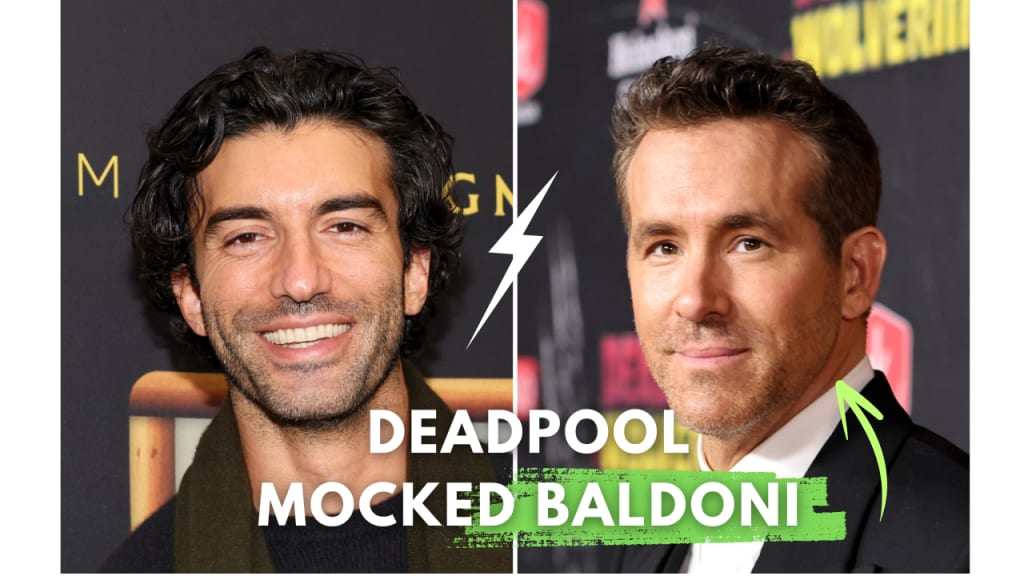
Justin Baldoni’s legal drama with Blake Lively just got bigger—Disney and Marvel Studios are now part of the growing controversy. The battle, which started with Lively accusing Baldoni of sexual harassment and retaliation during the production of It Ends with Us, has now spilled into the superhero universe. Baldoni is claiming that Ryan Reynolds’ latest Deadpool film deliberately mocks him through a character named “Nicepool.”

Baldoni’s New Accusation: Was "Nicepool" a Jab at Him?
At the center of this escalating feud is *Deadpool & Wolverine*, directed by Shawn Levy. According to Baldoni, the “Nicepool” character isn’t just a throwaway joke—it’s a direct parody of him. Played by Ryan Reynolds, Nicepool is an awkward, self-proclaimed feminist whose dialogue includes suspiciously specific jabs about postpartum body changes. Lively also makes a cameo in the movie as “Ladypool,” and in one controversial scene, Nicepool’s remarks target her, drawing uncomfortable parallels to Blake Lively’s previous allegations about Baldoni.
The scene in question shows Nicepool joking, “It’s okay, I identify as a feminist,” after Deadpool criticizes his comment about Blake Lively’s Ladypool: “She just had a baby too, and you can’t even tell.” Baldoni’s lawyer, Bryan Freedman, claims this exchange mirrors behavior Lively accused Baldoni of exhibiting on the set of *It Ends with Us*. For Baldoni, the timing, phrasing, and even the character’s persona feel like a deliberate attempt to ridicule him in the most public way possible.
Legal Moves: Baldoni Targets Disney and Marvel
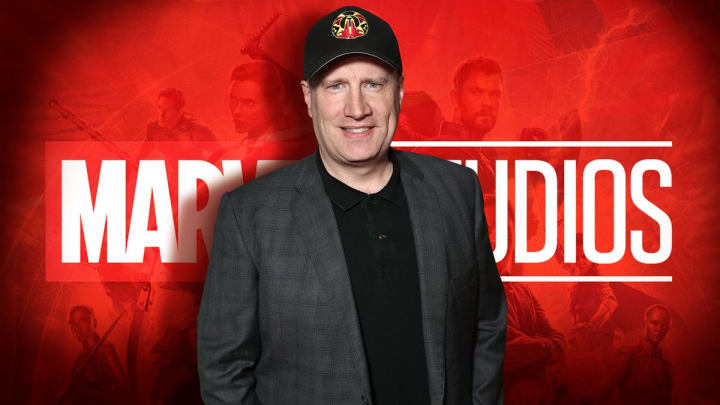
Baldoni’s attorney has taken the fight straight to the top, issuing a litigation hold letter to Marvel President Kevin Feige and Disney CEO Bob Iger. This letter demands the preservation of all records related to the creation of the Nicepool character. Baldoni’s team wants to dig into emails, meeting notes, and other documents that might reveal whether Reynolds, Marvel, or anyone else had Baldoni in mind when shaping Nicepool.
But Baldoni isn’t stopping there. Freedman’s letter also calls for records regarding complaints made against Reynolds, including any conflicts with Tim Miller, the original *Deadpool* director who didn’t return for the sequels due to “creative differences.” This angle could be an attempt to show a pattern of behavior, though it’s unclear how it directly ties to the Nicepool allegations.
The Backstory: A Feud Between Co-Stars
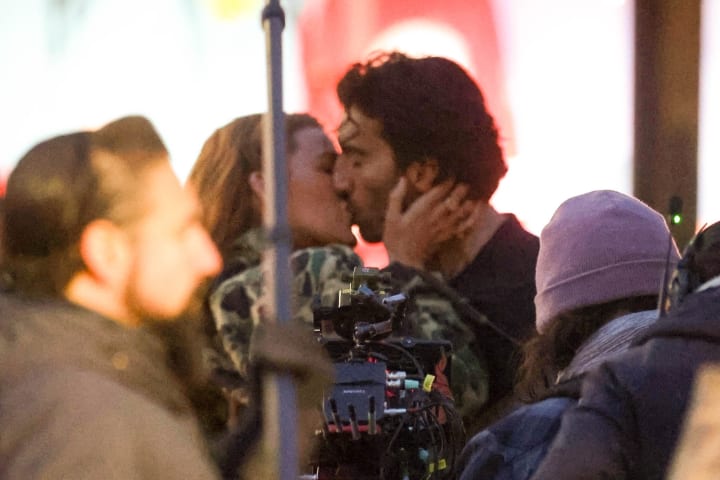
The animosity between Baldoni and Lively goes back to their time working on *It Ends with Us*, a Sony film based on Colleen Hoover’s bestselling novel. Lively accused Baldoni of creating a hostile work environment and later claimed he launched an online smear campaign against her. Baldoni, meanwhile, has maintained his innocence and accused Lively of trying to tarnish his reputation.
The feud has only intensified with these new allegations. Baldoni believes that Reynolds and Lively used the *Deadpool & Wolverine* film to publicly humiliate him, turning his feminist image into a punchline.
Was Nicepool a Satire of Baldoni—or a Broader Archetype?
Critics argue that Nicepool could simply be a satire of the “male feminist” archetype, a trope often mocked in pop culture for performative allyship. However, Baldoni’s team insists the similarities are too on-the-nose to be coincidental. From the postpartum body remarks to the character’s self-proclaimed feminism, they believe Nicepool’s lines directly mirror allegations Lively made against Baldoni.
Adding fuel to the fire, Reynolds, who starred in, wrote, and produced the *Deadpool* films, has remained silent on the matter. While Reynolds is known for his sharp wit and meta-commentary, it’s unclear whether Nicepool was intended as a general parody or a targeted dig.
What’s Next for Baldoni, Lively, and Disney?
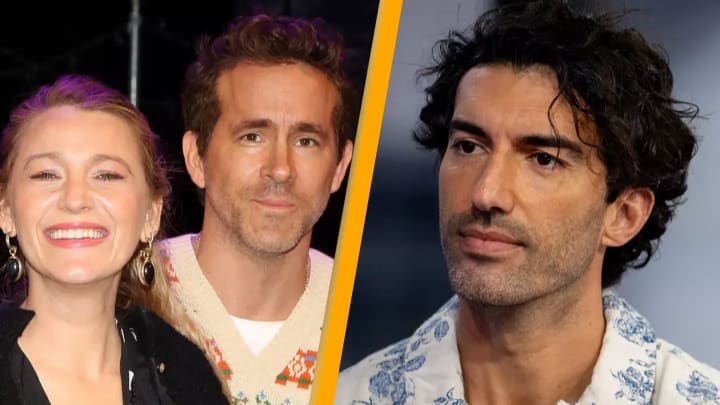
This legal drama is rapidly expanding, and with Marvel and Disney now involved, the stakes are higher than ever. Baldoni’s legal team seems determined to uncover any evidence that might back their claims, while Disney and Marvel are likely scrambling to protect themselves from potential lawsuits.
For Baldoni, the fight isn’t just about clearing his name—it’s about reclaiming control over his public image. Whether he has a strong case or not, dragging major players like Marvel and Disney into the feud ensures this battle will remain in the public eye for months to come.
On the other hand, this controversy shifts attention away from Blake Lively’s initial allegations against Baldoni. Critics have noted that the Nicepool claims could be a strategic distraction, diverting focus from the accusations of harassment and retaliation that started it all.
The Bigger Picture: Hollywood and Personal Feuds
This case highlights how deeply personal feuds can ripple through the Hollywood machine, drawing in major studios, top executives, and even entire franchises. Baldoni and Lively’s dispute isn’t just about two actors—it’s about the power dynamics, public narratives, and reputations that fuel the entertainment industry.
At its heart, though, this is a story about control: over one’s image, over the narrative, and over the truth. Whether Nicepool was a deliberate jab or just a coincidence, the fallout will have lasting implications for everyone involved.
For now, the public can only watch as this drama unfolds, wondering whether Marvel and Disney will remain silent—or if they’ll have to step into the spotlight to defend themselves.
About the Creator
Rahul Rawat
Delving into the philosophy and deeper meanings of films, I explore how storytelling, characters, and cinema reflect our society. Join me in analyzing the art of movies and their cultural impact through a thoughtful, philosophical lens.
Keep reading
More stories from Rahul Rawat and writers in Geeks and other communities.
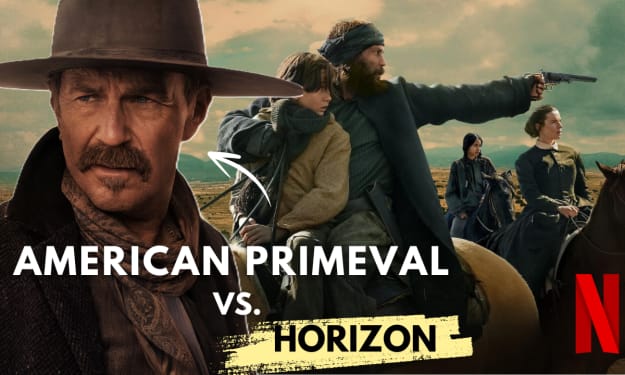
American Primeval Review: How Netflix’s Bold Western Outshines Kevin Costner’s HORIZON
American Primeval on Netflix takes a no-nonsense, brutal approach to the Western genre, offering viewers a raw, violent, and chaotic depiction of the American frontier. Directed by Peter Berg and created by Mark L. Smith, the mini-series steps away from the nostalgic sheen of most Westerns and instead dives into the darker realities of 1857 America. With themes of survival, violence, and the human cost of expansion, this show might just have what it takes to stand out in the crowded Western genre post-Yellowstone.
By Rahul Rawatabout a year ago in Geeks
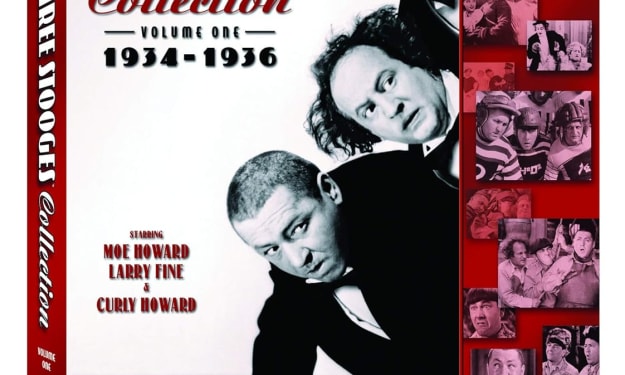
History of The Three Stooges (Part I: The Beginnings and Columbia Pictures - 1920s-1936)
I have been itching to write about The Three Stooges on Vocal for close to two years, but I couldn't figure out how to do it. I wanted to do it by third Stooge, but that's a bit complicated. I know this much. I was about eight or nine years old when I first saw The Three Stooges. I remember one of my local channels had the Stooges on for hours, and I tried my damnedest to be up for those shorts. I remember that the Family Channel actually had an hour of the Stooges on from 11PM to midnight, and it was the entire library on during that time.
By Clyde E. Dawkins4 days ago in Geeks
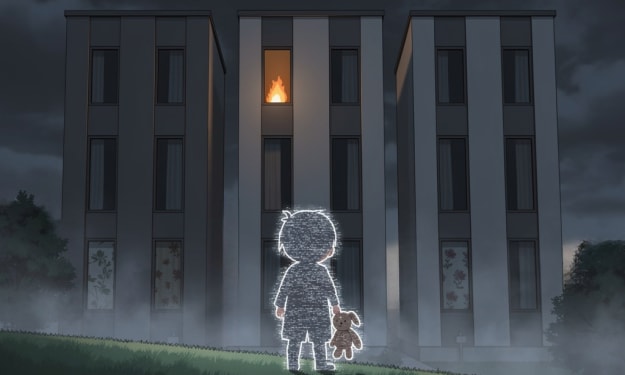
REVIEW - The Redemption of Faust (Directed by Genel Mejia)
The Redemption of Faust, written by Justin Suran (Muse, Visitors, The Screenplay) and Genel Mejia (Visitors, The Screenplay, The Experiment, Normal, Splash Damage, La Mejia, Muse), and also produced and directed by Mejia, is a short film which takes its name from the famous 19th century work 'Faust' by Johann Wolfgang von Goethe.
By MegaFlix Movie Awards7 days ago in Geeks

Comments
There are no comments for this story
Be the first to respond and start the conversation.