
Jure Grando Alilović: Vampire
Why It's Shifty (Week 19)

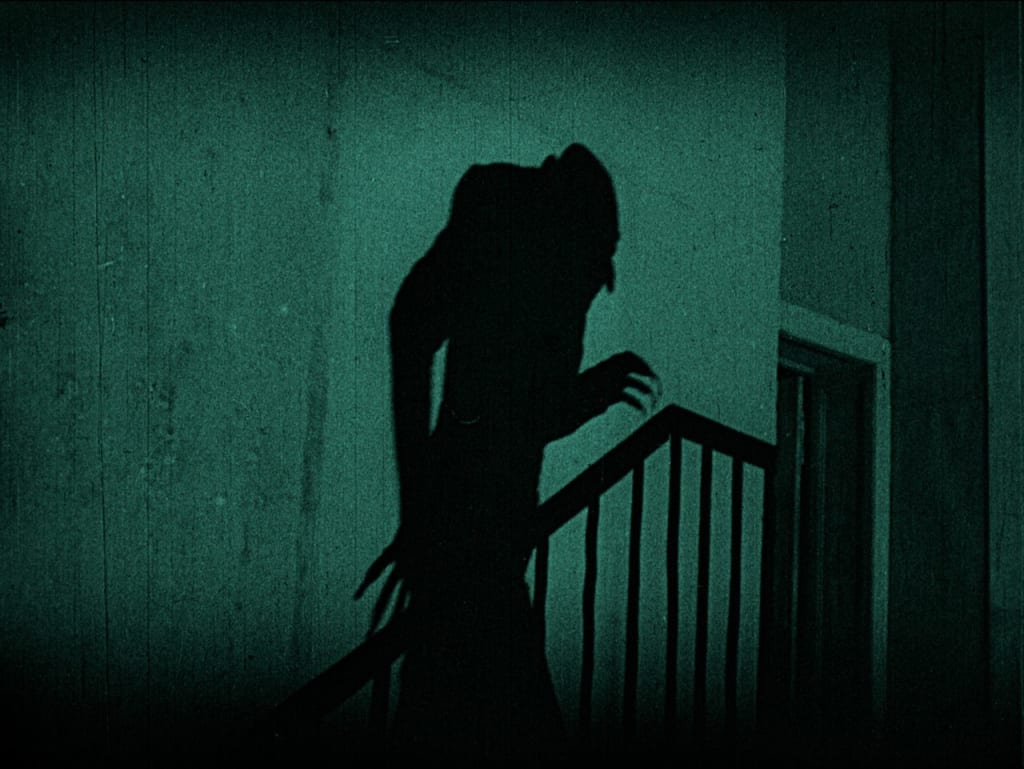
The story of Jure Grando Alilović is one of the earliest recorded cases of vampirism in European history. From the small Istrian village of Kringa, in present-day Croatia, Grando’s legend dates back to the 17th century. Unlike the fictional vampires of modern literature, Jure Grando was a real person, documented in historical accounts as a "strigoi": a creature of folklore believed to be a revenant, or an undead being that rises from the grave to torment the living.
His story, recorded by the 17th-century writer Johann Weikhard von Valvasor in The Glory of the Duchy of Carniola, has fascinated historians, folklorists, and supernatural enthusiasts for centuries. But was Jure Grando truly a vampire; or is his tale a mix of superstition, fear, and misinterpretation? Let's explore the theories surrounding his legend and why it remains a subject of intrigue.
Plot
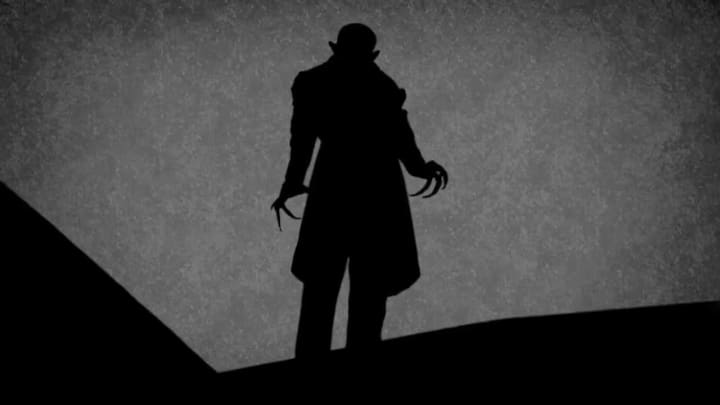
Jure Grando was a villager who reportedly died in 1656, but according to local lore, he did not stay dead. Sixteen years after his burial, villagers claimed to have seen him wandering through the streets at night, knocking on doors. Those who received a knock allegedly died soon after. Also, his widow claimed that Grando would visit her at night, terrorising and assaulting her in her home. The villagers, driven by fear and desperation, eventually sought the help of a priest and a group of strong men to put an end to Grando’s reign of terror.
According to Valvasor’s account, an attempt to pierce his corpse with a stake failed, leading the group to resort to decapitation. When they finally removed his head, Grando let out an eerie scream and blood gushed from his body. This seemingly confirming their worst fears that he had been an undead menace. After this act, the disturbances ceased, and the village was finally at peace.
Into the Theories
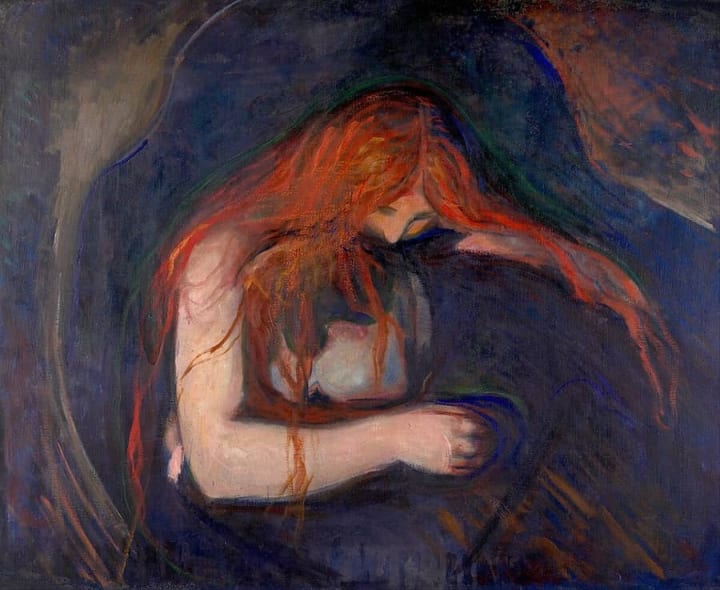
He Was a Vampire!
One of the most popular theories is that Jure Grando was the first historically documented vampire. Unlike earlier Slavic folklore, which included similar revenant-like figures, his case is one of the first recorded instances of a vampire hunt, predating Bram Stoker’s Dracula by over 200 years. His behaviour: nocturnal activity, bringing death to those he visited, and returning to torment his wife, is consistent with later vampire mythology.
The manner of his destruction also fits classic vampire lore. The initial failure to stake his corpse, followed by the ultimate beheading, mirrors later vampire legends that insist only decapitation can truly kill a vampire. Some parts of this theory suggest that Jure Grando’s story directly influenced later vampire myths, shaping the way they were written in literature and perceived in popular culture.
A Premature Burial
A more scientific explanation suggests that Jure Grando may have been a victim of premature burial. In the 17th century, medical knowledge was still primitive, and cases of people being mistakenly pronounced dead were not uncommon. Conditions such as catalepsy: a disorder causing a death-like state of rigidity and unresponsiveness, might have led to his premature interment.
If Grando had been buried alive and later managed to escape his grave, his presence in the village could have sparked the rumours of a walking corpse. His weakened, possibly disoriented state might have made him appear ghostly or supernatural to terrified villagers. This theory is supported by historical cases of exhumed bodies showing signs of struggle, such as scratch marks inside coffins, suggesting attempts to claw their way out.
Plague Hysteria
Another theory is that the Jure Grando legend was a product of mass hysteria fuelled by disease outbreaks. In medieval and early modern Europe, plagues and other illnesses often led to unexplained deaths, which communities struggled to rationalise. Vampiric myths frequently emerged in response to plagues, as people sought supernatural explanations for sudden and mysterious deaths.
In Istrian folklore, vampires were often blamed for unexplained deaths. If a household experienced multiple deaths in a short period, villagers might have suspected a supernatural force at work. The belief that Jure Grando’s “knocks” foretold death could have been a psychological reaction to an already dire situation, rather than actual nocturnal visits from a revenant.
Why It's Shifty
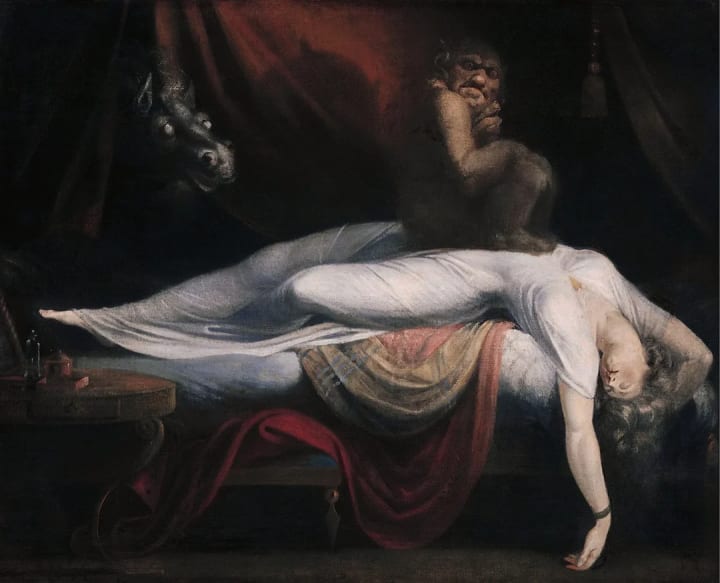
Although there are numerous theories surrounding Jure Grando, his case remains one of the most debated vampire legends. Unlike folkloric figures, his existence was recorded in a historical text, giving his story a sense of authenticity that other vampire myths lack. However, the lack of physical evidence, conflicting interpretations, and the blending of folklore with recorded history make it difficult to determine the reality of things. This includes: whether he was truly a supernatural being, a misunderstood medical case, or simply a figure of local superstition.
Some researchers argue that Jure Grando’s story was embellished over time, while others believe that elements of truth may still be hidden within the legend. The continued fascination with his tale reflects humanity’s enduring interest in the unknown, as well as our desire to explain the mysteries of life and death.
Conclusion
The case of Jure Grando Alilović sits at the crossroads of history, folklore, and the supernatural. Whether he was the first documented vampire, a victim of medical misdiagnosis, or a symbol of collective fear, his story has left an indelible mark on European folklore. While we may never uncover the full truth, his legend continues to capture the imagination of historians and vampire enthusiasts alike, ensuring that the tale of the Istrian vampire lives on.
Next Week: The Epsilon Team
About the Creator
Annie Kapur
I am:
🙋🏽♀️ Annie
📚 Avid Reader
📝 Reviewer and Commentator
🎓 Post-Grad Millennial (M.A)
***
I have:
📖 280K+ reads on Vocal
🫶🏼 Love for reading & research
🦋/X @AnnieWithBooks
***
🏡 UK
Keep reading
More stories from Annie Kapur and writers in Geeks and other communities.
Book Review: "The Room in the Attic" by Louise Douglas
So, Kindle Unlimited books are back on the menu. I wanted to read a paperback thriller, the kind you would find at the travel shops at train stations. However, I wasn't willing to spend the money on a buy-one-get-one-free deal on one book I really wanted and another book I just got to make up the deal. The hack is this: a lot of these books are available on Kindle Unlimited. I found out this hack today, shortly after another woman complimented me on my t-shirt. It was black and had the logo for The Rocky Horror Picture Show on it in giant lettering.
By Annie Kapur7 months ago in Geeks
Silver Screen Magic with Mae West
American actress and singer Mae West became a popular film actress during the Great Depression. She started entertaining in vaudeville, then performed on Broadway, and finally went to Hollywood. She signed up with Paramount Pictures and made her debut in the 1932 film “Night After Night.” She also starred in musicals, comedies, and crime dramas. The American Film Institute named her one of the best classic Hollywood actresses.
By Rasma Raisters8 days ago in Geeks
Center Stage with Paul Stewart
*** I'm keen to republish the interviews I did for my series with Vocal creators. It's been a few years and I thought it might be nice to revisit these wonderful conversations. I'll be releasing them one at a time for a few weeks/months.
By Heather Hubler6 days ago in Interview



Comments (2)
My favorite is Nosferatu: A Symphony of Horror 1922. You wrote a great story!
Whoa! What a story, it's crazy to think about how people back in the day would mistakenly bury someone alive and then blame the supposed 'dead' guy for any trouble.