
James Baldwin was a man ahead of his time
The author and playwright was Black and gay at at time when either could cause problems but his career flourished.

This article was assisted by AI.
A controversial figure
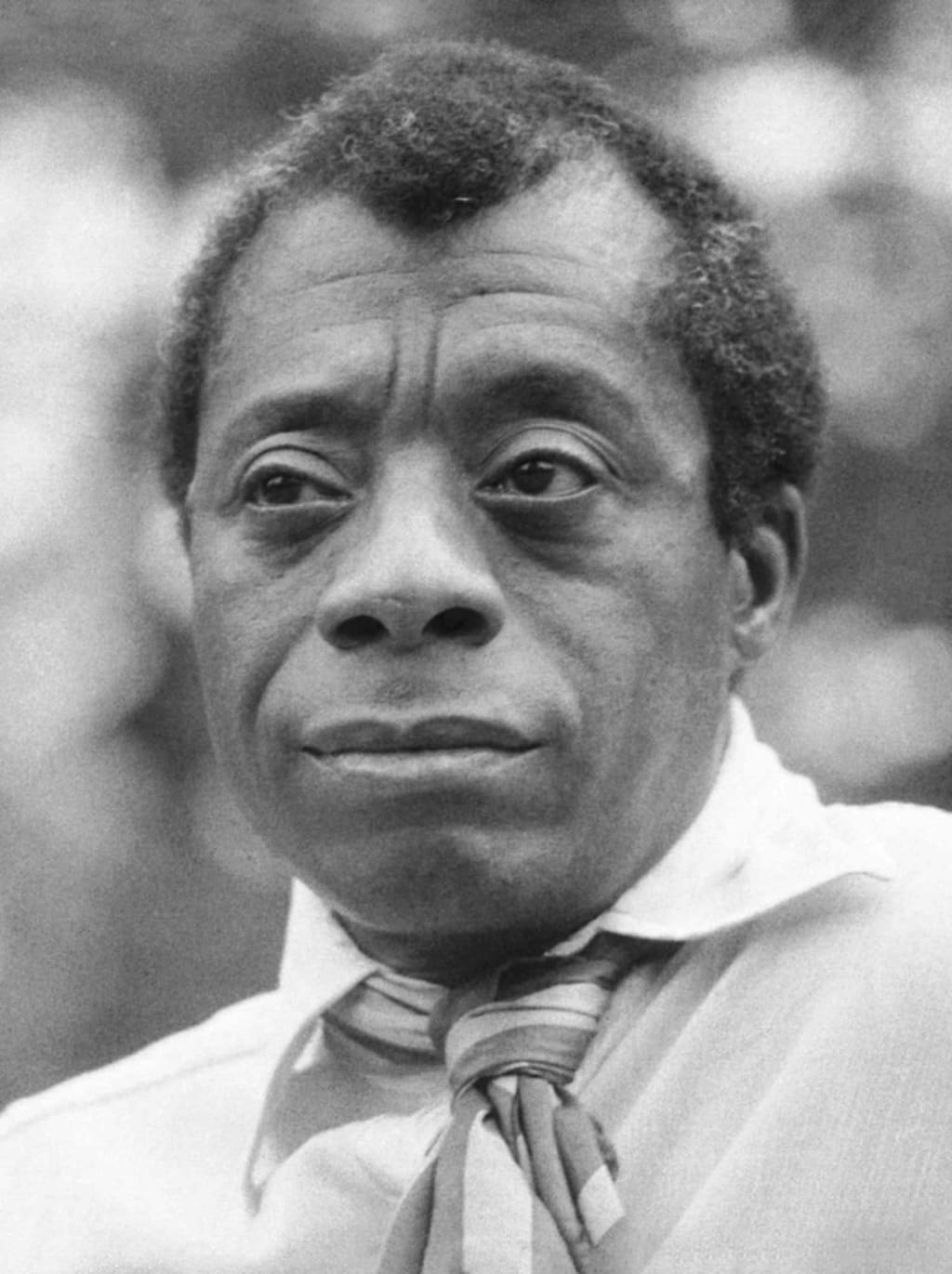
James Baldwin (1924-1987) was an American author, playwright, and social critic who became one of the most prominent voices of the civil rights movement. He was born on August 2, 1924, in Harlem, New York, but spent much of his life in the United States and Europe and his contributions and impact were felt nationwide and beyond.
Baldwin's literary works explored complex issues of race, sexuality, and identity, and he was known for his eloquent and poignant writing style. He tackled themes of racial and social injustice, often drawing from his own experiences as a Black man growing up in a segregated society.
Baldwin was born as James Arthur Jones to Emma Berdis Jones on August 2, 1924, at Harlem Hospital in New York City.[10][11] Baldwin was born out of wedlock. Jones never revealed to Baldwin who his biological father was. According to Anna Malaika Tubbs in her account of the mothers of prominent civil rights figures, some rumors stated that James Baldwin's father suffered from drug addiction or that he died, but that in any case, Jones undertook to care for her son as a single mother.
James Baldwin in Paris
Emma Jones married a preacher named David Baldwin in 1927 and James took the surname of his stepfather.
Baldwin spent nine years living in Paris, mostly in Saint-Germain-des-Prés, with various excursions to Switzerland, Spain, and back to the United States. Baldwin's time in Paris was itinerant: he stayed with various friends around the city and in various hotels. Most notable of these lodgings was Hôtel Verneuil, a hotel in Saint-Germain that had collected a motley crew of struggling expatriates, mostly writers. This Verneuil circle spawned numerous friendships that Baldwin relied upon in rough periods.
Baldwin also found himself continuously poor during his time in Paris, with only momentary respites from poverty. During his years in Saint-Germain, Baldwin acquainted himself with prominent men like Otto Friedrich, Mason Hoffenberg, Asa Benveniste, Themistocles Hoetis, Jean-Paul Sartre, Simone de Beauvoir, Max Ernst, Truman Capote, and Stephen Spender, among many others.
Baldwin also met Lucien Happersberger, a Swiss boy, seventeen years old at the time of their first meeting, who came to France in search of excitement.]Happersberger became Baldwin's lover, especially in Baldwin's first two years in France, and Baldwin's near-obsession for some time after. Baldwin and Happersberger would remain friends for the next thirty-nine years.[96][i] Though his time in Paris was not easy, Baldwin did escape the aspects of American life that most terrified him—especially the "daily indignities of racism"
Baldwin's most notable works
"Go Tell It on the Mountain" (1953) - This semi-autobiographical novel explores the role of the church and religion in African-American life and delves into themes of guilt, family, and salvation.
"Notes of a Native Son" (1955) - A collection of essays that confront racism and discrimination while reflecting on the complexities of being a Black American in the mid-20th century.
"Giovanni's Room" (1956) - A novel that explores homosexuality and the struggle for self-acceptance, which was groundbreaking for its open portrayal of same-sex relationships during a time of severe social stigma.
"The Fire Next Time" (1963) - A powerful book consisting of two essays, one addressed to Baldwin's teenage nephew about the challenges and responsibilities of being Black in America, and the other exploring the role of religion in the context of racial tension.
James Baldwin remains prominent in literature today
Baldwin's writings made him a leading intellectual and a key figure in the civil rights movement. He used his platform to advocate for social justice and racial equality. His speeches and essays often engaged with political and cultural issues of the time, and he was closely associated with other prominent civil rights activists like Martin Luther King Jr. and Malcolm X.
In addition to his literary achievements, Baldwin was also known for his public speaking engagements and media appearances. His eloquence and willingness to confront difficult truths made him a sought-after speaker on issues of race and social justice.
James Baldwin's legacy continues to influence writers, activists, and thinkers worldwide. His impact on American literature and the ongoing struggle for civil rights remains profound.
About the Creator
Cheryl E Preston
Cheryl enjoys writing about current events, soap spoilers and baby boomer nostalgia. Tips are greatly appreciated.
Keep reading
More stories from Cheryl E Preston and writers in Geeks and other communities.
Bob Dever left his mark as Gilligan-Maynard and Dud
Bob Dever's fans still love him Bob Denver was an American actor best known for his portrayal of two iconic television characters: William Willie Gilligan on the sitcom "Gilligan's Island" and Maynard G. Krebs on "The Many Loves of Dobie Gillis." Fans of The Andy Griffith Show also recall that he portrayed Dud Wash in one memorable episode. Denver was born on January 9, 1935, in New Rochelle, New York, USA. He grew up in Brownwood, Texas, and graduated from Loyola University in Los Angeles, with a degree in political science. He also Texas Christian University and coached physical education and taught mathematics and history at Corpus Christi School, a Catholic elementary school in Pacific Palisades, California.
By Cheryl E Preston2 years ago in Geeks
Marvel Zombie
The last entry into our 2025 superhero projects catalogue is Marvel Zombies. This was a show that was anticipated by absolutely no one and it disappeared from the public consciousness as quickly as it was released. There was nothing special about the project that made it a must see, or a must remember. In fact if anything it's a must forget.
By Alexandrea Callaghan18 days ago in Geeks




Comments (2)
I did not know much of this information. Makes one look at the person differently.
James Baldwin was amazing and one of my favorites. Thank u for sharing 💕