
How Technology Changes Human Lives
Technology and Human Life
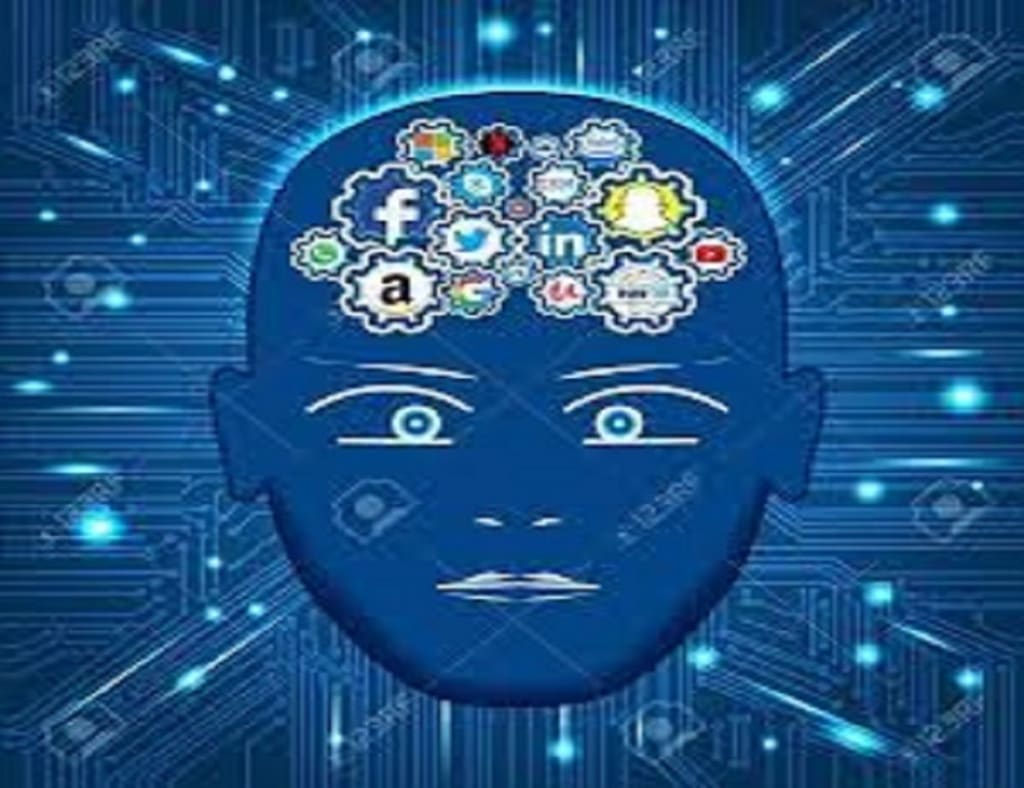
Technology has had a profound impact on human lives throughout history. Here are some ways in which technology has changed human lives in the past:
Agriculture: The invention of tools and implements enabled humans to shift from a hunter-gatherer lifestyle to settled agricultural communities. This shift allowed for a stable food supply, leading to population growth and the development of civilizations.
Writing and Printing: The invention of writing systems, such as cuneiform and hieroglyphics, allowed for the recording and preservation of knowledge. The subsequent development of printing press technology in the 15th century revolutionized the spread of information, leading to the Renaissance and the Scientific Revolution.
Industrial Revolution: The advent of steam power and the mechanization of production processes during the 18th and 19th centuries transformed agriculture, manufacturing, and transportation. It led to the mass production of goods, urbanization, and significant societal changes.
Transportation: The development of the steam engine, the automobile, and the airplane revolutionized transportation. These advancements made travel faster, more efficient, and accessible to the masses, shrinking the world and enabling global trade, tourism, and cultural exchange.
Communication: The invention of the telegraph in the 19th century marked the beginning of long-distance instant communication. Subsequent inventions, such as the telephone, radio, and television, further revolutionized communication, connecting people across vast distances and enabling the dissemination of information and entertainment.
Information Technology: The invention of the computer and the subsequent development of the internet transformed the way we process and access information. It revolutionized industries, communication, and commerce, making knowledge and services easily accessible worldwide.
Medicine and Healthcare: Technological advancements have significantly improved healthcare and increased life expectancy. Innovations such as vaccines, antibiotics, medical imaging, and robotic surgeries have revolutionized medical treatments, diagnosis, and patient care.
Energy and Power: The harnessing of electricity and the development of various power sources, such as fossil fuels, nuclear energy, and renewable energy, have transformed societies. These advancements have provided energy for lighting, heating, transportation, and industrial processes, enhancing productivity and improving quality of life.
Entertainment and Leisure: Technology has revolutionized entertainment, providing new forms of leisure and recreation. From the invention of motion pictures and television to the development of video games and streaming platforms, technology has offered new avenues for relaxation and amusement.
Social Interaction: The rise of social media and digital communication platforms has transformed the way people interact and connect. It has allowed for the creation of virtual communities, facilitated global connections, and enabled the sharing of ideas, experiences, and culture on a massive scale.
These examples highlight the transformative power of technology throughout history. Technological advancements have continually shaped human lives, fostering progress, gaming, improving living standards, and influencing societal structures.
Technology continues to play a crucial role in shaping human lives in the present day. Here are some key aspects of technology and its impact on society:
Communication: The widespread adoption of smartphones and the internet has revolutionized communication. Instant messaging, social media platforms, video conferencing, and email have made it easier to connect with others globally, fostering collaboration, sharing information, and maintaining relationships.
Information Access: The internet has transformed the way we access information. Search engines and online databases provide instant access to a vast amount of knowledge, enabling people to learn, research, and stay informed on a wide range of topics.
Digital Economy: Technology has given rise to the digital economy, where online platforms, e-commerce, and digital payment systems have transformed the way business is conducted. Online shopping, remote work, and the gig economy have provided new opportunities and disrupted traditional industries.
Automation and Artificial Intelligence (AI): Advances in automation and AI have impacted various sectors, including manufacturing, transportation, healthcare, and customer service. Automation has increased efficiency, reduced human error, and improved productivity, while AI applications enable tasks such as voice recognition, image processing, and data analysis.
Internet of Things (IoT): The IoT refers to the network of interconnected devices embedded with sensors and software. It enables devices to collect and exchange data, leading to the development of smart homes, smart cities, and interconnected systems. IoT technology has the potential to enhance efficiency, monitor resources, and improve decision-making.
About the Creator
Seo Del
Looking to get proper knowledge about igaming and online games with respect to this great place.
Keep reading
More stories from writers in Geeks and other communities.
Silver Screen Magic with Mae West
American actress and singer Mae West became a popular film actress during the Great Depression. She started entertaining in vaudeville, then performed on Broadway, and finally went to Hollywood. She signed up with Paramount Pictures and made her debut in the 1932 film “Night After Night.” She also starred in musicals, comedies, and crime dramas. The American Film Institute named her one of the best classic Hollywood actresses.
By Rasma Raisters6 days ago in Geeks
5 Pieces Of 'X-Men' Content Worth Revisiting Before 'Avengers: Doomsday
It's an exciting time to be a fan of the Fox X-Men films. While 2024's Deadpool and Wolverine initially seemed to act as a love letter/goodbye to the Fox-verse, fans were delighted earlier in 2025 with the reveal that some of the Fox-verse X-Men were set to appear in Avengers: Doomsday. Doomsday's third teaser focuses on a few of these returning characters, including Patrick Stewart as Professor X, Ian McKellen as Magneto, and James Marsden as Cyclops.
By Kristy Anderson7 days ago in Geeks
Rachel Reviews: The Spiral Archive by Pieter Hendrik
It's difficult for me to know where to start with a review of this book as it was, for me, an entirely unique experience and one that I'll probably never have again. I don't want that to be interpreted as unenjoyable but it has left me scratching my head a little and ruminating on its content, its themes and its characters.
By Rachel Deeming2 days ago in BookClub




Comments
There are no comments for this story
Be the first to respond and start the conversation.