
How tabletop adventures reflect and shape real-world skills and perspectives
What Roleplaying Games Teach Us About Life


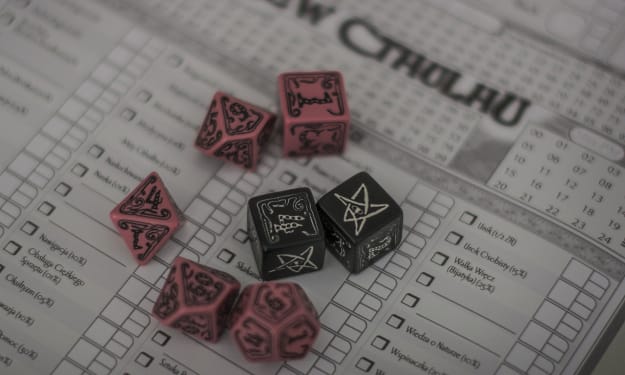
Roleplaying games (RPGs) have been a source of entertainment for decades, allowing players to embark on thrilling adventures, battle fearsome creatures, and shape grand narratives. However, beyond the dice rolls and character sheets, RPGs offer something even more valuable: life lessons. Whether it's Dungeons & Dragons, Call of Cthulhu, or any other tabletop RPG, these games provide insights into teamwork, problem-solving, empathy, and personal growth. Let’s explore how roleplaying games teach us about life in ways we might not even realize.
The Power of Teamwork and Collaboration
One of the core aspects of RPGs is that they are rarely solo endeavors. Players form parties, each with unique strengths and weaknesses, and must work together to overcome challenges. This mirrors real-world collaboration in workplaces, friendships, and family dynamics. Just as a rogue relies on a fighter for protection or a wizard needs a cleric’s healing, we depend on others in life to achieve our goals. Learning to communicate, delegate, and compromise is crucial both at the gaming table and beyond.
Problem-Solving and Adaptability
RPGs often present players with puzzles, moral dilemmas, and unexpected twists that require creative solutions. A locked door might have multiple ways to be bypassed—picking the lock, finding a hidden key, or even breaking it down. In life, challenges rarely have a single solution, and learning to think outside the box is a critical skill. By navigating unexpected obstacles in RPGs, players hone their ability to adapt and strategize in real-world situations.
Resilience in the Face of Failure
Failure is an integral part of RPGs. A bad dice roll can turn a simple encounter into a disaster, or an elaborate plan might crumble due to an overlooked detail. Yet, players learn to persevere. Instead of quitting, they reassess, adjust their tactics, and try again. This mirrors real life, where setbacks are inevitable but do not define us. Learning resilience through RPGs helps players embrace failure as a stepping stone to success rather than an endpoint.
Empathy and Understanding Different Perspectives
When playing an RPG, players step into the shoes of characters vastly different from themselves. Whether roleplaying as a noble paladin, a cunning rogue, or a wise old wizard, they must understand their character’s motivations, fears, and desires. This practice of seeing the world through another’s eyes fosters empathy, helping players become more compassionate and open-minded in their daily lives. It also translates to better social interactions, as understanding different viewpoints is crucial in personal and professional relationships.
The Importance of Storytelling and Creativity
RPGs are, at their core, collaborative storytelling experiences. Players and game masters craft narratives, create immersive worlds, and breathe life into characters. This emphasis on storytelling nurtures creativity, encouraging players to think imaginatively and express themselves. Whether writing, public speaking, or brainstorming innovative solutions, the ability to craft and convey compelling stories is a skill that extends far beyond the game table.
Decision-Making and Consequences
Unlike many video games that offer do-overs, RPGs emphasize that choices have lasting consequences. Whether deciding to negotiate with a villain instead of fighting or choosing whom to trust in a political intrigue, players must weigh their options carefully. This reinforces the importance of decision-making in real life, where every choice—big or small—can impact the future. Learning to analyze situations, foresee potential outcomes, and accept responsibility for one’s actions is a valuable takeaway from RPGs.
Finding Confidence and Personal Growth
Many players start out feeling shy or unsure of their role in a game. Over time, as they become more comfortable with roleplaying, strategizing, and engaging with others, they develop confidence. This growth extends beyond the game, helping individuals become more self-assured in real-world interactions, presentations, and leadership roles. RPGs offer a safe space to experiment with different aspects of one’s personality, encouraging self-discovery and personal development.
More Than Just a Game
While RPGs provide hours of fun and escapism, their impact goes far beyond entertainment. They teach players essential life skills—teamwork, problem-solving, resilience, empathy, creativity, decision-making, and confidence. The lessons learned at the gaming table carry over into real-world situations, shaping individuals into more capable, understanding, and adaptable people. So the next time you roll the dice, remember: you're not just playing a game—you're learning how to navigate life itself.
About the Creator
Bounty Hunter
RPG storyteller, worldbuilder and game designer exploring immersive narratives.
Keep reading
More stories from Bounty Hunter and writers in Geeks and other communities.
The Real-World Benefits of Playing RPGs: How Tabletop Roleplaying Enhances Your Life
Roleplaying games (RPGs) are often seen as an entertaining hobby, but their impact extends far beyond the gaming table. Whether you’re navigating social interactions, advancing in your career, or expanding your intellectual abilities, RPGs provide invaluable skills that transfer to the real world. By engaging in collaborative storytelling, problem-solving, and critical thinking, players develop abilities that can enhance their daily lives in profound ways.
By Bounty Hunter about a year ago in Geeks
The Politics of Playing Dress-Up
Well, to start off I'd like to say a happy world book day to all who celebrate. I know I haven't really posted anything on my socials about it but I'm not a jubilant kind of person. I lay low most of the time. Let's start off with a popular anecdote from the vaults...
By Annie Kapur4 days ago in Geeks
Days of Our Lives: Nikki Crawford is the new Lexi Carver
A new Lexi emerges Days of Our Lives viewers have been speculating that Lexi Carver is the woman in the test tube that Dr. Wilhelm Rolph and EJ Dimera are bringing back to life. It has been confirmed that Nikki Crawford has joined the cast as the new Lexi.
By Cheryl E Preston5 days ago in Geeks
The BAFTA Awards
By now, in a stunning departure from recent years, most of the world is aware of what happened at the BAFTA film awards. Social Media Headlines will tell you the bare bones: that John Davidson, a Tourette's Syndrome advocate, shouted a racial slur at two Actors of Colour, Michael B Jordan and Delroy Lindo.
By Natasja Rose5 days ago in Psyche


Comments
There are no comments for this story
Be the first to respond and start the conversation.