
The Real-World Benefits of Playing RPGs: How Tabletop Roleplaying Enhances Your Life
Discover how roleplaying games can improve your social skills, career prospects, and personal growth.

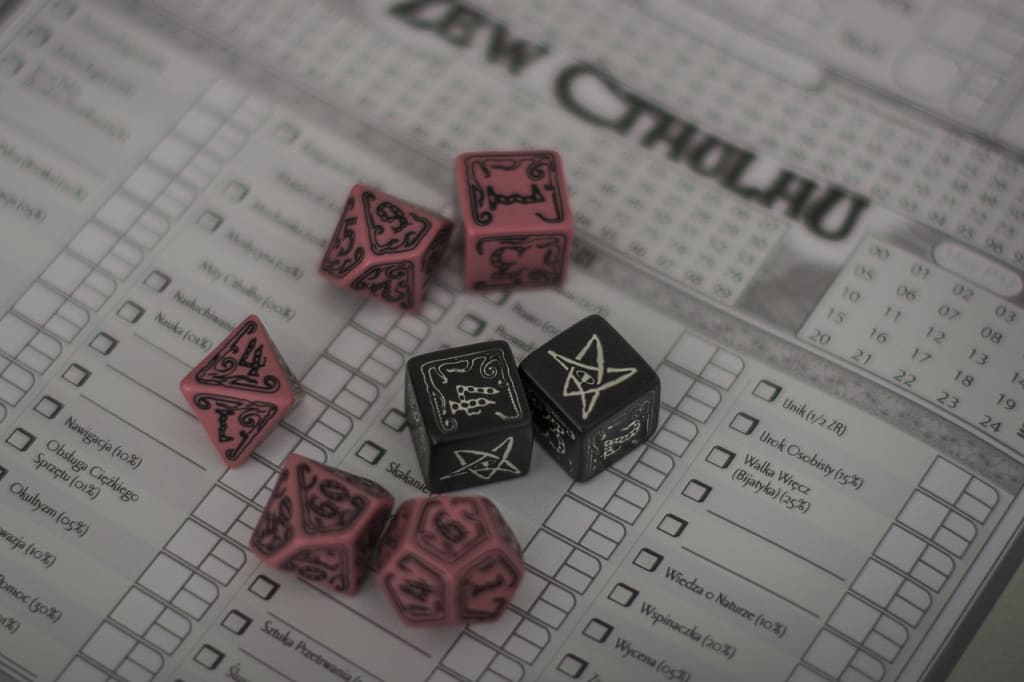
Roleplaying games (RPGs) are often seen as an entertaining hobby, but their impact extends far beyond the gaming table. Whether you’re navigating social interactions, advancing in your career, or expanding your intellectual abilities, RPGs provide invaluable skills that transfer to the real world. By engaging in collaborative storytelling, problem-solving, and critical thinking, players develop abilities that can enhance their daily lives in profound ways.
Social Benefits: Building Stronger Connections
RPGs are inherently social experiences, requiring players to communicate, cooperate, and engage with others. This can significantly improve interpersonal skills in various ways:
Enhanced Communication: Players learn to articulate their thoughts clearly and persuasively, improving both verbal and non-verbal communication. This skill is crucial in everyday conversations, job interviews, and leadership roles.
Empathy and Emotional Intelligence: Stepping into another character’s shoes fosters understanding and compassion, which strengthens real-world relationships. By roleplaying different perspectives, players develop a greater appreciation for diverse experiences and viewpoints.
Conflict Resolution: Group dynamics in RPGs teach players how to navigate disagreements and work towards compromises, a crucial skill in both personal and professional settings. Handling in-game disputes diplomatically prepares individuals for resolving workplace or social conflicts effectively.
Networking and Friendship Building: Many lifelong friendships start at the gaming table. RPGs provide a structured yet flexible environment where people of all backgrounds can connect and collaborate. Conventions, online communities, and local game stores offer excellent opportunities for meeting like-minded individuals.
Professional Growth: RPGs as a Career Booster
The skills developed in RPGs translate directly into workplace success. Employers value candidates who can think critically, adapt to challenges, and work effectively in teams—precisely the qualities RPGs help cultivate.
Leadership and Teamwork: Acting as a Game Master (GM) or coordinating with other players improves leadership skills, delegation, and group problem-solving. Many GMs learn to manage different personalities and keep teams engaged—an essential skill in any leadership role.
Creativity and Innovation: Crafting stories and improvising scenarios enhance creative thinking, a highly sought-after skill in marketing, design, and problem-solving roles. Employees who think outside the box and adapt quickly are often more successful in dynamic work environments.
Strategic Planning and Decision-Making: RPGs involve analyzing situations, predicting outcomes, and making strategic choices—skills that benefit project management, finance, and business operations. Learning how to weigh risks and rewards in a game can translate into better decision-making in real life.
Public Speaking and Presentation Skills: Playing a character and narrating events builds confidence in public speaking, making it easier to present ideas in professional settings. Many RPG players report feeling more comfortable speaking in meetings or pitching ideas to teams.
Intellectual Growth: Expanding Your Mind Through RPGs
Beyond social and professional benefits, RPGs can be a powerful tool for lifelong learning and intellectual development.
Critical Thinking and Problem-Solving: Players evaluate risks, interpret information, and synthesize solutions—skills that are valuable in everyday decision-making and professional life. Encountering unexpected challenges in-game hones adaptability and resourcefulness.
Improved Literacy and Storytelling Skills: Reading complex rulebooks, crafting narratives, and engaging in descriptive storytelling enhance vocabulary, comprehension, and creative writing abilities. Many game mechanics require players to analyze detailed descriptions and apply rules effectively.
Logical Reasoning and Strategic Thinking: Many RPGs incorporate puzzles and strategy elements that sharpen analytical thinking and decision-making. Players learn to identify patterns, anticipate challenges, and make informed choices based on available information.
Cultural Awareness and Historical Knowledge: Many RPG settings draw from real-world history, mythology, and cultures, offering players an engaging way to explore different perspectives and ideas. Playing in historical or fantasy settings can spark curiosity and inspire further learning.
Mental Well-Being: RPGs as a Tool for Personal Growth
Beyond intellectual and professional benefits, RPGs also contribute to mental health and personal well-being.
Stress Relief and Emotional Resilience: Escaping into a fictional world allows players to process emotions in a safe space and reduce real-life stress. Engaging in storytelling and creative problem-solving provides a mental break from daily pressures.
Confidence Building: Successfully navigating challenges within the game reinforces self-esteem and decision-making confidence. Players often become more assertive in expressing their opinions and taking initiative in real life.
Coping Mechanisms and Therapy: Many therapists use RPGs as tools for social development and emotional processing, particularly for individuals with anxiety, autism, or PTSD. Structured roleplaying can provide a controlled environment to practice social interactions and emotional regulation.
Personal Expression and Identity Exploration: RPGs offer a safe space for players to experiment with different identities, personalities, and moral choices. This can be particularly meaningful for individuals exploring aspects of their personality or identity in a non-judgmental setting.
How to Apply RPG Skills in Real Life
The benefits of RPGs extend beyond the gaming table when players consciously apply these skills to their daily lives. Here are some ways to integrate RPG-learned abilities into different aspects of life:
At Work: Use your strategic planning and communication skills to excel in team projects and problem-solving tasks.
In Social Situations: Apply your conflict resolution and empathy skills to strengthen relationships and build rapport with others.
For Personal Growth: Challenge yourself with storytelling and creative writing exercises inspired by your RPG experiences.
For Learning and Development: Explore books, documentaries, and online courses that expand on the historical and cultural themes encountered in your RPG campaigns.
Conclusion: Leveling Up in Real Life
Far from being just an entertaining pastime, RPGs serve as powerful tools for personal development. Whether enhancing social interactions, boosting career potential, expanding intellectual horizons, or improving mental well-being, the benefits of roleplaying games extend far beyond the gaming table. By embracing RPGs, players can gain invaluable life skills while having fun—a true win-win scenario.
Next time you sit down for a session, remember: you’re not just playing a game—you’re leveling up in life!
About the Creator
Bounty Hunter
RPG storyteller, worldbuilder and game designer exploring immersive narratives.
Keep reading
More stories from Bounty Hunter and writers in Geeks and other communities.
Master the art of suspense, fear, and psychological horror in your tabletop RPG sessions.
Horror RPGs stand apart from other genres due to their focus on tension, vulnerability, and the unknown. Unlike traditional fantasy or sci-fi adventures, where players often feel powerful and in control, horror thrives on the opposite: helplessness, paranoia, and a creeping sense of dread. A well-executed horror session can leave a lasting impact, making players question their every move. Horror RPGs are not just about monsters and gore—they are about atmosphere, psychology, and storytelling techniques that create an unforgettable experience.
By Bounty Hunter about a year ago in Geeks
History of The Three Stooges (Part I: The Beginnings and Columbia Pictures - 1920s-1936)
I have been itching to write about The Three Stooges on Vocal for close to two years, but I couldn't figure out how to do it. I wanted to do it by third Stooge, but that's a bit complicated. I know this much. I was about eight or nine years old when I first saw The Three Stooges. I remember one of my local channels had the Stooges on for hours, and I tried my damnedest to be up for those shorts. I remember that the Family Channel actually had an hour of the Stooges on from 11PM to midnight, and it was the entire library on during that time.
By Clyde E. Dawkins4 days ago in Geeks
The Next Generation Wants Peace and Growth, Not World War 3
The world today stands at a crossroads. Everywhere we look, tensions rise, conflicts simmer, and headlines hint at instability. Yet, amid this uncertainty, one truth shines clearly: the next generation does not want war—they want peace, growth, and a chance to build a better future.
By shaoor afridi2 days ago in Geeks
My First Time Skiing and I Got Lost, Alone, in the French Alps
Looking back, I can trace some of my life’s biggest adventures to a simple action from my sister. She’d introduced me to Tommy (a very long time ago), a colleague of hers, who had overshared his penchant for Italian-looking women, and I ticked that box.
By Chantal Christie Weiss3 days ago in Humans




Comments
There are no comments for this story
Be the first to respond and start the conversation.