
Friend Game: The Psychological Anime Similar to Squid Game
Friend Game: The Psychological Anime Similar to Squid Game

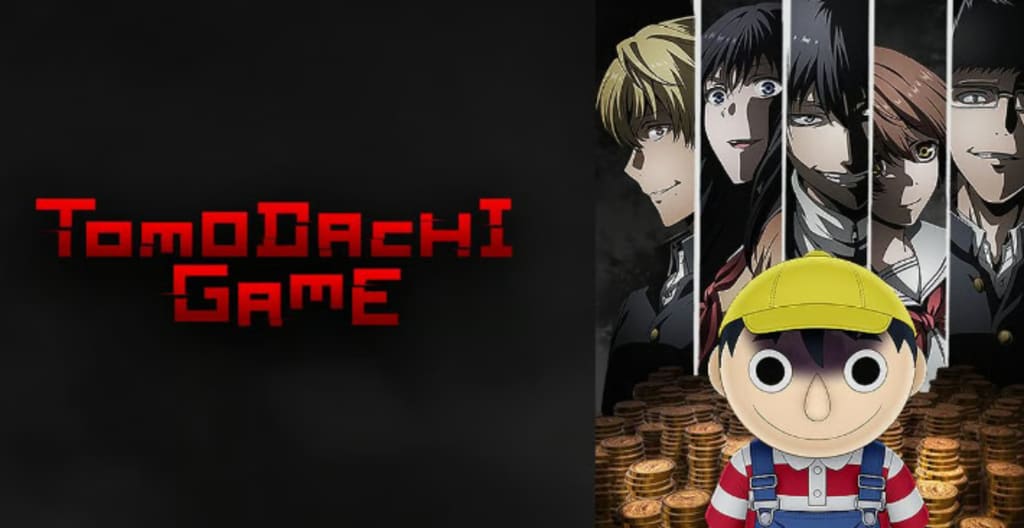
Anime fans and psychological thriller enthusiasts alike have been buzzing about Friend Game ("Tomodachi Game"), a gripping anime series that delves deep into trust, manipulation, and survival—themes that feel eerily similar to the global phenomenon Squid Game. While the two works differ in cultural contexts and execution, their shared focus on human psychology and the lengths people go to in desperate situations make them fascinating counterparts.
The Premise of Friend Game
At its core, Friend Game revolves around a group of high school friends who are lured into a dangerous game after someone allegedly steals money meant for a school trip. The stakes? A colossal debt of 20 million yen that must be paid off through a series of high-stakes psychological challenges. Each game tests their trust, loyalty, and ability to manipulate or outsmart one another, with every round threatening to unravel their relationships further.
The series is led by Yuuichi Katagiri, a cunning and enigmatic protagonist who quickly proves to be more than meets the eye. As the games progress, secrets are unearthed, alliances are tested, and the true nature of friendship is questioned.
Squid Game Parallels: Survival and Betrayal
Much like Squid Game, Friend Game thrives on its ability to explore the darker sides of human nature when survival is on the line. Both narratives are built on a deceptively simple premise: participants are thrust into a series of games where failure results in severe consequences. Yet, these games are more than mere challenges; they serve as a crucible for testing morality, trust, and humanity.
High-Stakes Games:
In Squid Game, participants risk their lives in brutal, life-or-death games, often based on childhood activities with a deadly twist. While Friend Game swaps physical peril for psychological warfare, the stakes feel just as dire. Emotional manipulation and mental exhaustion can be just as destructive as physical harm, especially when relationships are at the center.
Themes of Trust and Betrayal:
Trust is a fragile currency in both Friend Game and Squid Game. Alliances form and shatter as participants weigh self-preservation against loyalty. In Friend Game, the betrayal often feels more personal, given the pre-existing friendships among the characters, while Squid Game explores trust among strangers united by desperation.
Protagonists with a Hidden Edge:
Yuuichi Katagiri of Friend Game and Seong Gi-hun of Squid Game may seem different on the surface, but both protagonists reveal unexpected depth as the games progress. Yuuichi’s calculating mind and willingness to manipulate others mirror Gi-hun’s moral dilemmas and evolving ruthlessness, albeit with contrasting styles.
Psychological Depth: A Key Connection
The psychological tension in both works is palpable. Friend Game and Squid Game are less about the games themselves and more about the human drama they provoke. How much can you trust the person next to you? How far are you willing to go to ensure your survival? These questions linger in every episode, keeping viewers on edge.
In Friend Game, the psychological focus is even more pronounced, as the games often revolve around revealing hidden truths, exploiting fears, or forcing characters to make morally ambiguous choices. This creates an atmosphere of paranoia and unease, much like Squid Game, where the constant threat of death fosters an environment of mistrust.
Unique Flavors of Suspense
While the comparisons are compelling, Friend Game and Squid Game also differ in significant ways. Friend Game is rooted in the high school setting, emphasizing youthful friendships and the vulnerability of adolescence. Its animation style allows for exaggerated expressions and creative visual storytelling that heightens the emotional impact.
On the other hand, Squid Game presents a grittier, more grounded aesthetic, with social commentary on economic inequality and the commodification of human life taking center stage. Its raw violence and societal critique resonate on a global scale, while Friend Game remains more intimate, focusing on interpersonal dynamics and individual psyche.
Why You Should Watch Friend Game
If you loved Squid Game for its psychological twists, moral dilemmas, and suspenseful storytelling, Friend Game offers a fresh yet familiar experience. Its blend of anime’s creative freedom and the universal appeal of psychological thrillers makes it a must-watch for fans of the genre.
Prepare to question the meaning of friendship, grapple with your own moral boundaries, and immerse yourself in a story where the stakes are as emotional as they are high. Whether you’re an anime aficionado or new to the medium, Friend Game proves that survival isn’t just about staying alive—it’s about confronting the darkest corners of the human heart.
About the Creator
F.R.B.
A meaningful poem connects with you personally, providing comfort, inspiration, or a sense of shared humanity. It becomes not just words on a page, but an experience, a mirror, or even a guide
Silver Screen Magic with Mae West
American actress and singer Mae West became a popular film actress during the Great Depression. She started entertaining in vaudeville, then performed on Broadway, and finally went to Hollywood. She signed up with Paramount Pictures and made her debut in the 1932 film “Night After Night.” She also starred in musicals, comedies, and crime dramas. The American Film Institute named her one of the best classic Hollywood actresses.
By Rasma Raisters4 days ago in Geeks
Premier League in South Africa: How to Watch
The 2025–26 Premier League season is underway, marking the 34th edition of the competition and the 127th year of top-flight English football. Liverpool start their title defense with confidence after lifting their second Premier League trophy last season, but the return of Leeds United, Burnley, and Sunderland ensures fresh rivalries – including the long-awaited Tyne–Wear derby, back for the first time since 2015–16.
By David Cook6 days ago in Geeks




Comments
There are no comments for this story
Be the first to respond and start the conversation.