
"Frankenstein" by Mary Shelley
Classic Book of the Month: January

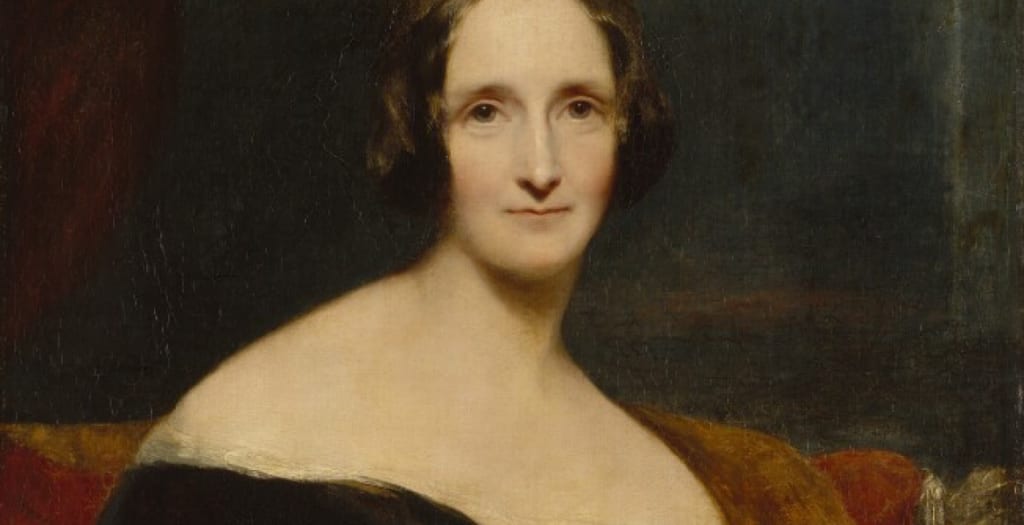
“Frankenstein” by Mary Shelley is regularly called the world’s first Sci-Fi novel and for years it has been the marker from which body horror has been created. About a man called Victor Frankenstein who sets his entire life upon making a creature so close to a living man that when it happens, he regrets the whole thing - this book has enthralled audiences for over two hundred years.
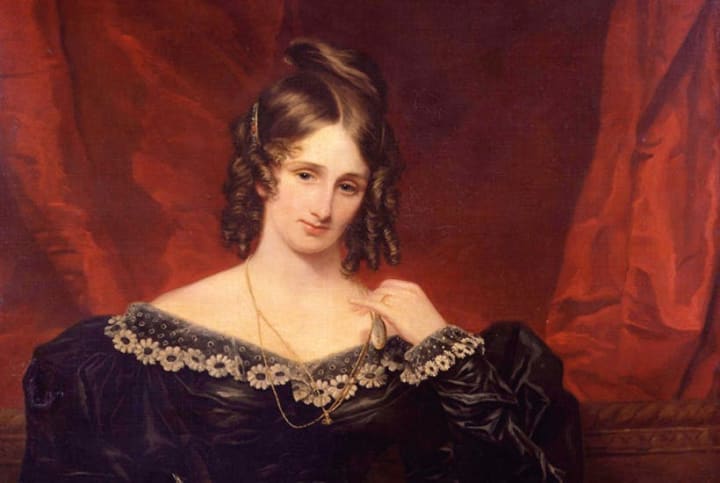
First written in 1818 as a part of a horror story contest set out between Lord Byron and his friends, Mary Shelley was less than twenty years’ old when she began working on what would become one of the most tragic and yet, beloved tales of a monster in human history. It was published initially in its first form by a small London publishing house called Lackington, Hughes, Harding, Mavor, & Jones and issued anonymously with a dedication to Mary Shelley’s father, philosopher William Godwin. By 1821, there was already a French translation of the novel and the second edition of the English version was published on the 11th of August 1823 in two volumes by the slightly bigger publisher in London, G. and W. B. Whittaker. This was the edition in which Mary Shelley was named as the author of the novel.
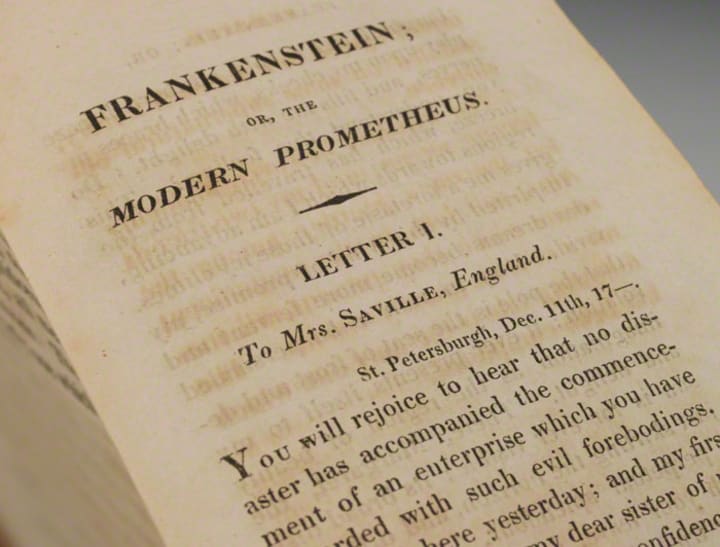
On the 31st of October, 1831, another edition was published and this time by publishers Henry Colburn and Richard Bentley. This is normally called the ‘popular edition’ and, if you were to read an edition of ‘Frankenstein’ without an ‘edition’ name on the cover today, you will usually find it to be the 1831 edition. It was a revised version by Mary Shelley to make the story seem less radical and had a new preface entirely. There are scholars that argue for and against this version, some state that Mary Shelley was wiser as she was older in writing the revised version whereas, others state that her dream (or ‘nightmare’ if this is what she is dreaming about) is preserved authentically in the first edition of 1818.
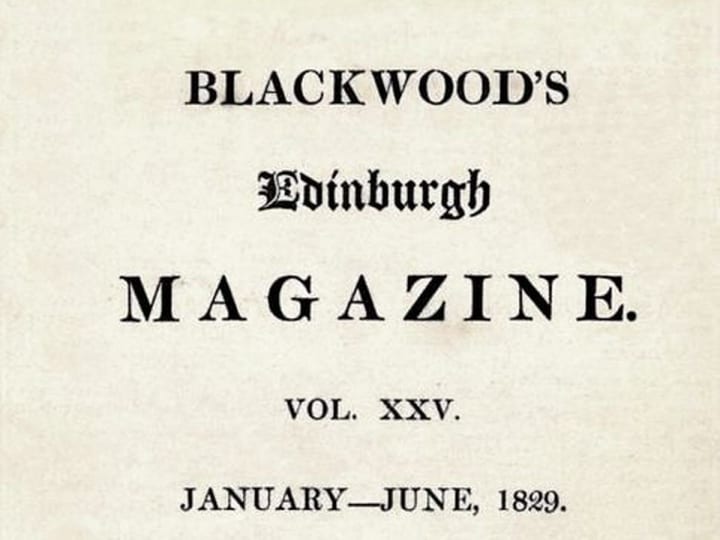
In Blackwood’s Edinburgh Magazine, the writer Walter Scott praised the novel as ‘extraordinary’ and states that the then anonymous author has ‘uncommon powers of poetic imagination’. Whereas, the writer John Wilson Croker was less amicable stating that the novel was ‘a tissue of horrible and disgusting absurdity’ in the Quarterly Review. As Mary Shelley got her name put on to the novel, some critics began criticising it negatively based purely on the fact that she was a woman. But since the beginning of the 20th century, there has really been nothing but praise for what director Guillermo Del Toro named ‘the quintessential teenage book’ and the BBC called one of the 100 most influential novels (2019).
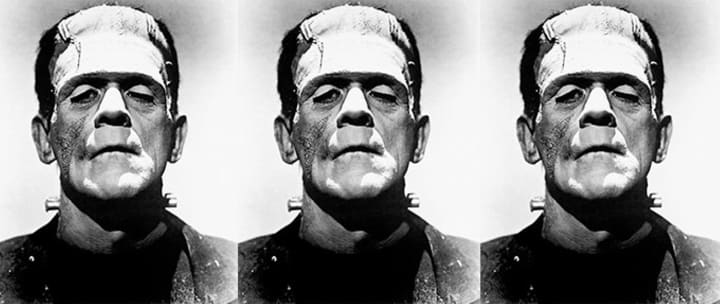
I was about fourteen or so when I first read Mary Shelley’s ‘Frankenstein’ and since then, I have read the book and taught the book countless times. I have always taught the book as a cautionary tale about what happens when ego and narcissism break through the wall of morality, common sense and human judgement. I always enjoyed reading Chapter 11 in which the Monster begins to learn things about life and the surrounding area. He learns about fire, the moon and the sun, the movements of people. In contrast to Victor Frankenstein’s own long philosophical ramblings and strange aphorisms inserted everywhere in his thought processes during the book, the Monster speaks almost plainly in a romantic way - it is simple and innocent and definitely creates more sympathy in the reader for this character. I have pretty much analysed ‘Frankenstein’ to death and yet, I would still come back to it and read it again at my own will. It is one of those truly beautiful and yet, entirely rare books that contains most of the understanding of human nature within its pages.
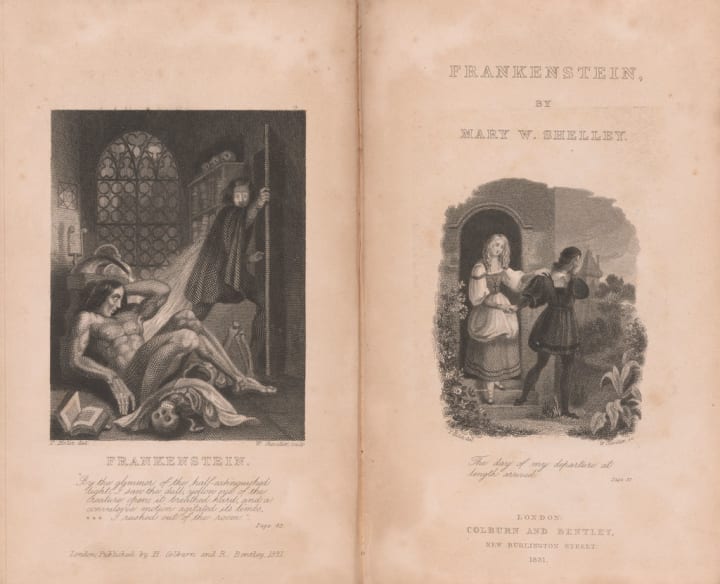
Far more people need to actually read this book instead of simply assuming that they understand the story, because in most cases, they don’t. The story is about tragedy and revenge, it is about loss, love and the soul, it is about degeneration of humans and how we, as people, can be the most horrible creatures to walk the earth.
About the Creator
Annie Kapur
I am:
🙋🏽♀️ Annie
📚 Avid Reader
📝 Reviewer and Commentator
🎓 Post-Grad Millennial (M.A)
***
I have:
📖 280K+ reads on Vocal
🫶🏼 Love for reading & research
🦋/X @AnnieWithBooks
***
🏡 UK
Keep reading
More stories from Annie Kapur and writers in Geeks and other communities.
Book Review: "The Aleph and Other Stories" by Jorge Luis Borges
Jorge Luis Borges has written so many great books over his lifetime and in my own time, I have read a few of them. I have read Fictions, Labyrinths and The Library of Babel and yet, I am no closer to discovering the true message of Borges' works. He is seriously a man of mystery and a man whom I think is trying to teach us about the more compassionate aspects of the human condition through riddles, puzzles and paradoxes. It has, admittedly, been a while since I have read anything by Borges and so I sought to pick up a book of short stories rather than a full-length novel in order to get a better feeling of his literary life lessons and their background, of his philosophies and their roots and where in the critical literary compass he lies. I may not have answered all of these questions, but I have definitely got a better, more confident feeling of reading and re-reading Borges now that The Aleph and Other Stories is over.
By Annie Kapur4 years ago in Geeks
Marvel Zombie
The last entry into our 2025 superhero projects catalogue is Marvel Zombies. This was a show that was anticipated by absolutely no one and it disappeared from the public consciousness as quickly as it was released. There was nothing special about the project that made it a must see, or a must remember. In fact if anything it's a must forget.
By Alexandrea Callaghan25 days ago in Geeks
Why The Last Holiday Still Resonates Even 20 Years Later
Plot Summary Georgia Byrd, a kindhearted but shy department store employee, discovers she has a terminal illness. Faced with her mortality, she decides to abandon her mundane life and take a lavish vacation to Europe, determined to live life to the fullest before her passing. Along the way, Georgia embraces adventure, discovers her own courage, and forms unexpected friendships that change her outlook. Amid luxury hotels, fine dining, and breathtaking scenery, she also encounters romance and laughter, learning to cherish every moment. The Last Holiday is a heartfelt story about finding the true joy of life and self-discovery.
By TheScreenAnalyst7 days ago in Geeks
Affection and Healing for Yourself
During the night of the last quarter moon, I gathered my ritual supplies. I carefully handled the chunk of black tourmaline that would protect me from your overall negative and narcissistic energy. I carefully walked the house with my stick of selenite in hand, asking the universe to cleanse our working space.
By Alisha Wilkins ✒️🦋🖋️a day ago in Fiction


Comments
There are no comments for this story
Be the first to respond and start the conversation.