
Enough Is Enough: Women of Color In Fandom Deserve Support-Not Smear Campaigns
From Star Wars to Snow White, actors like Rachel Zegler, Moses Ingram, Kelly Marie Tran, and Halle Bailey have faced a disproportionate backlash from parts of the fandom. It’s time we acknowledge the damage and advocate for better.

Content/Trigger Warning: This article discusses topics including online harassment, racism, misogyny, and discrimination in fandom spaces. It also references real-life examples of targeted abuse toward public figures, particularly women of color. Reader discretion is advised.
Once a sanctuary for connection through shared passions, fandoms now often serve as arenas of cultural conflict. This is especially clear in the disproportionate hostility faced by women of color in prominent roles. What should be healthy critique has morphed into relentless personal attacks, online harassment, and targeted abuse, particularly when directed at actresses of color in franchises like Star Wars and Disney remakes.
Actresses such as Rachel Zegler, Moses Ingram, Kelly Marie Tran, and Halle Bailey, who have shown talent and professionalism, have been met with racially charged backlash instead of constructive debate. This pattern demands attention, not silence. It's crucial to acknowledge how online reactions to casting choices reflect larger societal divides and how personal attacks have become excessively prevalent, specifically targeting women of color.
When Critique Becomes Character Attacks
Instances of actresses from underrepresented backgrounds facing significant online backlash and harassment in fandom spaces are many:
- Halle Bailey's casting as Ariel in the live-action The Little Mermaid sparked considerable debate. While many lauded the inclusive representation, others voiced disapproval, resorting to racially charged hashtags and campaigns, revealing underlying biases in fan reactions.
- Kelly Marie Tran, known for her role as Rose Tico in The Last Jedi, was driven off social media because of persistent and severe online trolling. Although her character's narrative was contentious, criticism directed at Tran often became personal and vitriolic.
- Moses Ingram, portraying Reva in Obi-Wan Kenobi, received an influx of abusive messages, many laced with racism. Despite some valid performance critiques, the overwhelming volume and intensity of hate caused public statements of support from Lucasfilm and Ewan McGregor.
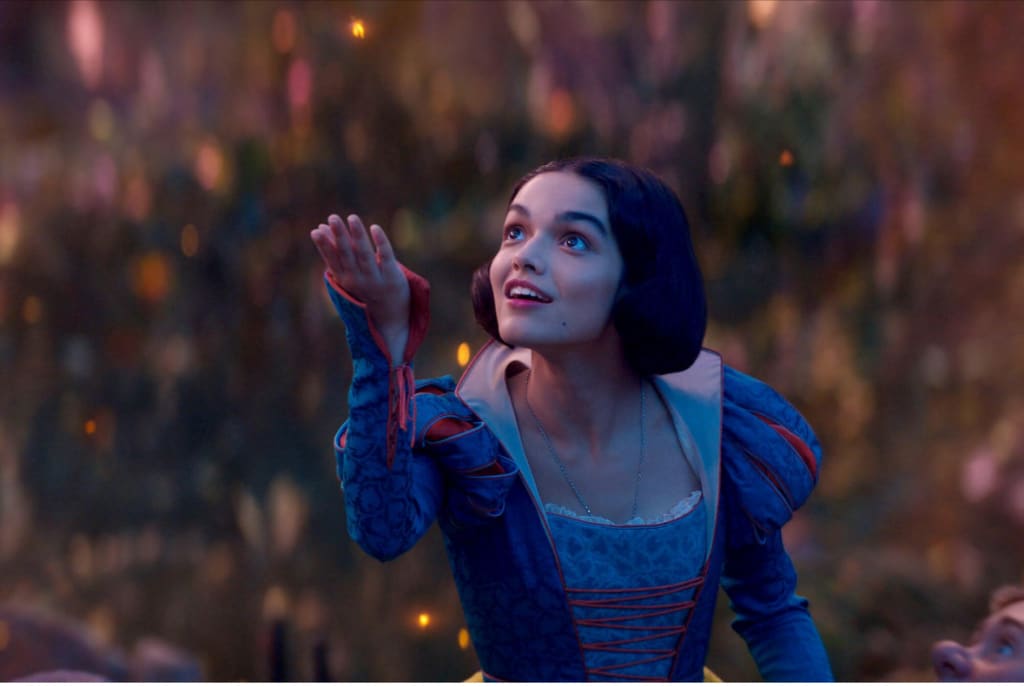
- Rachel Zegler faced criticism after suggesting the original Snow White reflected outdated ideals, including a problematic romantic element. Her attempt to modernize the character drew accusations of disrespecting Disney and ingratitude, despite critical reevaluation being standard in creative development.
These incidents show resistance among some fan communities towards diverse casting choices and modern adaptations of established franchises. However, performers from historically marginalized groups should not be subjected to such hostile treatment.
Culture War Narratives in Fan Spaces
Certain political media outlets have amplified the portrayal of fan discussions as indicative of a wider “culture war”, including The Daily Wire and many YouTube channels. They frequently produce content criticizing perceived "wokeness" in entertainment, often targeting individuals based on casting choices or public statements, sometimes moving beyond analysis to provocation.
For instance, The Daily Wire announced their own Snow White-inspired film in direct opposition to Disney's inclusive remake, set to star Brett Cooper. However, this project was later shelved after Cooper's departure and reported layoffs. While creating alternative projects is acceptable, such efforts often seem driven more by ideological opposition than genuine creative innovation.
Consequently, legitimate criticisms of the entertainment industry, such as Disney+ pricing, theme park affordability, and corporate changes, are often overshadowed by debates concerning diversity and identity.
Double Standards in Public Perception
Some performers enjoy more institutional and public backing than others. Chris Pratt, despite criticism of his religious affiliations, remains a lead in major films. Likewise, Gal Gadot continues to secure prominent roles despite her past in the Israel Defense Forces and public statements on the Middle East conflict.
This is not to argue against their employment. Rather, it underscores how women of color often endure far harsher repercussions for considerably less contentious reasons. Rachel Zegler, Kelly Marie Tran, Halle Bailey, and Moses Ingram have all faced intense scrutiny of their career choices and personal opinions, an experience largely avoided by their white counterparts.
While studios occasionally release statements of support, this backing typically wanes once the news cycle shifts. Consequently, actors are left to grapple with the aftermath of being unjustly turned into symbols in online ideological clashes.
The Way Forward: Building a Better Fandom
A thriving fandom fosters a community built on empathy, inclusion, and mutual respect. This translates to:
- Recognizing the difference between valid critique and personal attacks. Disagreeing with a plot point is acceptable; targeting an actor's identity is not.
- Taking performers seriously when they report feeling targeted or unsupported. Believe and acknowledge their experiences.
- Evaluating media outlets that frequently incite controversy against marginalized creatives. Question the value of their content.
- Applauding public figures who advocate for change, whether by addressing bias or challenging stereotypes. Acknowledge their courage.
- Pushing for industry-wide change. Studios must support the talent they cast and ensure responsible representation.
To support the New Faces of Genre Storytelling
Rachel Zegler, Moses Ingram, Kelly Marie Tran, and Halle Bailey each contributed unique value to the narratives they enriched. Despite facing immense public scrutiny, they delivered powerful, unforgettable performances. Notably, they have emerged as inspiring figures for a fresh wave of fans who now see their identities represented on screen.
They were not seeking the spotlight of controversy; they simply fulfilled their roles. Therefore, it's crucial to affirm from the outset that they merit support, apologies, recognition, and safeguarding from the more toxic aspects of fan culture. Far from damaging existing stories, they are instrumental in their positive evolution.
To these women, and countless others, fandom must cultivate a more inclusive future—one centered on growth, empathy, and boundless imagination, rather than exclusion.
About the Creator
Jenna Deedy
Just a New England Mando passionate about wildlife, nerd stuff & cosplay! 🐾✨🎭 Get 20% off @davidsonsteas (https://www.davidsonstea.com/) with code JENNA20-Based in Nashua, NH.
Instagram: @jennacostadeedy
Keep reading
More stories from Jenna Deedy and writers in Geeks and other communities.
From Infinity Saga to Chicken Jockey: The Changing Face of Moviegoing
Moviegoing was once a cherished family tradition for Marvel's Infinity Saga releases. It was more than just watching a film; it was a communal experience. Our family would drive to the theater, sometimes sneaking in snacks to avoid the high popcorn prices (which I couldn't even enjoy because of IBS). Occasionally, we'd go to Chunky's, a restaurant-theater where the unique atmosphere compensated for the mediocre food.
By Jenna Deedy8 months ago in Geeks
Marty Supreme Review: Timothée Chalamet Is Excellent, The Movie… Not So Much
⭐ Rating: 2 out of 5 stars Marty Supreme Directed by Josh Safdie Written by Josh Safdie, Ronald Bronstein Starring Timothee Chalamet, Gwyneth Paltrow, Tyler The Creator, Odessa A'zion
By Sean Patrickabout a month ago in Geeks
How to Watch Hulu in Canada in 2026
Hulu is one of the most popular streaming services in the U.S., known for hit shows, movies, and original content. However, Hulu isn’t officially available in Canada due to licensing restrictions. If you’re living in Canada and want to watch Hulu, this guide explains safe, legal, and effective options for accessing the service in 2026.
By David Cook2 days ago in Geeks




Comments (1)
Such a pity online life is so important to people these days. It opens up such avenues to abuse. Black women are barely represented in films etc. We have to represent ourselves, cleave a niche for ourselves.