
Discovering the Wonders of the Sagrada Familia
The Sagrada Familia, a basilica located in Barcelona, Spain, is one of the most extraordinary architectural feats in the world.
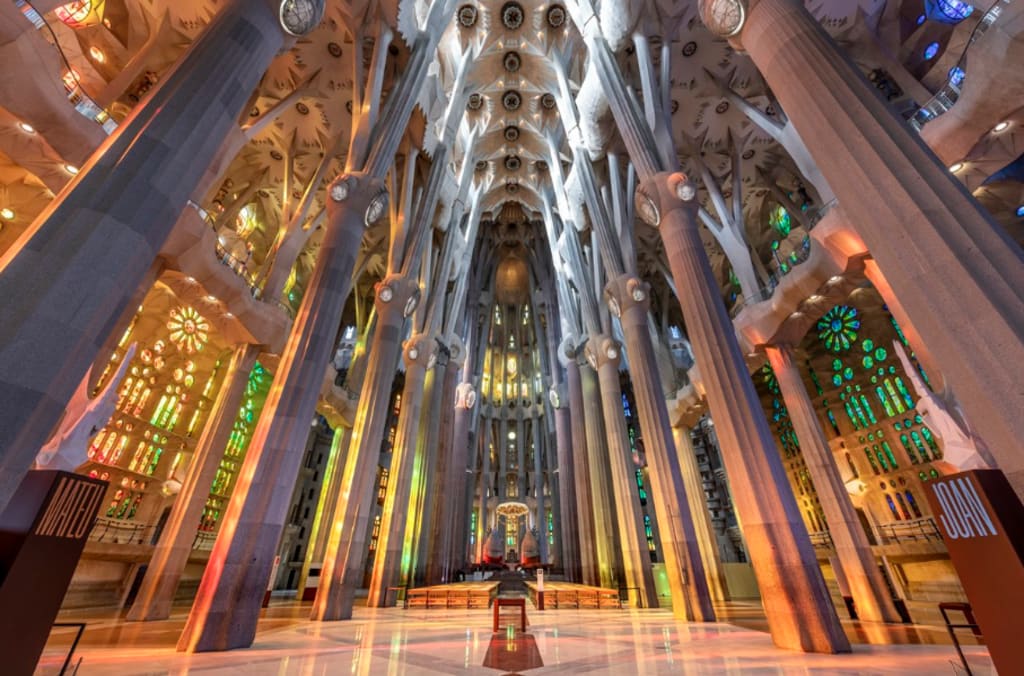
The Sagrada Familia, a basilica located in Barcelona, Spain, is one of the most extraordinary architectural feats in the world. Designed by the visionary architect Antoni Gaudí, this iconic structure has been under construction since 1882 and continues to draw millions of visitors each year. With its intricate designs, towering spires, and rich symbolism, the Sagrada Familia stands as a testament to human creativity and devotion.
A Glimpse into History
The history of the Sagrada Familia is as fascinating as its architecture. The project was initiated by Francisco de Paula del Villar, who envisioned a traditional Gothic church. However, after Gaudí took over in 1883, he transformed it into a unique blend of Gothic and Art Nouveau styles. Gaudí dedicated his life to this project for over 40 years until his untimely death in 1926. At that time, only a fraction of the basilica had been completed. Despite numerous challenges—including funding issues and interruptions due to wars—the construction has continued with an aim for completion around 2026, coinciding with the centenary of Gaudí's death.
Architectural Marvels
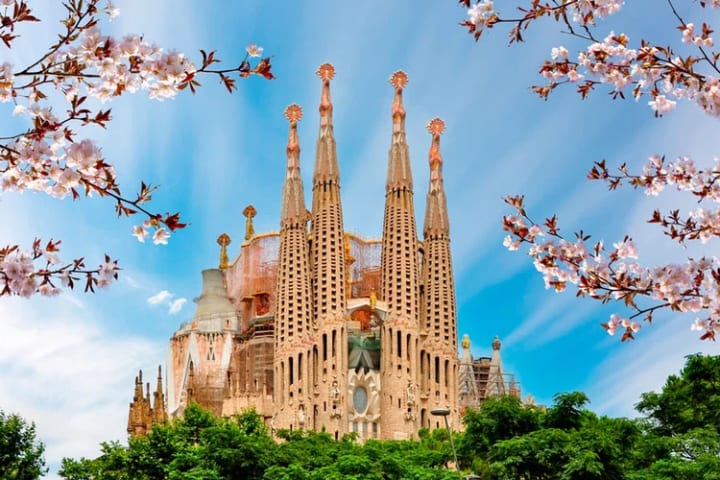
The architectural design of the Sagrada Familia is nothing short of breathtaking. The basilica features three grand facades: the Nativity Facade, which celebrates Christ's birth; the Passion Facade that depicts his suffering; and the Glory Facade representing his resurrection and glory in heaven. Each facade is adorned with intricate sculptures that tell biblical stories through their artistry.
Inside, visitors are greeted by soaring columns that resemble tree trunks branching out towards a vaulted ceiling designed to mimic a forest canopy. This naturalistic approach creates an otherworldly atmosphere where light filters through colorful stained glass windows—each telling its own story through vibrant hues that change throughout the day as sunlight shifts.
Symbolism at Every Turn
One cannot discuss La Sagrada Família without acknowledging its profound symbolism embedded within every detail. Gaudí believed that architecture should reflect divine truths; thus he infused spiritual meaning into even seemingly mundane elements. For instance, there are twelve spires representing Jesus’ apostles while four others symbolize evangelists—each designed meticulously not just for aesthetics but also conveying deeper religious significance.
Moreover, various motifs throughout reflect themes from nature such as fruits symbolizing abundance or flowers representing purity—all contributing layers upon layers onto what might appear mere decoration at first glance! This thoughtful integration invites visitors not only to admire beauty but also engage spiritually with their surroundings.
Ongoing Construction Efforts
Despite being over a century since construction began on this monumental work—the project remains ongoing today! Modern architects have taken up Gaudi’s vision while incorporating contemporary techniques ensuring structural integrity without compromising aesthetics—a delicate balance they strive diligently towards achieving every day! Challenges persist including funding shortages exacerbated by global events like pandemics yet dedication remains unwavering among those committed seeing it through completion!
As we look forward toward anticipated finalization date approaching soon—it serves reminder how great art often requires patience perseverance sometimes spanning generations before fully realized! Each brick laid represents collective effort countless individuals who have contributed tirelessly towards bringing this dream closer reality!
UNESCO World Heritage Site Status
In recognition of its cultural significance—the Sagrada Familia was designated as a UNESCO World Heritage Site in 2005 alongside other works by Antoni Gaudí scattered throughout Barcelona such as Park Güell or Casa Batlló! This prestigious status underscores how integral these structures have become within broader context surrounding Catalonia region itself—serving not only local communities but attracting tourists from around globe eager witness firsthand artistry behind them!
Visitors flock here seeking connection spirituality beauty artistry all intertwined together creating unforgettable experience transcending time space boundaries alike! Additionally it serves educational purposes too offering guided tours workshops aimed inspiring future generations architects artists alike fostering appreciation craftsmanship involved creating such masterpieces!
Cultural Impact Beyond Architecture
Beyond being merely an architectural feat—the impact made by La Sagrada Família extends far beyond bricks mortar—it has become emblematic representation Catalan identity itself! Its presence resonates deeply within hearts minds locals visitors alike serving reminder resilience creativity can flourish even amidst adversity faced along journey building something truly magnificent together!
Furthermore—as society evolves so does our understanding art culture prompting new interpretations meanings derived from observing works like these—encouraging dialogue reflection about faith humanity intertwined beautifully together reminding us all importance pursuing passions wholeheartedly regardless challenges faced along way!
The Sagrada Familia: An Unfinished Symphony in Stone
The Sagrada Familia, located in the heart of Barcelona, Spain, is an architectural marvel that has captured the imagination of millions. Designed by the visionary architect Antoni Gaudí, this basilica is often referred to as an "unfinished symphony in stone." Its intricate designs and profound symbolism reflect Gaudí's unique artistic vision and his deep spiritual beliefs. Despite being under construction for over a century, the Sagrada Familia continues to inspire awe and wonder among visitors from around the world.
A Visionary’s Dream
Antoni Gaudí began working on the Sagrada Familia in 1883, just a year after construction commenced. Initially designed by Francisco de Paula del Villar as a traditional Gothic church, Gaudí transformed it into a grandiose project that would become his life’s work. He envisioned a basilica that would embody his philosophy of architecture as a reflection of nature and spirituality. Gaudí dedicated more than 40 years to this ambitious endeavor until his tragic death in 1926. At that time, only a fraction of the structure was completed; however, his vision lives on through ongoing efforts to finish what he started.
Architectural Brilliance
The architectural style of the Sagrada Familia is unlike any other building in existence. It combines elements from Gothic architecture with Art Nouveau influences while incorporating organic forms inspired by nature—a hallmark characteristic found throughout Gaudí's work. The basilica features three grand facades: the Nativity Facade celebrates Christ's birth with intricate sculptures depicting scenes from nature alongside biblical narratives; the Passion Facade presents a stark representation of Christ’s suffering through angular forms conveying emotional intensity; and finally, there is the Glory Facade—still under construction—that aims to depict Christ's resurrection and glory.
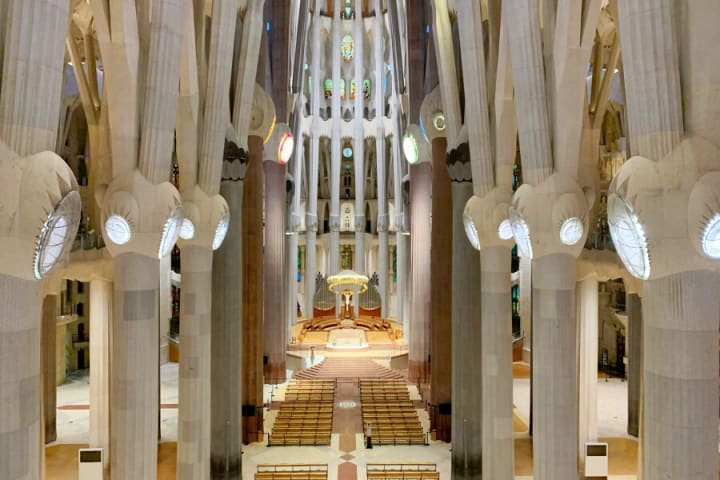
Inside this magnificent structure lies another layer of brilliance—the interior resembles an enchanted forest with towering columns resembling tree trunks branching out into an intricate canopy-like ceiling above visitors’ heads. This design creates an ethereal atmosphere where light filters through colorful stained glass windows casting vibrant patterns on stone surfaces below—a stunning interplay between light and architecture that evokes spiritual reflection.
Symbolism at Every Turn
One cannot discuss La Sagrada Família without acknowledging its rich symbolism embedded within every detail crafted by Gaudí himself. He believed that architecture should tell stories; thus he infused spiritual meaning into even seemingly mundane elements throughout his designs. For instance, there are twelve spires representing Jesus’ apostles while four others symbolize evangelists—each meticulously crafted not just for aesthetics but also conveying deeper religious significance rooted within Christian teachings!
Moreover, various motifs throughout reflect themes from nature such as fruits symbolizing abundance or flowers representing purity—all contributing layers upon layers onto what might appear mere decoration at first glance! This thoughtful integration invites visitors not only to admire beauty but also engage spiritually with their surroundings—a true embodiment of faith expressed through artistry.
The Ongoing Construction Journey
Despite being over a century since construction began on this monumental work—the project remains ongoing today! Modern architects have taken up Gaudi’s vision while incorporating contemporary techniques ensuring structural integrity without compromising aesthetics—a delicate balance they strive diligently towards achieving every day! Challenges persist including funding shortages exacerbated by global events like pandemics yet dedication remains unwavering among those committed seeing it through completion!
As we look forward toward anticipated finalization date approaching soon—it serves reminder how great art often requires patience perseverance sometimes spanning generations before fully realized! Each brick laid represents collective effort countless individuals who have contributed tirelessly towards bringing this dream closer reality!
A UNESCO World Heritage Site
In recognition of its cultural significance—the Sagrada Familia was designated as a UNESCO World Heritage Site in 2005 alongside other works by Antoni Gaudí scattered throughout Barcelona such as Park Güell or Casa Batlló! This prestigious status underscores how integral these structures have become within broader context surrounding Catalonia region itself—serving not only local communities but attracting tourists from around globe eager witness firsthand artistry behind them!
Visitors flock here seeking connection spirituality beauty artistry all intertwined together creating unforgettable experiences transcending time space boundaries alike! Additionally it serves educational purposes too offering guided tours workshops aimed inspiring future generations architects artists alike fostering appreciation craftsmanship involved creating such masterpieces!
Cultural Impact Beyond Architecture
Beyond being merely an architectural feat—the impact made by La Sagrada Família extends far beyond bricks mortar—it has become emblematic representation Catalan identity itself! Its presence resonates deeply within hearts minds locals visitors alike serving reminder resilience creativity can flourish even amidst adversity faced along journey building something truly magnificent together!
Furthermore—as society evolves so does our understanding art culture prompting new interpretations meanings derived from observing works like these—encouraging dialogue reflection about faith humanity intertwined beautifully together reminding us all importance pursuing passions wholeheartedly regardless challenges faced along way!
Conclusion
In conclusion—the Sagrada Família stands testament enduring legacy left behind visionary genius known simply as Antoni Gaudi whose life work continues inspire awe wonder among countless individuals worldwide even after passing nearly century ago! With every detail meticulously crafted infused rich symbolism reflecting deeper truths about faith humanity intertwined.
About the Creator
Keep reading
More stories from May Alroomi and writers in Geeks and other communities.
A Traveler’s Guide to Unforgettable Bangkok Day Trips
Bangkok is known for its vibrant street life ornate temples bustling markets However even most seasoned traveler needs break urban jungle every now then Fortunately there numerous exciting destinations within easy reach waiting explored These unforgettable day trips offer perfect opportunity escape chaos discover another side Thailand one steeped natural beauty rich culture warm hospitality Whether your interest lies ancient ruins floating markets national parks or scenic riverside towns we got you covered ultimate traveler guide uncovering best-kept secrets near Thai capital!
By May Alroomiabout a year ago in Geeks
Silver Screen Magic with Mae West
American actress and singer Mae West became a popular film actress during the Great Depression. She started entertaining in vaudeville, then performed on Broadway, and finally went to Hollywood. She signed up with Paramount Pictures and made her debut in the 1932 film “Night After Night.” She also starred in musicals, comedies, and crime dramas. The American Film Institute named her one of the best classic Hollywood actresses.
By Rasma Raisters5 days ago in Geeks
5 Pieces Of 'X-Men' Content Worth Revisiting Before 'Avengers: Doomsday
It's an exciting time to be a fan of the Fox X-Men films. While 2024's Deadpool and Wolverine initially seemed to act as a love letter/goodbye to the Fox-verse, fans were delighted earlier in 2025 with the reveal that some of the Fox-verse X-Men were set to appear in Avengers: Doomsday. Doomsday's third teaser focuses on a few of these returning characters, including Patrick Stewart as Professor X, Ian McKellen as Magneto, and James Marsden as Cyclops.
By Kristy Anderson6 days ago in Geeks



Comments
There are no comments for this story
Be the first to respond and start the conversation.