
Digital Transformation, Meet the Factory Floor: What True Automation Looks Like in 2026
How factories are evolving from programmed precision to intelligent, data-driven ecosystems that think, adapt, and collaborate with humans.

The Rundown
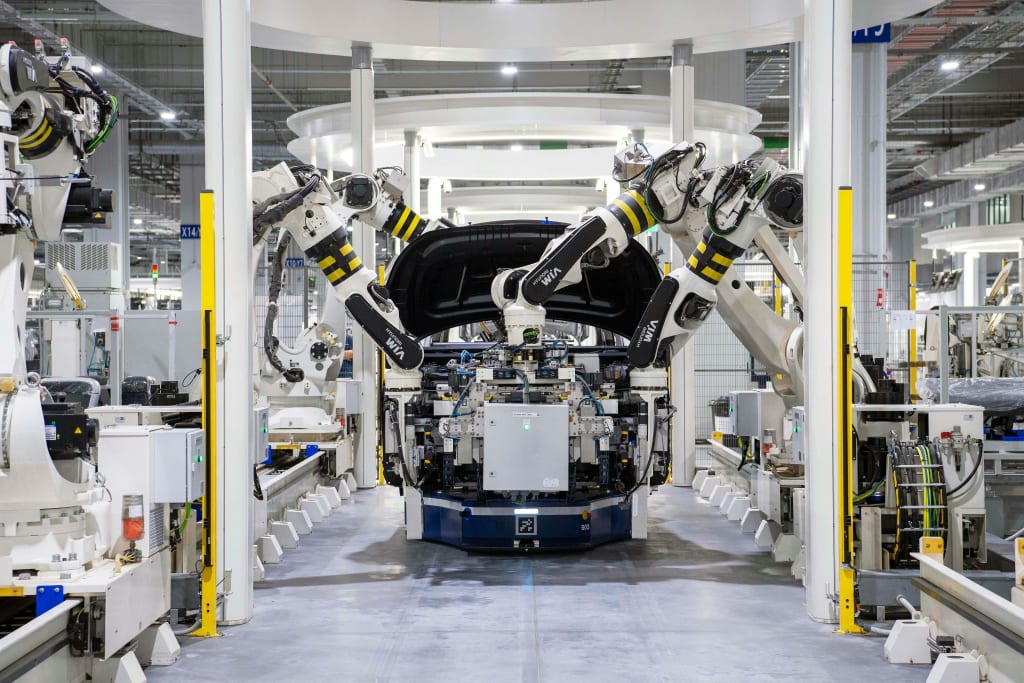
Automation is shifting from mechanical repetition to data-driven intelligence.
- Machines now interpret data, predict wear, and self-adjust across production lines.
- Real-time visibility replaces delayed reporting, allowing instant operational responses.
- Human roles evolve toward analysis, oversight, and digital collaboration with machines.
- Open systems and interoperability remove vendor barriers and connect full workflows.
- Greater connectivity demands built-in cyber-physical security for every system.
- Shared data across plants creates networked learning and quiet performance scaling.
For years, much of the digital progress that’s been happening in factories has been in office spaces and cloud dashboards, whereas many of the physical production floors saw little to no meaningful changes in this adoption.
But as data and data-centric operations are becoming an essential part of factories that need a competitive edge, these companies are no longer just thinking about installing smarter machines on their factory floors.
They are investing more in intelligent production ecosystems that can adapt and optimize on their own. This is automation happening on the factory floors, and here is what it looks like in 2026.
From Mechanization to Intelligence
Automation in the past was all about repetition. Machines would be programmed to do the same task faster, and machines really had the advantage of mechanical precision that human workers couldn’t match, especially at the same speed as machines.
But these machines weren’t smarter since all they had to do was the work they were programmed for. The difference now is that these same machines are able to interpret data, recognize inefficiencies, adjust parameters autonomously, or offer suggestions to improve the existing processes.
In 2026, we should expect this to be more common. Many more factory floors will have automated processing equipment that has adapted to predicting wear, self-calibrating, and having networks that coordinate across entire production lines.
Real-Time Visibility
Communication in 2026 and beyond will also be different from what we’ve been used to in the past. Before, the goal was to get machines to communicate through things like logs. But for 2026, the edge lies in making this communicated information usable in real-time.
Instead of logs and post-shift reports, this information can be streamed live on dashboards that reflect every movement on the line. The immediacy means that automated systems can trigger adjustments or alerts before downtime happens.
Even managers can now take advantage of this by using the real-time information to make decisions within minutes instead of waiting for logs or daily summaries.
The Human Partnerships
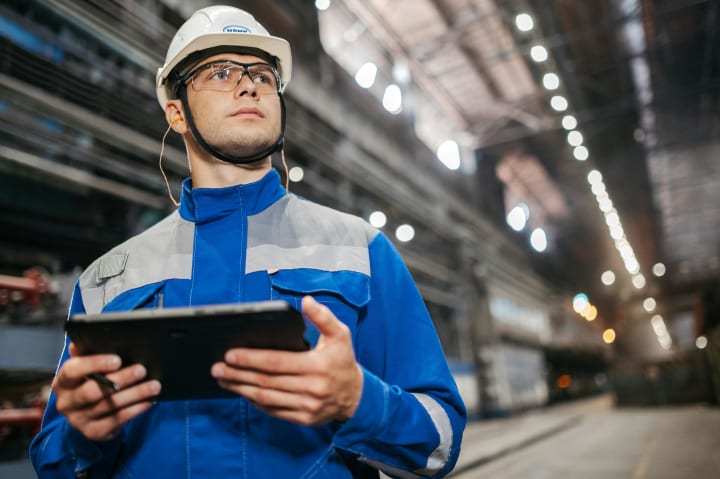
The largest part of this digital transformation has to do with the human approach to working with machines. There is a lot that people can do, even in a seemingly automated factory floor. This includes overseeing systems, interpreting live data, adjusting workflows based on insights, repairs, and so much more.
2026 and beyond will have fewer people working as line operators and more working as process analysts.
People will also use augmented-reality headsets and AI-driven assistants to navigate repairs and configure systems faster, while digital twins will let engineers simulate outcomes before making physical changes. Many of these things are already happening, but the technology in 2026 and beyond will be a lot better than it’s been in the previous years. And as this happens, so will the increase in usage.
Interoperability and Open Systems
For decades, manufacturers have struggled with compatibility issues between machines made by different vendors, each speaking its own “language.” By 2026, the focus is shifting toward open standards that let data flow freely across every level of production.
For the reality of intelligent factories to be realized, interoperability cannot be ignored, as it has been the case in the past with “walled gardens.”
The elimination of these closed systems removes manual coordination. Therefore, we should expect the trend of factory floors with machines that seamlessly communicate with each other to continue.
Cyber-Physical Security
Interconnectivity and interoperability are great, but the biggest problem with these advancements is that they lead to factory systems becoming more exposed. In the past, factory floors didn’t have to worry about cybersecurity. That was a concern only for the IT departments, and it got handled through firewalls and passwords.
In 2026, all the physical infrastructure that’s been automated must also have strong security. In this case, automation looks like systems that detect unusual behavior, isolate threats automatically, and continue operating safely even when disruptions occur.
For the automation advancements in 2026 to be worth it, having resilient and self-monitoring security must be a part of the considerations.
The New Industrial Mindset
What’s happening on the factory floor isn’t just a software upgrade. It’s a change in how work gets done. Automation today has less to do with adding robots and more to do with how people, machines, and data move together.
By 2026, many plants will treat digital coordination as second nature, the same way they once treated manual inspection or scheduled maintenance. It’s a quiet but fundamental shift, built on connection rather than control.
Frequently Asked Questions
What happens to older machines during this transition?
They don’t have to be scrapped. Many can be linked into new systems through small interface modules or updated controllers. It takes planning and a bit of trial, but retrofitting saves both money and experience that’s already built into existing equipment.
Can smaller factories actually pull this off?
They can, and many already are. Most new automation tools aren’t all-or-nothing systems anymore. A mid-size operation can start by connecting a few lines, testing what works, then scaling outward when ready. That kind of stepwise adoption keeps budgets and learning curves manageable.
What happens when data from different plants connect?
It creates a feedback loop that didn’t exist before. A failure pattern in one facility becomes a warning in another before it happens. Instead of learning lessons in isolation, manufacturers start sharing them across networks. That’s how performance scales quietly.
Does automation mean fewer people on the floor?
Yes and no. There may be fewer people doing the same repetitive tasks, but the work shifts. You’ll still see people watching the process, tuning systems, and making calls that machines can’t. The difference is that each person handles more responsibility now.
About the Creator
William Powell
William Powell is a writer and educator with a passion for marketing. He enjoys learning about the latest business trends and analyzing how global events impact domestic and international economies.
Keep reading
More stories from William Powell and writers in Geeks and other communities.
The Magic of 3D Anaglyph Glasses: How They Work and What You Need to Know
Anaglyph glasses, or what most people call 3D glasses, have been around for generations. You may have worn a pair recently, but have you ever wondered how 3D glasses with colored lenses work? Or, what makes 3D anaglyph technology unique?
By William Powell3 years ago in Geeks
Silver Screen Magic with Mae West
American actress and singer Mae West became a popular film actress during the Great Depression. She started entertaining in vaudeville, then performed on Broadway, and finally went to Hollywood. She signed up with Paramount Pictures and made her debut in the 1932 film “Night After Night.” She also starred in musicals, comedies, and crime dramas. The American Film Institute named her one of the best classic Hollywood actresses.
By Rasma Raisters6 days ago in Geeks



Comments
There are no comments for this story
Be the first to respond and start the conversation.