
Desperate Housewives: The Perfect Mix of Drama, Mystery, and Suburbia
The Four Housewives Who Stole the Show

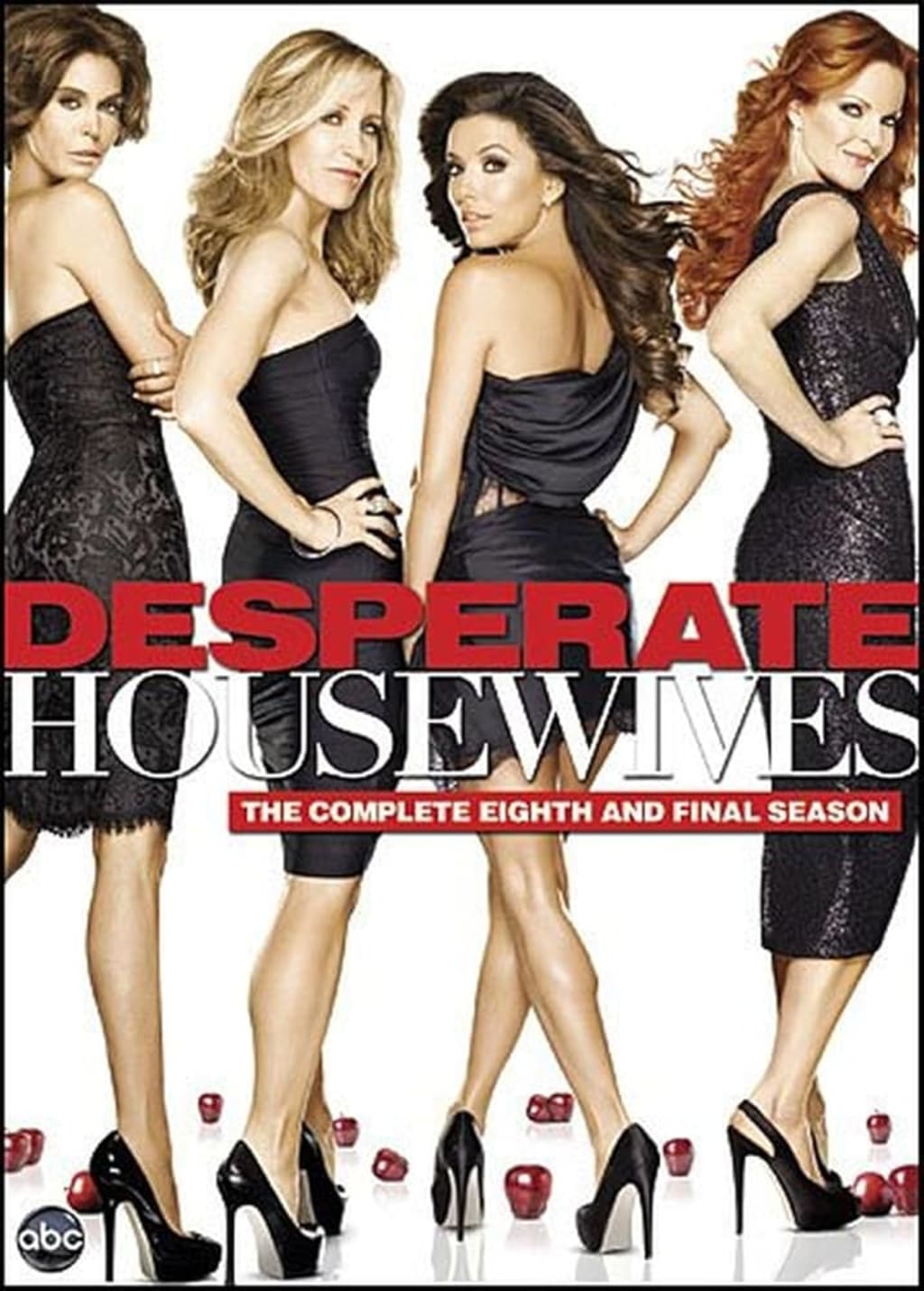
Introduction: A Show That Defined an Era
When Desperate Housewives first aired in October 2004, few expected it to become one of the most influential TV dramas of the 2000s. Created by Marc Cherry, the show blended dark comedy, mystery, and social commentary in a way television had rarely seen before. Set on the peaceful-looking Wisteria Lane, the series pulled back the curtains on suburban life to reveal the secrets, betrayals, and passions hiding behind every perfect lawn.
Even years after its finale in 2012, Desperate Housewives continues to attract new fans. It wasn’t just a show about women in a neighborhood — it was a sharp look at the challenges, ambitions, and humanity that connect us all.
---
The World of Wisteria Lane
At the heart of Desperate Housewives is Wisteria Lane, a beautiful cul-de-sac in the fictional town of Fairview. The neighborhood seems ideal, filled with bright houses and friendly neighbors. But behind closed doors, each house hides a story — sometimes funny, sometimes dark, and often both.
The show opens with the shocking suicide of Mary Alice Young, a perfect housewife whose mysterious death sets the tone for the entire series. From that point on, Mary Alice narrates from beyond the grave, guiding viewers through the tangled lives of her friends and neighbors.
---
The Four Housewives Who Stole the Show
Desperate Housewives revolves around four main women, each representing a different side of suburban life:
Susan Mayer (Teri Hatcher) – A clumsy, lovable single mom who constantly finds herself in awkward romantic situations.
Lynette Scavo (Felicity Huffman) – A former career woman juggling work, motherhood, and chaos at home.
Bree Van de Kamp (Marcia Cross) – The perfectionist housewife obsessed with appearances but struggling with her family’s dysfunction.
Gabrielle Solis (Eva Longoria) – A glamorous ex-model married to a rich man, who quickly realizes that money doesn’t buy happiness.
Throughout the show’s eight seasons, these women navigate love, betrayal, friendship, and tragedy — always with humor and resilience.
---
Blending Drama, Mystery, and Humor
What made Desperate Housewives stand out was its unique tone. It wasn’t just a soap opera or a mystery — it was both, with a touch of satire. The show tackled serious issues like infidelity, addiction, motherhood, identity, and loneliness, but always balanced them with wit and clever storytelling.
Every season featured a central mystery — from hidden affairs to murders and shocking secrets — keeping audiences guessing. At the same time, the humor and heartfelt moments reminded viewers that, despite all the chaos, these women were just trying to find happiness in their imperfect lives.
---
Breaking Television Boundaries
When Desperate Housewives premiered, it broke several television norms. It placed middle-aged women at the center of a primetime drama — something rarely done at the time. These characters weren’t side roles or comic relief; they were complex, flawed, and strong.
The show also explored themes like female friendship and independence, showing that women can be each other’s biggest supporters and toughest critics at the same time. It was refreshing, bold, and incredibly relatable to audiences worldwide.
---
Cultural Impact and Legacy
Desperate Housewives became an instant hit, with millions tuning in every week. It won multiple Emmy Awards, Golden Globes, and even a Screen Actors Guild Award for its ensemble cast. But beyond trophies, the show’s real success was how it reshaped television storytelling.
It inspired a wave of shows that focused on women’s lives, such as Big Little Lies, Devious Maids (also created by Marc Cherry), and Why Women Kill. Many TV writers have since credited Desperate Housewives for proving that stories about women could be both commercially successful and critically acclaimed.
Even today, memes and quotes from the series remain popular, showing its lasting influence on pop culture.
---
Behind the Scenes: Drama Off the Screen
Just like the show, the set of Desperate Housewives wasn’t without its drama. Reports of tension among cast members occasionally surfaced, especially as fame and success grew. However, the on-screen chemistry remained undeniable, and their performances helped make the series unforgettable.
Despite rumors and conflicts, the cast often reflected on how Desperate Housewives changed their careers and opened doors for more dynamic roles for women in Hollywood.
---
Why Fans Still Love It Today
Years after the final episode, Desperate Housewives continues to attract new viewers on streaming platforms. Younger audiences are discovering the show for the first time, and longtime fans rewatch it for nostalgia.
Its timeless themes — friendship, love, betrayal, and the search for meaning — resonate just as strongly today as they did twenty years ago. In an age of reality TV and social media, Desperate Housewives reminds us that even the most picture-perfect lives can hide secrets.
---
Conclusion: A Classic That Never Grows Old
Desperate Housewives wasn’t just a TV show — it was a cultural moment. It combined mystery, humor, and emotion to tell stories that felt real, even in the wild world of Wisteria Lane. The women of the show were imperfect, strong, funny, and vulnerable — just like real people.
For many viewers, Desperate Housewives taught one important lesson: every home, no matter how perfect it looks, has its own story to tell. And sometimes, those stories are what make life truly fascinating.
About the Creator
Fiaz Ahmed
I am Fiaz Ahmed. I am a passionate writer. I love covering trending topics and breaking news. With a sharp eye for what’s happening around the world, and crafts timely and engaging stories that keep readers informed and updated.
Keep reading
More stories from Fiaz Ahmed and writers in Geeks and other communities.
Strictly Come Dancing: A Glittering Journey of Dance and Entertainment
Few shows capture the spirit of entertainment in the UK quite like Strictly Come Dancing. Since its debut on the BBC in 2004, the show has become more than just a television program—it has turned into a national tradition. Every autumn, millions of viewers tune in to watch celebrities step out of their comfort zones, learning ballroom and Latin dances with professional partners.
By Fiaz Ahmed 4 months ago in Geeks
Silver Screen Magic with Mae West
American actress and singer Mae West became a popular film actress during the Great Depression. She started entertaining in vaudeville, then performed on Broadway, and finally went to Hollywood. She signed up with Paramount Pictures and made her debut in the 1932 film “Night After Night.” She also starred in musicals, comedies, and crime dramas. The American Film Institute named her one of the best classic Hollywood actresses.
By Rasma Raisters6 days ago in Geeks
The Devil's Cut
“Comrade, finally you’re awake.” The voice was smooth, sensual. A flickering incandescent bar was all that lit the white, sterile room. All Vladimir remembered was everything going black. He tried to move his arms and found them strapped to the gurney.
By Matthew J. Fromm5 days ago in Fiction



Comments
There are no comments for this story
Be the first to respond and start the conversation.