
ChatGPT in the agricultural sector: advantages and opportunities
Artificial intelligence technologies are increasingly being used in different sectors of the economy, including agriculture. One of the promising tools is ChatGPT, a generative artificial intelligence model that can be used to automate a number of processes in the agricultural sector. In this article, we will look at how ChatGPT can be used in the agricultural sector with its advantages and possibilities.
ChatGPT technology overview
ChatGPT is an innovative solution to develop a chatbot that can participate in a dialogue, search for errors in programming code, write poetry and scripts, and even argue. We will not go into technical details, but if you are interested, you can read about them here or here. Our goal is to consider the capabilities of this technology in the agricultural sector.
ChatGPT was trained using text selection from the web and Reinforcement Learning from Human Feedback. The neural network underwent multiple retraining sessions to make its answers even more accurate.
The main goal of developing ChatGPT was to make artificial intelligence as easy to use, correct and ‘human’ as possible. The system provides ample opportunities to automate various processes, reduce errors and improve work efficiency.
ChatGPT has many features and skills:
• Generating phrases, sentences or texts to create content for websites or advertisements.
• Requesting answers based on the input information on which the neural network was trained.
• Solving problems, for example, by formulating a specific problem and suggesting possible solutions.
• Generating various types of content, including advertisements, social media posts, news articles and other texts.
• Completing sentences and phrases automatically in applications when the user enters a text into a search box or writes an email.
• Creating various kinds of chatbots that can help in customer service: answering questions, learning about customer preferences or making recommendations.
• Extracting information from texts, as well as identifying the most important information in the text.
These are just some of the features of ChatGPT and similar applications. Developers can use this technology to develop innovative applications that not only save time and resources, but also provide a deeper understanding of user needs and preferences.
How AI is being used in agriculture today
Artificial intelligence is becoming more popular and coming into use in the agricultural sector. Today, artificial intelligence technologies offer an opportunity to solve many problems that arise in the agricultural sector, from increasing yields to reducing production costs.
SmartAgro

One of the companies using artificial intelligence to improve production is SmartAGRO, a Russian IT company specializing in the development and implementation of intelligent systems to solve complex problems in the industrial agriculture.
Their core product, Agroanalytics-IoT, automates up to 90% of the industry’s business processes, which significantly reduces crop losses.
The company uses artificial intelligence algorithms to predict the harvest throughout the growing season, so that it has the opportunity to adjust processes if something goes wrong.
SR Data
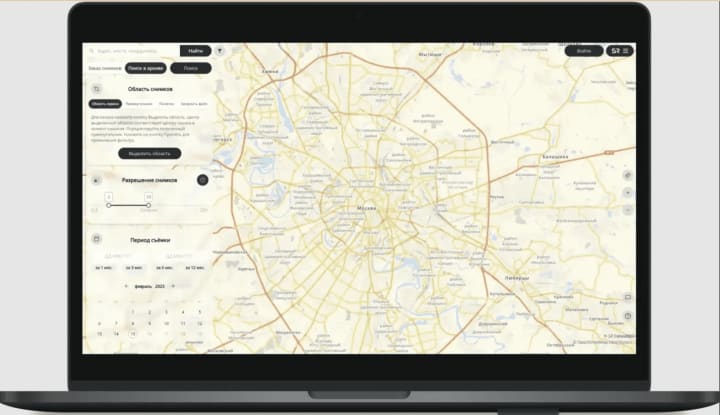
Another developer of intelligent solutions in the agricultural sector is SR Data, a private Russian tech company that provides high and ultra-high resolution space images and analyzes them using mathematical modeling and artificial intelligence systems.
In addition to optical images, the company uses radar images to minimize the negative impact of weather on the quality of information extracted from images. This solution is particularly useful in the agricultural sector as it allows specialists to receive high-quality data exactly when it is needed.
However, the company cannot calculate vegetation indexes from these images directly, so it uses AI algorithms to predict those.
Autonomous Greenhouse Challenge
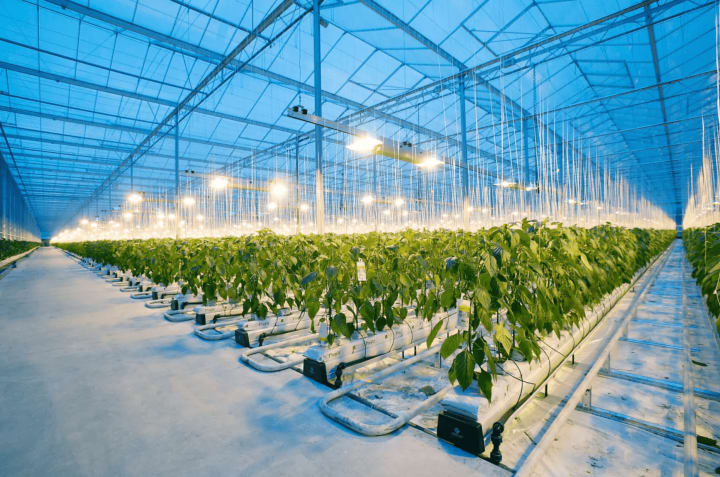
A good example of the use of artificial intelligence in the agricultural sector are automated greenhouses. Using up to date machine learning and data analysis systems, AI can help optimize plant management processes to boost production and reduce costs. The solution was developed in 2022 by a team from Russian Agricultural Bank and Moscow Institute of Physics and Technology as part of the Autonomous Greenhouse Challenge.
Analyzing data from sensors and monitors in a greenhouse, including light, humidity, temperature and other parameters, AI algorithms determined the optimal conditions for plant growth. After that, the system automatically controlled and adjusted environmental parameters. This greenhouse management system helps specialists optimize plant growth conditions and get higher yield.
These examples prove the benefits of using AI in the agricultural sector. However, ChatGPT is not a standard AI algorithm and its capabilities are not so obvious. Let us try to find them out.
What does ChatGPT think about its application in agriculture?
We asked ChatGPT about its role in agriculture, and this is what we got:
• Data reporting automation and documentation generation. ChatGPT can make automatic reports on crops and harvest, generate accounting reports and other documents significantly reducing the time and resources required to perform these tasks.
• Improved communication between farmers and consumers. ChatGPT helps create chatbots to improve communication between farmers and consumers. It enables customers to ask questions about growing methods and product quality, and farmers — to get feedback on their products and services, which will help improve the quality of the products and transform the approach to production.
• Weather forecasting and vegetation management. ChatGPT algorithms can be used to obtain weather reports and manage the vegetation. This requires collecting data on weather, soil moisture, pests, and other parameters, and then using these data to develop models that help predict the best time to plant or harvest, as well as the most effective pest control methods.
• Pattern and organic material recognition. ChatGPT algorithms can be used for pattern and organic material recognition, which helps determine which labels are needed for each package and which shipping method is the best. Specialists can also use ChatGPT to detect irrigation system leaks and other technical problems.
Our opinion on using ChatGPT in agriculture
The previous section covers various use cases for ChatGPT in agriculture, which it has generated itself. However, some of them require fine-tuning the neural network or using it as an addition to the existing instruments.
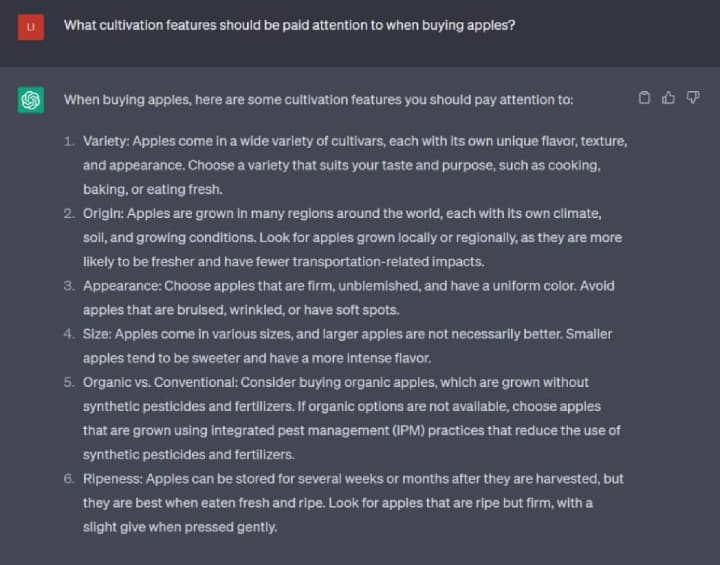
The application that we see as the most realistic is to improve communication between farmers and consumers. Chatbots providing communication between farmers and consumers will enable buyers to ask questions about growing methods and product quality, and farmers — to get feedback on their products and services, which will help improve the quality of the products and transform the approach to production.
For example, we asked ChatGPT how to choose apples:
We also asked it about safety of phosphate fertilizers:
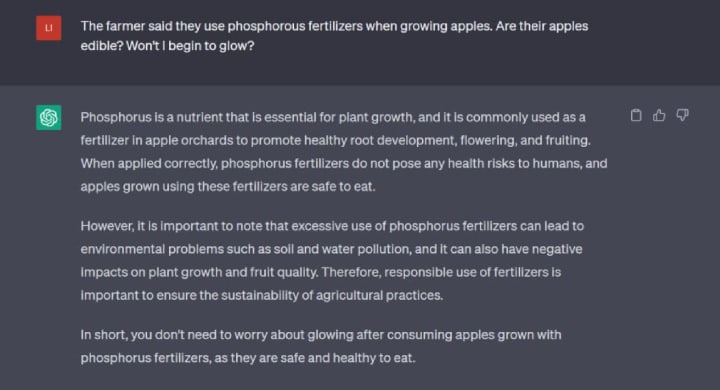
ChatGPT successfully answered our questions and helped choose and buy apples from the farm, which proved its usefulness.
What others think about ChatGPT applicability in the agricultural sector
To find more ideas about the possibilities of using ChatGPT in the agricultural sector, we conducted a survey and got the following results:
• Most people are suspicious about ChatGPT technology because of the possible false information it provides, its lack of responsibility and the absence of direct interaction with ‘real-world’ processes.
• Some people see the benefits of using ChatGPT in the agricultural sector. After some adjustment, the neural network can be used to create and fill out documentation. It may take the approach of an offline AI assistant that can combine data from the Internet, as in ChatGPT-plus complete with its plugins.
• There are those who have not yet figured out how the technology works and believe that the agricultural sector does not need new technologies, but needs more labor force instead.
The survey showed that the role of ChatGPT in the agricultural sector is ambiguous. Most people are skeptical about this technology, but there are those who see its benefits. The results of the survey show that the use of ChatGPT in the agricultural sector requires in-depth study.
Real case of using ChatGPT to grow potatoes
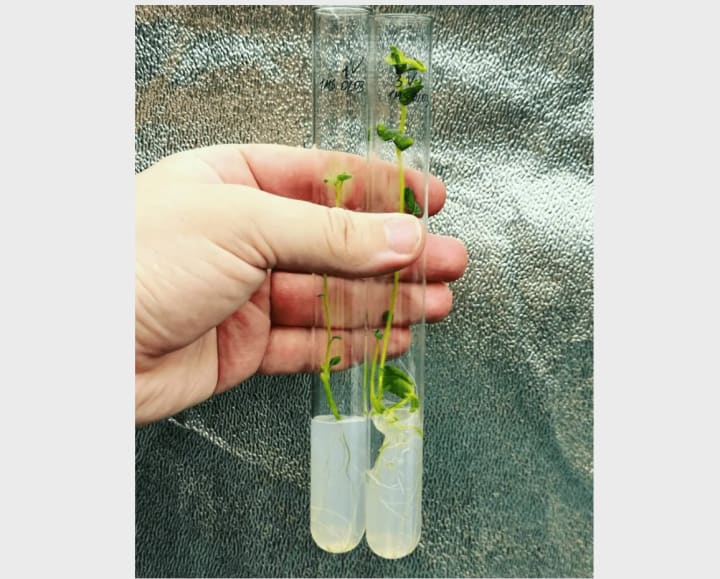
However, while some are skeptical of new technologies, others are enthusiastic about testing them. One of the recent tests is growing potatoes using ChatGPT.
You can read about this experiment in the Telegram channel of the project. ChatGPT understands user’s requests for growing seed potatoes in an aeroponic system and is calling itself a ‘professional agronomist and AI botanist’.
The neural network will provide information about nutrient mixes, watering cycles, lighting conditions, pH and EC target values, and take into account the effect of pH adjusters on the nutrient solution. If needed, it will also ask for additional information about a particular potato variety, local climate, and available resources.
ChatGPT also recognizes fertilizer requirements and requests additional information about available fertilizers.
The prospects of AI technology in the agricultural sector
Artificial intelligence in the agricultural sector can be a useful tool to improve product quality and increase production efficiency. AI can be used to process and analyze data, manage various processes, develop chatbots and other tools to help process automation.
ChatGPT is one of the AI systems that can be used in the agricultural sector to process and analyze text data and develop chatbots.
However, keep in mind that ChatGPT may not give reliable answers, which can impair decision making. When using a neural network, specialists need to be careful and check the information using other sources.
In addition, ChatGPT cannot be trained on a chosen database, which limits its use in some business areas. This problem can be partially solved by using open-source models, but they most likely will not be able to offer the required quality.
In general, the use of ChatGPT in the agricultural sector can improve the efficiency and productivity of the area, but requires caution and compliance with legal regulations.
About the Creator
Keep reading
More stories from RSHBDIGITAL and writers in Geeks and other communities.
Russian companies are producing meat and milk substitutes and other alternative products
Producers of sausages and other plant-based premade and deli products speak out. According to NielsenIQ, by 2030, the Russian plant-based food market will increase fivefold, and the total turnover will amount to 50-100 billion rubles. While the Russian Association of Plant-Based Food Producers is puzzling about how to help the industry in the coming years, we decided to talk to those who live and breathe it right now.
By RSHBDIGITAL3 years ago in Motivation
Silver Screen Magic with Mae West
American actress and singer Mae West became a popular film actress during the Great Depression. She started entertaining in vaudeville, then performed on Broadway, and finally went to Hollywood. She signed up with Paramount Pictures and made her debut in the 1932 film “Night After Night.” She also starred in musicals, comedies, and crime dramas. The American Film Institute named her one of the best classic Hollywood actresses.
By Rasma Raisters6 days ago in Geeks
Ikkis and Dhurandhar Should Co-Exist in a Democracy’: Writers on Facing Trolls and Working With Dharmendra
In an era where social media commentary often overshadows artistic discourse, the creators of the upcoming film Ikkis have opened up about navigating public scrutiny, collaborating with Bollywood legend Dharmendra, and defending the democratic spirit of storytelling. The film, which blends political satire with action-driven drama, has sparked discussions not only about its cinematic merit but also about the broader responsibilities of filmmakers in a politically aware society.
By Fiaz Ahmed Brohi3 days ago in Geeks


Comments (1)
Great post!