
Bun B & Rick Ross Link With Jordan Peele To Destroy Racist Cowboy Myths
The docuseries explores the nature of the original cowboy.

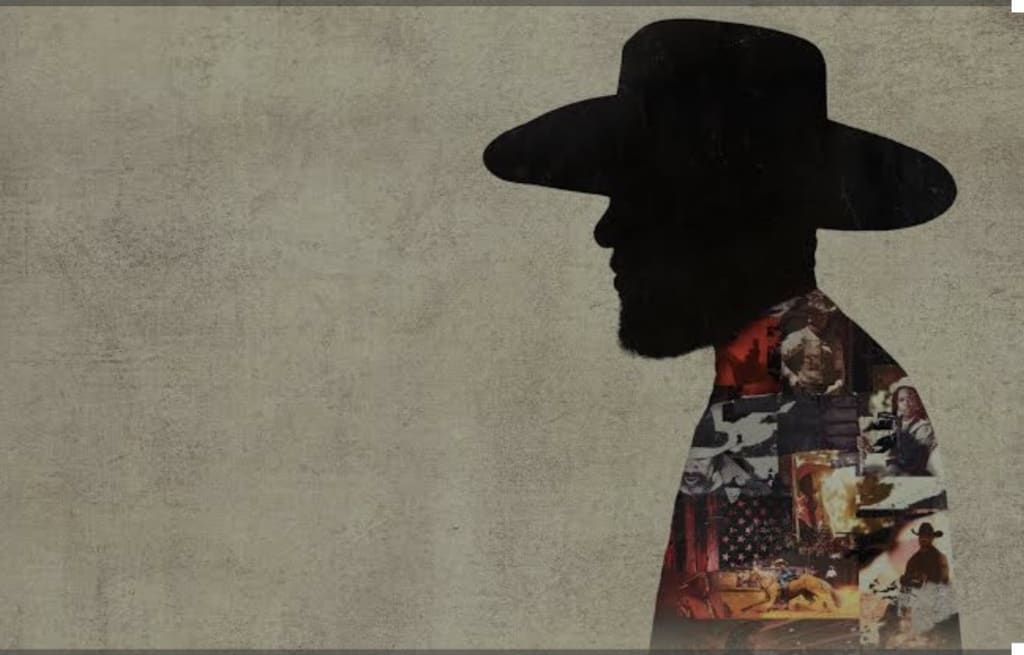
If racism turned out to be an innocuous, easy, and uncomplicated almost comical sensibility, it would be quaint, almost cute. History, however, is pockmarked and scorched with vicious tales of white supremacy and whitewashing.
The black cowboy or better still, the Foundational Black American cowboy, has been distorted, dusted, lost, and forgotten. In the twentieth century, filmmakers like Jordan Peele have championed the thought of the cowgirl and the black rancher and the country singer.
In his latest documentary, High Horse: The Black American Cowboy, Peele and a host of scholars, actors, and rappers including Rick Ross and Bun B contribute to a new understanding of blackness in the Western framework.
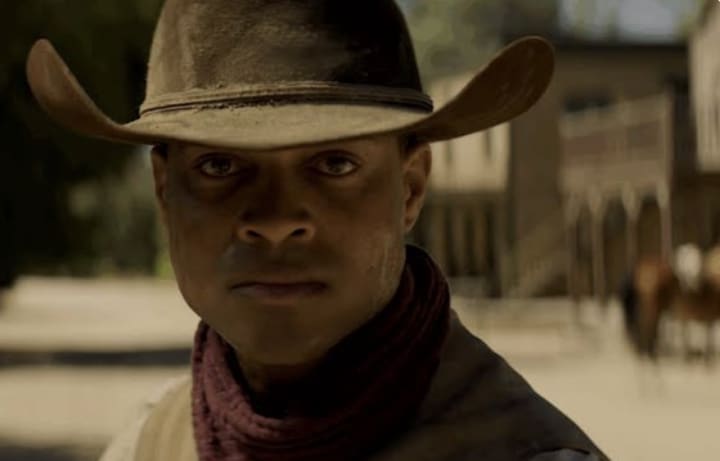
Through archival footage, photographs, and interviews, the show is a masterful representation of FBA. And that’s the proper way to view this whole situation. If DEI stands for Didn’t Earn It, then Representation must mean blacks demonstrating excellence.
This includes becoming gatekeepers and custodians of black voices and images, especially those of the ranchers and cow hands.
The long history itself and history of literature and films with the hero white man waving his hat after taking out fifty Indians with his six-shooter still continues.
While there is still a chance for Bass Reeves, Stagecoach Mary and other figures to bring blackness to mind, it is still a white man dominated ideal to be horse trainers and owners.
The first episode of the documentary is a superb conversation on race, culture, the West, racial tension, and the inability for the races to commingle concerning music, movies, and actual life.
Figures like John Wayne receive little to no love despite his staggering stature which keeps on looming large in culture despite his death decades ago.
What he represents in film and stood for in life seemed to be the overarching thought of being a purveyor of the white experience.
This film, broken up into four episodes, explores the nature and reality of the white gaze. It always has to be about what whites will think about as opposed to the expression of FBA within their own worlds using their words and doing their works.
Though brief, Rick Ross delivers a strong message about the idea of the cowboy being something other than what most Americans of all colors understand the life to be.
Bun B offers an understanding of how he saw on television the bartender, patrons, and most times the piano player was white. Representation is like the movie The Harder they Fall (2021). Such art can trace its lineage with Sidney Poitier’s seminal work Buck and the Preacher (1972).
The documentary doesn’t tread into territory of satire like Blazing Saddles (1974) or sports teams like the National Football League’s Dallas Cowboys. It is, though, a thorough investigation into the myth and reality of white culture usurping black identity.
Bun B & Rick Ross Link With Jordan Peele To Destroy Racist Cowboy Myths
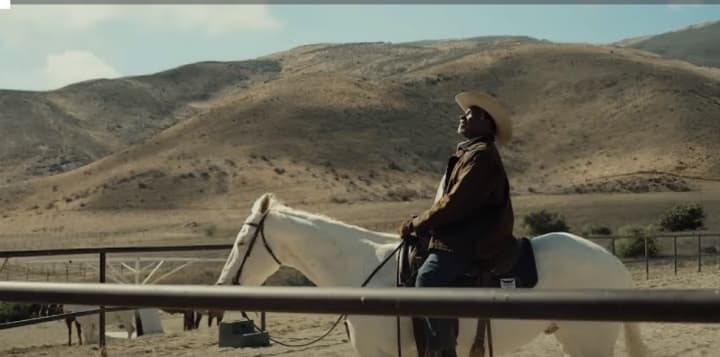
And not only that, land remains the focus of the second episode. Many black farmers and ranchers receive their time in the light. The episode seems to be even more substantial as it deals with the United States government, Manifest Destiny, and the renewal of the black spirit and the form of pastoralism.
The land set aside for wildlife ought to have been given to the FBA. Sadly, through racist policies and some black incompetence, their land had been raided from them.
In the last installment of the docuseries, the filmmakers pinpoint on moving forward. It’s curious that the title as well as some sequences of the film talk about only cowboys when cowgirls like Beyoncé get representation as well.
In all, one wonders if there is an obverse where white people claim against blacks the looting and the shooting of paler flesh. Does history favor only FBA and Indians or is the messy, disorienting nature of the past bleed into the future? Whatever the case, the black man stands tall in this work of nonfiction and carries a message of vindication throughout all generations.
About the Creator
Skyler Saunders
I will be publishing a story every Tuesday. Make sure you read the exclusive content each week to further understand the stories.
In order to read these exclusive stories, become a paid subscriber of mine today! Thanks….
S.S.
Keep reading
More stories from Skyler Saunders and writers in Geeks and other communities.
Smartystan
The velocity of the ball rolling around the room mirrored the speed of Bavaria. Her quick, agile movements proved to be just enough to capture the tiny, red round thing. By being a thoroughbred German Shepherd, her coat of black and brown shimmered in the light. When she raced back and forth she made the man responsible for her gleeful. Such existence of virtually no crime prompted this activity.
By Skyler SaundersExclusive • 2 months ago
Silver Screen Magic with Mae West
American actress and singer Mae West became a popular film actress during the Great Depression. She started entertaining in vaudeville, then performed on Broadway, and finally went to Hollywood. She signed up with Paramount Pictures and made her debut in the 1932 film “Night After Night.” She also starred in musicals, comedies, and crime dramas. The American Film Institute named her one of the best classic Hollywood actresses.
By Rasma Raisters7 days ago in Geeks
Ikkis and Dhurandhar Should Co-Exist in a Democracy’: Writers on Facing Trolls and Working With Dharmendra
In an era where social media commentary often overshadows artistic discourse, the creators of the upcoming film Ikkis have opened up about navigating public scrutiny, collaborating with Bollywood legend Dharmendra, and defending the democratic spirit of storytelling. The film, which blends political satire with action-driven drama, has sparked discussions not only about its cinematic merit but also about the broader responsibilities of filmmakers in a politically aware society.
By Fiaz Ahmed Brohi4 days ago in Geeks


Comments
There are no comments for this story
Be the first to respond and start the conversation.