
Book Review: "Vertigo" by Harald Jähner
5/5 - from the birth of a colossus to the collapse of a superpower, Jähner proves it haunts us still...

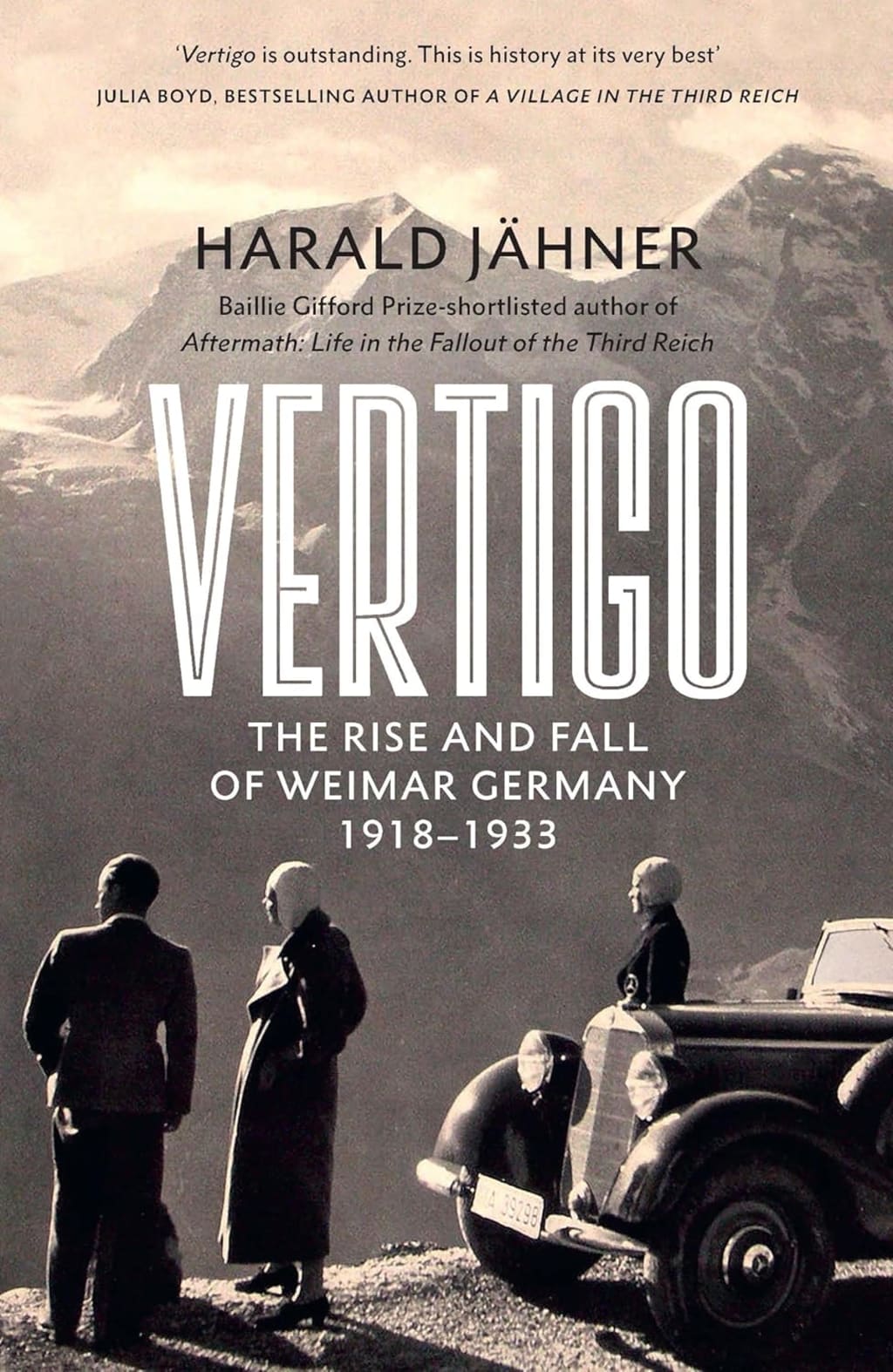
Full Title = "Vertigo: The Rise and Fall of Weimar Germany 1918-1933" by Harald Jahner
You all know by now how much I love the cinema of the Weimar Republic and how interested I am in the culture that covered the entire era. In the 15 or so years that the Republic was around, we got some of the best movies that the old horror era has ever seen plus, when a lot of these directors got up and moved to America with the oncoming of Hitler to Germany, we then got the Universal Monsters era of the 30s and then some. The Weimar Republic was truly one of the first eras of actual film and its stars.
Jähner begins by describing the immediate aftermath of World War I, focusing on the collapse of the German Empire and the abdication of Kaiser Wilhelm II. The Armistice of 1918 and the Treaty of Versailles left Germany humiliated and deeply divided. The sudden shift from imperial rule to a fledgling democracy was chaotic, as political factions like the Communists, Social Democrats, and extreme right-wing groups vied for control.
Revolutionary uprisings, such as the Spartacist Revolt, and counter-revolutionary violence from the Freikorps were hallmarks of this unstable period. Jähner delves into how the Weimar Constitution, established in 1919, was both an ambitious democratic project and a fragile compromise, born amidst turmoil and deep divisions in German society. This sets the backdrop for the film genres to develop but also presents to the reader the sheer amount of unrest even if we take away the First World War. Germany was at war with itself.
One of the most critical chapters in Jähner’s account is the hyperinflation crisis of 1923. He offers vivid descriptions of how the economy spiraled out of control due to reparations payments demanded by the Treaty of Versailles and mismanagement by the government. The value of the German mark plummeted, resulting in unimaginable inflation where prices doubled within hours. Middle-class savings evaporated overnight, pushing millions into poverty.
Jähner examines the social impact, with once-prosperous families forced to barter for food and fuel, and how this economic trauma led to widespread disillusionment with the Weimar Republic. Despite the suffering, Jähner also notes the strange atmosphere of reckless spending and wild escapism that flourished as people spent worthless money on luxuries before it became utterly valueless. Certain things were definitely for particular classes and not for others, showing us the divide of Weimar Germany even further and the discontent of the people with their current positions. The Middle Class were continuingly pushed over the edge and eliminated one by one but the super rich remained above the cycle.
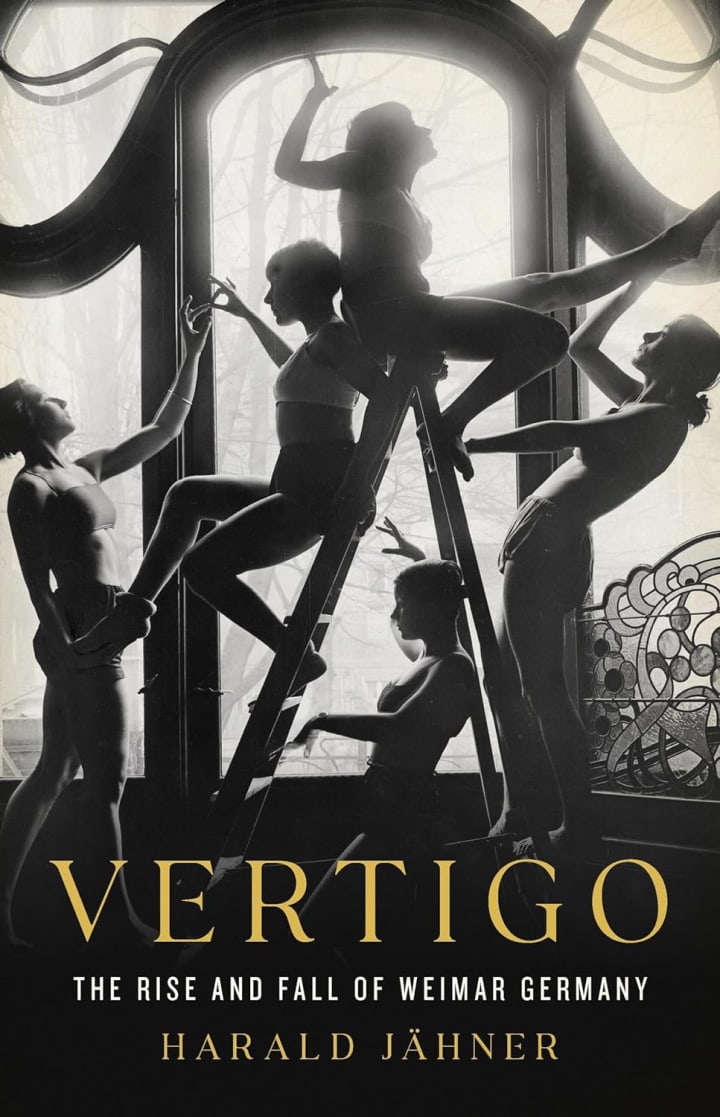
Jähner explores how Germany, especially Berlin, became a hub for avant-garde movements in art, theatre, architecture, and literature. Movements like Expressionism and Dadaism flourished, and artists like George Grosz and Otto Dix captured the disillusionment and decadence of the era. Jähner also delves into the world of cinema, with filmmakers like Fritz Lang and F.W. Murnau pushing the boundaries of the medium.
He presents the Weimar period as a paradox: a society grappling with existential insecurity while simultaneously experiencing an unprecedented cultural renaissance, marked by experimentation and the questioning of traditional values. This is it people: the chapter that includes F.W Murnau and so, you can probably tell that this is my favourite chapter in the whole book because it discusses his importance to the German Cultural Landscape.
Jähner discusses how, despite the hyperinflation crisis, Germany experienced a brief economic recovery during the mid-1920s, which became known as the “Golden Twenties.” Fueled by foreign investment, particularly American loans under the Dawes Plan, Germany saw relative economic stability, a consumer boom, and rising employment.
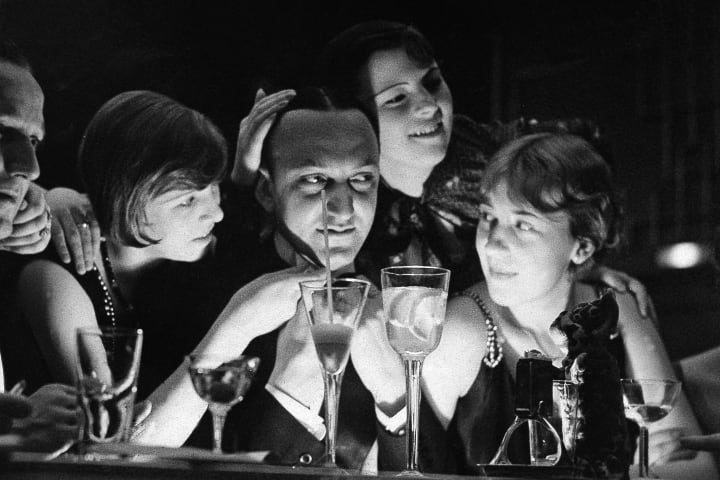
Jähner captures the spirit of optimism and cosmopolitanism during this period, particularly in Berlin, where modern technology, jazz music, and Art Deco architecture symbolised progress. However, he also notes that this prosperity was fragile and built on unsound foundations, primarily foreign credit. When the global financial crisis hit in 1929, Germany’s brief recovery was obliterated almost overnight. I enjoyed this chapter for its more optimistic perspectives on the Weimar Republic than what regular readers on the era are used to. Though there was a global financial crisis, there were also people just trying to make the best of a bad time during the Versailles Treaty Era.
Jähner’s account of the final years of the Weimar Republic is one of inevitable collapse. He explains how a series of weak coalition governments, rising political violence, and the failure of democratic institutions to address the economic crisis opened the door for authoritarian solutions. The backroom deals and political machinations that brought Hitler to power in January 1933, despite the Nazis never achieving an outright electoral majority, are covered in detail.
Jähner emphasises that the Republic didn’t fall solely due to external pressures but was undone by its internal weaknesses, including the failure of political leaders to protect democratic values and institutions from extremist threats. And so, all in all, though the Weimar Republic fell - it is very rarely forgotten by those who investigate the history behind great 20th century cultural and artistic movements. It was truly a flawed superpower doomed to die.
About the Creator
Annie Kapur
I am:
🙋🏽♀️ Annie
📚 Avid Reader
📝 Reviewer and Commentator
🎓 Post-Grad Millennial (M.A)
***
I have:
📖 280K+ reads on Vocal
🫶🏼 Love for reading & research
🦋/X @AnnieWithBooks
***
🏡 UK
Keep reading
More stories from Annie Kapur and writers in Geeks and other communities.
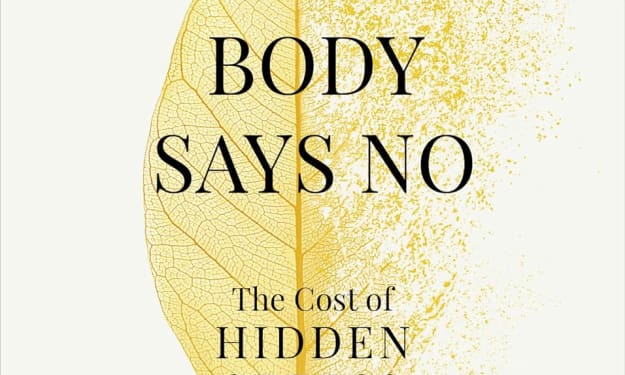
Book Review: "When the Body Says No" by Gabor Maté
I have read some of this guy before and back then I was sort of in the middle about his arguments. The Myth of Normal is one of them and In the Realm of Hungry Ghosts is another. I understand the argument of psychology being the causation for diseases more than the actual biology of the human being themselves but I think it is a little overwrought and the author might be a bit enthusiastic to suggest it above the idea that diseases are a biological causation. In When the Body Says No, the author investigates whether there are personality types that have a higher rate of suffering certain diseases and what happens in these people's lives to get them there.
By Annie Kapurabout a year ago in Geeks
Marvel Zombie
The last entry into our 2025 superhero projects catalogue is Marvel Zombies. This was a show that was anticipated by absolutely no one and it disappeared from the public consciousness as quickly as it was released. There was nothing special about the project that made it a must see, or a must remember. In fact if anything it's a must forget.
By Alexandrea Callaghan25 days ago in Geeks
British Passports
A British passport is often seen as a simple requirement for international travel, but its significance goes far beyond airport security checks and border stamps. It represents legal identity, citizenship, and a long history shaped by the United Kingdom’s evolving relationship with the world. From its origins to its modern design and practical value, the British passport reflects both tradition and change. In today’s global landscape, where mobility, security, and national identity intersect, the British passport remains an important document with cultural, political, and personal meaning. The Origins of the British Passport Passports in Britain date back several centuries, though they did not resemble the standardized booklets used today. Early versions were letters issued by the Crown, requesting safe passage for travelers. Over time, as international travel increased and borders became more regulated, the need for a formal identification system grew. By the early 20th century, passports had become standardized documents, influenced by international agreements following World War I. These developments laid the foundation for the modern British passport, aligning it with global travel norms while retaining distinct national features. Design and Symbolism The design of a British passport has always carried symbolic weight. Traditionally featuring a deep burgundy cover, the passport displayed the royal coat of arms, reinforcing its connection to the monarchy and the state. This design became widely recognized around the world and associated with European Union membership. In recent years, changes to the passport’s appearance have sparked public discussion. The updated design emphasizes British heritage, featuring historical figures, cultural icons, and technological achievements within its pages. These illustrations serve not only as security features but also as a visual narrative of the nation’s past and present. Beyond aesthetics, modern British passports include advanced biometric technology. Embedded chips store personal data and facial recognition information, enhancing security and reducing the risk of fraud. Citizenship and Eligibility Holding a British passport is a confirmation of citizenship, but eligibility is not always straightforward. British nationality law includes several categories, such as British citizens, British Overseas Territories citizens, and British nationals (overseas). Each status carries different rights and privileges, particularly when it comes to residency and travel. For most applicants, citizenship is acquired by birth, descent, or naturalization. Naturalization involves meeting residency requirements, demonstrating knowledge of life in the UK, and showing proficiency in the English language. The passport, once issued, becomes a tangible recognition of this legal status. Global Mobility and Travel Access One of the most practical aspects of a British passport is the level of international access it provides. British passport holders can travel to a large number of countries without requiring a visa in advance, making it a valuable document for business travelers, tourists, and students alike. While visa-free access can change depending on international relations and policy updates, the British passport has consistently ranked among the stronger passports globally. This mobility reflects the UK’s diplomatic relationships and longstanding ties with many countries around the world. Security, Responsibility, and Renewal With its benefits come responsibilities. British passport holders are expected to safeguard their documents, report loss or theft promptly, and ensure that their passport remains valid for travel. Many countries require passports to have several months of validity remaining, making timely renewal essential. The UK government has modernized the application and renewal process, offering online services that simplify submissions and tracking. Despite these improvements, applicants are encouraged to plan ahead, especially during peak travel seasons when processing times may increase. Passports in a Changing Political Landscape Political changes have influenced how British passports are perceived, both domestically and internationally. Shifts in immigration policy, border control, and international agreements have all played a role in shaping public conversations around citizenship and identity. For some, the British passport represents continuity and heritage. For others, it reflects adaptation to new global realities. Regardless of perspective, the document remains a key link between individuals and the state, symbolizing both rights and obligations. Cultural and Personal Significance Beyond legality and logistics, a British passport often carries deep personal meaning. For first-time applicants, it can symbolize independence or the beginning of global exploration. For naturalized citizens, it may represent years of effort and a sense of belonging. Families often pass down passports through generations, each one holding memories of journeys taken, milestones reached, and connections formed across borders. In this way, the passport becomes more than an administrative tool—it becomes a record of personal history. Looking Ahead As technology advances and global travel evolves, passports will continue to change. Digital verification, enhanced biometrics, and streamlined border processes are likely to shape the future of travel documents. The British passport will adapt alongside these developments, balancing security, convenience, and identity. What remains constant is its role as a bridge between the individual and the wider world. Whether used for travel, identification, or simply stored safely at home, the British passport continues to carry significance beyond its pages. Final Thoughts A British passport is more than a booklet issued by the government. It reflects centuries of history, evolving national identity, and the practical realities of global movement. From its symbolic design to its legal importance, the passport stands as a reminder of how closely personal freedom and national policy are connected. In a world where borders and identities are continually redefined, the British passport remains a powerful symbol of citizenship, responsibility, and opportunity.
By Saboor Brohi 4 days ago in Geeks


Comments
There are no comments for this story
Be the first to respond and start the conversation.