
Book Review: "The Twelve Lives of Alfred Hitchcock" by Edward White
5/5 - a multi-dimensional look at the master of suspense...

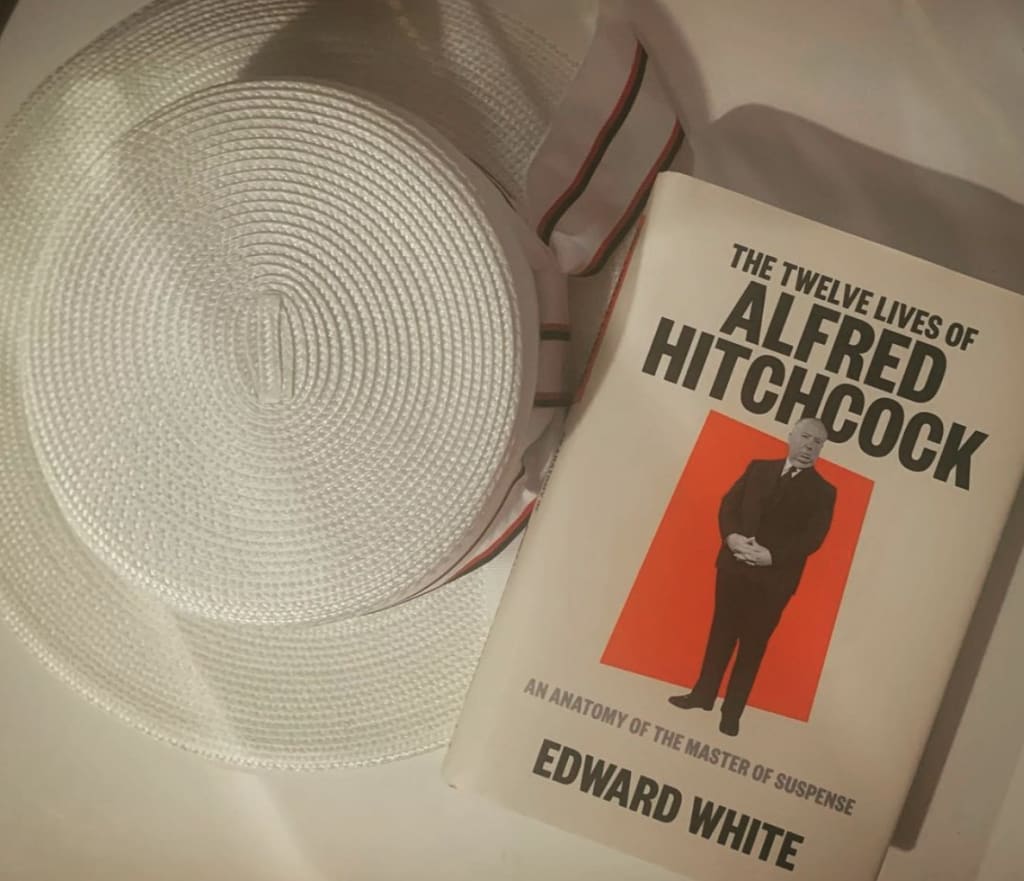
When I read about film - as someone who has a Master’s Degree in the subject, I like to read very specific things. The first type of book I enjoy is a critical analysis of the era or type of movie I have been watching. Books such as “The Big Goodbye” by Sam Wasson have normally done some good in my life. The next type of book I love to read about film are the ones about specific films and their directors, the analysis surrounding them and what they did for film. These are probably the most common film books people read and for this the most famous one I can think of from the top of my head is possibly “Stephen King at the Movies” by Ian Nathan. Finally, there are the books about filmmakers that are slightly different - they are a mix between the life of the filmmaker and the things they have made - no, they may not be those large books that come in cardboard covers about Tarantino, PTA and Wes Anderson, but they are just as good, if not far more detailed. One of the best books I have read in this category includes Simon Callow’s “One Man Band” and the current review on this book on Alfred Hitchcock is no different.
Starting off with the very beginnings of Hitchcock’s life, this book explores the director and master of suspense in twelve different roles which are important for piecing together much more than just the man who made the movies everyone knows and loves. With chapters entitled “The Dandy” and “The Family Man” all the way through to some of the stuff you kind of wish you did not know about Sir Alfred Hitchcock, this book makes an excellent case as to not just be viewed as a book about Hitchcock’s work and life, but is also a book about how the two blended together to create a man who became, arguably, much bigger than his movies.
One of the aspects that I loved about this book is that it tries to explain why certain things happen in Hitchcock’s films by using ideas and themes from his own life. For example: the birds attacking the small town and the school, it is something (that I will not reveal since that will give some spoilers to the understanding of the book) that is connected to events earlier on in Hitchcock’s life and this is something that we, as not only readers, but as the audience of his films, must understand and watch for when we revisit the movies. It is written in absolutely brilliantly because it keeps every identity of Alfred Hitchcock sort of working off the other, as if none of them really disappear, they just evolve for the time and place.
When it comes to the treatment of the star of “The Birds” - Tippi Hedren, we can honestly say that there was something not quite right about it at all and Hitchcock probably was not wholly a bad person, but he was definitely a bad person to her. As it is stated in the book, he treated actresses like Ingrid Bergman with the utmost respect and his female stars could not stop talking about his manners normally, but I think that this is also why people found it so hard to believe the way Alfred Hitchcock basically harassed Tippi Hedren on set - even though that is exactly what he did according to the people who were on set. It is quite a dark and disturbing part of the book.
In conclusion, I think this book shows us that we are wrong to entirely idolise Alfred Hitchcock and that he too, like other filmmakers, has his flaws and failures - but we also have to admit something else: he did create some damn good movies.
About the Creator
Annie Kapur
I am:
🙋🏽♀️ Annie
📚 Avid Reader
📝 Reviewer and Commentator
🎓 Post-Grad Millennial (M.A)
***
I have:
📖 280K+ reads on Vocal
🫶🏼 Love for reading & research
🦋/X @AnnieWithBooks
***
🏡 UK
Keep reading
More stories from Annie Kapur and writers in Geeks and other communities.
10 Great Scenes from "War and Peace"
"War and Peace" by Leo Tolstoy has constantly been referred to as one of the greatest novels ever written in the history of literature. Upon its first publication, it comes in at about 1'220 pages and yet, ever since it has been read far and wide proving that the size really does not put anyone off (and if it puts you off let me tell you, it is well worth the read). From 1865 to 1867, it was serialised in "The Russian Messenger" and then it was published in book format two years' later. It was meant to be followed by Leo Tolstoy's take on "The Decembrists" (sharing the title with the group) and yet, the novel was abandoned. Ever since, "War and Peace" has become a symbol of just how good literature can be.
By Annie Kapur4 years ago in Geeks
Silver Screen Magic with Mae West
American actress and singer Mae West became a popular film actress during the Great Depression. She started entertaining in vaudeville, then performed on Broadway, and finally went to Hollywood. She signed up with Paramount Pictures and made her debut in the 1932 film “Night After Night.” She also starred in musicals, comedies, and crime dramas. The American Film Institute named her one of the best classic Hollywood actresses.
By Rasma Raisters7 days ago in Geeks
Amitabh Bachchan, Dharmendra, Shah Rukh Khan: Rare Unseen Career Pictures of Bollywood Legends That Tell Stories Beyond the Screen
Bollywood has always been more than just films; it is a universe of stories, emotions, and legacies that span generations. While the silver screen has immortalized icons like Amitabh Bachchan, Dharmendra, and Shah Rukh Khan, there exists a lesser-known archive of rare, unseen pictures that provide a glimpse into the lives behind the legendary faces. These images tell stories of ambition, struggle, and moments of joy that the cameras of the world often missed. Amitabh Bachchan: The Making of a Legend Amitabh Bachchan, widely known as the ‘Shahenshah’ of Bollywood, has been a towering figure in Indian cinema for over five decades. Fans worldwide remember him as the intense, brooding protagonist of the 1970s and 80s, but rarely do we see the young man behind the fame. A black-and-white photograph from 1969 captures Amitabh sitting pensively outside Filmistan Studios, script in hand, deep in thought. It’s a portrait of a man at the crossroads of uncertainty and determination, long before films like Zanjeer and Sholay made him a household name. Another unseen image, taken during rehearsals for Anand (1971), shows Amitabh laughing with co-stars backstage. This rare photograph strips away the towering persona audiences associate with him and offers a candid look at his early life—filled with humility, focus, and raw talent. Dharmendra: The Evergreen Action Hero Dharmendra, affectionately called the ‘He-Man’ of Bollywood, continues to be an embodiment of charm, strength, and versatility. Beyond the action-packed roles that defined his career, rare snapshots reveal his off-screen persona. One picture from the sets of Phool Aur Patthar (1966) captures him in mid-laughter, surrounded by co-stars, showing the warmth and camaraderie that often goes unnoticed amidst his on-screen heroics. Family albums and old studio photographs depict Dharmendra visiting his native village in Punjab before fame, reflecting the grounded beginnings of a man who would go on to become a cinematic icon. These unseen images emphasize the personal side of the legend—a father, son, and friend whose values shaped his journey in Bollywood. Shah Rukh Khan: From Stage to Stardom Shah Rukh Khan, known as the ‘King of Bollywood,’ is synonymous with romance and charisma. But before the glittering awards and global recognition, there were formative years that few have seen. A rare photograph from the sets of his first TV show Fauji (1988) shows a young SRK rehearsing with intense focus, casual attire hinting at the early struggles and relentless work ethic that defined his journey. Another unseen snapshot captures Shah Rukh during a train journey back to Delhi after auditions in Mumbai, looking thoughtful yet hopeful. These images reveal the grit and determination behind the iconic smile and show that even one of the most celebrated actors began with humble beginnings and endless perseverance. Why Unseen Pictures Matter These rare photographs are more than just historical records; they are windows into the human side of legends. They allow fans to connect with the icons on a personal level, understanding the struggles, laughter, and ordinary moments that preceded extraordinary fame. For aspiring actors and cinema enthusiasts, these images serve as reminders that even the most celebrated careers are built on small, unseen efforts and unwavering determination. Social media and archives have made it easier than ever for fans to access these hidden gems. Sharing and discussing these images creates a collective nostalgia, bridging the gap between reel personas and real-life journeys. It reminds audiences that while fame may be glittering, every icon’s journey starts with ambition, resilience, and countless untold moments. Conclusion Amitabh Bachchan, Dharmendra, and Shah Rukh Khan are not just stars; they are cultural institutions whose lives and careers continue to inspire millions. Rare, unseen photographs offer a unique lens into these legends’ personal journeys—moments of vulnerability, perseverance, and humanity that go beyond the glitz of the silver screen. These images tell us that behind every iconic scene, award, and applause, there was a human story. For fans, they are not merely pictures; they are glimpses into history, inspiration, and the relentless pursuit of dreams that define Bollywood’s golden legacy. As we celebrate the cinematic achievements of these legends, these rare moments remind us of the extraordinary lives that unfolded behind the cameras.
By Fiaz Ahmed Brohia day ago in Geeks
Ludacris and Nelly draw backlash over bookings at MAGA-coded music festival
Ludacris and Nelly headlining a mostly right-wing event is good for them. It’s also great for the genre of hip hop. The two rap veterans have showcased their talents on other stages. Why can’t they perform for mostly MAGA folks and grab that bag?
By Skyler Saunders5 days ago in Beat


Comments
There are no comments for this story
Be the first to respond and start the conversation.