
Book Review: "The Palace"by Gareth Russell (Pt. 5)
5/5 - a brilliant ending to a fantastic work of nonfiction...

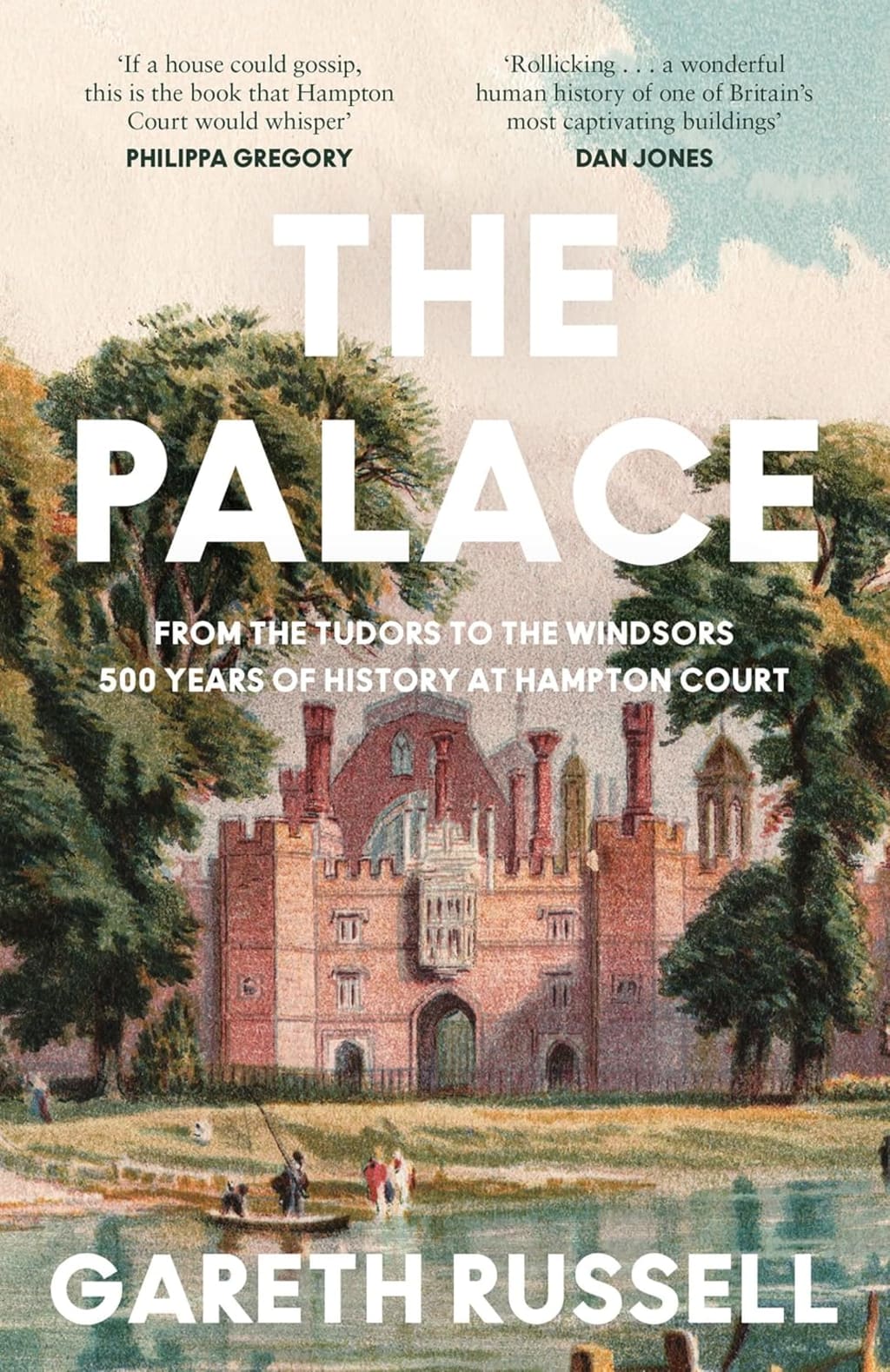
This review covers chapter 18 to the end of the book
***
Chapter 18 covers the reign of Queen Anne, the final queen of the Stuart household and mostly seems to look at the idea that she could barely marry, she had lots of miscarriages and in the end the only child she had lived to eleven years' old and so, she had no heir. There were many questions of Queen Anne's marriage, from her husband participating in homosexual affairs to the ideas put forward in the film The Favourite in which it is Queen Anne who is homosexual and promiscuous. Whatever it was, I definitely feel sorry for Queen Anne - everything must have hurt by the end of her reign, too many pregnancies and miscarriages meant her health was declining quickly towards the end. It's quite sad.
The Chocolate Rooms covers the way in which drinking chocolate was brought into Hampton Court. A servant who got to live in the Court because they made chocolate for the King was something new back then and well, it was no question that drinking chocolate was a huge love of the royals. Sugar was also a concern - of course, anywhere that imports sugar is also an accomplice to slavery and in the abolitionist era well, you play stupid games you win stupid prizes. The uprising proved worrying for the upper class who could no longer get their precious sugar. But we do not care. No sugar for them. To read that there were people that didn't like coffee though, that one hurt. Imagine being an upper class person, loving drinking chocolate and sugary stuff, but hating coffee - a travesty. How can you hate the tastiest thing on that whole list.
Hampton Court was falling fast out of fashion and George II was in charge, a man whom his father disliked so very much. Hampton Court was a place that was considered to be old fashioned and out of step with Georgian England but it was clear that on the throne was a Queen Consort and her King rather than the other way around. An intelligent and wonderful woman, Queen Caroline had many children even though public opinion of her seems to be divided between what I have read in other sources and what I read in this book. We get a biography of Queen Caroline and how she was orphaned at 13, and her relocation to Britain. She was happiest surrounded by scholars, she was massively intelligent and could hold her own in political conversation. She would meet with many of George's politicians which meant that George II was definitely taking a backseat when it came to the royal's relations with the British Parliament.
The author definitely takes us through the intellectual achievements of Queen Caroline - even Voltaire loved her. The people had a bit of a different view but that's besides the point at the moment. The Queen Consort would champion the first vaccine made for diseases in order to stamp out hesitancy. She was definitely intelligent, definitely progressive and definitely a political force in parliament - probably one of the last before Queen Victoria.
We move through the Queen's Stairs in which we see the family feuds of the Georgian household and I can only agree with a man near to the end of the chapter in which someone states that they are tired of the whole situation - as was I whilst reading about it. Queen Caroline's health begins to collapse and she dies at St. James' Palace.
One thing I do realise is that the Georgians were very self-absorbed and had absolutely no knowledge of anything that was going on outside their four walls. They had extreme vanity and well, when Queen Caroline died - the very last brain cell of the Georgian royal household seemed to go with her.
Hampton Court gets a makeover and this time it features looking like a cross between the old days and the new days. Stained glass and crests are added, the hall is redecorated and there are discoveries made along the way. This is probably where we get the most about how Hampton Court changed over the years. Michael Faraday lived there after retirement and, took his wife on walks. It is slowly turning into what we know it as today - a grand museum of all through 500 years of history.
Faraday's stay at Hampton Court is covered in detail and when he dies, his wife is allowed to live there for the rest of her life. After the time of Queen Victoria, which is not seen to much detail apart from the affairs of her husband playing tennis there - we get the time of George V. George V had the great oak tree at Hampton Court cut down and eventually, it would be used to make the coffin of the Tomb of the Unknown Soldier. I find this both amazing and strange because how would any of the public know this in reality? Well, let's just assume that it is in fact, the case.

I've been to the Tomb of the Unknown Soldier and it is quite something. I actually think everyone should go because it teaches you one very important thing: nobody wins a war and people die without names. It's quite sad. You do realise from this book that basically everyone's kids died. Middle class women who lived within a few steps of the Court wrote to the king as well as women who were far away and described as 'barely literate'. Everyone lost someone and it seems like such a needless loss at that.
As we move through Queen Elizabeth II's era, there's definitely an air of modernisation in the atmosphere and of course, we know that Hampton Court today is used for tourism purposes. It has been for a time but I think there's far more international tourism now than there was before. The author does a wonderful job of taking us through the ways in which Hampton Court came to represent the changing monarchy over the years and how, in some cases it fell into disrepair and in some cases we found new things. There were hidden maps, whispers of intrigue and paintings taken down and put back up again. It is definitely one of the most fascinating places in all of England.
About the Creator
Annie Kapur
I am:
🙋🏽♀️ Annie
📚 Avid Reader
📝 Reviewer and Commentator
🎓 Post-Grad Millennial (M.A)
***
I have:
📖 300K+ reads on Vocal
🫶🏼 Love for reading & research
🦋/X @AnnieWithBooks
***
🏡 UK
Keep reading
More stories from Annie Kapur and writers in Geeks and other communities.
Book Review: "The Palace"by Gareth Russell (Pt. 4)
This review covers chapter 13 to chapter 17 *** Chapter 13 is the Queen's Bedchamber and covers the sicknesses of King James' wife - Anne. She is consumed by something after the birth of her last child, bleeding and pain is everywhere. But the doctor's don't actually know what it is: is it gout? is it malnutrition? is it something to do with her female reproductive organs? Who knows. Some diagnosed it as dropsy. But it is said that she still came about in public until she could no longer do so - still doing her public duty through intense amounts of pain and fever. Still decked out in jewels more expensive than entire cities in her country.
By Annie Kapura day ago in Geeks


Comments (1)
I do so much want to visit these royal places just to see how the Walls of these establishments gossip what went on their in the past. I feel the servants would make a better story tellers because they seen things the world would never see. It must be hard to live in a glass royal house with no real privacy.