
Book Review: "The Old Patagonian Express" by Paul Theroux
5/5 - fantastic, atmospheric, fascinating and simply divine...

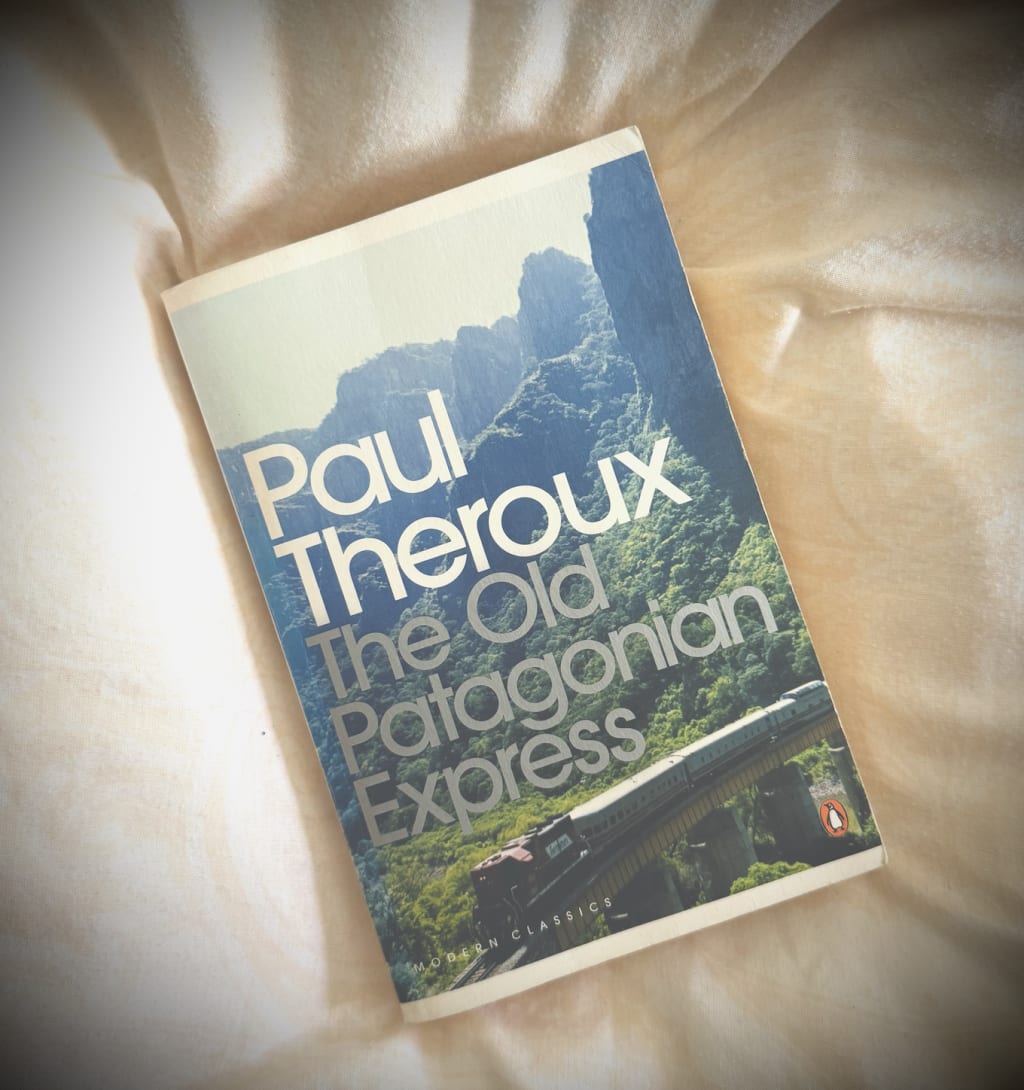
In My First 20 Books of 2020, I checked out The Great Railway Bazaar by Paul Theroux and got the idea that this guy must really like his railway journey. The COVID-19 pandemic was a crazy time for us all and I was looking forward to travelling without travelling (I mean, as I travelled much anyway!). I found it fun and engaging and of course, so atmospheric that I honestly felt like I was there. In his more famed book The Old Patagonian Express, Paul Theroux definitely reignites this travel narrative joy in all of us. I'm not normally a travel narrative girl, but this is an author I will return to whenever I do want to read them.
Theroux begins his journey at his home in Medford, Massachusetts, boarding a small commuter train in the dead of winter. He frames the entire travel with the idea that trains, unlike planes, allow for gradual immersion into: geographies, cultures, and states of mind. The first leg is mundane and domestic with suburban stops and commuters with briefcases. But Theroux states how quickly even these familiar landscapes feel alien when seen through the lens of “going south.” Honestly, though the beginning starts quite quietly, I saw it as an excellent way to immerse the reader into the key idea of the text: looking at life through a train journey. What better way to begin that than to get less and less familiar as we move further and further away from the home.
Moving through the eastern United States and into Mexico, the author experiences the first real cultural and linguistic shift. Train stations become noisier, hotter, and more chaotic. On board, he begins meeting the kinds of characters that define the book: migrant workers, wandering musicians, priests, and talkative strangers who tell him their life stories. The contrast between the cold austerity of New England and the bustling, humid warmth of Mexico sets the stage for the transformations ahead. Mexico seems like such a lovely place, it's one place I've always been fascinated by. I love the way the people on the journey become part of the story of travelling. Theroux really knows how to get the story of the unfamiliar but astoundingly beautiful out there.
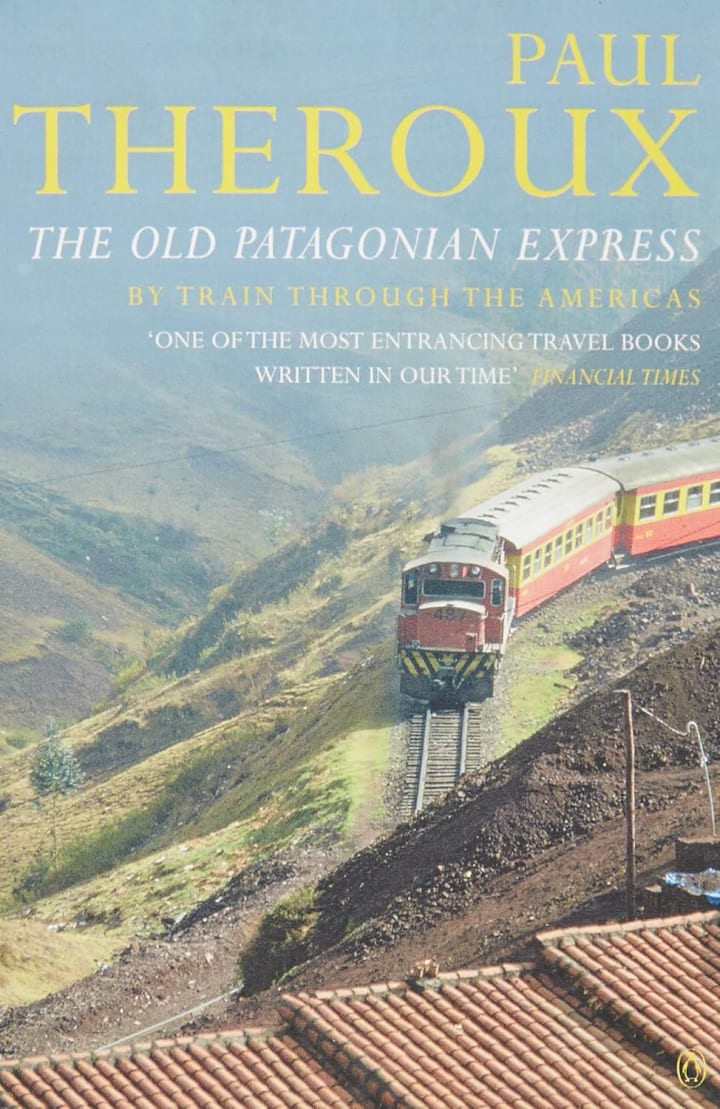
As he continues through Guatemala, El Salvador, and Nicaragua, the author encounters the political volatility of the late 1970s - the history becomes part of the journey as well therefore. Soldiers patrol the streets, poverty is acute, and whispers of insurgency and repression are everywhere. The huge amount of history and culture accumulate to become part and parcel of the fascination and the atmosphere - it is almost like you can breathe it in. However, the trains continue to run, carrying peasants with chickens, vendors selling food through windows, and ordinary families trying to live amid uncertainty. He thus contrasts the immediacy of danger with the resilience of daily life, looking at how travel confronts him with realities most tourists never see.
Entering South America proper, the author rides trains that climb into the Andean highlands. The altitude slows everything as the trains creak up mountains, passengers grow breathless, and landscapes become vast, cold, and barren - showing how changing atmospheres on the outside can definitely change human behaviour inside. He lingers on these gorgeous Andean villages: their remote beauty, their isolation, and their indigenous cultures which are simply so atmospheric and moving with togetherness and culture - the reader can almost close their eyes and simply check into the Andean climbs. The journey becomes more contemplative and introspective here, as if the slow climb mirrors a deepening of his own reflections on solitude and endurance.
One of my favourite episodes is Theroux’s meeting with the blind Argentinian writer Jorge Luis Borges in Buenos Aires. Their conversations about literature, memory, politics, and imagination, become a highlight of the narrative especially for those of us who love Borges' works. The blind author speaks with the insight and wit of a man living more fully in ideas than in the crumbling reality of Argentina’s dictatorship. Theroux and the reader are both awed and slightly amused by Borges’ eccentricity, and he frames this meeting as a kind of literary pilgrimage fulfilled. I would definitely say that there would be something massively fulfilling about meeting such a figure when travelling.
All in all, I think that this book is definitely the highlight of my reading of this author. I'm probably going to read more but this one is definitely the best of the bunch so far. I would highly recommend it even if you're new to the travel narrative.
About the Creator
Annie Kapur
I am:
🙋🏽♀️ Annie
📚 Avid Reader
📝 Reviewer and Commentator
🎓 Post-Grad Millennial (M.A)
***
I have:
📖 280K+ reads on Vocal
🫶🏼 Love for reading & research
🦋/X @AnnieWithBooks
***
🏡 UK
Keep reading
More stories from Annie Kapur and writers in Geeks and other communities.
The Rise of Pseudo-Intellectualism...
Well, I guess it's storytime again: so I was having a bit of a back-and-forth with someone on Facebook who was constantly sending images of Rousseau quotations taken from Google images and ideas they had read from ChatGPT on philosophy in order to argue their point. It was all too clear that they hadn't actually read any philosophy and probably even clearer that they had never read a book before. Be that as it may, they were convinced they were right until I asked them for proof of their claims. Then they never responded to me and backed down. I feel like they accepted their loss and were just too embarrassed to return to the conversation. Say hello to another hellscape that ChatGPT and Social Media have vomitted up: pseudo-intellectualism.
By Annie Kapur4 months ago in Geeks
Silver Screen Magic with Mae West
American actress and singer Mae West became a popular film actress during the Great Depression. She started entertaining in vaudeville, then performed on Broadway, and finally went to Hollywood. She signed up with Paramount Pictures and made her debut in the 1932 film “Night After Night.” She also starred in musicals, comedies, and crime dramas. The American Film Institute named her one of the best classic Hollywood actresses.
By Rasma Raisters6 days ago in Geeks



Comments
There are no comments for this story
Be the first to respond and start the conversation.