
Book Review: "Loitering with Intent" by Muriel Spark
4/5 - definitely a contender for a top five Muriel Spark novel for me...

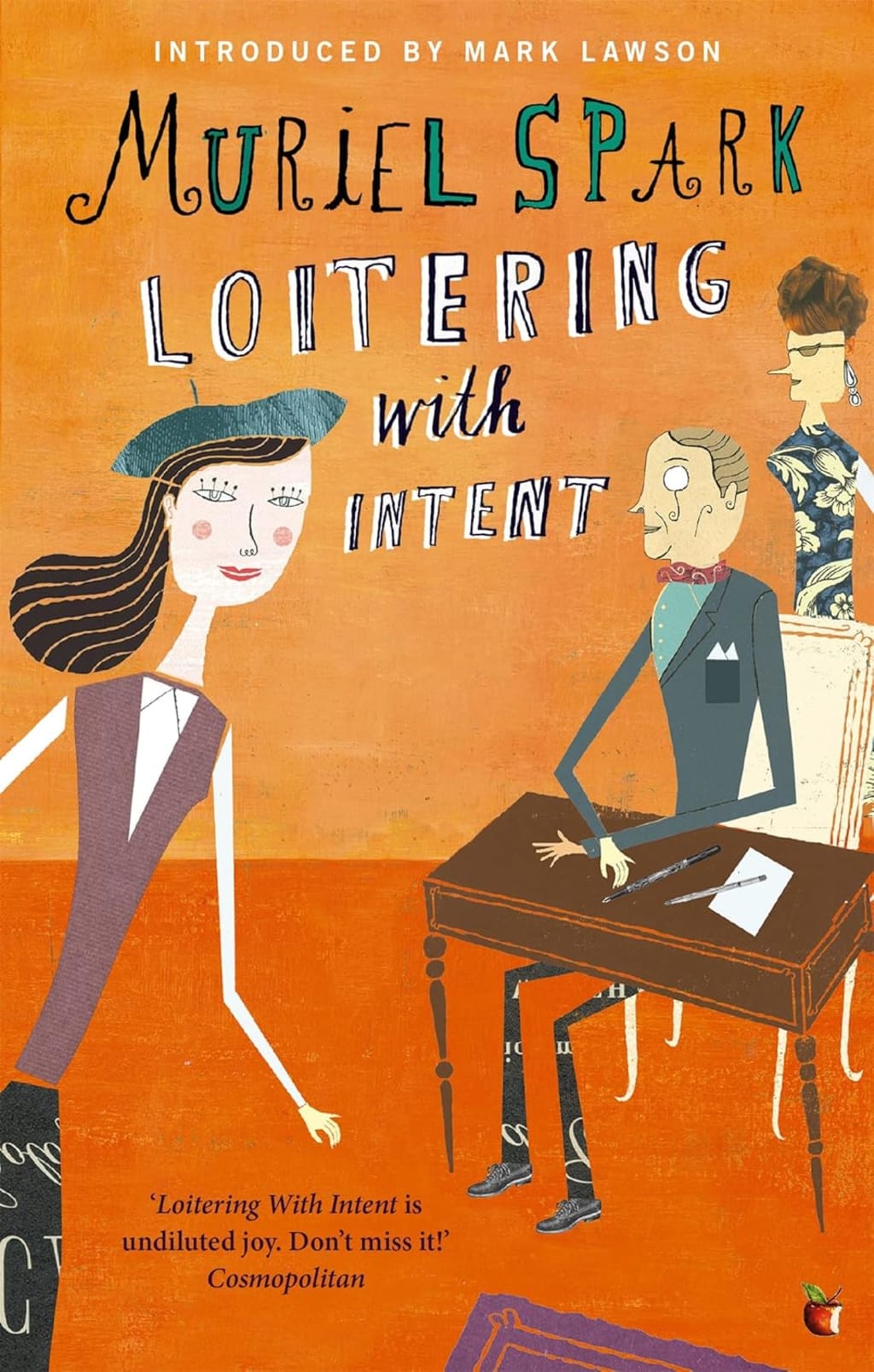
Muriel Spark is a wonderful author. One of my most recent reads by her before this one was The Driver's Seat and it was so dark and delicious that I was captivated from start to finish. The philosophy that drives the novel is often quite flexible, and therefore not very strong - and that's the whole point. The character is painted as floundering, barely keeping their head above the surface of the proverbial water and once they drop, they end up somewhere they didn't intend to with someone they didn't intend to be with. The Driver's Seat, unfortunately for this book, is still my favourite Muriel Spark novel. But that doesn't mean that this one wasn't worth the read. It definitely was...
The book begins in postwar London, with Fleur Talbot (an aspiring writer) looking back on her younger self in 1949. She’s writing her first novel, Warrender Chase, while working as a secretary for a strange literary organisation called the “Autobiographical Association.” From the start, Fleur’s voice is sharp, ironic, and self-assured. She presents herself as both participant and observer in the absurdities of literary and social life. As with many of the main characters of various Muriel Spark novels, the story blends truth with fiction - giving us partial glances rather than painting the entire picture straight away and setting up a framework for where we may ask questions of this meandering character.
The Association is run by Sir Quentin Oliver, a manipulative and self-important man who claims to guide a group of amateurs in writing their life stories “for posterity.” His members are lonely, wealthy, or socially awkward people desperate for self-expression but lacking self-awareness. Fleur’s task is to edit their autobiographies, but she quickly realises that Sir Quentin is exploiting them by collecting their private confessions to gain psychological control. If you've ever read a Muriel Spark novel then you'll know about characters and the value of psychological control. In The Prime of Miss Jean Brodie this is probably more of a well-known case, albeit in an entirely different way.
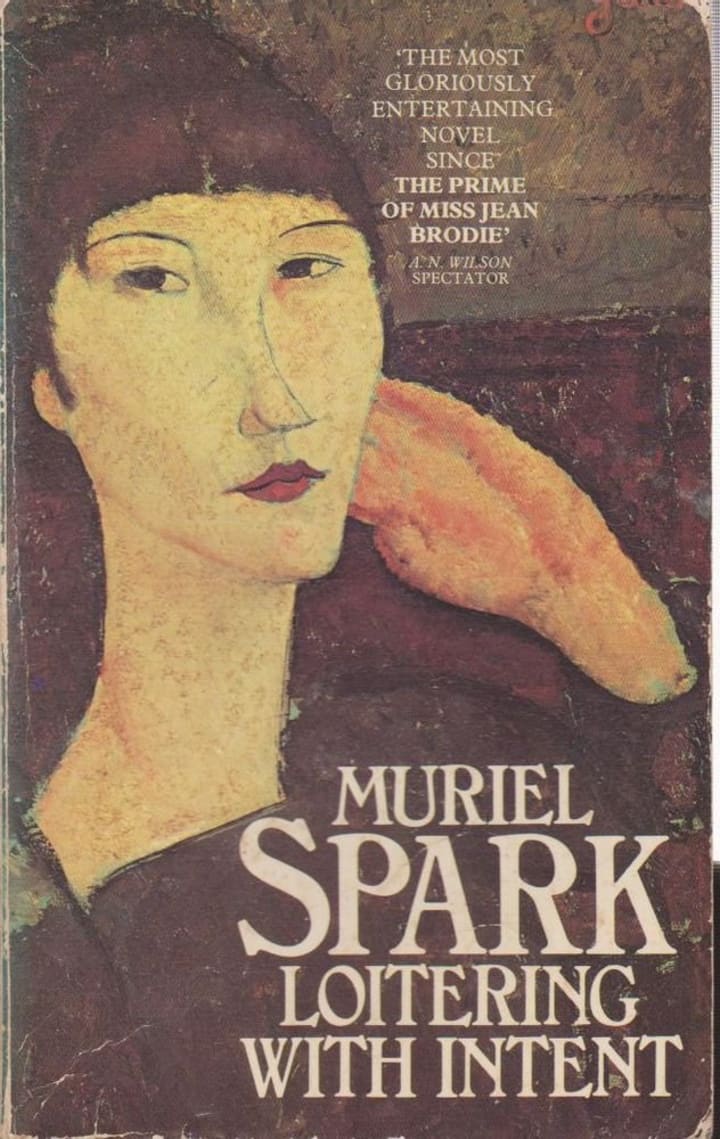
Sir Quentin grows increasingly sinister as the story moves forward. Behind his polite, intellectual exterior lies a deep cruelty and obsession with controlling others. He keeps files of the Association’s members’ secrets, blackmailing them emotionally. His aged mother, Lady Edwina, still lives with him: an acerbic, irreverent woman who detests him and becomes an unlikely ally to Fleur. To say I didn't feel his Norman Bates vibes would be entirely wrong. He seems like a bit of a man-child but also someone who has a whole host of issues which he projects on to the lives of others by pulling them in and harnessing them. Muriel Spark doesn't write him in an entirely witty way though - he often has the same wavering dark spots that some of her other characters do across other novels.
As Fleur continues writing Warrender Chase, the events she invents begin to happen in real life, almost word for word. The people in her novel resemble those in the Association, and the sinister manipulations of her fictional protagonist, Warrender Chase, echo Sir Quentin’s behaviour. Fleur finds herself trapped in a strange feedback loop where imagination seems to predict or even cause reality. I had to laugh - I love it when this happens in a book. Whatever artistic project the character is working on starts to imitate life or the other way around - there is always something deeply ironic about it if it is done well and Muriel Spark definitely does it very well.
When Sir Quentin secretly steals Fleur’s manuscript of Warrender Chase, intending to suppress or alter it, the conflict between them intensifies. Fleur suspects him and begins to plot her revenge, using her intelligence and wit to expose his hypocrisy. And as the book progresses to its climactic point, we see that Muriel Spark as a writer doesn't really change all that much - she presents us with a series of very humorous events akin to a classic comedy movie. Letters go missing and manuscripts are misplaced in this comedy of errors. It is witty, it is dark sometimes, and overall, it is one fantastic read.
Yes, I read this entire book on my phone once again. It was a laugh, and more than often it presented us with realistic characters in absurd situations. It is probably the one thing I love most about Muriel Spark's writing.
About the Creator
Annie Kapur
I am:
🙋🏽♀️ Annie
📚 Avid Reader
📝 Reviewer and Commentator
🎓 Post-Grad Millennial (M.A)
***
I have:
📖 280K+ reads on Vocal
🫶🏼 Love for reading & research
🦋/X @AnnieWithBooks
***
🏡 UK
Keep reading
More stories from Annie Kapur and writers in Geeks and other communities.
Death by Disney
Disney is meant to be the happiest place on earth and more than often, that is exactly what people think of it. It is one of the most visited locations on the planet no matter which resort you look at. But sometimes, things go wrong and sometimes, people die. In this episode of Why It's Shifty, we are looking at the horrors that go down in such a location. Welcome to Death by Disney. Instead of covering every single death that has ever been recorded at Disney, we will look primarily at one where to this day, the site of the wreckage is said to be haunted. And even though it was closed, until only around a decade or so ago, some say you could still hear the theme music play across the barren land.
By Annie Kapur3 months ago in Geeks
The Rachels - 2025
Much to my surprise, I have kept a list of the films I‘ve seen this year. I daresay it isn’t complete. There will be films that snuck in on a late night in front of the TV that I would’ve forgotten to note. Or others, that I went to watch at the cinema, but then had a red wine and promptly forgotten about. But it’s not a bad approximation of the films I’ve seen this year. In total, there are 53 films listed, so an average of one a week and one for good luck.
By Rachel Robbins20 days ago in Geeks


Comments (1)
I've come across this concept many times, where the art predicts what's gonna happen or life happens exactly like the art. Loved your review!