


Disney is meant to be the happiest place on earth and more than often, that is exactly what people think of it. It is one of the most visited locations on the planet no matter which resort you look at. But sometimes, things go wrong and sometimes, people die. In this episode of Why It's Shifty, we are looking at the horrors that go down in such a location. Welcome to Death by Disney. Instead of covering every single death that has ever been recorded at Disney, we will look primarily at one where to this day, the site of the wreckage is said to be haunted. And even though it was closed, until only around a decade or so ago, some say you could still hear the theme music play across the barren land.
Plot
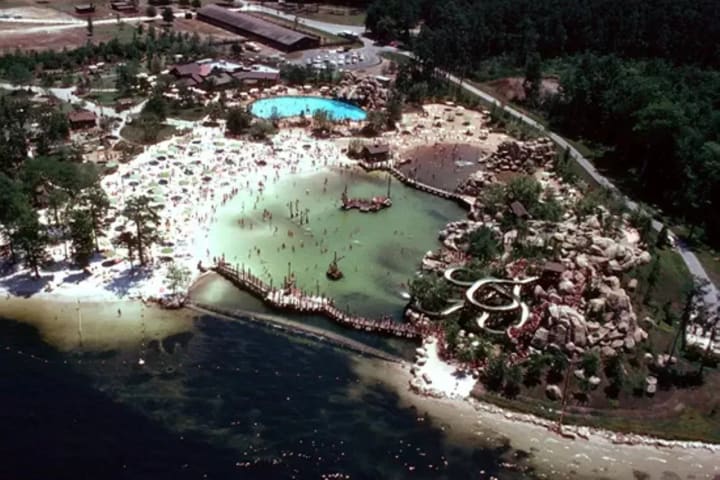
In 1987 at Walt Disney World in Florida, tragedy struck at River Country, Disney’s first water park. A 6-year-old boy drowned while visiting with his family. River Country, which opened in 1976, was designed to resemble an old-fashioned swimming hole, complete with sandy beaches, wooden docks, and a natural lake setting. Unlike modern water parks that rely exclusively on chlorinated and chemically treated water, River Country used water from Bay Lake, which was filtered and treated but still essentially freshwater from a natural source. This design gave the park a rustic charm but also introduced safety concerns that later became more apparent.
The boy was playing in one of the swimming areas when he went under and did not resurface in time. Lifeguards and emergency responders quickly acted, but despite their efforts, he could not be revived. His death shocked visitors and staff, as Disney prided itself on its reputation for safety and family fun. The drowning highlighted the risks associated with open-water attractions, even in a controlled and heavily supervised environment like Disney.
The tragedy added to growing unease about River Country’s reliance on lake water. Only a few years earlier, in 1980, an 11-year-old boy had died after contracting Naegleria fowleri, the rare but deadly “brain-eating amoeba,” believed to have come from Bay Lake. While the 1987 drowning was unrelated to parasites, both incidents underscored the inherent dangers of using natural water sources for recreational purposes.
As newer water parks like Typhoon Lagoon and Blizzard Beach opened with fully treated pools, River Country’s popularity declined. Concerns about safety, water quality, and outdated infrastructure contributed to its closure in 2001 and permanent shutdown in 2005. The 1987 drowning remains one of the most tragic reminders of the risks tied to the park’s unique design.
Into the Theories
Inadequate Supervision and Lifeguard Coverage
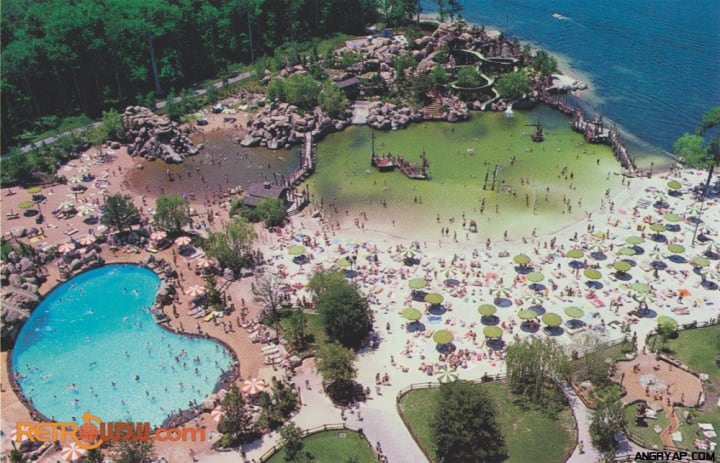
One theory suggests that the drowning occurred due to insufficient supervision in the water park. River Country was designed to mimic a natural lake, with sandy beaches, shallow areas, and swimming zones spread across a wide area. This layout, while visually appealing, made it difficult for lifeguards to maintain constant visual contact with every child. Although lifeguards were present, the sheer size of the swimming area and the distractions of other visitors may have allowed the boy to go unnoticed for crucial seconds.
Children, especially young ones around six years old, can easily panic or tire in water, and even a brief lapse in supervision can be fatal. This theory emphasises human error rather than any inherent flaw in the park’s design, suggesting that better lifeguard-to-guest ratios or more strategically positioned observation points might have prevented the tragedy.
The Dangers of Using Natural Freshwater
Another theory focuses on the water itself. River Country drew its water from Bay Lake, filtering and treating it but not converting it into fully chlorinated pool water like modern waterparks. Even with filtration, natural freshwater contains variable conditions, such as uneven depths, slippery surfaces, or hidden obstacles.
A child could easily stumble, trip, or become caught in a sudden drop-off or current, which would be far less likely in a traditional swimming pool. Additionally, the water’s temperature and clarity could have contributed to disorientation, making it harder for the boy to stay afloat or for lifeguards to spot him. While the drowning was not caused by a parasite in this case, the natural lake setting introduced risks that were more difficult to control compared to fully engineered, standardised waterpark pools.
Insufficient Safety Protocols and Design Limitations
A third theory suggests that the park’s very design contributed to the incident. River Country prioritised aesthetic charm over safety, with wooden docks, uneven sandbanks, and open swimming zones rather than enclosed or shallow pools. Unlike newer waterparks, it did not feature physical barriers, shallow wading areas for younger children, or clear markers indicating depth changes.
In addition, the park’s emergency protocols may not have been fully equipped for rapid response to a child in distress in a sprawling, open-water environment. This combination of design and procedural limitations could have delayed detection and rescue, allowing the situation to escalate quickly. In this view, the drowning was a tragic result of both environmental hazards and systemic shortcomings in safety planning.
Why It's Shifty
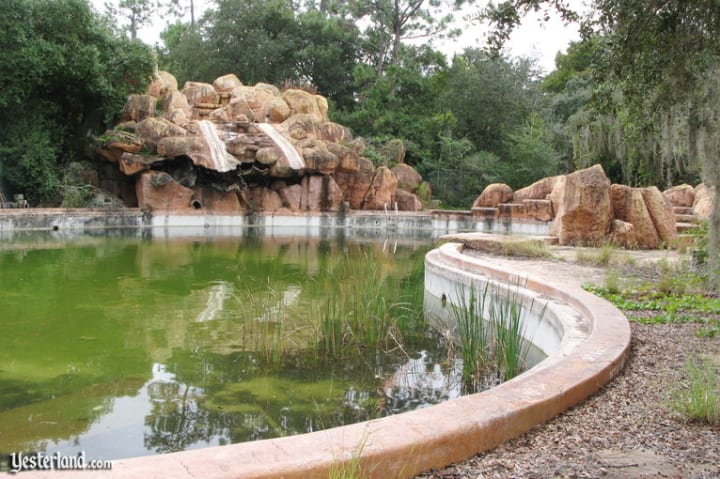
After shutting in 2001, the water park was left largely intact, with slides, docks, and pools slowly decaying amid overgrown vegetation. The silence that replaced the usual cheerful music and laughter created an eerie atmosphere, particularly at night, when shadows stretched across cracked concrete and trees encroached on walkways.
Urban explorers and photographers who visited the site reported a sense of unease, claiming that the park felt “frozen in time,” as though the echoes of past visitors lingered. Stories of ghostly figures, unexplained sounds, and fleeting shadows circulated online, linking the site to the tragic deaths that occurred there, including the 1987 drowning and other accidents. The haunting stories live on even though the park itself has been long demolished.
Conclusion
This was pretty sad to research and the more you learn about it, the more you discover that Disney took no responsibility in the deaths of these children. It was horrifying to learn that these children were in so much pain because a company that had all the money and resources didn't do their due dilligence. But, hopefully next week we will have a lighter topic to look at...
Why It's Shifty will be taking a break for now, and will return in the new year with some more shifty topics. If you'd like to read the backlog of 'Why It's Shifty' then just type the series name into the Vocal search bar. I have tired myself out with all the researching and writing of these, so I'm going to need some time to refine the ones I have already written.
Thanks for understanding.
Annie.
About the Creator
Annie Kapur
I am:
🙋🏽♀️ Annie
📚 Avid Reader
📝 Reviewer and Commentator
🎓 Post-Grad Millennial (M.A)
***
I have:
📖 280K+ reads on Vocal
🫶🏼 Love for reading & research
🦋/X @AnnieWithBooks
***
🏡 UK
Keep reading
More stories from Annie Kapur and writers in Geeks and other communities.
Book Review: "Flight to Arras" by Antoine de Saint-Exupery
"Suddenly an absurd image comes to me: stopped clocks. Every clock, stopped. Church clocks, station clocks, Mantelpiece clocks in empty houses. The clock-maker has fled: in the window of his shop, an ossuary of dead clocks. It's war...no one winds the clocks. No one gathers the beetroot. No one repairs the carts. And the water, captured and piped to quench thirst or to whiten fine Sunday lace for village girls, runs into a spreading pool outside the church. And we die, in summer..."
By Annie Kapur3 months ago in Geeks
Marvel Zombie
The last entry into our 2025 superhero projects catalogue is Marvel Zombies. This was a show that was anticipated by absolutely no one and it disappeared from the public consciousness as quickly as it was released. There was nothing special about the project that made it a must see, or a must remember. In fact if anything it's a must forget.
By Alexandrea Callaghan20 days ago in Geeks
Premier League in UK: How to Watch
The 2025–26 Premier League season is underway, marking the 34th edition of the competition and the 127th year of top-flight English football. Liverpool start their title defense with confidence after lifting their second Premier League trophy last season, but the return of Leeds United, Burnley, and Sunderland ensures fresh rivalries – including the long-awaited Tyne–Wear derby, back for the first time since 2015–16.
By David Cook4 days ago in Geeks




Comments (3)
So sad for the little boy.
The sad thing is that the 1987 event seems to have been largely forgotten. Relegated to theme park urban legends.
Really interesting read, creepy, tragic, and super well-researched.