
Book Review: "It Lasts Forever and Then It's Over" by Anne De Marcken
4/5 - bizarre at some points, but also an engaging critique of grief...

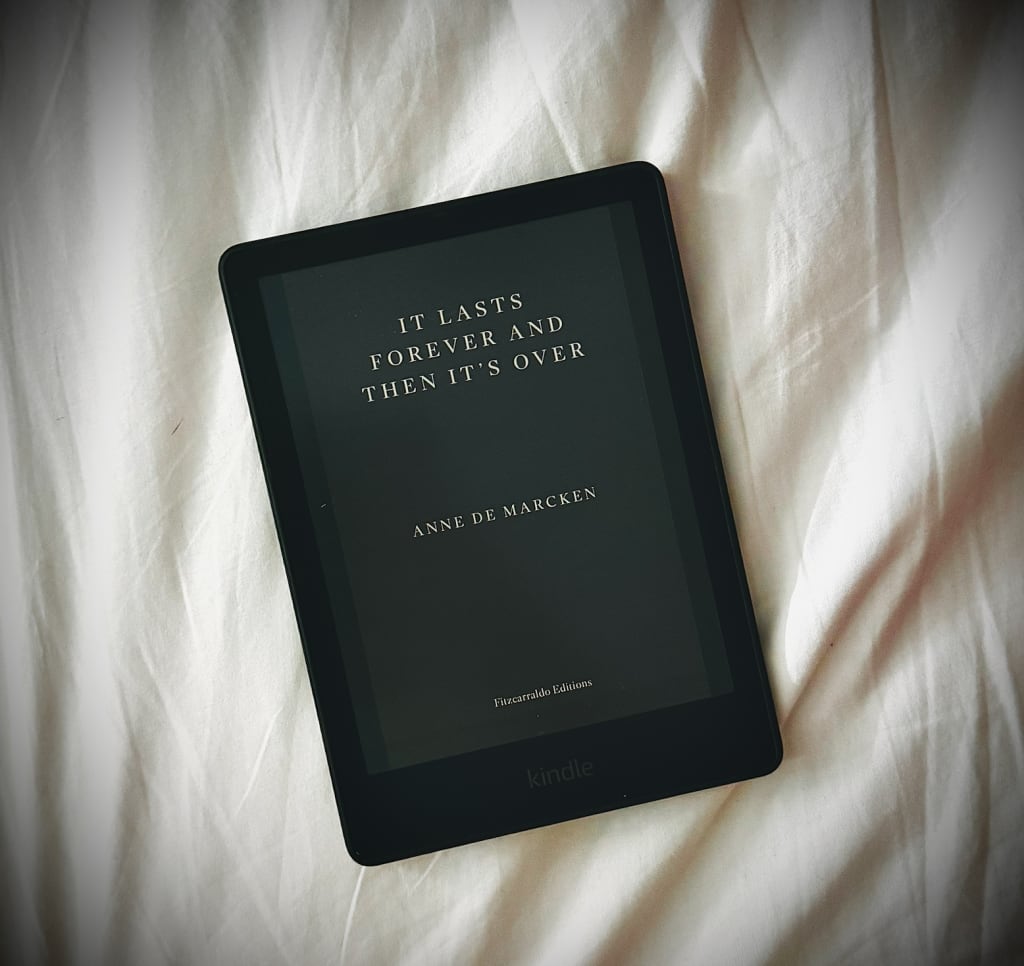
I didn't think I'd read any book that I could possibly compare to The Wall by Marlen Haushofer but this one seems like a good idea when it comes to alternate realities. This book however deals less with the landscape and more with the visceral experience of realities changing. There's something less 'utopian vs. dystopian' about this book and something a bit more 'apocalyptical'. Now, usually I'm not one for apocalypse fiction, I am a firm believer that there are only so many possibilities that we can come up with for that happening. But here, I have been proven wrong...
So, the book starts off with the reader essentially learning that our narrator is a member of the zombified undead and they live in a hotel filled with other sentient undead like themselves. They talk about losing limbs as though they are emotionless facts - but we can also tell they are laced with a kind of grievance we are not let into as very few of us experience that kind of mourning. It is telling that initially, the reader would be confused at the prospect of a zombie narrating the novel, but at least it is different to apocalyptic fiction's usual requests.
I've read some essays and reviews that spoke of this idea of the zombie not being a part of horror (for if it were, I'd be more harsh with my review as there was nothing even remotely frightening about it) but rather being a 'meditation' on the lost self. For example: the zombie's instinctive hunger is no longer a part of the terror realm, but rather turns into a 'hope' for the things that have been lost to the past. The hunger therefore, becomes a symbol for longing rather than a literal hunger. It's quite a refreshing analysis and after a while, is probably akin to feeling like you're in a music video by The Smiths rather than a zombie apocalypse.
Mitchem is the name of the preacher who for some reason, calls for a zombie revival by removing his body parts, encouraging others to do the same. This is all done from the hotel, a strange prison-like space in which the zombies live. There's a lot of things that could be considered 'cultish' in this book and shows us how humans will often fall into routines of cult like behaviours even when there is no requirement to - especially in moments of disaster, panic or misery. It's after they leave the hotel however, that things begin to get rather strange.
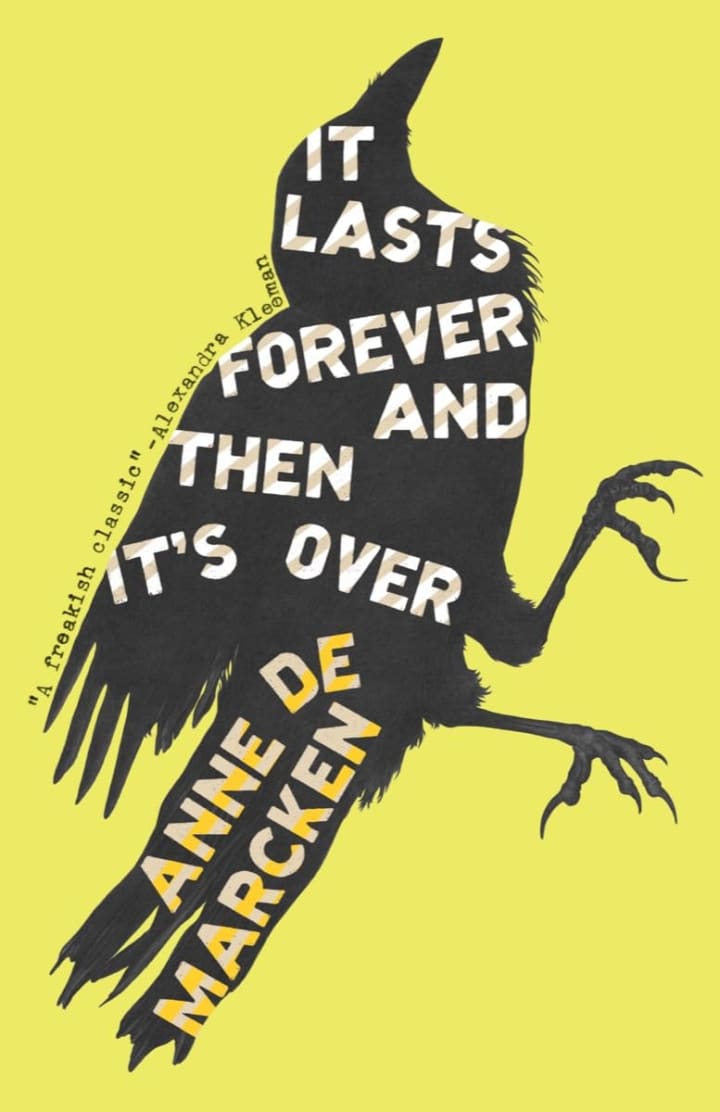
Upon leaving the hotel, the narrator takes on a dead crow as a prosthetic heart, please don't ask more questions about this because I just found it bizarre and tried not to think about it too much for fear it would make me dislike the book. But, when I did think about the crow, from what I understood it seems to represent a likely connection between two living beings who are essentially dead. However, they are different enough to have both had different experiences of what it once meant to be alive if either of them were to remember it. Perhaps that analysis is far-fetched on my part, but I did think the author went a bit far here with the metaphysical.
Our narrator takes a journey west to find the place where she and her lost lover used to share. There is something quite insane about the landscape. Instead of it being a terror-ruined wasteland, there are simply silent, abandoned and dilapidated houses, areas and living spaces - all of them are described with a rustic beauty that is almost folkloric. Weird as the landscape is, there is something very important about that journey in which the reader must see the landscape as well - it is a hard reality.
The politics of cannibalism are explored as the narrator decides to no longer eat human flesh. We now see that it is her memories that drive her forwards rather than her impulsive and rather primitive habits. The author does a great job at giving this zombie woman a conscience, but I do feel like maybe I already knew how this was going to end after seeing numerous movies including zombies. If caught outside without something to threaten living humans with, the assumed slow speed of a zombie would be no match for the cruelty of man. It seemed almost a shot in one's own undead foot even though I understood it was, in fact, her redemptive arc.
There are other things which take place in this book, such as helping out an undead child - the very concept of an undead child is worrying as it is saddening. But as we see the redemptive arc attempt itself, the plot becomes more driven by the key moments of grief than at any other part of the novel. I won't take marks off for the predictability because I don't think the author wanted it to be unpredictable. Instead, I think the author wanted the reader to ponder on the way in which the body parts, discarded and remembered by this zombie, are direct representations of human fragility, the fragility of memory and the importance of experience making up each part of us, whether we like it or not.
About the Creator
Annie Kapur
I am:
🙋🏽♀️ Annie
📚 Avid Reader
📝 Reviewer and Commentator
🎓 Post-Grad Millennial (M.A)
***
I have:
📖 280K+ reads on Vocal
🫶🏼 Love for reading & research
🦋/X @AnnieWithBooks
***
🏡 UK
Keep reading
More stories from Annie Kapur and writers in Geeks and other communities.
Silver Screen Magic with Mae West
American actress and singer Mae West became a popular film actress during the Great Depression. She started entertaining in vaudeville, then performed on Broadway, and finally went to Hollywood. She signed up with Paramount Pictures and made her debut in the 1932 film “Night After Night.” She also starred in musicals, comedies, and crime dramas. The American Film Institute named her one of the best classic Hollywood actresses.
By Rasma Raisters5 days ago in Geeks


Comments (1)
I'm not sure if you know Melissa here but her zombie story is something similar, where the zombies aren't dangerous at all. Lol, the crow part was surely disturbing. Loved your review!