
Are Comics Literature?
Comics have been a significant art form for a long time. They have been around since the 1930s and have continued to grow and develop with each passing year. However, there has long been debate over whether comics should be considered literature or not.

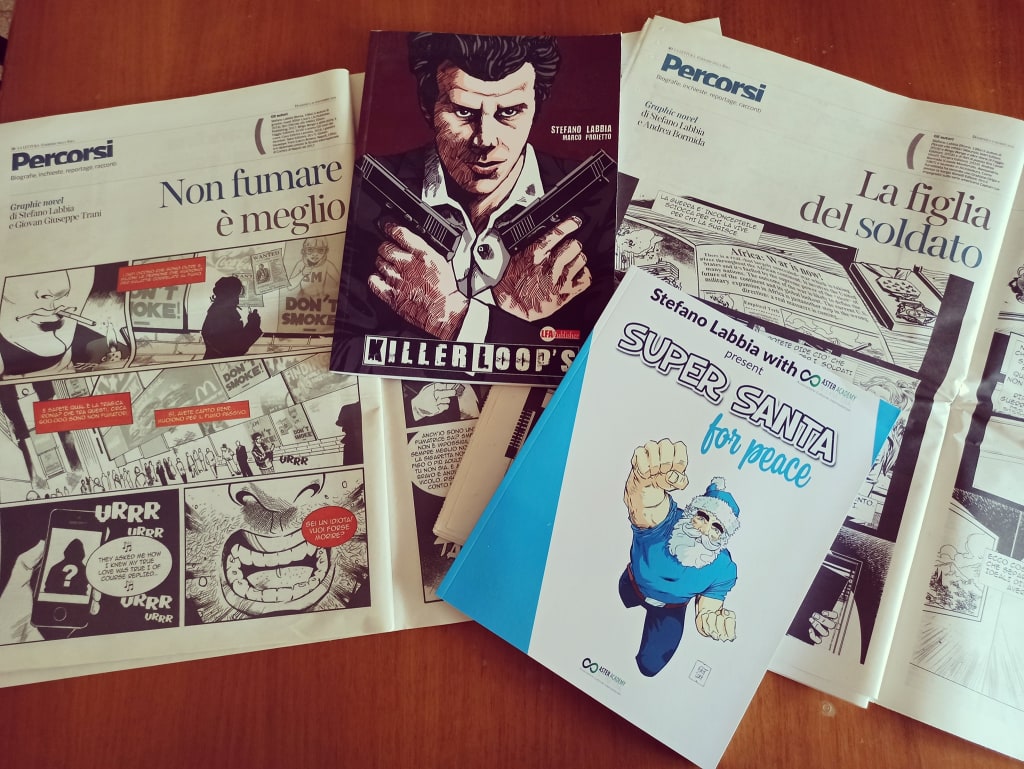
Comics have been a significant art form for a long time. They have been around since the 1930s and have continued to grow and develop with each passing year. However, there has long been debate over whether comics should be considered literature or not.
On one hand, many argue that comics are indeed literature. They use language, storytelling techniques, and visual elements to tell a story, just like other forms of literature. Comics also deal with complex themes such as love, loss, and the human experience. They have the ability to provoke thought and evoke emotions just like any other written work.
Further, comics can be a form of graphic or visual storytelling that is unique to the medium. They can convey information quickly and effectively, engaging readers in a way that is different from traditional written works. Additionally, comics are not limited to one language, culture, or genre. It is possible to find comics that are written in any language and work within any genre or medium.
However, there are also those who argue that comics are not literature. Critics suggest that comics are not written in the same way as more conventional forms of literature, such as novels or short stories. Comics rely heavily on images and illustrations, and the text is often presented in a different way. This can lead to misunderstandings about the value and quality of comics as a literary form.
Moreover, there are some who argue that comics are purely for entertainment, with no literary value. They suggest that comic book content is intended only to provide visual pleasure to readers and does not seek to provide any deep meaning or social commentary.
Another point of discussion is the audience for comics. Many critics see comics as a juvenile or adolescent form of entertainment, with little appeal for mature readers. But as the medium has progressed, comics have become more sophisticated, with increasing depth and complexity in their storytelling. Comics now have the ability to attract a wide readership, regardless of age.
Furthermore, comics can be seen as an intersection between literature and art. The often-depicted illustrations lend themselves to being an art form, and the narration in comics is often written as if it were a novel. The individuality of the artwork, along with the written narration, creates a unique reading experience.
Moreover, comics have the power to express political and social messages. They can be used as a means of commentary on issues such as politics, sexuality, and equality. Many comics have become culturally significant and have impacted the world in real and tangible ways. Comics like Watchmen, Persepolis, and Maus have all found a place in the world of literature as political and critical works.
One of the key challenges for comics to be accepted as literature is the prejudices that people have towards the medium. Initially, comics were viewed as disposable entertainment; a medium with little in the way of literary merit. But seeing comic books as a medium without literary importance deprives us of their full potential. Over the years, comics have proven to be a powerful tool for storytelling, with enormous potential to teach, inspire, and move readers.
Another consideration is the skill and craftsmanship required to produce a comic book. The creative process involved in writing and illustrating a comic book is complex and difficult, requiring a combination of literary and artistic skills. And while not all comic books are of equal quality, the same can be said of works of literature, or any other form of medium, for that matter.
In conclusion, the question of whether comics are literature continues to be a subject of debate. While some may argue that they do not meet the traditional criteria for literature, many believe that comics are valid and meaningful works of art. With their unique combination of text and illustration, comics have the power to entertain, inspire, and challenge us in ways that other mediums cannot. Ultimately, whether or not comics are considered literature is a question that individual readers must decide for themselves. What's important is that we recognize and appreciate the value that comics hold as an art form, and as a means of engaging with the world around us.
About the Creator
Goran Milijakic
Hailing from the beautiful Ireland, I relocated to the United States to pursue my passion for cultural enrichment. Immersed in various art forms from a young age, I have now become an avid enthusiast of all things culture-related.
Keep reading
More stories from Goran Milijakic and writers in Geeks and other communities.
Leroy Lambick: an innovative dark story invades the comics industry!
Leroy Lambick is a one-shot graphic novel volume created by Stefano Labbia, set in modern-day Detroit, USA. Leroy "Lambada" Lambick is a tall, powerful, 30-year-old African-American man with short-shaved hair, a one-day beard, round black sunglasses, gold earrings, and a white bandana tied behind his head. His father is the head of a criminal empire managed "the old-fashioned way." After the death of Leroy's younger brother, who was a "bad boy" in the past, Leroy has distanced himself from the criminal world and leads a more respectable life. However, a magical medallion that makes him invulnerable changes his life, forcing him to take a stand against the violence that is rampant in the city. Will he ever forgive himself for what he has done and for his brother's death? Will he ever be redeemed?
By Goran Milijakic3 years ago in Geeks
No Other Choice (2025)
It is only February, so other films may well surpass “No Other Choice”, but I think this is the best film I’ve seen so far this year. And that surprises me, because, it is a subtitled film and while I am pretentious enough to choose to watch foreign-language films, I was also very tired and that was an extra commitment from me. But more importantly, let me warn you, this film is gruesome and violent. There were times I had to turn away from the screen to avoid the worst of it (including some self-inflicted dentistry).
By Rachel Robbins23 days ago in Geeks
War from Swords to Satellites
War has been a part of human history for thousands of years. From ancient battlefields where warriors fought with swords and shields to today’s technologically advanced conflicts monitored by satellites, warfare has changed dramatically. The evolution of war reflects the development of human societies, technologies, and political systems.
By shaoor afridia day ago in Geeks
The BAFTA Awards
By now, in a stunning departure from recent years, most of the world is aware of what happened at the BAFTA film awards. Social Media Headlines will tell you the bare bones: that John Davidson, a Tourette's Syndrome advocate, shouted a racial slur at two Actors of Colour, Michael B Jordan and Delroy Lindo.
By Natasja Rose3 days ago in Psyche


Comments
There are no comments for this story
Be the first to respond and start the conversation.