
AI Transformation: Growth Strategies for Business Leaders
AI transformation for business growth unlocks numerous opportunities when done right. Read on to learn all the aspects of AI for business growth in detail.

The impact of AI on businesses in the real world is evident from its increasing adoption across industries. More organizations are keeping AI at the center of their digital transformation effort as a strategic business decision to boost growth. However, implementing AI for business growth is easier said than done. Business leaders must find logical avenues of AI solutions for businesses that suit their needs and meet their business goals. This blog will help business leaders understand the different aspects of AI for business. From knowing what AI for business growth means and the benefits of AI for business to tackling the common challenges associated with it. Let’s jump in.
What is AI Transformation in Business?
AI transformation in business is the deep integration of artificial intelligence (AI) technologies into various aspects of the company. This can include operations, strategies, products, and decision-making. Companies generally utilize AI and ML development services to blend AI-driven solutions into their business processes to enhance efficiency, user experience, and novel solutions. However, the most common implication of AI transformation for business currently refers to the following.
- Automating routine tasks that can be done with minimal human intervention.
- Analyzing large datasets to develop new AI-driven products and services.
- Streamline operations, and respond more effectively to market demands.
- New opportunities for innovation, especially with generative AI in creative industries.
Why AI Transformation is Crucial for Modern Businesses?
Today, AI transformation is no longer a futuristic concept but a necessary strategic move for businesses to remain competitive in today’s fast-paced market. AI for business has the ability to predict trends, optimize processes, and automate things to reduce human effort.
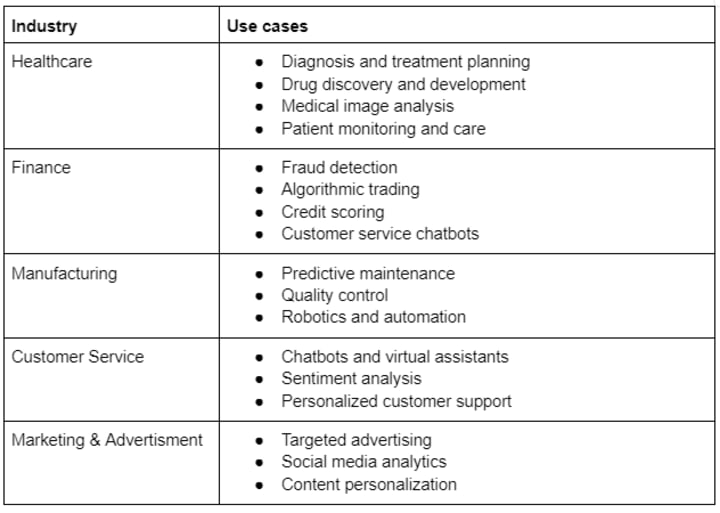
The potential of AI transformation for modern businesses is immense, given that AI-driven solutions can be adapted to niche requirements depending on the need. There is already a massive shift in business transformation driven by AI, where companies that adopt AI early are better positioned to lead in their respective markets. This is evident from its widespread integration across industries, such as
How to Align AI with Your Business Strategy?
Even in the same industry, integrating AI into business processes can differ. Thus, businesses must be methodical when integrating AI to get the most out of it. Here are some best practices to help you integrate AI with your business strategy.
Assessing Your Current Business Strategy
To begin your journey of transforming your business with AI, it is essential to evaluate the current business strategy thoroughly.
- Analyze existing processes, identifying strengths and weaknesses.
- Understanding where AI for business can have the most impact.
- Pinpoint areas that could benefit from AI, such as customer service, supply chain management, or data analytics.
Evaluating these areas will help you understand where AI solutions for business can drive most business growth, innovation, and efficiency. It will bring the most ROI, positioning your company to adopt AI strategically.
Setting Clear AI Objectives
The next step is to set clear and measurable objectives for your AI initiatives after identifying the potential areas to integrate them. This will help you track progress and understand the impact of these AI-driven processes and their benefits. These can include improving customer satisfaction, reducing operational costs, or increasing sales.
When setting the objectives, ensure they align closely with your overall business goals. This will create synergy, ensuring that the AI initiatives for your business are not an isolated effort but part of the larger core business strategy. It will also further guide the development and implementation of AI solutions for your business, ensuring they deliver measurable benefits.
Creating an AI Roadmap
Creating a detailed AI roadmap ensures that all the AI solutions are implemented systematically. It further ensures sustainable business transformation and growth driven by AI.
- Outline the step-by-step process for incorporating AI technologies, from initial research and development to full-scale implementation.
- Prioritize AI projects based on their potential impact and feasibility for effective resource allocation.
- Include timelines, resource requirements, and key milestones to track progress.
Identify High-Impact Areas for AI Implementation
Some common high-impact areas include customer service, supply chain management, sales forecasting, and decision-making processes. You can find as per your business by following these best practices.
- Thorough Assessment - Conduct an organization-wide assessment to identify the areas where AI can be most impactful.
- Analyze Existing Business Processes - Find inefficiencies or opportunities for improvement that AI technologies can address.
- Focus on ROI - You must prioritize AI projects that will give the greatest returns.
- Engage All Stakeholders - Bring different departments together for their input.
Integrating AI with Existing Systems
Many businesses operate on older technology infrastructure incompatible with AI solutions. However, for AI to be effective, it must be integrated seamlessly with existing legacy systems. Best practices for integration include,
- Conduct a thorough assessment of current systems to identify potential compatibility issues.
- Select AI tools and platforms that offer robust integration capabilities.
- Deploy middleware solutions like APIs and cloud-based AI platforms to enable data flow between AI applications and legacy systems.
Measuring the ROI of AI-Driven Projects
Measuring the ROI of AI projects and solutions is an important part of the implementation. It accurately justifies the investment in AI and ensures continuous stakeholder support. This involves,
- Key Performance Indicators (KPIs) - Identify relevant KPIs that match the goals of the AI initiatives. This includes cost savings, time reductions, accuracy improvements, customer satisfaction scores, and revenue growth.
- Tracking Metrics - Tracking KPIs over time allows you to assess the impact of AI on operations and make data-driven decisions about future AI investments.
What Are the Key AI Technologies for Business Growth?
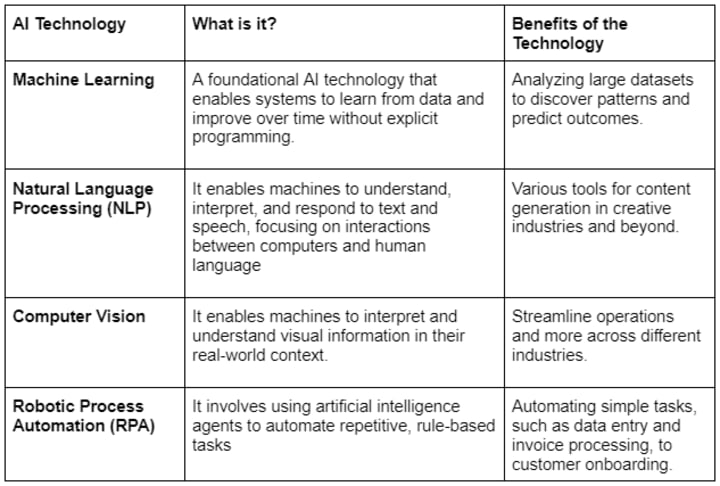
Most business leaders understand how AI and ML can transform their business, but there are plenty most AI-led technologies that are waiting to be tapped. Here are the top AI technologies that offer immense potential for transforming businesses and driving growth.
How to Build an AI-Ready Organization?
To gain the benefits of AI for business growth, organizations must be AI-ready to adopt it. This includes developing the necessary skills, promoting a culture of innovation, and establishing strategic partnerships.
Developing AI Skills and Expertise
One of the basic pillars of building an AI-ready organization is providing adequate knowledge to your workforce to manage, implement, and optimize AI-driven tools and initiatives. Here are some best practices.
- Identify the skills and expertise needed for AI adoption. These can be data science, machine learning, or anything else that meets your business needs.
- Upskill the current employees through targeted training programs, workshops, and certifications.
- Hire AI talent with specialized skills to lead the AI initiatives.
- Allocate enough resources and investment in the development of AI skills.
Promoting a Culture of Innovation
One of the key pillars of building an AI-ready organization is promoting a culture of innovation. This includes,
- Encouraging experimentation, creativity, and a data-driven mindset across all levels of the organization.
- Promoting an environment where employees feel secure to explore new ideas and technologies without fear of failure.
- Overcoming resistance to change as AI transformation often requires shifts in traditional processes and mindsets.
Collaborating with AI Partners
Collaboration with companies with AI expertise that offer extensive AI-driven solutions can help businesses build an AI-ready organization. The right partner can help businesses avoid the initial hurdles by providing expert insight. They also offer cutting-edge technologies that make AI transformation for business relatively easier. Further, businesses can learn best practices and emerging trends from these AI partners.
How to Overcome Challenges in AI Transformation?
While offering numerous benefits, AI transformation also presents numerous challenges that organizations must address to achieve successful implementation. These challenges range from data management issues to ethical considerations and change management.
Data Management and Quality Issues
Managing the vast amounts of data required for AI applications is one of the biggest challenges. Poor data quality, inconsistent data formats, and inadequate data storage solutions severely reduce the effectiveness of AI solutions. Organizations must implement robust data governance practices, such as
- Establishing measures for accurate data collection.
- Ensuring data is cleaned and standardized.
- Maintaining secure and scalable storage solutions.
- Investing in data management tools that enable easy access to data across departments.
- Prioritizing data integrity and accessibility for successful AI transformation.
Ethical Considerations in AI
The ethical implications of AI should be one of the focal points of AI for business growth. Issues such as algorithmic bias, lack of transparency, and privacy concerns can reduce the trustworthiness of AI systems. It can negatively impact the business. To address these risks, organizations must
- Adopt a proactive approach to building responsible AI systems.
- Incorporate correct ethical guidelines into AI development processes.
- Ensure your AI models are transparent, explainable, and free from bias.
- Conduct regular audits of the AI systems to identify and address any ethical concerns.
Managing Change and Mitigating Risks
AI transformation often requires drastic changes in how organizations operate. Thus, effective change management is key to overcoming common challenges. This includes job displacement, cybersecurity threats, and operational disruptions. There are a number of ways to address these challenges.
- Preparing for AI-driven changes - Promote a culture of innovation and continuous learning organization-wide.
- Providing training and resources - Upskill employees to ensure they can work alongside AI technologies.
- Developing risk management plan - A comprehensive plan with contingency measures and regular monitoring can prepare for the transformation.
What Are the Growth Opportunities in Business with AI?
From enhancing customer experiences to exploring new revenue streams and expanding into new markets, AI presents many growth opportunities for businesses.
Personalized Customer Experiences
One of the most desirable growth opportunities AI presents is the ability to deliver hyper-personalized customer experiences. It analyzes vast customer data to identify preferences, behaviors, and needs. This allows businesses to create their marketing efforts and customer service interactions based on the insight. This level of personalization improves customer satisfaction and loyalty. It further leads to increased sales and long-term growth.
New Revenue Opportunities
Today, businesses are using AI to develop innovative products and services. AI can identify emerging customer needs or solve previously unaddressed challenges after shifting through large datasets. Thus, businesses can create new revenue streams and disrupt traditional business models using AI. AI-powered SaaS (Software as a Service) products and subscription-based services are two of the prime examples of this.
Expansion into New Markets with AI
AI can provide deep insights into market trends and customer preferences. This enables businesses to expand into new markets based on AI-driven market research and trend analysis. This early-mover advantage in high-potential markets allows businesses to enter and succeed in new markets easily.
What is the Future of AI in Business?
As AI continues to advance, it is set to play an even more transformative role across various industries. Understanding the future trends of AI is crucial for business leaders who aim to take advantage of these advancements for sustained growth and innovation.
Emerging AI Trends
- Integration of AI with Robotic Process Automation (RPA) - For more sophisticated automation of complex tasks.
- Growing use of AI in predictive analytics - To forecast market trends, customer behavior, and operational outcomes more accurately.
- AI-driven chatbots and virtual assistants - For providing personalized and responsive interactions as they have become more intelligent.
- Hyper-personalized experiences - For providing customers with tailored recommendations and support based on their preferences.
- Robust AI governance frameworks - Regulatory bodies will develop more robust frameworks to address ethical challenges as AI technologies become more common.
Preparing for the Next Wave of AI Innovation
- Monitoring AI trends and developments - This will help identify new opportunities and potential challenges ahead of time.
- Experiment with AI technologies - Encouraging employees to explore new applications that can drive growth.
- Continuous learning and development - Invest to bridge the skill gap required to implement and manage AI solutions.
- Partnering with educational institutions - This allows in-house training programs and the opportunity to collaborate with AI experts.
- Building internal capabilities - This can be done by forming strategic partnerships with AI vendors and technology providers.
Conclusion
AI has emerged as a transformative technology leading digital transformation for businesses and a strategic business adoption to boost growth. When integrated thoughtfully after due consideration of your business requirements, it has the potential to be a differentiator that drives growth. What makes AI so powerful is its utility across industries and vertices. It can deployed for simple automation, predicting trends and forecasts, to hyper-personalized experiences. However, businesses must strive to be AI-ready to integrate AI solutions into the current system without much disruption. At the same time, businesses must be prepared for the next trends in AI advancements to be among the first adopters. It will give them an edge over the competition.
About the Creator
Nicholas Winston
Working as an IT Manager in a reputed Digital Transformation and Software Solution Company in India. Being a technical writing enthusiast, I have served in the Information technology, Services, and Product industry.
Keep reading
More stories from Nicholas Winston and writers in Geeks and other communities.
Beyond Passwords: Exploring Face Recognition for Secure Authentication
In today’s world, most of our sensitive information is stored on websites. Passwords are often the first line of defense to protect this sensitive information across the web. However, they are also the weakest link, putting sensitive information in danger and causing significant financial and reputational damage to individuals and organizations. As technology evolves, so must our methods for protecting digital assets.
By Nicholas Winstonabout a year ago in Geeks
Silver Screen Magic with Mae West
American actress and singer Mae West became a popular film actress during the Great Depression. She started entertaining in vaudeville, then performed on Broadway, and finally went to Hollywood. She signed up with Paramount Pictures and made her debut in the 1932 film “Night After Night.” She also starred in musicals, comedies, and crime dramas. The American Film Institute named her one of the best classic Hollywood actresses.
By Rasma Raisters7 days ago in Geeks



Comments
There are no comments for this story
Be the first to respond and start the conversation.