
A Filmmaker's Guide to: Unreliable Narrators
Film Studies (Pt.45)

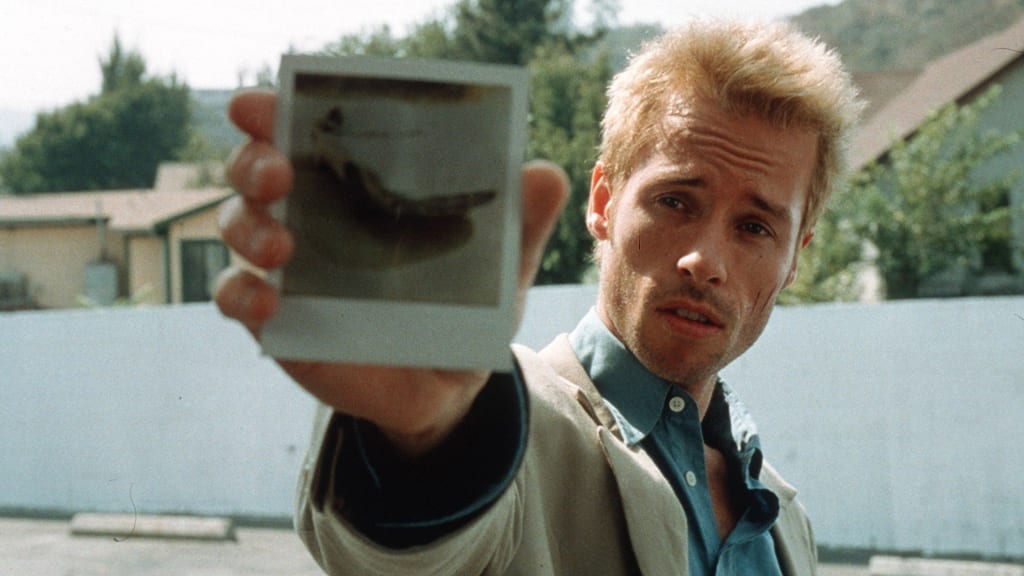
In this chapter of ‘the filmmaker’s guide’ we’re actually going to be learning about literature and film together. I understand that many of you are sitting in university during difficult times and finding it increasingly hard to study and I understand that many of you who are not at university or not planning on it are possibly stuck of what to do, need a break or even need to catch up on learning film before you get to the next level. This guide will be brief but will also contain: new vocabulary, concepts and theories, films to watch and we will be exploring something taboo until now in the ‘filmmaker’s guide’ - academia (abyss opens). Each article will explore a different concept of film, philosophy, literature or bibliography/filmography etc. in order to give you something new to learn each time we see each other. You can use some of the words amongst family and friends to sound clever or you can get back to me (email in bio) and tell me how you’re doing. So, strap in and prepare for the filmmaker’s guide to film studies because it is going to be one wild ride.
Unreliable Narrators
What are they?
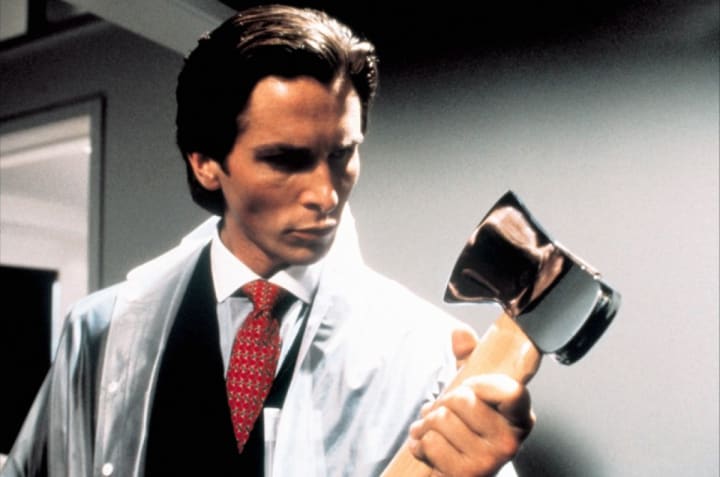
Unreliable narrators are a popular aspect of postmodern fiction in which our narrator is often suspected of either lying or being narrow-minded on a situational observation. Take, "The Great Gatsby" by F. Scott Fitzgerald for example, the way in which he idolises Gatsby himself is possibly not the most reliable thing because many of the actions that Gatsby takes against others are irrational and a cause for concern. This makes Nick Carraway an unreliable narrator.
Unreliable narrators have been around for as long as literature has but the idea was only really explored properly in the mid-20th century with it becoming one of the forerunners for thinking about the narrator as an actual person with human faults as well as the storyteller of the narrative.
Books with unreliable narrators include but are not limited to:
- American Psycho by Bret Easton Ellis
- Atonement by Ian McEwan
- Rebecca by Daphne du Maurier
- The Sense of an Ending by Julian Barnes
- Shutter Island by Dennis Lehane
- We Need to Talk About Kevin by Lionel Shriver
- Baudolino by Umberto Eco
- The Collector by John Fowles
- Vanity Fair by William Makepeace Thackeray
- The Murder of Roger Ackroyd by Agatha Christie
What about in film?
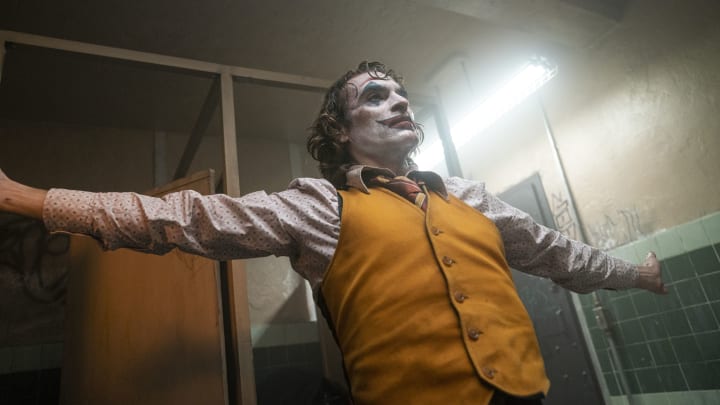
In film, unreliable narrators are everywhere. Taking over the post-1960s scene with their lack of human empathy, their mental instability and their tunnel-vision perspectives, the unreliable narrator has come to us in ways we would not eve understand since they make themselves out to be the only source of information. What is different about an unreliable narrator in film is that you can see an unfiltered image of what is happening whilst the narrator is telling it to you. You are not physically only seeing it through their eyes because they also serve as a character in their narrative. You are viewing the unfiltered narrative with their commentary atop of it. This makes for a very different experience than reading the text of the unreliable narrator where you have literally no other aspects of information or story to go off apart from the narrator.
Here are some films you can watch to learn about an unreliable narrator in film:
- The Cabinet of Dr. Caligari (1920)
- Possessed (1947)
- Forrest Gump (1994)
- The Usual Suspects (1995)
- Fight Club (1999)
- A Beautiful Mind (2001)
- 300 (2007)
- Shutter Island (2010)
- Barry Lyndon (1975)
- The Sixth Sense (1999)
- Memento (2000)
- Big Fish (2003)
- Gone Girl (2014)
- Joker (2019)
- Lost Highway (1997)
So, let us now cover some further reading you can do on unreliable narrators mostly from primary sources so you can see how the trust between the author and the reader are constructed in order to make the narrator seem as reliable as possible when in reality, they are far from it.
Further Reading:
Barnes, J (2012). The Sense of an Ending. UK: Vintage
Easton Ellis, B (2015). American Psycho. USA : Picador
Jackson, S (2009). We Have Always Lived in the Castle. UK: Penguin Modern Classics.
Lehane, D (2010). Shutter Island. 2nd ed. USA: Bantam
Shriver, L (2010). We Need To Talk About Kevin. USA: Serpent's Tail.
About the Creator
Annie Kapur
I am:
🙋🏽♀️ Annie
📚 Avid Reader
📝 Reviewer and Commentator
🎓 Post-Grad Millennial (M.A)
***
I have:
📖 280K+ reads on Vocal
🫶🏼 Love for reading & research
🦋/X @AnnieWithBooks
***
🏡 UK
Keep reading
More stories from Annie Kapur and writers in Geeks and other communities.
A Filmmaker's Guide to: Robinsonade
In this chapter of ‘the filmmaker’s guide’ we’re actually going to be learning about literature and film together. I understand that many of you are sitting in university during difficult times and finding it increasingly hard to study and I understand that many of you who are not at university or not planning on it are possibly stuck of what to do, need a break or even need to catch up on learning film before you get to the next level. This guide will be brief but will also contain: new vocabulary, concepts and theories, films to watch and we will be exploring something taboo until now in the ‘filmmaker’s guide’ - academia (abyss opens). Each article will explore a different concept of film, philosophy, literature or bibliography/filmography etc. in order to give you something new to learn each time we see each other. You can use some of the words amongst family and friends to sound clever or you can get back to me (email in bio) and tell me how you’re doing. So, strap in and prepare for the filmmaker’s guide to film studies because it is going to be one wild ride.
By Annie Kapur5 years ago in Geeks
Silver Screen Magic with Mae West
American actress and singer Mae West became a popular film actress during the Great Depression. She started entertaining in vaudeville, then performed on Broadway, and finally went to Hollywood. She signed up with Paramount Pictures and made her debut in the 1932 film “Night After Night.” She also starred in musicals, comedies, and crime dramas. The American Film Institute named her one of the best classic Hollywood actresses.
By Rasma Raisters7 days ago in Geeks
Game of Thrones: Knight of the Seven Kingdoms Review Episode 1 (The Hedge Knight)
Westeros is officially back in tournament mode. Episode 1 of A Knight of the Seven Kingdoms finally dropped, and yes, it’s absolutely packed with Easter eggs tying back to both the original Game of Thrones series and House of the Dragon. Because this story is wedged right between the major Targaryen eras, everything connects in some really clever ways, and we’re breaking all of it down step by step.
By Bella Andersonabout 15 hours ago in Geeks
Ludacris and Nelly draw backlash over bookings at MAGA-coded music festival
Ludacris and Nelly headlining a mostly right-wing event is good for them. It’s also great for the genre of hip hop. The two rap veterans have showcased their talents on other stages. Why can’t they perform for mostly MAGA folks and grab that bag?
By Skyler Saunders5 days ago in Beat



Comments
There are no comments for this story
Be the first to respond and start the conversation.