
A Filmmaker's Guide to: Political Metaphor
Film Studies (Pt.89)

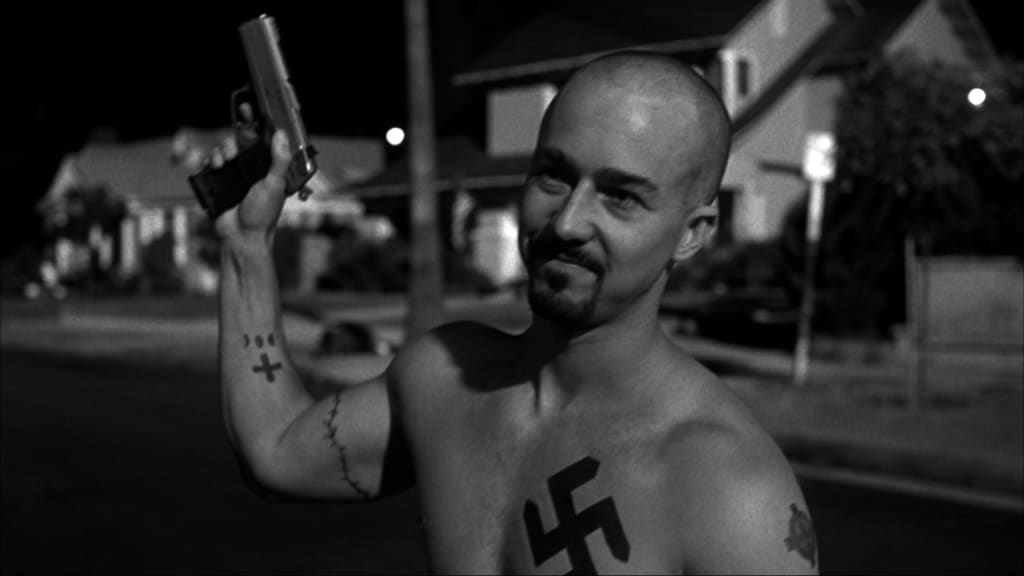
In this chapter of ‘the filmmaker’s guide’ we’re actually going to be learning about literature and film together. I understand that many of you are sitting in university during difficult times and finding it increasingly hard to study and I understand that many of you who are not at university or not planning on it are possibly stuck of what to do, need a break or even need to catch up on learning film before you get to the next level. This guide will be brief but will also contain: new vocabulary, concepts and theories, films to watch and we will be exploring something taboo until now in the ‘filmmaker’s guide’ - academia (abyss opens). Each article will explore a different concept of film, philosophy, literature or bibliography/filmography etc. in order to give you something new to learn each time we see each other. You can use some of the words amongst family and friends to sound clever or you can get back to me (email in bio) and tell me how you’re doing. So, strap in and prepare for the filmmaker’s guide to film studies because it is going to be one wild ride.
Political Metaphor
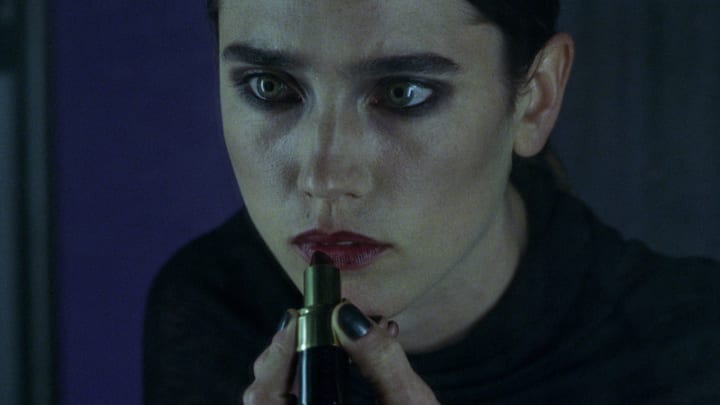
What is it?
A political metaphor is an extended metaphor through themes and messages within the piece that are focused on a particular political stance or time in political history. They are normally done to critique the particular political situation/stance and the outcome being positive or negative seems to say a lot about the piece's opinion on these politics. The most famous example of it is Nineteen Eighty-Four by George Orwell.
In literature, political metaphor has been there practically since literature began. In the ancient times, we have plays such as "Lysistrata" by Aristophanes in which women withhold sex in order to stop the men going to war. An anti-war aesthetic is possibly one of the most used political metaphors as well, and became more and more popular during the war periods of the early to mid twentieth century.
During the Plague era, Boccaccio and Dante were particularly important for their political stance with "The Divine Comedy" being one of the biggest of its time in which Dante writes about various people in hell and heaven due to their belief systems, which were a big part of the politics back then. Boccaccio's "Decameron" starts with a very honest look at the way in which the plague is destroying everything and takes a very political stance on basically nobody doing anything about it and everyone is trying to run away from it. If you would like to discuss these texts more then message me on Twitter because I covered the political tragedy of these books for my undergraduate dissertation [I also covered Petrarch, Celtic Folklore and various Renaissance texts].
Shakespeare was known for his political metaphor with plays like "Julius Caesar" making light of autocracy and its downsides. Other plays including "Macbeth" were written initially for political situations with "Macbeth" being written for the handing over of power from Elizabeth I upon her death to James I [who had a key interest in witches and the supernatural, publishing a book called "Demonology"]. So this political metaphor is that Shakespeare wanted to get in with a positive note when it comes to the new King of England.
When we come to the era of the French Revolution we get major political metaphors. In the British Enlightenment and Romantic Movement, we get a novel called "Frankenstein" by Mary Shelley which shows the way in which too much power can actually entirely ruin a person's life. Many books which contain political metaphors were previously written by men such as: Denis Diderot, Jean-Jacques Rousseau and even Jonathan Swift.
During the twentieth century, political metaphor grew to something more extreme as books were getting banned for their content against the state and some books were directly comparing the entire novel to the political situation such as: "Animal Farm" by George Orwell or "Brave New World" by Aldous Huxley or even "A Clockwork Orange" Anthony Burgess. But many of them were beginning to include how politics has failed the youth of their day. The works of Bret Easton Ellis focus on the failure of politics upon the youth and honestly, this is still going on today.
What about in film?
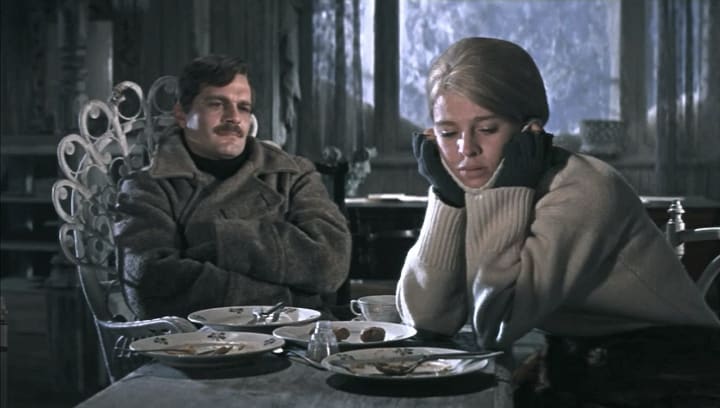
When there is political stance in film normally, it is an adaptation of a text like "Dr. Zhivago" or "Fight Club". But when the script is original, people tend to take it as the opinion of the filmmaker, which can sometimes be the wrong route to take because it is basically just a film. Unless the filmmaker states it explicitly, I would steer clear of assuming their political views based on how you have analysed the political metaphor in their work. Here's a watchlist of films you can watch that can get very political without you even realising it. They are both adaptation and original script:
- Eraserhead
- Requiem for a Dream
- Donnie Darko
- The Good Girl
- Nightcrawler
- The Machinist
- One Flew Over the Cuckoo's Nest
- Chinatown
- The Silence of the Lambs
- American History X
Further Reading:
- Kafka, F (2015). The Castle. UK: Penguin Modern Classics.
- Kafka, F (2015). The Metamorphoses and Other Works. UK: Penguin Modern Classics.
- Kafka, F. (2019). The Trial. UK: Penguin Classics.
About the Creator
Annie Kapur
I am:
🙋🏽♀️ Annie
📚 Avid Reader
📝 Reviewer and Commentator
🎓 Post-Grad Millennial (M.A)
***
I have:
📖 300K+ reads on Vocal
🫶🏼 Love for reading & research
🦋/X @AnnieWithBooks
***
🏡 UK
Keep reading
More stories from Annie Kapur and writers in Geeks and other communities.
Book Review: "Therese Desqueyroux" by Francois Mauriac
“Therese Desqueyroux” was a very strange book because I had felt like I had read similar storylines in the works of Virginia Woolf and other authors of that liking. But, in this case there was darkness looming beneath it. When Therese Desqueyroux fails to poison her husband, she is acquitted of attempted murder and goes free into the world without him. Believing at first that she was the one who did wrong, she looks back on her life with him as the abusive, oppressive overlord and observes the jail that we call marriage as now, a free woman. Only then does she learn to see the world in an increasingly new way. The story is both a celebration of a woman’s freedom and a journey of self-discovery - it wanders and loops in on itself and Therese is there for the ride in its ups and downs. The dark aspect of the story is constantly there and looming - the fact that she tried to kill him. But as you learn more and more about him through her, it becomes apparent that you are no longer angry that she tried, but angry that she did not succeed. It is written in an amazing way with these grotesque images pouring through grand descriptions of France and its cultural landscape, littered with everything that is poetic and beautiful. An excess makes it look almost naturalistically decadent in all the wrong ways.
By Annie Kapur5 years ago in Geeks
DCEU Power Rankings
The world of the DC Extended Universe isn’t protected by ordinary heroes — it’s shaped by gods, aliens, ancient magic, and beings powerful enough to reshape the planet itself. From warriors blessed by mythological gods to Kryptonians who rival natural disasters, the power scale in this universe reaches far beyond what humanity can normally comprehend. Some heroes dominate through raw strength, others through speed, magic, or centuries of combat experience — but only a few truly stand at the top.
By Top Ranked3 days ago in Geeks


Comments
There are no comments for this story
Be the first to respond and start the conversation.