
A Filmmaker's Guide to: 20 Films of the 1960s
Epics, Classics and Subversive Cinema

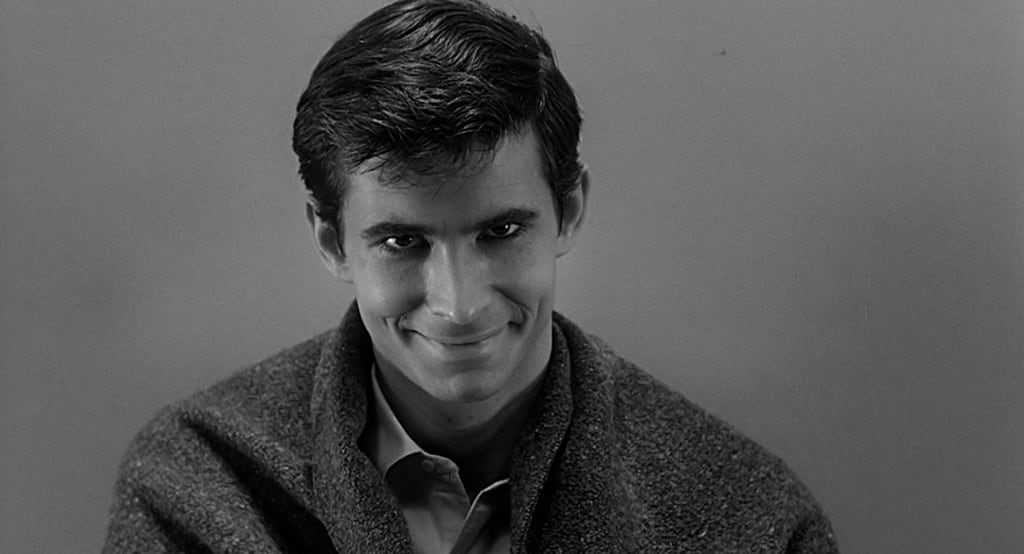
The 1960s was the beginning of truly modernised cinema. Things were happening, stars were becoming superstars, cinema was getting bigger budgets by the minute and equipment was surely modernising with nearly all films of larger budget being made entirely in colour now. Things were looking up for film and Hollywood in an age where it was considered that the Golden Era was dead and gone with the 50s. The era of peace and love was here and the music of the psychedelic Beach Boys, the death of Buddy Holly and the crooning harmonica folk rock of Bob Dylan were about the set the world on fire. Hollywood was about to take the biggest u-turn this world had ever seen and film would never be the same again.
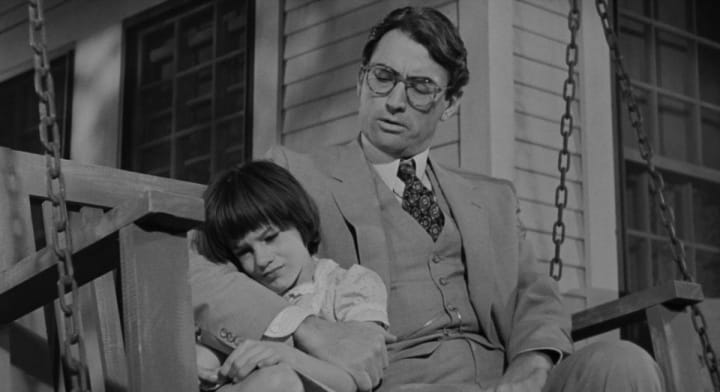
The epic was about to become the next big thing and I mean - B-I-G thing. Epic films that would become classics of our own era such as "To Kill a Mockingbird" (1963), Lawrence of Arabia (1962), 2001: A Space Odyssey (1968) and "Midnight Cowboy" (1969) plus many more would become symbols of resistance in Hollywood against the churning out of the regular 2-hour average film and would gain wider audiences for its incredibly symbolic filmmaking. The fascinating mis-en-scene of Stanley Kubrick, the stunning cinematography of Alfred Hitchcock, the impeccable acting of Gregory Peck and obviously, the great wide shots we get in the film "Lawrence of Arabia" (1962). These were all only part and parcel to the creation of epic cinema that would inspire an entire generation after them. Films that carried them on their back would include "The Godfather" (1972), "A Clockwork Orange" (1971) and "Annie Hall" (1977) etc.
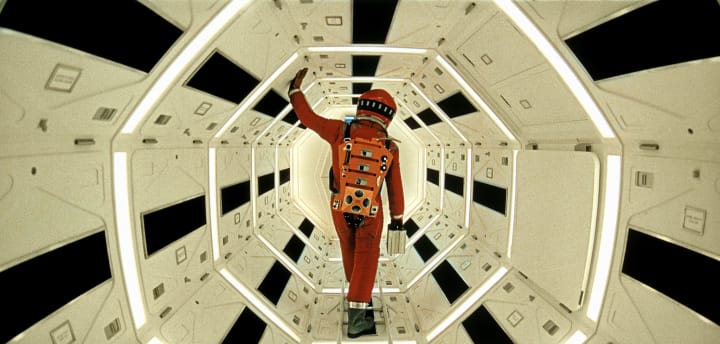
Names of directors were not only becoming more popular but so was auter cinema. I did a lot about auter cinema at university and so, let us go through what exactly that means (and it is very simple). Say and author of a novel has a particular writing style that they stick to. It lets you know that the novel is theirs and possibly, without even having their name on the cover, you could guess it was them by the style of their writing. Well, that happens in film as well. Take Tarantino for example: he has a particular style for which even if you didn't know it was directed by him, you could probably take a good guess through the jazz music and brutal murder, cynical stories and characters of symbolic and political nature and still be correct. Auter Cinema is to cinema what authorship is to writing - it is a particular style that lets you know who the director is. A director develops this style for himself/herself. Murnau and Lang were amongst the first to do so in the 20s and 30s and by the 60s, well, it was Kubrick's turn since Hitchcock had already gotten his. Kubrick decided that "2001: A Space Odyssey" would be a great idea. And then, he would reflect this in his 70s films all the way up to his death just after "Eyes Wide Shut" in the late-90s.
Things were getting better for psychological horror as well. Not only was the work of Stanley Kubrick on the rise, but so was the latter works of Alfred Hitchcock, the first works of Roman Polanski and the social horror that was the truthfulness in the adaptation of "To Kill a Mockingbird" in 1963. This meant that film was now using the strangeness of psychology in its own works and so, Kubrick would become a centrepiece later on when we look at the next decades and analyse his career over time.
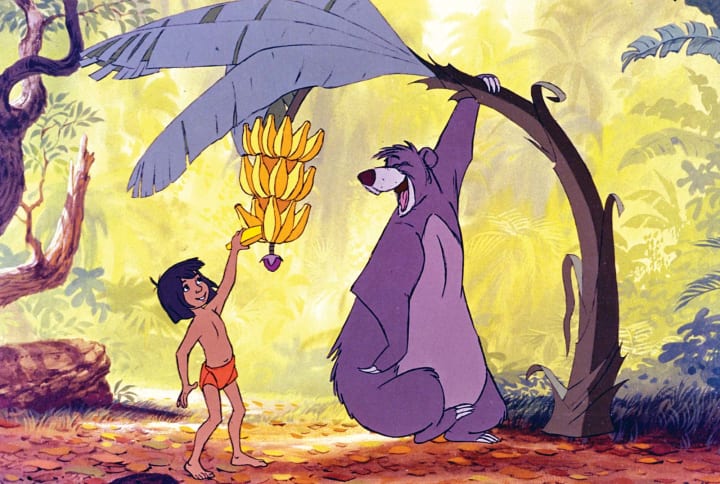
Animation became far more popular than ever in this era. Not only did Disney have the Golden Age under its belt and released for the world to see, but there was also one film based on the book by Rudyard Kipling entitled "The Jungle Book" (1967) which proved to be unforgettable in its amazing songs, its incredible animation style, its fantasy storyline and obviously, the loveable characters of the animals such as bears and panthers, snakes and monkeys.
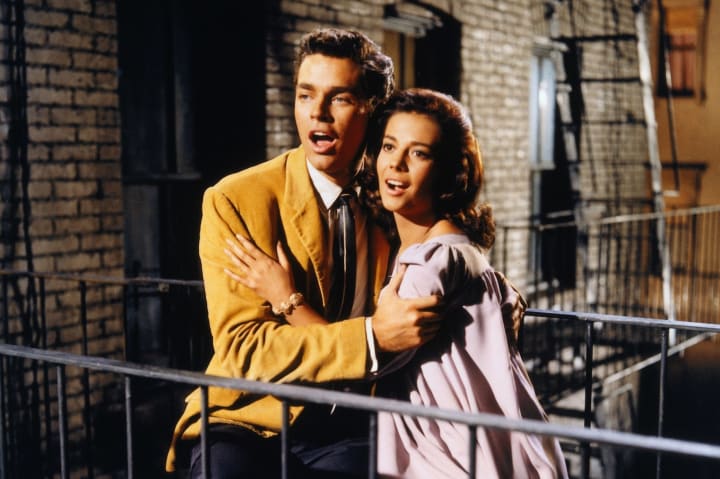
Musicals hadn't yet died either. The musical was becoming more and more popular with "Hair" being released in the decade and shown on stages all over the world. Judy Garland's final decade on this planet proved fruitful, energetic and a style and song of the likes we will never see or hear again. But the one musical that stole the show was "West Side Story" (1961). Starring Rita Moreno and a take on "Romeo and Juliet" - it became a cultural phenomenon and has since been staged over one hundred times worldwide. Everyone knows the sharks and the jets - I mean, how could you not?
20 Films of the 1960s
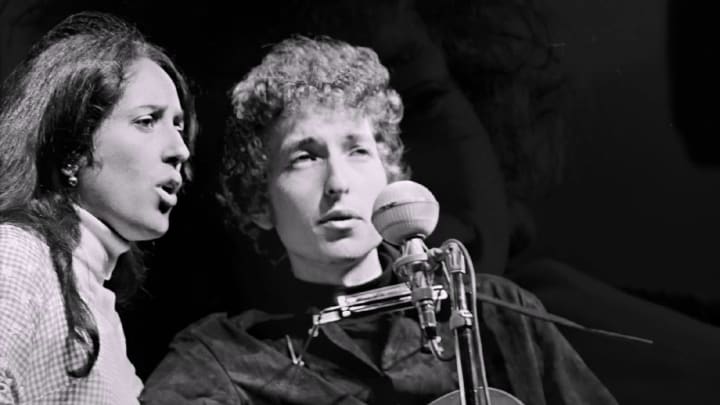
The 1960s were a wonderful decade full of JFK, Black Rights, Bob Dylan and Joan Baez, The Beatles, the modernisation of film and the end of the Golden Era. We were moving quickly back then and since, we've slowed down in innovation. Hopefully, we can learn from this era and teach ourselves that its possible to come and innovate after a decade of true cinema experiences. The 1960s were an inspiration to film worldwide.
1. Psycho (1960)
2. 2001: A Space Odyssey (1968)
3. To Kill a Mockingbird (1963)
4. Night of the Living Dead (1968)
5. Cool Hand Luke (1967)
6. Jungle Book (1967)
7. The Good, The Bad and The Ugly (1966)
8. Dr. Zhivago (1965)
9. Rosemary's Baby (1968)
10. The Manchurian Candidate (1962)
11. Lawrence of Arabia (1962)
12. "The Birds (1963)
13. Midnight Cowboy (1969)
14. Ocean's 11 (1960)
15. 8 1/2 (1963)
16. Zorba the Greek (1964)
17. Easy Rider (1969)
18. West Side Story (1961)
19. Goldfinger (1964)
20. The Spy Who Came in From the Cold (1965)
About the Creator
Annie Kapur
I am:
🙋🏽♀️ Annie
📚 Avid Reader
📝 Reviewer and Commentator
🎓 Post-Grad Millennial (M.A)
***
I have:
📖 280K+ reads on Vocal
🫶🏼 Love for reading & research
🦋/X @AnnieWithBooks
***
🏡 UK
Keep reading
More stories from Annie Kapur and writers in Geeks and other communities.
A Filmmaker's Guide to: 20 Films of the 1950s
The 1950s are probably my personal favourite decade because of the fact there is such brilliant music from the era. Another thing about the 50s is that it is considered the true beginning of the Modern West. The Second World War is over, Hitler is dead and gone, American Production is up ten-fold and more and there are reparations all over the world. Peace and Love would come along in the form of the 1960s as a result of the Cold War (it isn't really a war, but it is a war - just nobody's fighting and just collecting random weapons).
By Annie Kapur5 years ago in Geeks
Silver Screen Magic with Mae West
American actress and singer Mae West became a popular film actress during the Great Depression. She started entertaining in vaudeville, then performed on Broadway, and finally went to Hollywood. She signed up with Paramount Pictures and made her debut in the 1932 film “Night After Night.” She also starred in musicals, comedies, and crime dramas. The American Film Institute named her one of the best classic Hollywood actresses.
By Rasma Raisters7 days ago in Geeks
Agnes Abdullahu's DiaMondaine Diamantaires Club partners with Isis Fashion Awards (Brings Diamonds, Luxury and Deluxe Dubai Flair to Amsterdam)
In the glittering world of high-end jewelry and haute couture, there are those who simply attend events, and then there are those who weave the very fabric of the experience. As the calendar turned toward the highly anticipated 4th edition of the Isis Fashion Awards (IFA) on May 6th, a new and formidable alliance began to take shape.
By postworldview4 days ago in Geeks
Smart phones, Humans and Aliens.
WARNING. I will be tapping into one of your favorite creative tensions: The absurdity of humans worshipping their glowing rectangles as if they were tiny oracles. There’s something deliciously poetic about that contradiction, and it lends itself beautifully to an instructive proviso.
By Novel Allen4 days ago in Poets


Comments
There are no comments for this story
Be the first to respond and start the conversation.