

As you know I'm reading more than usual and so, I have to write these faster now. At the moment I'm actually pursuing other hobbies I have as well and that is the purpose of this section, I want to share my other hobbies with you. The first one I want to share is baking.
Every few days, I bake my family some afternoon tea. I make tea cake, loaf cake, sometimes I make scones and cupcakes - I like to make chou pastry when I get the chance and I'm pretty good at making homemade jams and jellies. I bake sweet potato pie for my brother sometimes and I can also make completely vegan cakes and bakes which are also gluten free too! I'm good with dietary requirements since my cousin is gluten intolerant and my brother is lactose intolerant AND I'm a Hindu, so there are times in my calendar year where we have to admit to veganism for a while. But veganism never stopped us baking!
Anyways, another one of my hobbies is that I like to pursue cardio fitness. I do it mainly because I have anaemia which means that not moving my joints often can make things pretty bad. Cardio helps me keep the joints active and makes me feel altogether a lot better. I try to do cardio every day but I also like to pursue yoga and pilates about two or three times a week as well. It's a nice thing to do, and I'm doing it more often in these difficult times.
The last hobby I want to mention is that I like journaling. I journal once every week or so at most because I don't want to say I'll do something every day and not do it. I've been journaling for over ten years now - well, actually it's more like almost twenty years because I've been journaling ever since I was about seven or eight years' old and I'm almost twenty-five now. Journaling isn't a way of documenting my life, no it is a way of releasing myself from memories that are plaguing my life. Things I don't like to think about I write down so I don't have to think about them anymore - they are physically somewhere else.
Let's begin then shall we?
361. Foreign Bodies by Martin Edwards
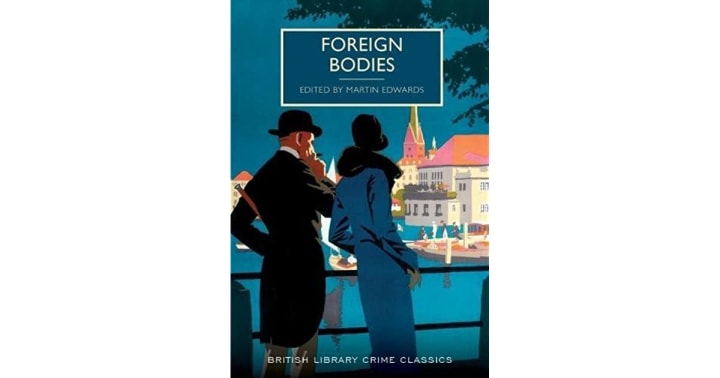
This book was so interesting because of the fact it was all about telling the stories of crime from around Europe. My personal favourite one in here was the story of a murder committed that was written by Anton Chekhov. However, there were many great stories in this anthology and this has to be one of the better anthologies out of all the British Library Crime Classics. Be that as it may, I think it could've been organised better because I would've liked to have some commentary on each story as well as the stories themselves, seeing as they are from other places. Maybe the crime writing tradition was different there...
362. The Family Corleone by Ed Falco
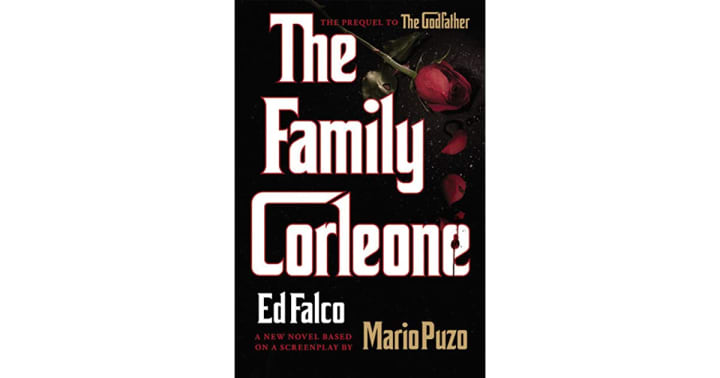
This is a prequel to the Godfather series and I have a strange story about this one. When I was about 17, I found this book in hardback in the school library and I read it back then. Very recently, amongst the junk and oddities I have collected over the years, I found a paperback version of the book. I now wonder how long I've had that paperback version. Anyways, the backdrop of the Great Depression adds so much great atmosphere to this book - it's quite an upsetting time but unlike the Godfather, this doesn't feel like a crime novel. This feels more like a historical drama, a genealogy and a book leading up to something very, very intense and dark.
363. And the Wind Sees All by Gudmundur Andri Thorsson
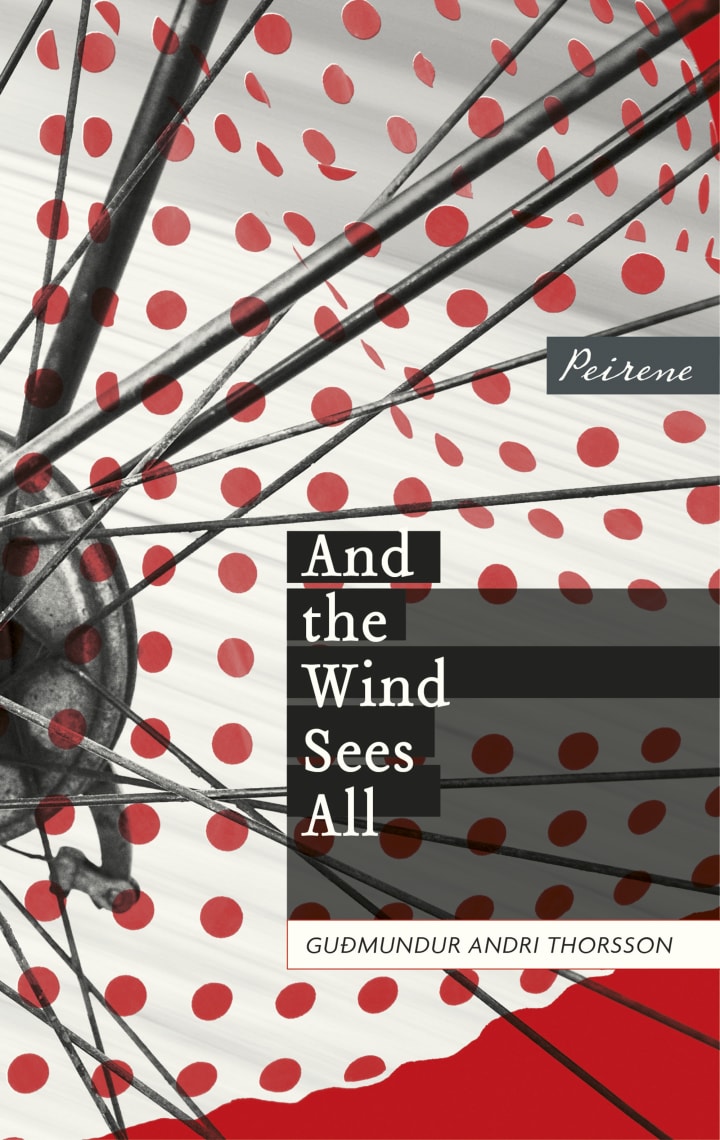
This book was absolutely amazing. I read it at night and it's one of those books that sends you nicely off to sleep. It's about the way that the wind sees all people and events unfolding in a space and time. There are a brother and sister who haven't spoken for ages, there's lovers, there's people at work and there's people not knowing what to do or how to feel. The way it's written is absolutely beautiful and it explains the wind growing and dying with every sway of the book. The writing is profound and often poetic, I just really enjoyed reading it.
364. The Mussel Feast by Birgit Vanderbeke
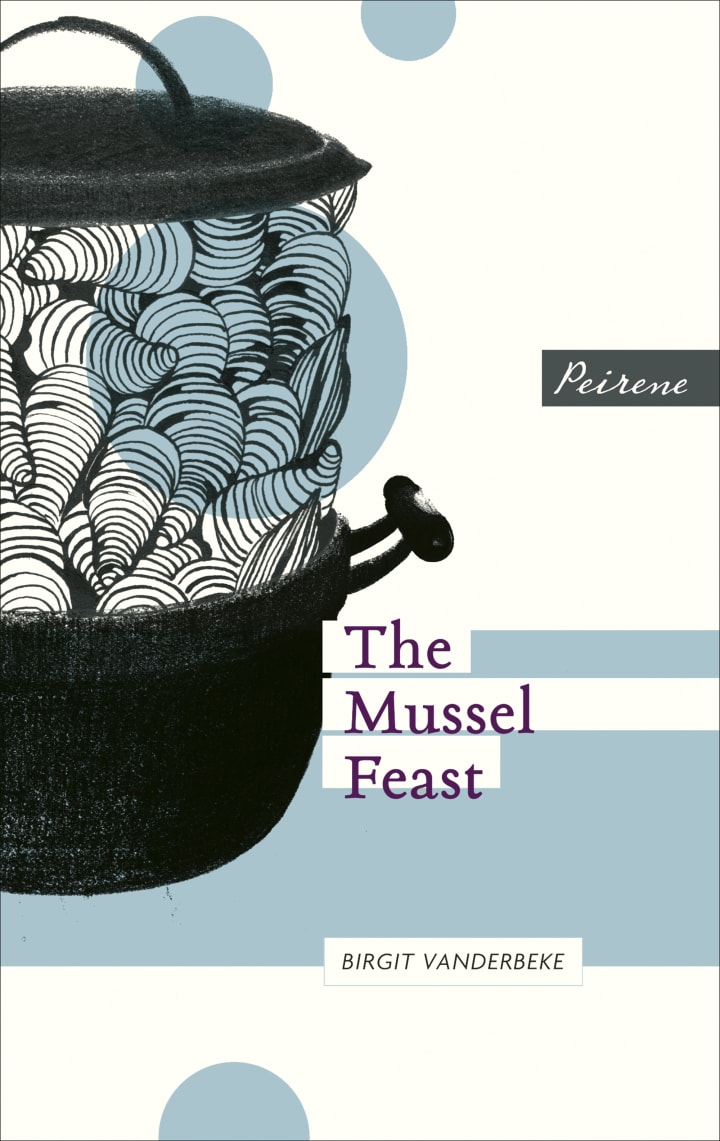
This book is narrated by a teenaged daughter of this very strict German family in which the mother is the house slave, the teenaged boy is constantly being told he's not really a man and the father is a tyrannical overlord who wants the perfect traditional family. It is set over the course of five hours in which the father hasn't returned from the business trip he was meant to get back from. The teenaged daughter tells of her past and her present. By looking at her mother, she sees all the way back to when her mother was first pregnant and her father was completely unsupportive. The father seems like one of those characters where you don't really care whether he comes home or not - it's probably better if he doesn't to be honest. It's written beautifully and with such incredible emotion, you just need to take a deep breath afterwards.
365. The Dead Lake by Hamid Ismailov
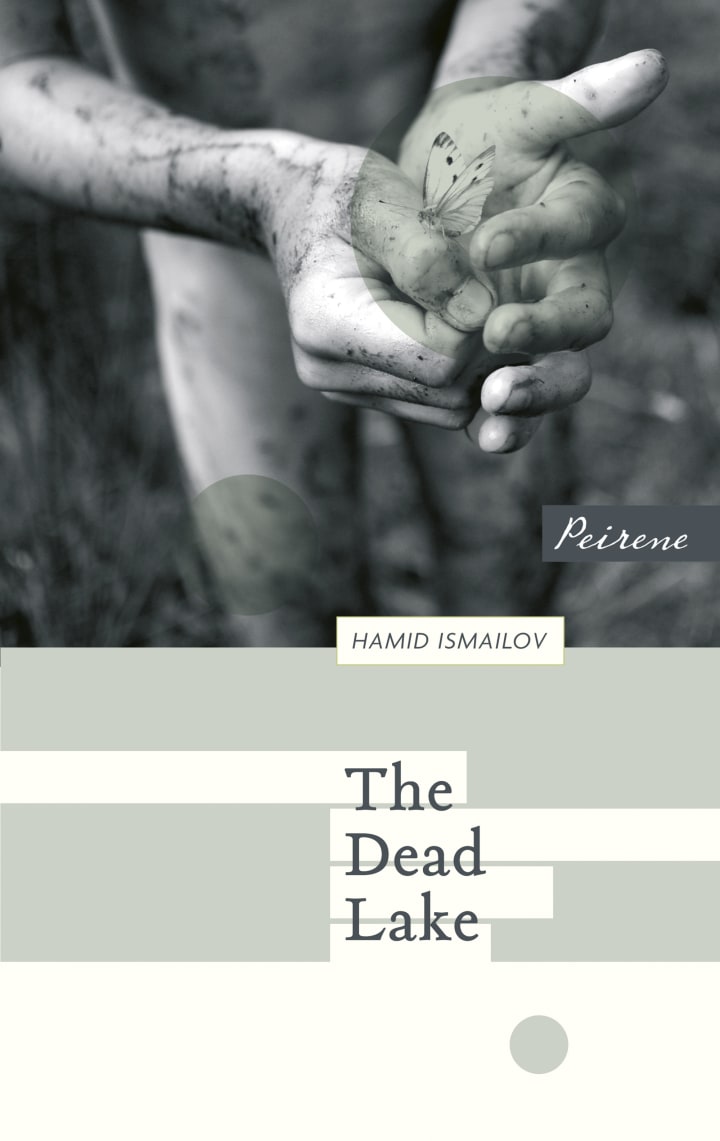
This book is about two families living in the midst of the Cold War in Kazakhstan. It is written about a boy (also a musical prodigy) who falls in love with his neighbour's daughter and yet, she does not know fully whether he loves her. However, his father and uncle warn him against the lake which is said to contain poisons from various bomb testings that went on there at some point. But, the boy, in order to try and impress the girl, goes and bathes in the lake. Then things start to go from bad to worse. He doesn't grow past the age of 12 and everyone else, including the girl, grows around him. He becomes a recluse and then, people start dying. The grieving boy blames himself. But it doesn't stop there. This is a brilliant book with such an incredible story. It's just so upsetting.
366. The Empress and the Cake by Linda Stift
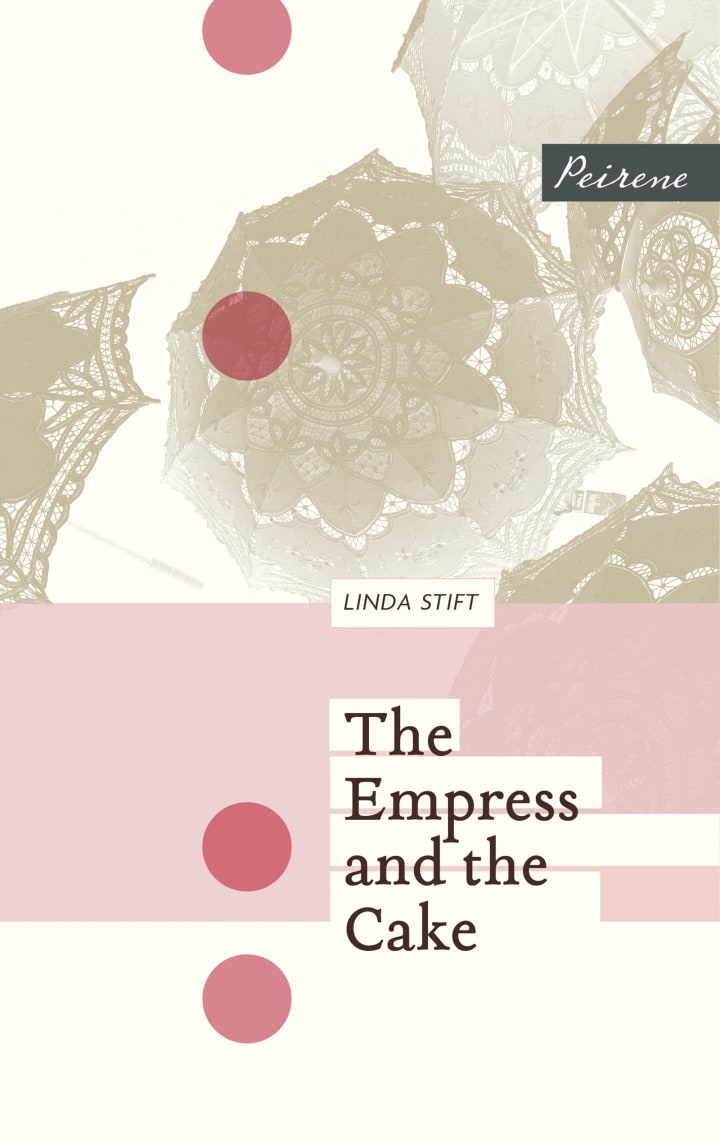
I didn't enjoy this one as much as I thought I would have. There was no atmosphere even though some essential parts of the book had a lot to do with crime and criminality. The beginning of the book seemed promising because I got a lot of characterisation of this girl and the woman, but the way the story develops didn't grab me. It was well written in some aspects that were along the lines of character development. But it didn't develop the story and it didn't develop the atmosphere. I was kind of disheartened after this.
367. Axiomatic by Maria Tumarkin
This book is incredibly sad. It's all about the life after people dying, mostly by suicide and how the suicide of one person actually took place about five weeks after someone else killed themselves. It goes through the entire backstory leading up to it and the future after it. It's sad because I have personally experienced this event of someone I know committing suicide and then, trying to explain why I'm so upset. It seems like one of those books that really hits the mark when it comes to emotion and well, even though I wasn't crazy about it at first - it was pretty intense as it went on.
368. The Memory Police by Yoko Ogawa
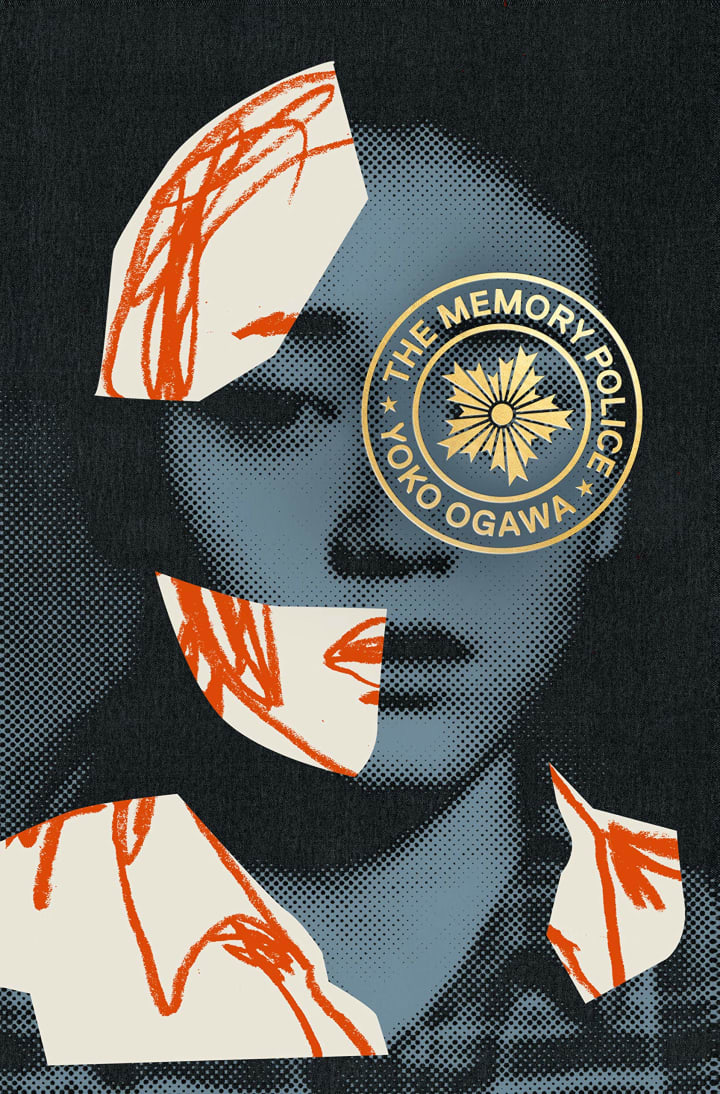
Take the premise of George Orwell's "1984" and blend it with the character of Luisa Rey from David Mitchell's "Cloud Atlas", give it the writing style of any book by Yukio Mishima and the ending of a book by Yasunari Kawabata. Then you'll probably be somewhere in the ballpark of this book. This book is about a woman who lives in a dystopian thriller society. The memory police erase anything that could have an impact and create a wave of creativity. Things to go include fruits and roses and even birds. People who recall these things from memory are punished brutally, taken away and never seen again. This makes the protagonist wonder about her own mother who once recalled to her the smell of perfumes - that had since disappeared. As life around them evolves, the protagonist must protect someone close to her, but time is running out and humanity itself is on the brink of a new age - but not necessarily a good one.
369. Shadows on the Tundra by Dalia Grinkevičiūtė
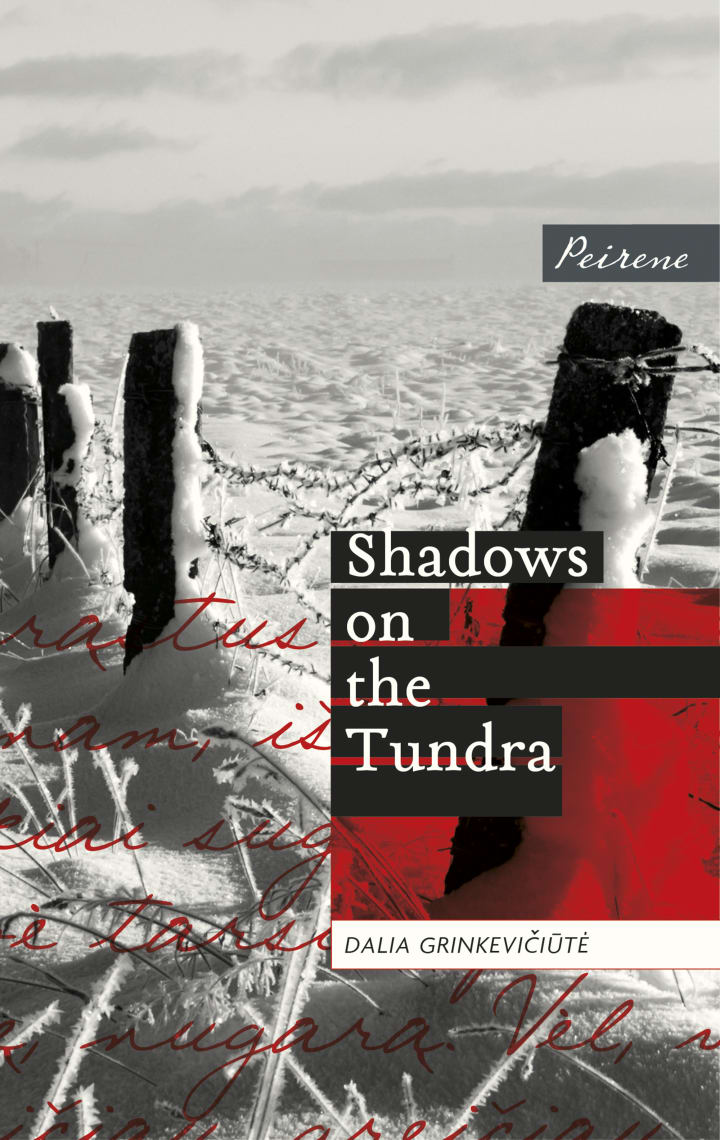
This is a book that combines the Anne Frank Legend of being moved and migrated to harsh conditions in a time of great despair with the depressive writing style of FM Ford. I can honestly say that I really loved this book because it talks about things you don't really get to see first hand in a war novel - the stories of the people who were moved about by it forcefully. However, I did feel the book was a bit short for what it was trying to explain and by the time I had delved deep within the book, it was pretty much over. I wish it would've expanded on itself a bit.
370. I Am Dynamite: A Life of Friedrich Nietzsche by Sue Prideaux
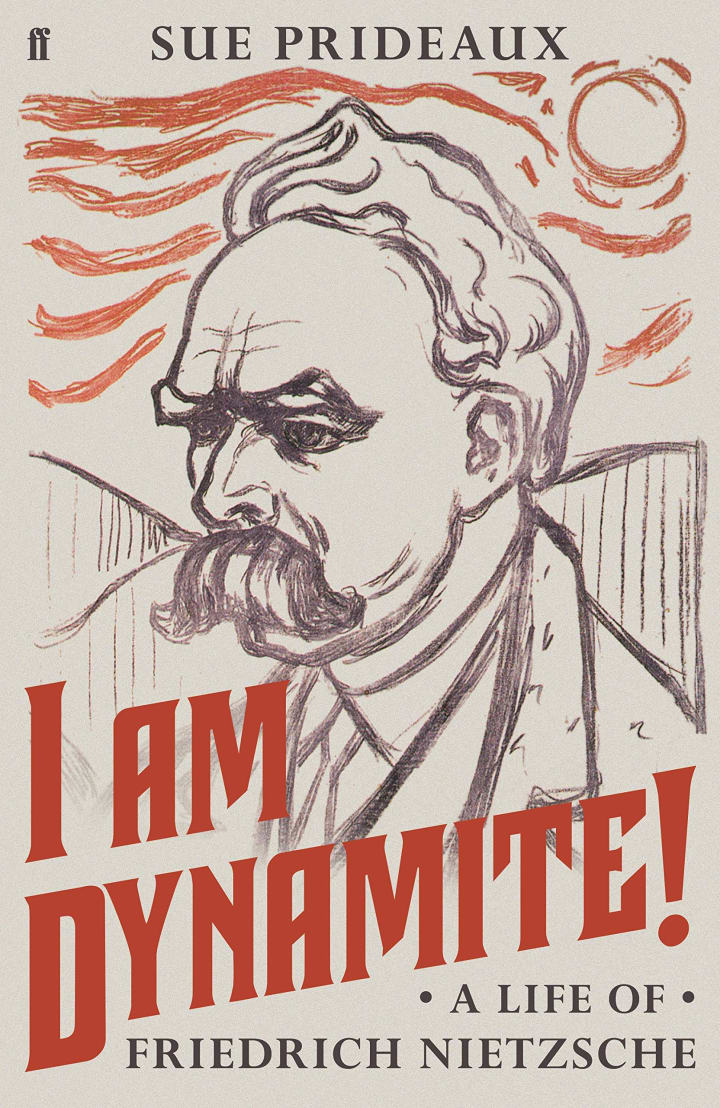
When I was in philosophy class, I was never too interested in this philosopher until very recently when I actually understood what he was talking about all this time. I re-read "Thus Spoke Zarathustra" and the other books by him. I was never really interested in his life because due to "Why Am I So Clever?" sounded a bit up his own ass. However, when I read this book I found not only a good story about the man but also a well written one. This book deserves all the awards it gets for making philosophy remotely interesting. Even better, it makes the life of a philosopher interesting.
371-380
371. Notre Dame: The Soul of France by Agnes Poirier
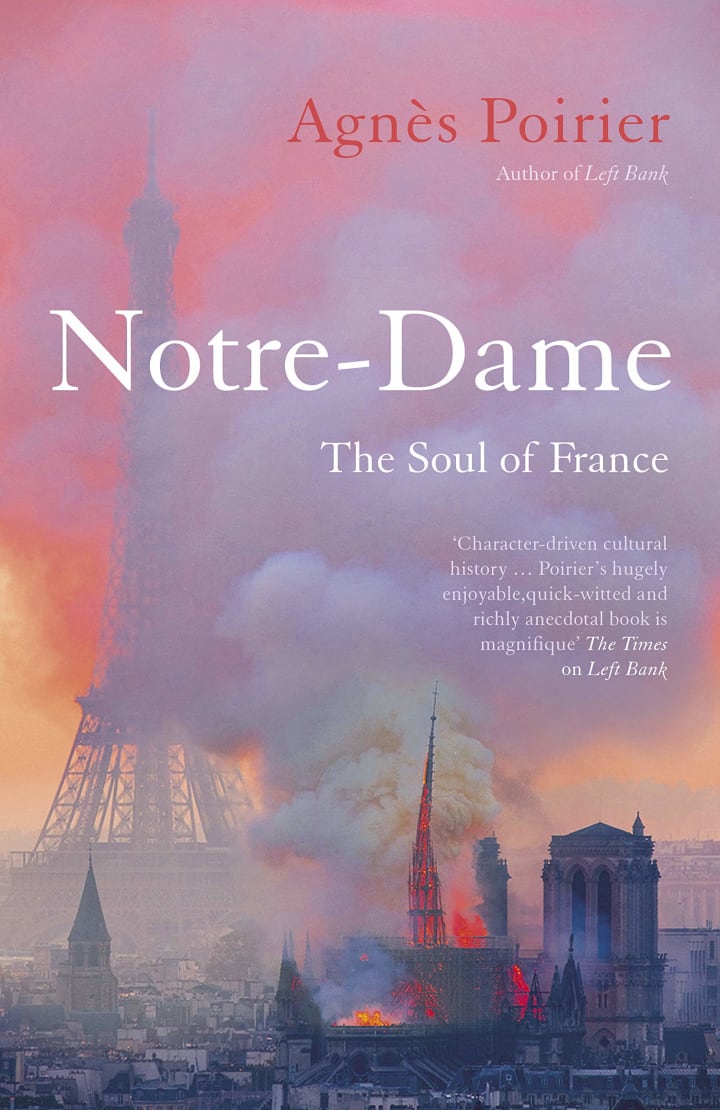
I really did enjoy this book even though I have some criticisms of it. First and foremost I loved the way that the cathedral is described as being important both to France and globally. There is a lot of quoting Macron, public outcries of grief and people who were actually there saving the relics. This took up about two or three chapters. Then, it goes through the history of the cathedral and when it was built to how it was designed and redesigned over the centuries. The one criticism I do have is that the book starts off beautifully describing what the cathedral means to people but when it comes to the history, it feels like it goes too quick through it and it doesn't evoke the same emotion. Be that as it may, it was an amazing book and very interesting the read.
372. Insane by Rainald Goetz
This book was again, good but not great. I was first taken by the language surrounding insanity and how it is defined. It is written beautifully and reads like a classic cult novel. However, there are quite a few characters and sometimes, it can be difficult to keep up with everyone and their conditions. I liked the part that explains alcoholism the most because it tries to first rationalise it and then, it takes it out on other people. Much like a lot of the other mental illnesses mentioned in the book - there is no one conclusion for them and that's probably the best thing about the book.
373. The Diving Pool by Yoko Ogawa
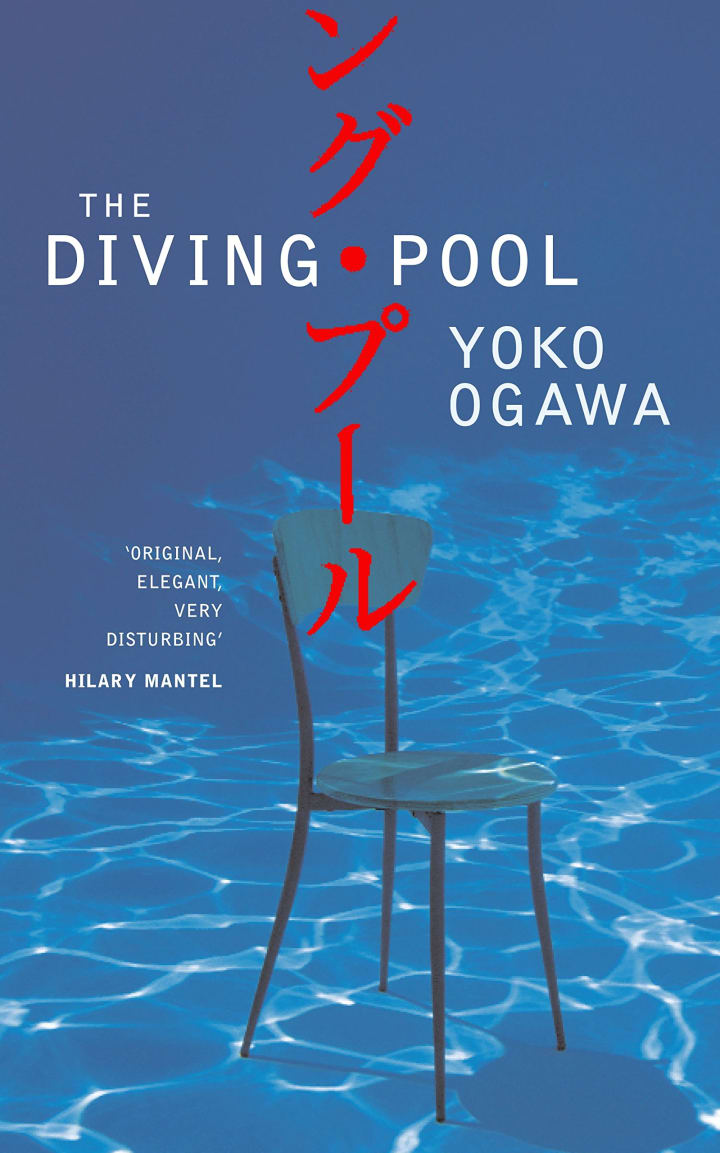
This book contains three different stories by Yoko Ogawa written in a beautiful Mishima-like style. A girl falls in love with a boy after seeing him leap from a diving board, but the logistics of their love is more complex than that. There's a pregnancy that is proving to be more painful than usual. And there are human relations that break down in the classic Ogawa style. Not my favourite by Yoko Ogawa but seriously, it was very good. I think that even though it is well written, the stories need to be more like her book "Revenge" in order to grab me more.
374. Conspiracy Against the Human Race by Thomas Ligotti
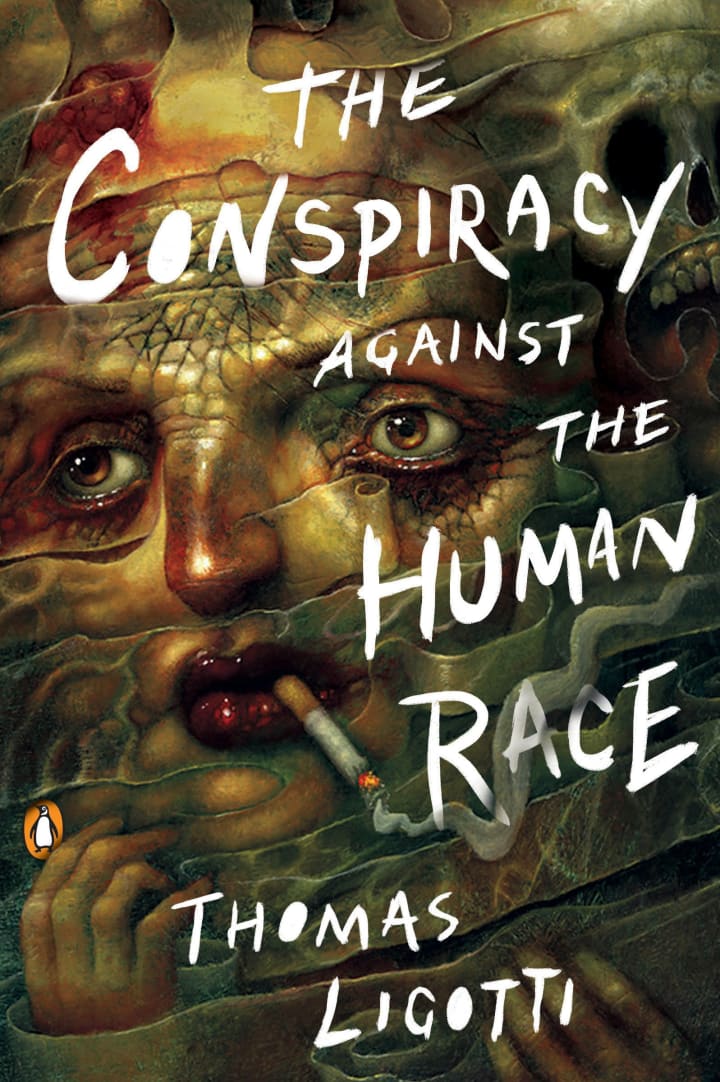
This has got to be one of the most depressing books I've ever read. It's a non-fiction book about why we are alive and what happens when we die. It's all about existence and it draws on people like Schopenhauer and the like to help explain that in 200+ pages, we are nothing but rotting bones surrounded by strange meaty fleshy stuff. We are nothing more than that. The complex psychological systems of our brain are no more than electrical pulses and madness happens when those electrical pulses go wrong somewhere. This book is well written, well researched, but just pure depression, you're going to need a good happy book after this. I tried some light poetry.
375. Imagist Poetry by Peter Jones
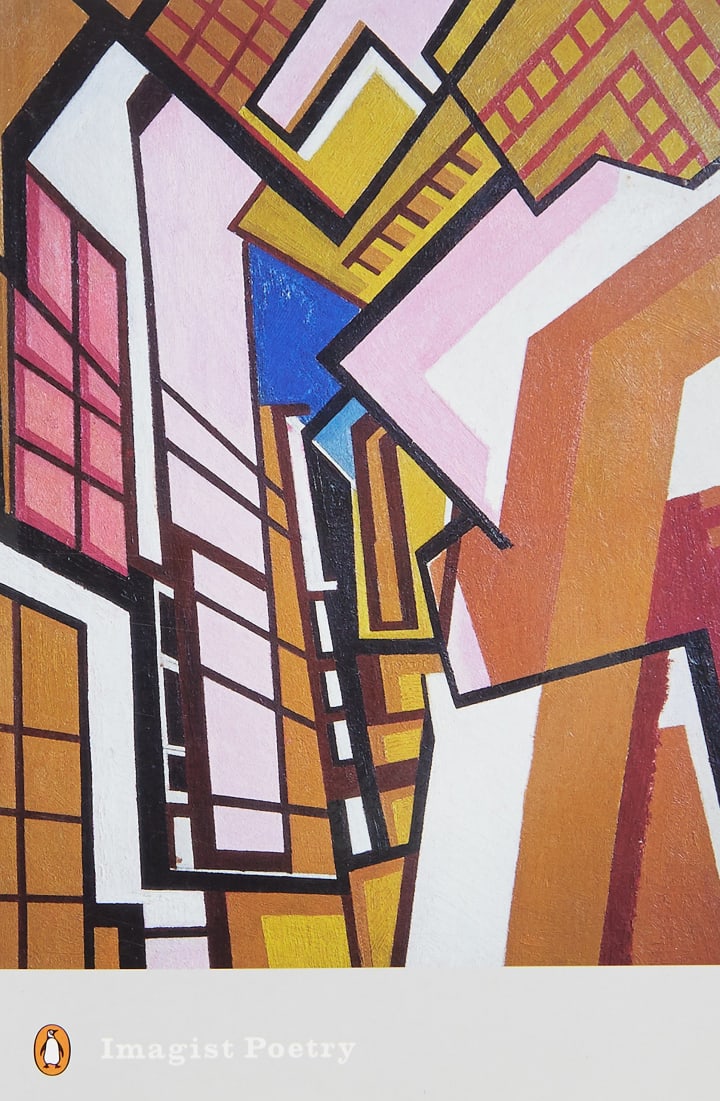
Yes, I needed something light after reading Thomas Ligotti. Anyways, Imagist Poetry is some of the most fascinating poetry you'll ever read because it's all about simple images of the natural world to represent the most complex and abstract of emotions and philosophies. It's a beautifully selective book filled with the poetry of James Joyce, DH Lawrence and many, many more. You can just really breathe it all in and lighten yourself for a while. This book also cheered me up a lot.
376. Memory Theatre by Simon Critchley
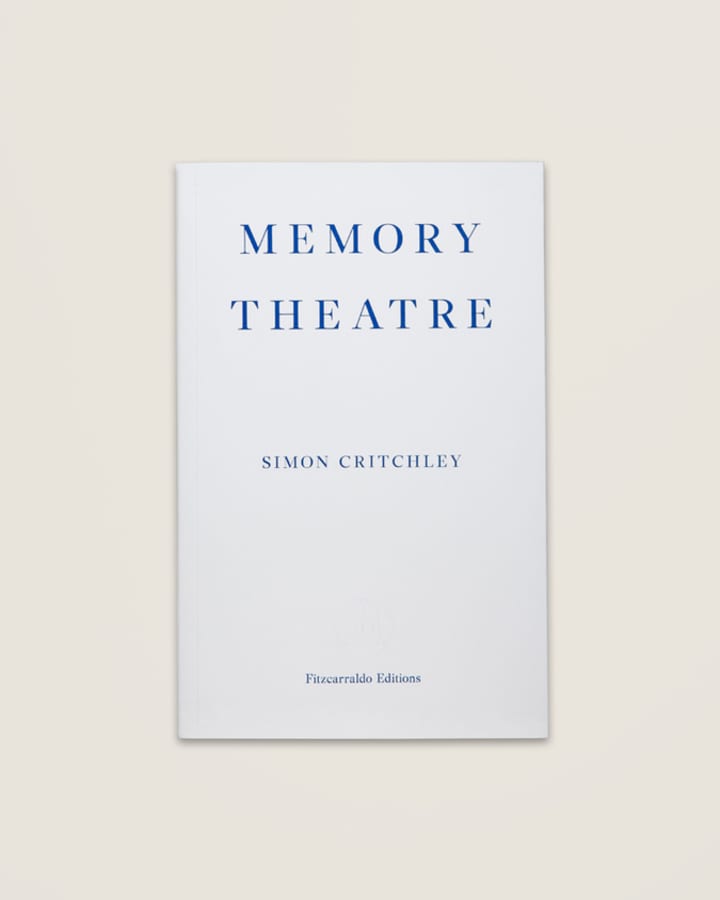
The concept of this book sounded very interesting indeed, when you first read the summary you'd be impressed. The only problem is that it is written in the most banal and boring way possible. It's like David Foster Wallace trying to teach philosophy to a bunch of five-year-olds. There's about five or six pages where the author just talks about Hegel and it doesn't really add a lot to the atmosphere, it just makes me believe that the author is trying to show off their knowledge of philosophy. The actual concept is good in that the character knows the time and date and even the method of their own death, but it is poorly executed.
377. The Man Without Qualities by Robert Musil (V2)
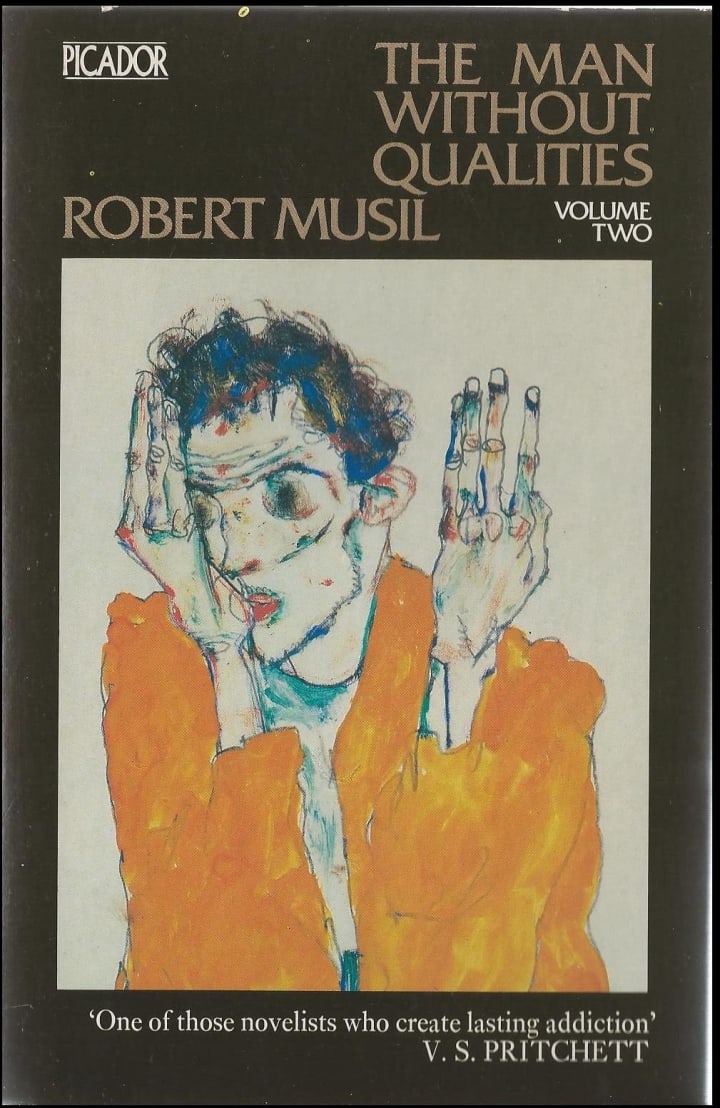
I read V1 a few years back and I thought that maybe it was time to read V2 now that I was older and could possibly understand the various references to existentialism. There were things in this book that sounded more like a lesson in Schopenhauer than I would've liked and this volume wasn't nearly as fascinating as the first one - but I'm going to put that down to expecting too much. However, the ending was brilliant - the links made between science and evil are amazing. I don't care if there was five pages about engineering, it was well worth it for that ending.
378. Confabulations by John Berger
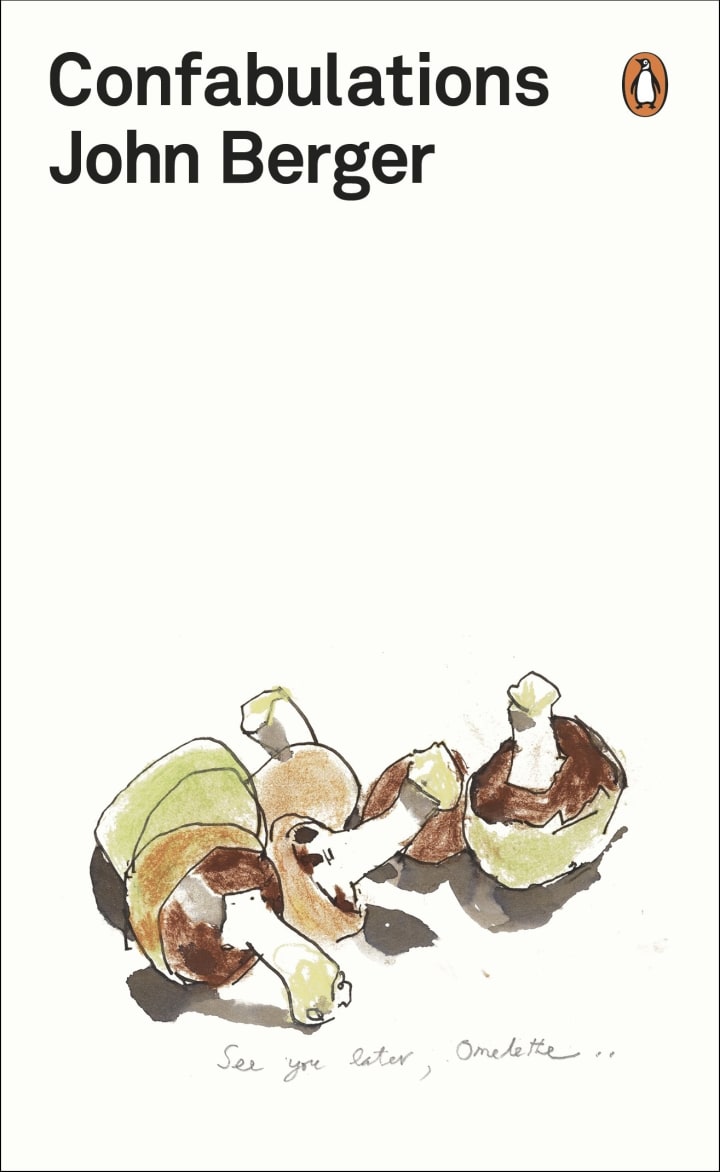
You would think that a man who has been writing for over 80 years would have more to say in his autobiography than a book consisting of no more than 200 pages? Well, apparently not. Now, I love John Berger's books and I've read a few of them but this one was thoroughly average at best. It didn't really go through his artistic theories but rather instead random aspects of his life that didn't really make much sense when you put them together. I mean what is the link between Charlie Chaplin and the painting "Et in Arcadia Ego"? I don't know either. It's a good read, but not his best piece of writing. If you read this one first and then his other stuff, you will be thoroughly impressed.
379. A Maggot by John Fowles
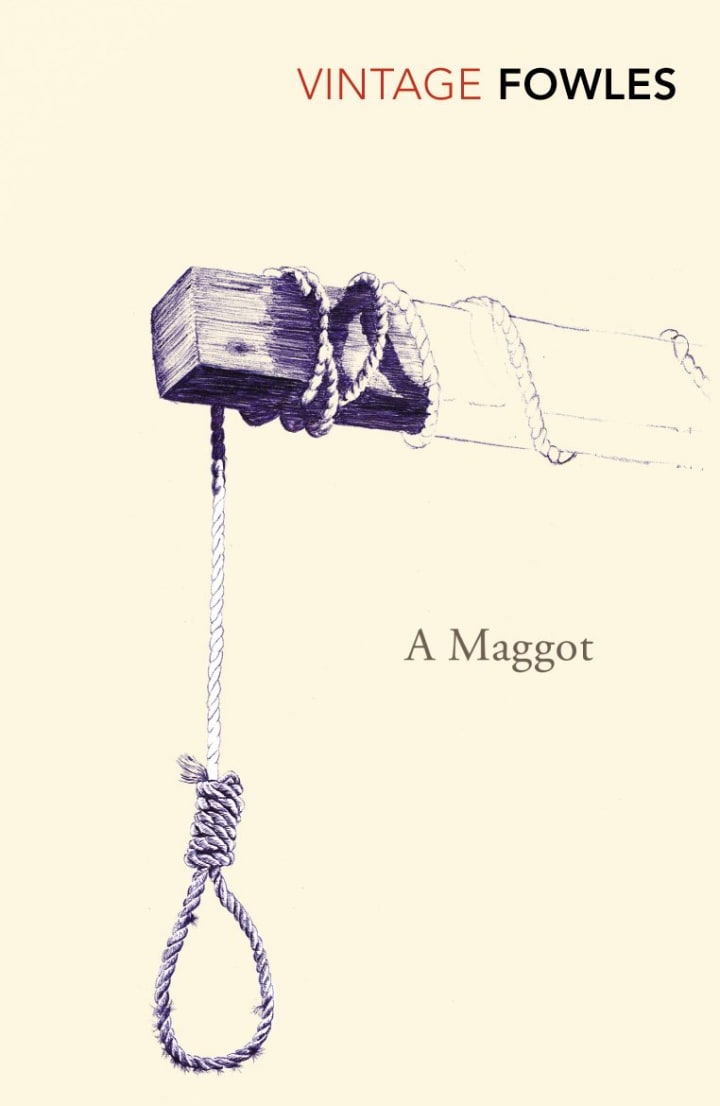
I've read a couple of things by John Fowles and I had such high hopes for this book. I mean it started off in this dark, intense and amazing way. These riders come into a town and everything is market-style and agricultural. Everything is meaningful and there is a strange person around every corner. However, the book doesn't really improve from then on and the ending is thoroughly unimpressive, especially for a Fowles book in which endings are supposed to mean something and offer closure. I mean, the ending meant something, it was just severely underwhelming in my eyes.
380. The Big Goodbye by Sam Wasson
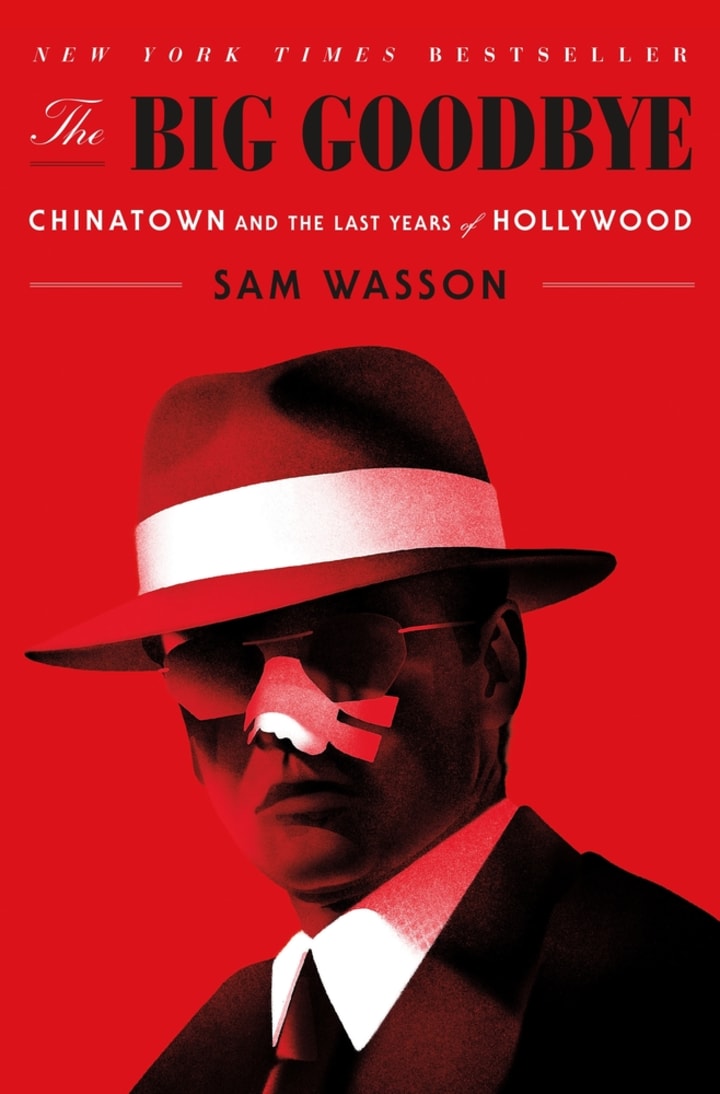
This book is all about the decline and fall of Hollywood, especially one person in particular - Roman Polanski. It starts off with the murder of Sharon Tate but I had one major problem with the way it was written. It explains Tate as being beautiful and famous because she was murdered, which I don't think is exactly true. In all facts, she was also a great actress and a well respected one too. I don't like to think of Sharon Tate famous because of being brutally tortured and murdered. But, the book does give us a great insight into 60s and post-60s silver age Hollywood. It is a simple explanation for a giant problem, it's well written and I did enjoy it overall.
About the Creator
Annie Kapur
I am:
🙋🏽♀️ Annie
📚 Avid Reader
📝 Reviewer and Commentator
🎓 Post-Grad Millennial (M.A)
***
I have:
📖 280K+ reads on Vocal
🫶🏼 Love for reading & research
🦋/X @AnnieWithBooks
***
🏡 UK
Keep reading
More stories from Annie Kapur and writers in Geeks and other communities.
A Filmmaker's Guide to the Best Performances: Jack Nicholson
Without a shadow of a doubt, Jack Nicholson is one of the greatest cinema actors of all time. He has shown a great amount of range, versatility and an incredible talent for portraying the most difficult of characters with smoothness and accuracy. He has done everything from the Joker in Burton's Batman (1989) to Jack in Kubrick's "The Shining" (1980) - lending his talent also to such films as "One Flew Over the Cuckoo's Nest", "Easy Rider" and many, many more.
By Annie Kapur6 years ago in Geeks
Silver Screen Magic with Mae West
American actress and singer Mae West became a popular film actress during the Great Depression. She started entertaining in vaudeville, then performed on Broadway, and finally went to Hollywood. She signed up with Paramount Pictures and made her debut in the 1932 film “Night After Night.” She also starred in musicals, comedies, and crime dramas. The American Film Institute named her one of the best classic Hollywood actresses.
By Rasma Raisters6 days ago in Geeks
Premier League in Denmark: How to Watch
The 2025–26 Premier League season is underway, marking the 34th edition of the competition and the 127th year of top-flight English football. Liverpool start their title defense with confidence after lifting their second Premier League trophy last season, but the return of Leeds United, Burnley, and Sunderland ensures fresh rivalries – including the long-awaited Tyne–Wear derby, back for the first time since 2015–16.
By David Cook6 days ago in Geeks



Comments
There are no comments for this story
Be the first to respond and start the conversation.