


During these uncertain times, I love to curl up with a good book. Everyone has their favourite reading styles. For me, I wake up at 3am and by 4:30am, I'm sitting down with a mug of coffee and a good book to read. Why? Well, I love the morning time and seeing the sunrise, I love that time of the day because it's all quiet and calming and also because it's one of those times where you really can just kick back and relax for the first few hours of the day.
Whenever you like to read and wherever you like to read, it doesn't matter. (Unless, you like to read outside of your house, then it really does matter - please stay home during these times!). The point is, you need to enjoy what you're reading and when you're reading it. I read a really good book recently by an author I'd never heard of and it was called The Wreck of the Mary Deare - I read it at 4am and finished it around 6:30am. I didn't need to get up, I didn't need to stop reading at any time. I was completely consumed, immersed and satisfied when I entered back into reality once again. That is the kind of reading experience that is my ultimate favourite.
When it comes to your own reading experience and if you don't know what suits you best, it's nice to try out different things. Try sitting in different rooms of your home at different times. Try reading in bed early in the morning or late at night. Try reading downstairs, or in your living room at 6pm or 6am. These things will ultimately show you where and when you read best and enjoy whatever you're reading.
Now, if you haven't checked out Parts 1 through to 13, then don't worry because they're on my public page. This is Part 14 and so, we're starting from number 261 today and making our way through to 280. Here we go then!
261-270
261. Mr Kafka and Other Tales by Bohumil Hrabal
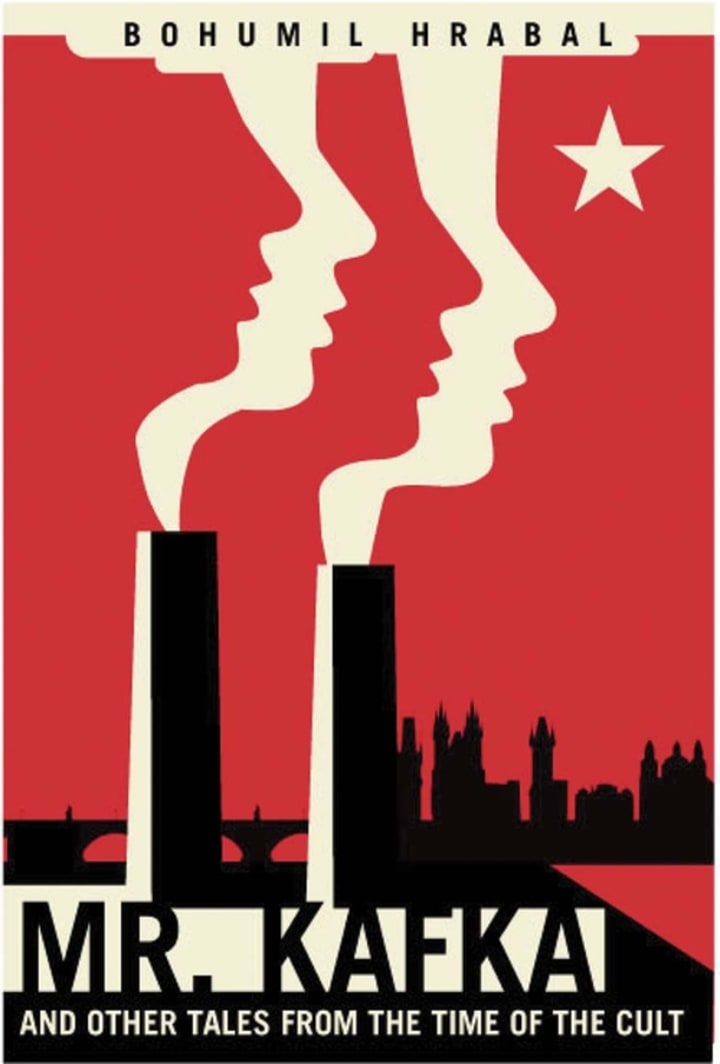
I read "Closely Watched Trains" by Bohumil Hrabal some time ago and I'm not going to lie - I wasn't very impressed. It was short and not very well translated - I thought it was a bit underwhelming. I was hoping to try another, different, text by him sooner or later. I found this book. It is a set of short stories written in like a cross between Franz Kafka, Haruki Murakami and Milan Kundera. The only problem is, I cannot stand Milan Kundera. Now, I didn't hate this book at all, but I certainly didn't like it very much. It's well-written and the stories are quite immersive. The concepts are brilliant and the richness of the texts are divine. My personal favourite story in there was The Betrayal of Mirrors. But I felt like even though everything was very rich and covered with war-filled history, it underwhelmed me still. Again, it's that hint of arrogance that I keep finding in the works of Milan Kundera that makes me cringe a little.
262. Death in Captivity by Michael Gilbert
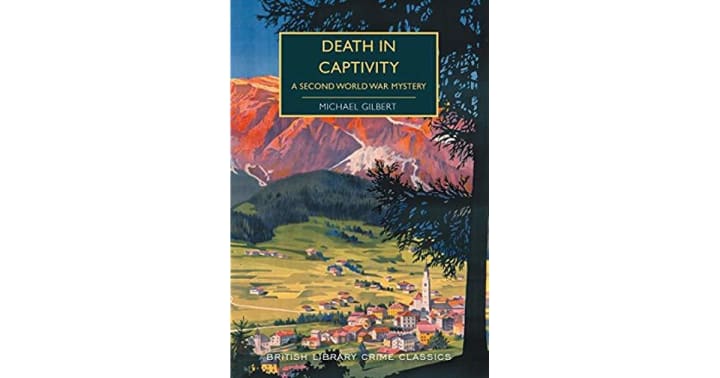
I didn't enjoy this one all that much, but then again I did. I enjoyed learning about the experiences of the war, the people in the war and their different ranks. It was rich with history and atmosphere and time and place. There was so much to breathe in and learn. It was written so well that the style almost imitated the way in which you were reading it - it imitated that tense and eternal style with these undertones of death, sadness and grief that makes a very, very good war novel. Unfortunately, those aren't the things that make a good crime novel. A good crime novel is where you're literally stumped at the ending. You may remember me talking about other crime novels as misdirecting me and leaving me almost breathless at the ending, or me screaming and kicking my legs around at the ending to In A Lonely Place. This book didn't have that effect. Even though it was wonderfully written and completely immersive, I found that I had already guessed the ending and I was actually completely correct this time.
263. The Enigma of Arrival by VS Naipaul
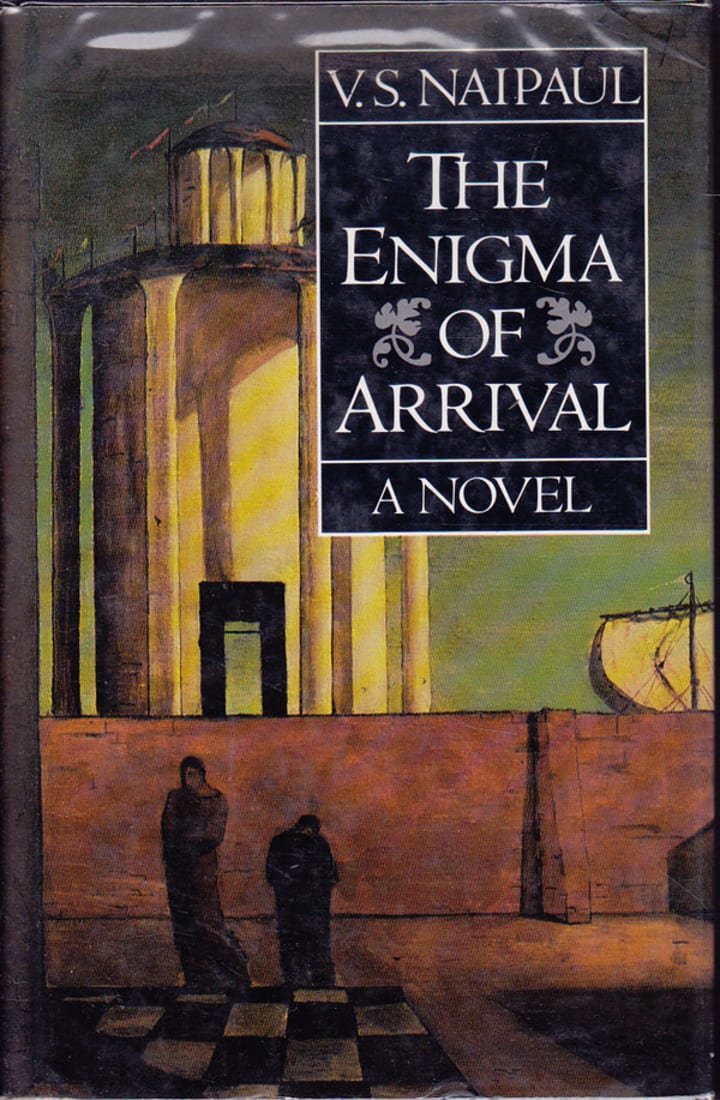
I found this book after rummaging around in the older books I had. You see, I purchased a bunch of old penguin books and I was sorting through them today and found a number of them that I'd like to read (most of them are the essential classics that I've already read). This one was among the old penguin TBR and so, I have now read it. A few years ago, I read VS Naipaul's secondary magnum opus A Bend in the River. It was one of the most beautiful modern books I'd ever read. It had clear tinges of Joseph Conrad in it. The same goes for this one. From the very beginning when we're described an almost Thomas Hardy-esque landscape of English Rural Life in which the father-in-law is somewhat [and I quote] 'Wordsworthian', to the very last line of the book which satisfies every sense - VS Naipaul hasn't failed in giving us one of the best pieces of writing I have read in a long time. Not only can he write about tragedy but the sheer beauty and emotion of his writing seems to flow through your mind like long hair in a light breeze. It's such a picturesque book of the rural landscape and a perfect book for learning about assimilation.
264. Mornings in Mexico and Etruscan Places by DH Lawrence
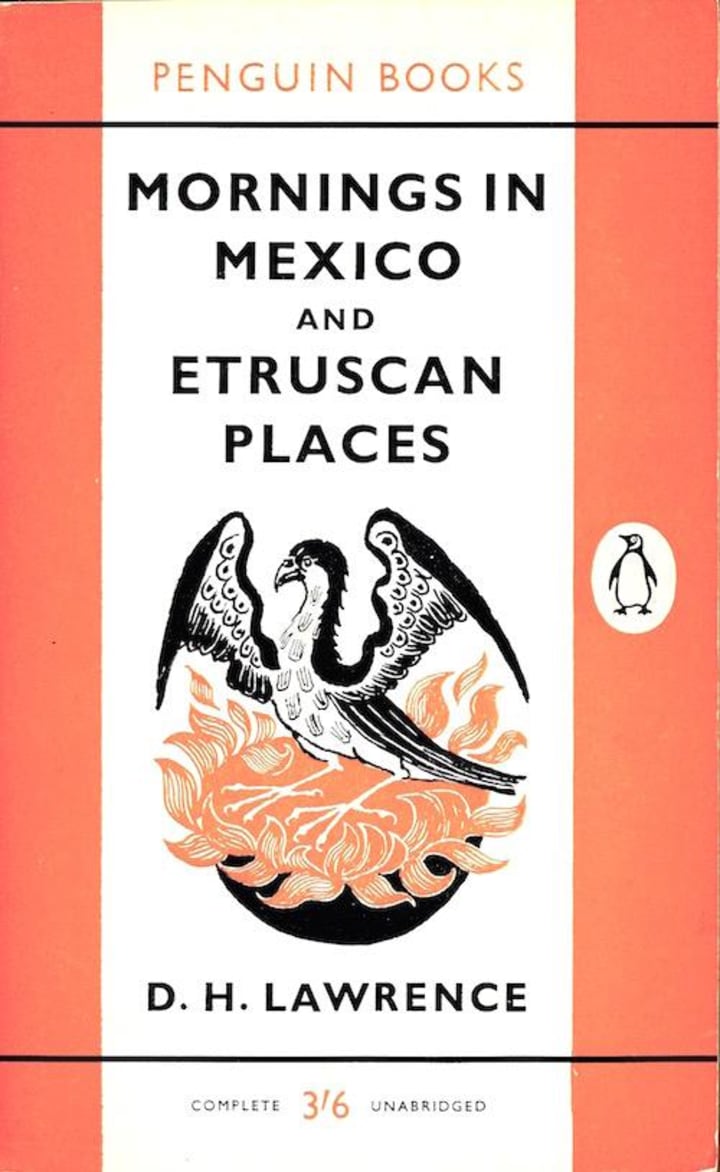
I had a rummage around my old book collection, as you know, and I found some really cool books that I wanted to have a go at. This was one of them. Written by DH Lawrence, it details the time he spent in Mexico and honestly, as opposed to other (novels) by DH Lawrence, this is one of the few pieces of writing by him where you really see him as a person. When I read Lawrence's "Life with a Capital L" some time last year, I was shocked by his views and beliefs being so aptly put out there, he is very open about his own thoughts. When I read this, I was expecting the same, or a similar voice and that is exactly what I got. Lawrence writes in a way about an argument over fruit that few others can. When it comes to appreciating the landscape of Mexico, you can clearly see the influences that Lawrence took from Thomas Hardy. If you read "Life with a Capital L" you will see DH Lawrence's great appreciation for Hardy (and great dislike for Thomas Mann). This book was personal, it was rife with exploration and all that landscape poetic writing that Lawrence is so famous for.
265. The Wych Elm by Tana French
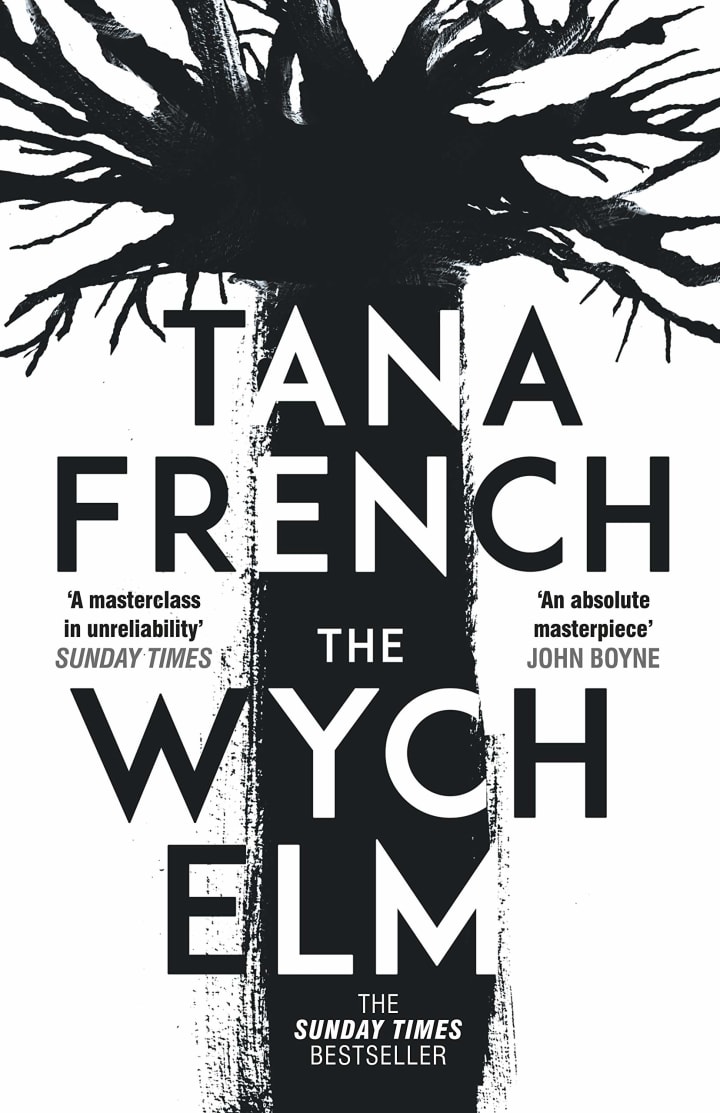
I never lie about my opinions on a certain book and I don't always give good reviews for books. However, I won't outright say that a book is bad, ever (unless of course, it is The Unbearable Lightness of Being - then I'll just say it's bad). It just didn't suit my tastes. This book is one of those. When I am reading a book, I like a lot of rich description, I like flowery, extravagant and over-the-top language. I like to know my characters inside out and then find out more secrets along the way. This book really didn't have that. This book had less atmosphere and more action, more conceptual explanation and less description and mystery. It was like reading a book I would never actually want to read. However, I wanted to know what happened at the end so I read the whole thing. The problem I had with this book was that I didn't feel like I liked or was connected to the characters. I didn't feel like I cared enough about Toby to want to know what he had to say - he seemed really fleeting and indifferent and kind of a nobody to me. I like to be very involved with each character and I like to know who they are inside out. With Toby, I felt like he was improvising way too much and nothing was really right about me reading this book. On the other hand, if you like something more fast-paced where things are always happening - this would be a great book for you to read. It's a great concept - it's just not for me.
266. Threepenny Novel by Bertolt Brecht
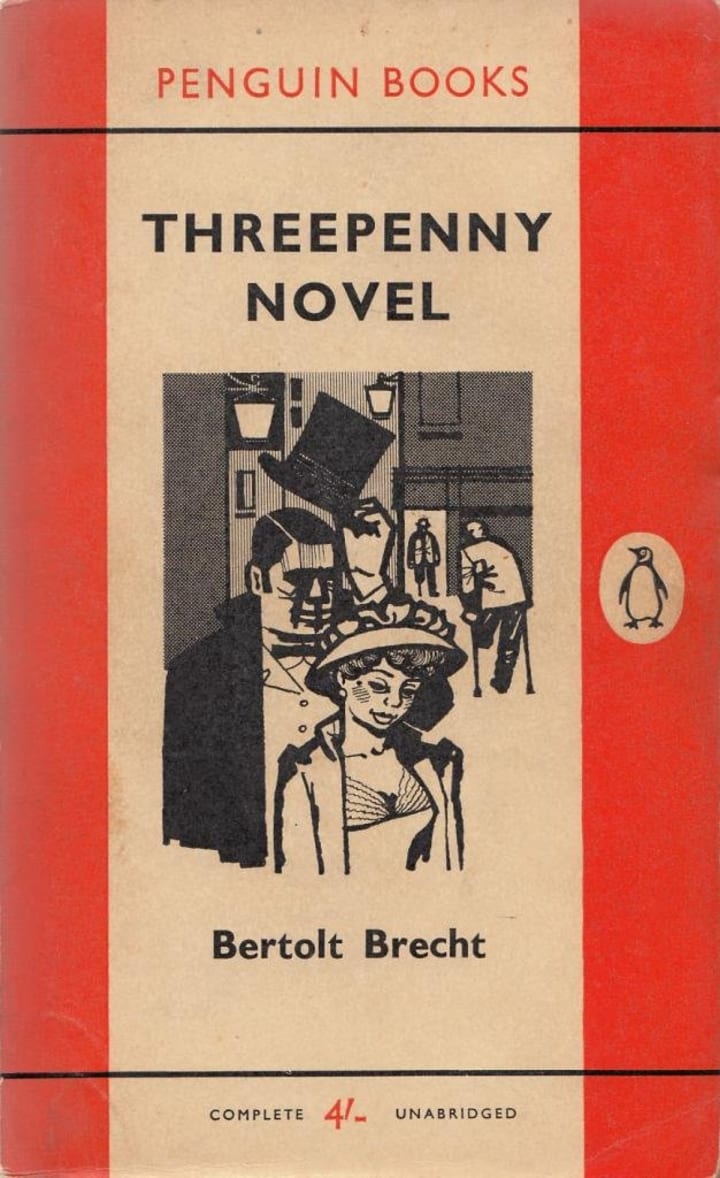
I normally don't really enjoy Brecht that much even though I appreciate the talent he has, he just isn't the kind of writer I would just pick up. However, in my rummaging through my old things - I found this book and decided to try to change my mind about Brecht. Which it did. I thoroughly enjoyed every minute of this book and it was completely immersive - my favourite story was about the murdered shopkeeper but I also liked the first one in which there are some pretty amazing lines. I think overall, my favourite line from the book was: "Various fundamental types of human misery were perfected..." - I just think that's an amazing line. It means so much in one small sentence. To know that misery is fundamental to human existence is to really understand this book because there are so many characters steeped knee-deep in human misery. Human misery being conscious subjects to do with the human experience being or having something to do with being entirely depressed all the time.
267. Sepulchre by Kate Mosse
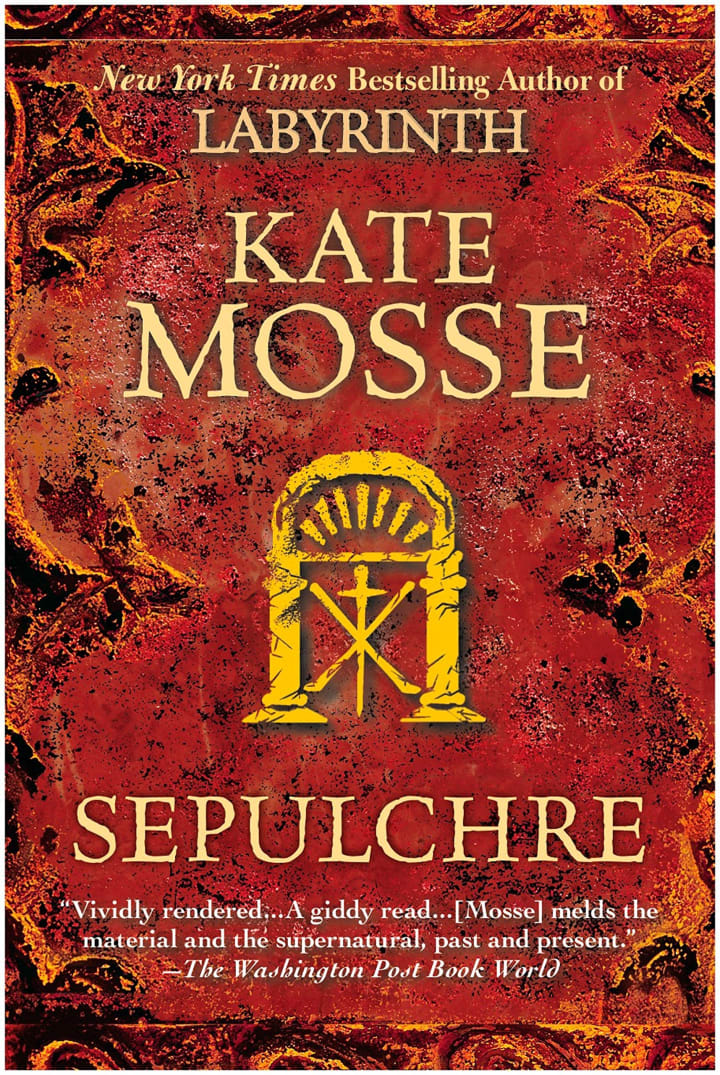
A few years ago, I read Mosse's "Labyrinth" and I absolutely loved it. To be honest, I can't really remember why I didn't read more of her works back then. This one, I have to admit, was a lot better than "Labyrinth" in my opinion. Why? Well, I felt closer to the characters and I preferred the time and place in this one. The two eras are 1891 and 2007. In 1891, there is a story that takes place between a pair of siblings - Leonie and Anatole. Then, in 2007, there is a woman writing a biography on Claude Debussy (yes, the composer) named Meredith Martin who has terrifying nightmares and sleep paralysis of someone being in her room playing the piano. A man called Hal walks into her life when his father dies from being in a car crash. Between these two eras, poems by EA Poe, sheet music, Debussy and much more connects the two eras and the characters of Leonie and Meredith. Through ghosts of time and place, Mosse is able to put together a thrilling feat of history, a masterpiece of setting and character. It is heavy on the atmosphere and description and I feel like I read this with incredible urgency. I could not wait to find out what the characters in the different times were up to next and how their lives would intertwine with each other.
268. The Invisible Collection by Stefan Zweig
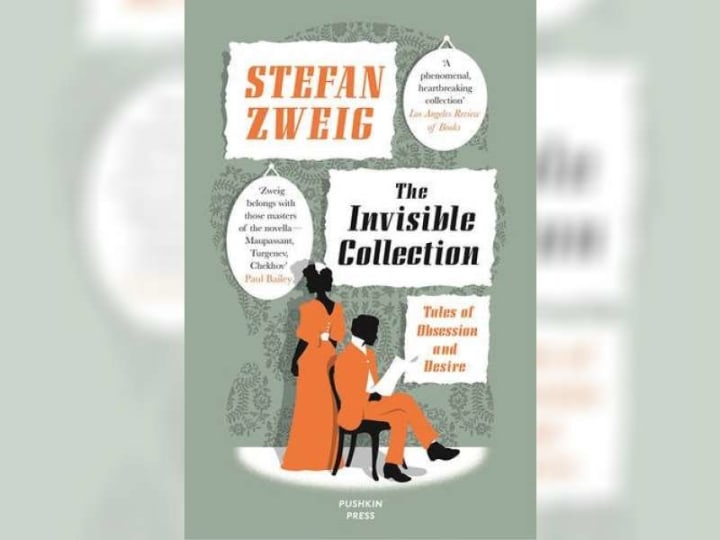
Don't look so shocked. We all know how much I love Stefan Zweig's writing. Anyways, this book is filled with the most eccentric and obsessive short stories I've ever read by Zweig. First of all, we have a story about an antique and art dealer who goes to visit a blind man. It is just brilliant. But I have to say my favourite story was about the mistress to the king who was kicked out of court and exiled. She eventually just goes mad with loneliness and obsesses over coffins, fire and death. It is a brilliant story and even though not a lot actually happens, you can really feel each and ever aspect of this suicidal madness start to creep in. Psychodrama is really Zweig's strength. There's a story about a woman who is hiding her son from being sent to war and another about a man who is painting the Madonna and Child with terrifying consequences. One of the stories is about a man who becomes so obsessed with a woman who keeps visiting him at night but, he doesn't realise that he's making a horrible mistake. All of it is written with a grand amount of passion, obsession, desire, self-torture and this underlying torment that colours the book and its characters with this furious sense of impending doom. Zweig's work is beautiful as it is tragic.
269. The Sound of the Mountain by Yasunari Kawabata
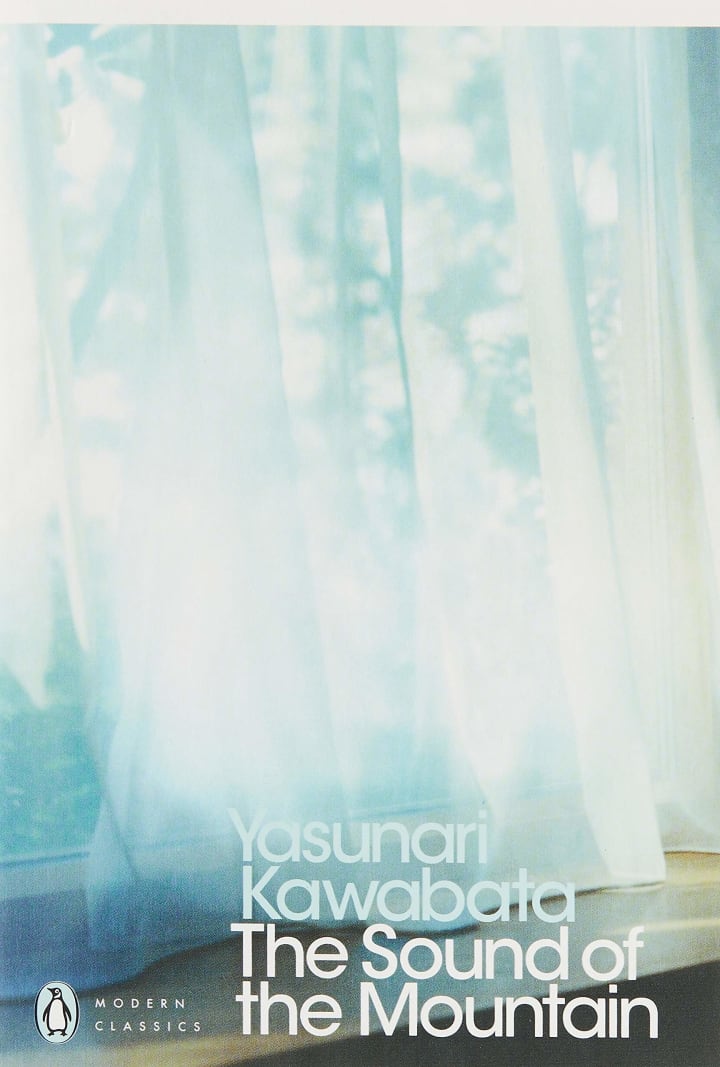
I read a lot of Kawabata, Mishima and Tanazaki earlier this year and late last year, but I never got around to this one by Kawabata. It's about an old man who doesn't really like his wife anymore and he's slowly losing his memory. Through all of this, his family is trying to keep up appearances and show that they're happy. Even though the daughter, Fusako, seems to be going through some sort of emotional breakdown and his son is concentrating on other things - he is trying to remember his life before they were born. In these sporadic memories, we see that he was once a man with some life and some torment as well. He once loved his wife's sister who unfortunately died - and even though he cannot remember exactly how it all happened, he cannot forget her face. A mistress in distress can does not go dancing as much as she once did and the 'sound of the mountain' seems to be the one thing keeping the man who is losing his memory afloat. It is a beautifully written story even though some of it is badly translated - I can honestly say that the beauty of the concept is expressed well in this book.
270. The Gospel According to Jesus Christ by Jose Saramago
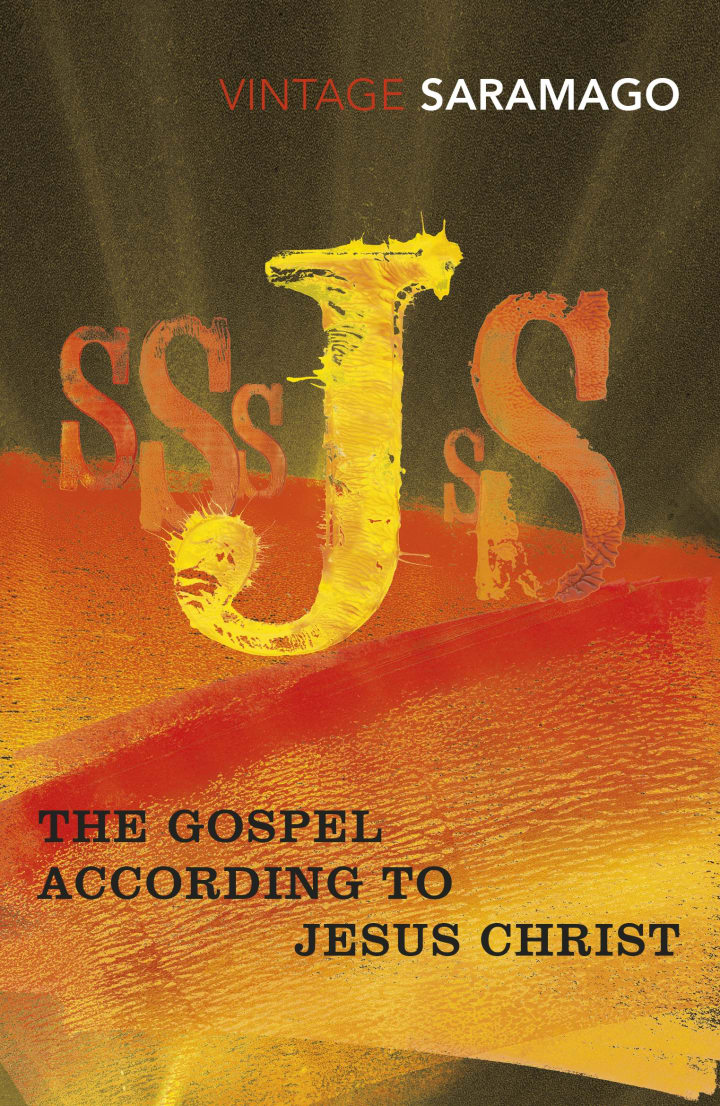
I wanted to say that I would rather not talk about this book but, I think it's a very important thing to do as well - so here we are. Jose Saramago is a genius writer and his book Blindness is one of my favourite books to re-read ever. This book I've just read is something entirely different by Saramago, something I didn't think he was capable of doing - humanising Jesus. In this book, Jesus is not the son of God - he's the son of Mary and Joseph. He's not divine or special - he's simply a man. He doesn't have a divine conception - he is part of a larger family. Mary Magdalene is his lover. I think that this book was written absolutely beautifully even though I am religious myself and don't really appreciate it when people blaspheme about Jesus. I could really appreciate the detail that Saramago went into about Jesus's life to tell us what would happen if he wasn't thought of as divine. It's like an alternative history that we could never know about. It's written with such incredible attention to style and research. Saramago made such an amazing effort in order to keep this story believable and historically accurate. There is something tragic that constantly shadows the undertones of this book, colouring the narrative with that intense emotional state that Saramago is most famous for. It's blindingly human.
271-280
271. Spirits of the Season by Tanya Kirk
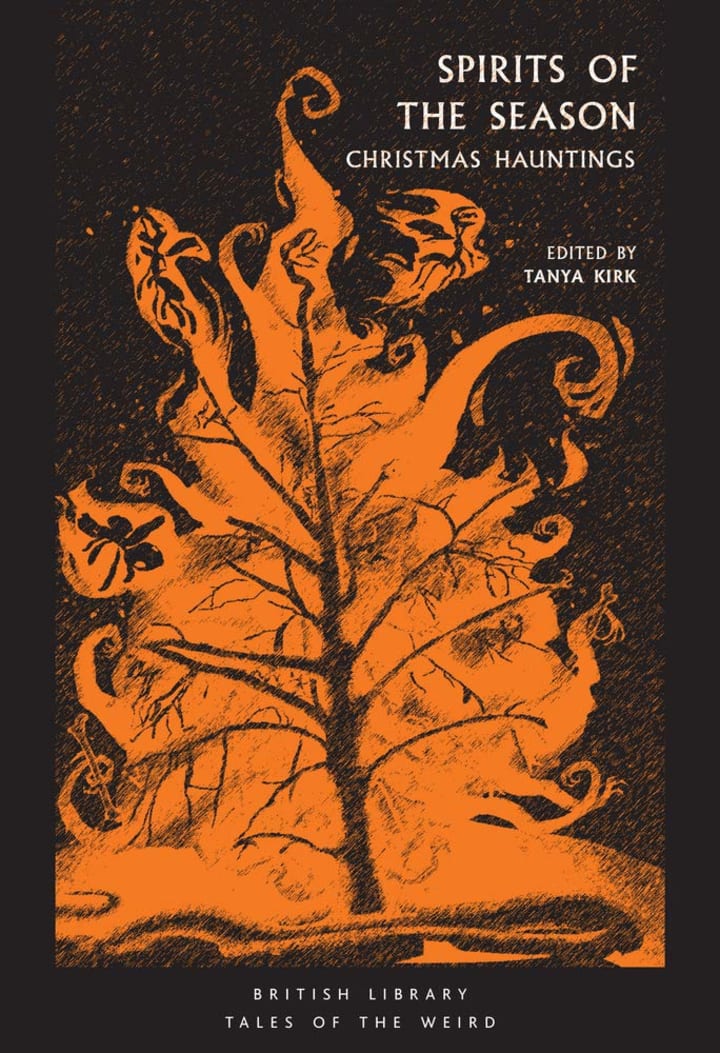
I know I'm a bit late for this one but I lost the book and found it some two or three days before this was written. I have been wanting to read this for ages and now that I have I can honestly say that it did not disappoint. It didn't have anything in there that I had read before except the story by MR James. I love the atmosphere and the hauntings because it's winter, which makes everything even darker even earlier in the day. It's one of those books where you have to read it in an ill-lit room because you want to create the same atmosphere yourself. It's a night read definitely and some of the stories, whether they're set on trains or in houses - whether they have an underlying theme of murder, love or tragedy - seem to all have one thing in common. Even though they are set in winter and Christmas is meant to make you feel all warm and fuzzy - these stories will absolutely chill you to the bone. They are atmospherically terrifying.
272. Death on the Riviera by John Bude
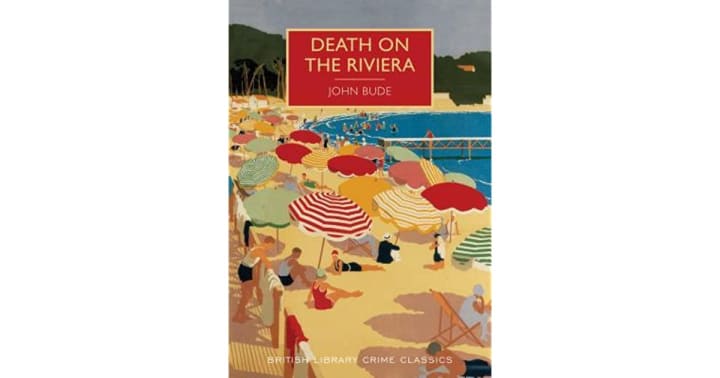
I really liked this one a lot because of the fact that there were many different storylines converging all at once. It felt really well written and Bude was clearly conscious of what he wanted at the end from the very beginning. Now, I love the Inspector Meredith series but this one takes everything to a whole new level. First of all we have a forgery of money and art. Then we have a woman who is about to marry a man, but then he finds out she's already married to someone else even though she's having his baby. Then, there's a mix up of identities and alias names and to top it all off, there's a murder that you really don't think is going to take place that way around. Finally, we get this closure almost step by step towards the end of the book, rounding it off in a satisfying way, with an apt and speedy, yet controlled conclusion. I loved this book because of that exactly - the control. The attention to detail and relation was incredible, the characterisation was brilliant and you could really see each character alive. My favourite character was Kitty and my least favourite character was Nesta. But that's purely because one seemed emotional though manipulative and the other was just a straight-out asshole.
273. Between Eternities and Other Writings by Javier Marias
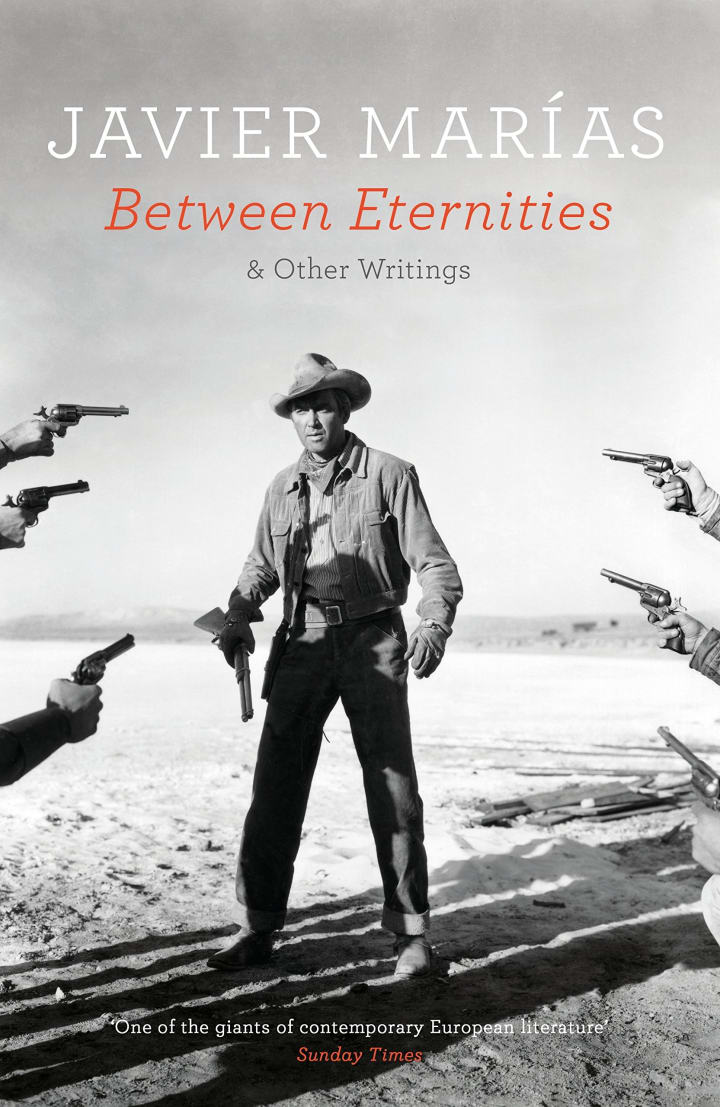
I found this to be a really lovely personal piece of writing by Marias. Now, I've read a lot of Marias, but none quite as personal as this one. My favourite parts are where he talks about literature and what it means to be a novelist. He says something along the lines of that you'll never hear a child say that they want to grow up and have a job as a writer or a novelist, or a poet. Even though there are great ones, he then goes on to name a few (including Rimbaud and Bob Dylan). Marias moves on to talk about what literature means in the wider world and how it effects everyone - he also talks about what it takes to be everlasting in literature. There are other things besides literature he talks about but that was my favourite part of course. The best essay, in my opinion, in that book is called "My Favourite Book". It's a brilliant ode to literature and it is Marias's way of telling us exactly what is out there in possibilities for life and reading. Marias is an incredible writer who is able to paint portraits of existence like we have never seen since Gabriel Garcia Marquez.
274. Pine by Francine Toon
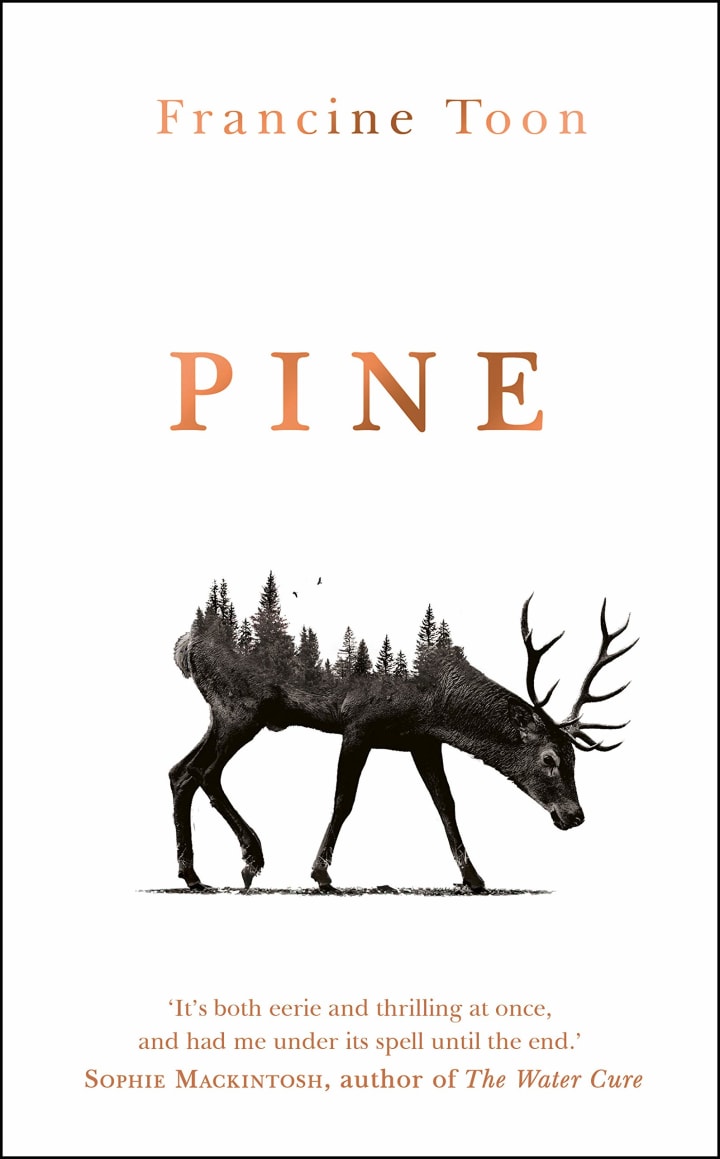
Now, don't get me wrong - the concept to this story is brilliant. It's a great mixture between old and new. We have the tarot cards as a symbol of the ancient and supernatural, but then we have this very - almost modern - couple. However, I wasn't a fan of the writing style. Again, I like heavy atmosphere and even though this did have a lot of atmosphere - I just don't think it was eerie enough - it seemed sometimes cliché. It was eerie, but I always felt when I was reading it that it was missing something. The characterisation was very good and I felt very close to Lauren for most of the book but when I felt like I was close to the characters, I felt too far from the rest of the atmosphere. Maybe that's it. When it came to the characters, I don't think that the characters worked well within the eerie setting as it were. They seemed far too used to it in terms of where they were. They seemed too comfortable with the pines for the reader to get a discomfort from it. For it to be uncomfortable, the characters would've needed to be put into that setting within the confines of the book. Or maybe I'm just being picky. I think it started there. A good book, not a great book - but not a bad book either.
275. Death in Spring by Mercè Rodoreda
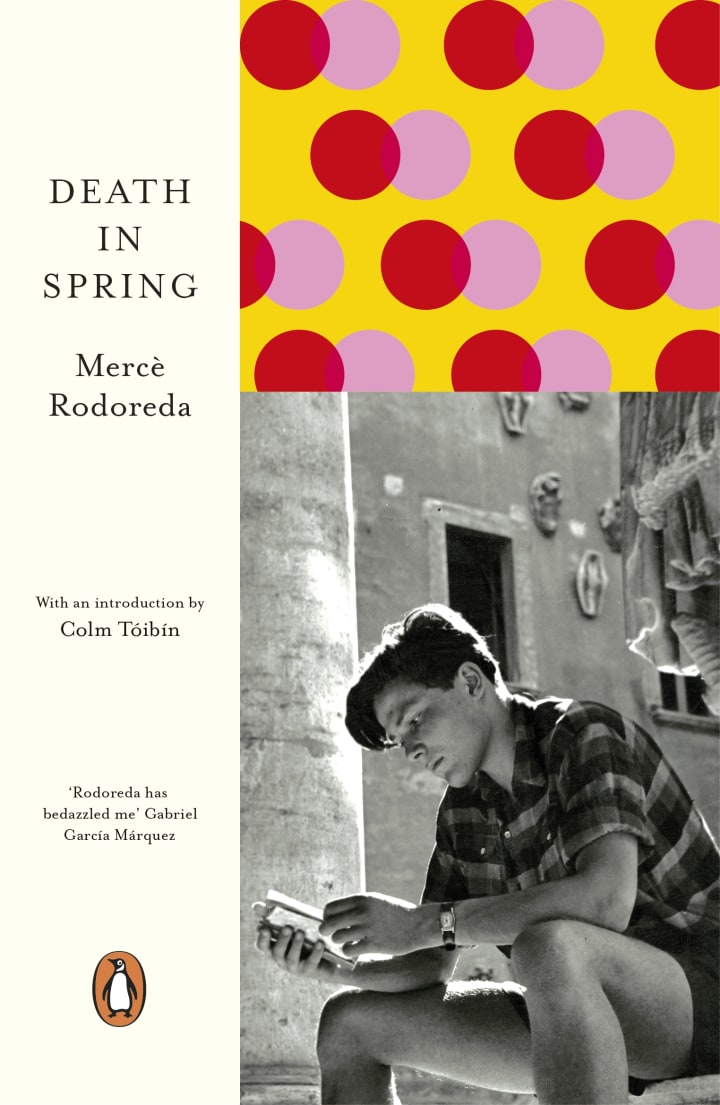
This book was extra fucked up. I didn't expect it to be as sad as it was. At the start of the book, his father dies and then it seems like everything goes from bad to worse. Even when he has a kid himself, he still feel like he can't love the kid. The blacksmith's son tries to teach him a thing or two but nothing seems to be working and the village is getting stranger day by day. Then there's the guy who, on his deathbed, is strapped to a stretcher and carried down to the village where the blacksmith pours cement into the guy's mouth in order to kill him. The people are dancing and shouting as this happens and I can't understand it but it seems to be some ritual they do before they stuff the body in a tree. As his step-mother eats bees, this story gets wild really quickly. I think it was written beautifully and all the symbols were clear and fleshed out. I love the fact it was written in first person and yet, you always felt a little distant from the village - as if the protagonist wasn't thinking the same thing as everyone else. It is a beautiful and twisted, tragic and haunting book and I would love if this were to be your next pick or on your TBR.
276. The Beautiful Summer by Cesare Pavese
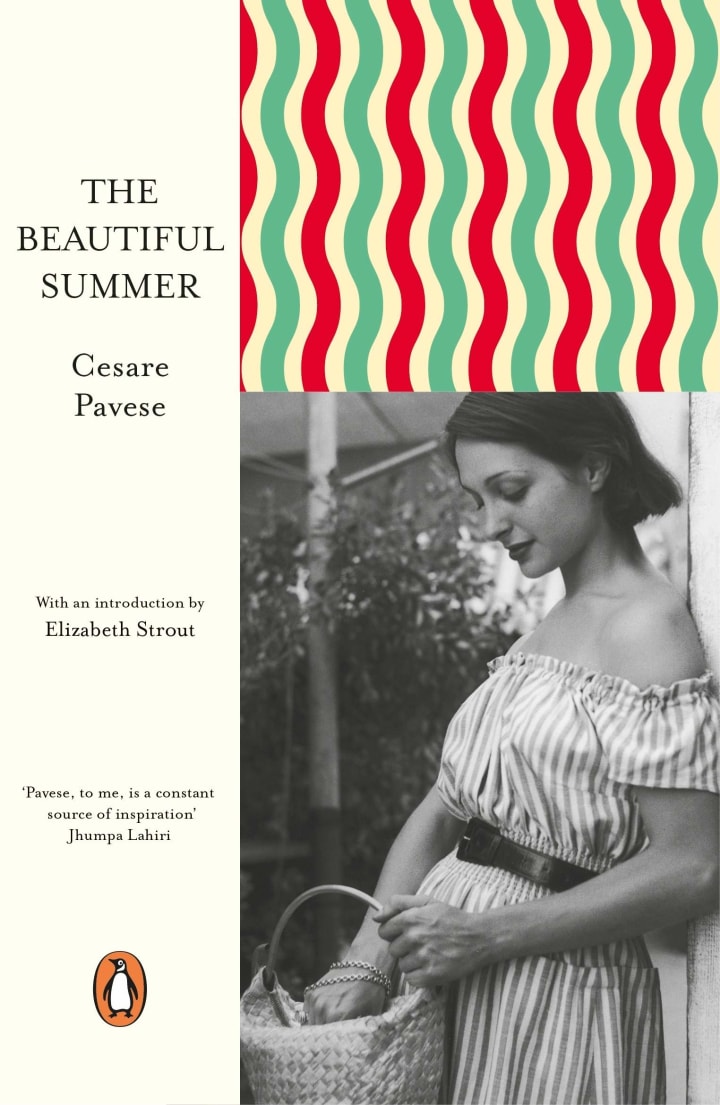
Now, don't get me wrong - I really enjoyed this book but I felt that there was something missing and that it was too short. It's about Italy in the 1930s and this girl called Ginia who falls in love with some asshole artist weirdo called Guido. But, her friend Amelia has something terribly wrong and is getting sick. Rodrigues seems to be there for comic relief and doesn't really contribute to the story except for telling Ginia when Guido is or isn't in his studio. However, even though I thoroughly despised Guido - I really think that the character was written for you to dislike him so that you worry about Ginia. It's written beautifully and the concept is amazing, but I feel like the book was lacking some amount of atmosphere. It seemed like everything took place and ran through too quickly. Again, I think that was the entire point because it is supposed to show fleeting love affairs as short and uneventful - but then again I would've liked some more atmosphere preceding some of Ginia and Guido's disagreements. It would've made me feel more instead of just wishing that Guido would accidentally fall out the window or something. I enjoyed it, but then again I feel underwhelmed by it.
277. Deep Waters ed. by Martin Edwards
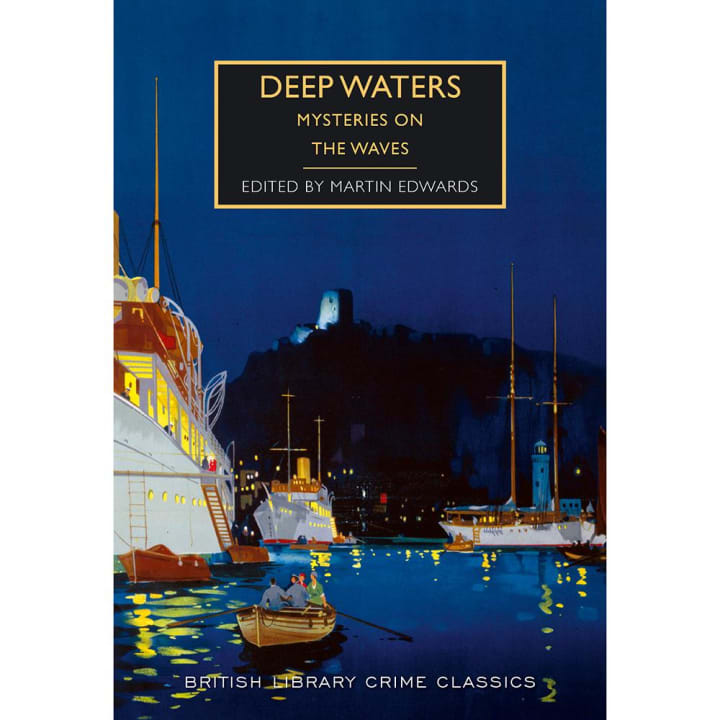
I can't say that I didn't enjoy this one because let's face it, I enjoyed it. I've always had a fascination with the sea because I've wondered how plot lines would work upon it. Some of my favourite books are set on the sea - such as Moby-Dick by Herman Melville and I recently read the incredible book The Wreck of the Mary Deare by Hammond Innes. I found that this book not only had stories with an intense amount of nautical atmosphere, but the concentration of why the waters played an important role in the crimes was absolutely fascinating to read. Some people were dumping bodies into the water, some drowned, some people went overboard as if on purpose. It was a whirlwind of what it was like to encounter something blindingly strange upon the sea. However, I do have to say that after a while of reading stories based upon the sea, the stories themselves do become rather predictable because there are only so many possibilities. I did, though, love the one about the four friends and the poison - it was pretty hard to guess what the ending was going to be.
278.After Cezanne by Maitreyabandhu
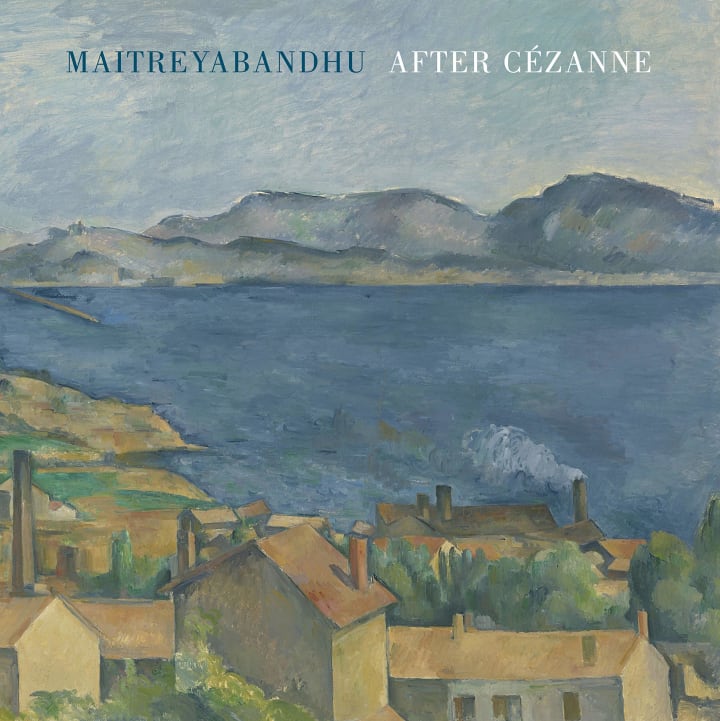
This book was recommended by a friend. Well actually my friend was reading it and I became super interested in the book. After I bought it, I started to read it immediately and saw that the poetry was both incredibly artistic (as in the book is ekphrastic poetry) and introspective at the same time. My favourite poem personally was one that only contained four lines and it was about the colour blue in Cezanne’s artwork. It was beautifully written and I thought that it was impossible to give such an incredible view of a colour in only four lines. It was mind-glowingly good. When I’d finished reading it, I went back to that four lined poem about the colour blue and sat there looking at it for about five minutes because I was admiring it’s rare and sheer beauty. It is a gorgeous work of poetry.
279. Growing Things and Other Stories by Paul Tremblay
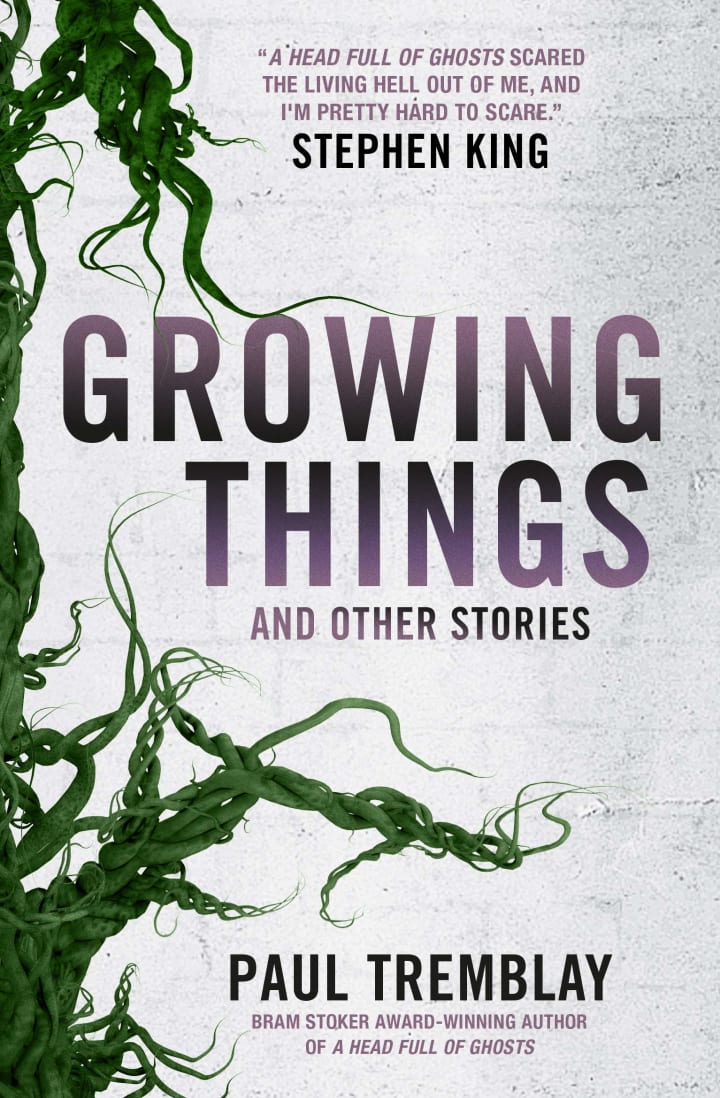
This one was absolutely amazing. I've always loved Paul Tremblay's stories because I have read his other works and not only have I enjoyed them but I have also been personally changed by them. I remember when I was reading his book "Cabin at the End of the World" I actually broke a sweat by the end of the book and had to take a shower. I was terrified. The one thing that I love about Paul Tremblay's horror is that it always feels real because there is such a realistic story behind it and then, you get hit with this impossibility and it scares the shit out of you. It just makes you feel uncomfortable. This book is the same. It's a bunch of short stories and my favourites were "Swim Wants to Know if it's as bad as Swim Thinks", "The Teacher" and "The Town's Monster". I cannot believe how brilliant his writing is. In such a short space of time he is able to captivate and manipulate you into thinking that this shit actually happens. It is an incredible ability and his writing is absolutely awesome. I am really looking forward to his next work.
280. The Methods of Sergeant Cluff by Gil North
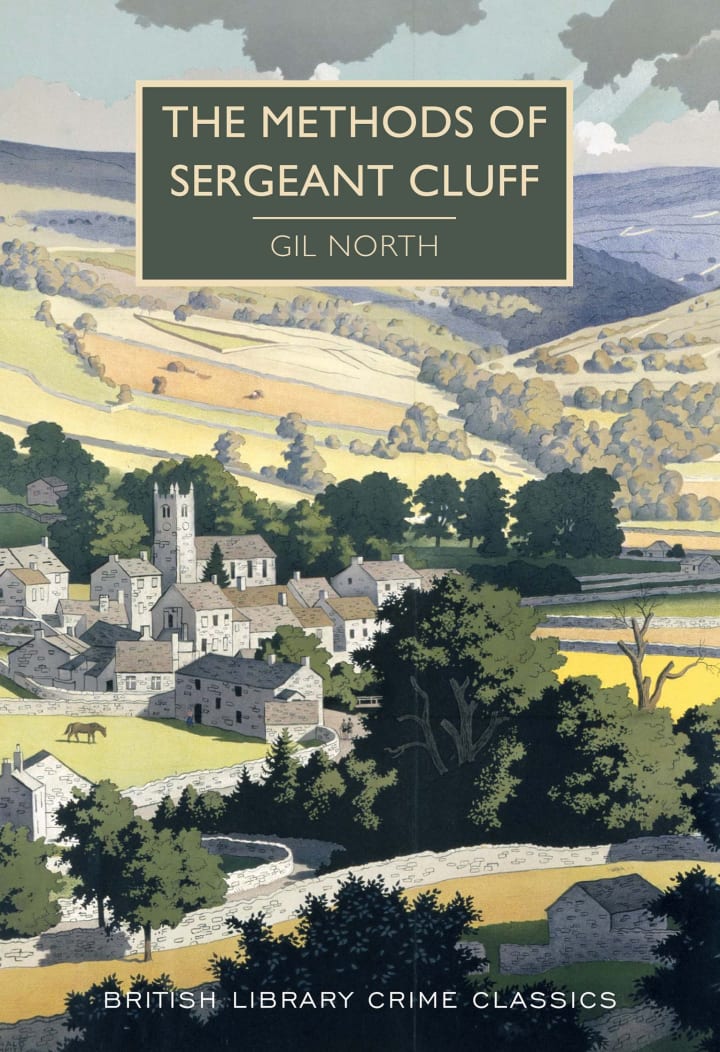
Yes, we all know how much I love crime novels, especially from the British Golden Age. This one is no different to that sequence. This book, to be completely honest, I didn't think was going to be as good as it was. Initially, I did judge the book by its blurb and thought it was a bit simple - but it was far from that. With a small set of characters who are each trying to protect each other's dignity, to people who would lie and steal for each other. The characterisation is the driving force of this book with each character having their own motive, not for the crime, but to hide something from Sergeant Cluff. When it comes down to it, Cluff must distinguish between who is trying to hide something for their own gain and who is hiding something for the want to protect the small close-knit town they live in. But with time running out for various people involved, there's danger lurking about and even though there's one dead body, there may be more on the way if he doesn't act fast.
About the Creator
Annie Kapur
I am:
🙋🏽♀️ Annie
📚 Avid Reader
📝 Reviewer and Commentator
🎓 Post-Grad Millennial (M.A)
***
I have:
📖 280K+ reads on Vocal
🫶🏼 Love for reading & research
🦋/X @AnnieWithBooks
***
🏡 UK
Keep reading
More stories from Annie Kapur and writers in Geeks and other communities.
A Filmmaker's Guide to the Best Performances: Robert Downey Jr.
Robert Downey Jr. is by far one of his generations finest actors. With a great deal of films under his belt and being renowned for portraying the action hero Iron Man, Robert Downey Jr. has had the greatest comeback in all of cinema history. With his days of drugs and jail behind him, Robert Downey Jr. has forged a brand new image for himself, becoming one of the most well-respected men in all of Hollywood.
By Annie Kapur6 years ago in Geeks
Silver Screen Magic with Mae West
American actress and singer Mae West became a popular film actress during the Great Depression. She started entertaining in vaudeville, then performed on Broadway, and finally went to Hollywood. She signed up with Paramount Pictures and made her debut in the 1932 film “Night After Night.” She also starred in musicals, comedies, and crime dramas. The American Film Institute named her one of the best classic Hollywood actresses.
By Rasma Raisters7 days ago in Geeks


Comments
There are no comments for this story
Be the first to respond and start the conversation.